Last updated October 9, 2026

Free written scope consultation - allowances, timeline, and change-order rules on paper before a single trade is scheduled
How Long Does General Contractor Take? Timelines and What to Expect
Most homeowners in Los Angeles hear a timeline from a contractor and quietly double it in their heads. That instinct exists for a reason, but it’s also why this guide is necessary. The real answer to “how long does a general contractor take” is not a single number. It’s a sequence of permits, material lead times, inspections, and trade scheduling that shifts depending on your project type.
In Los Angeles specifically, the timeline conversation starts before demo day. It starts with LADBS. If you’re planning a kitchen, bathroom, ADU, or whole-home renovation, the permit process alone can run anywhere from two weeks to four months. This guide breaks down realistic timelines by project, explains where weeks actually go, and shows you how to read a contractor’s schedule so you’re not the one chasing answers at month five.
Quick Answer
A general contractor in Los Angeles typically takes 6 to 12 weeks for a bathroom remodel, 10 to 16 weeks for a kitchen, 3 to 6 months for an ADU, and 6 to 12 months for a full home renovation, including LADBS permit processing. The permit phase alone adds 2 to 16 weeks depending on whether your project qualifies for over-the-counter review or requires full plan check.
Styles & brands we work with
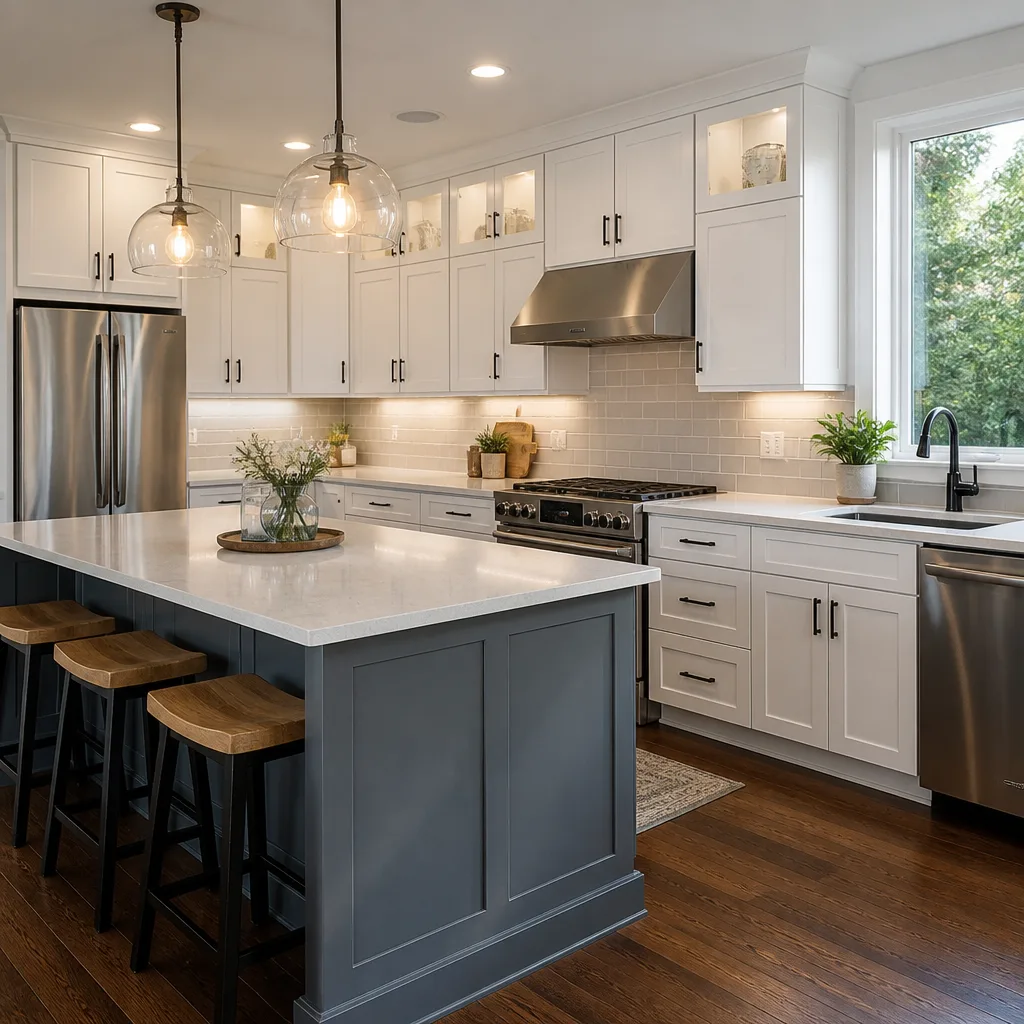
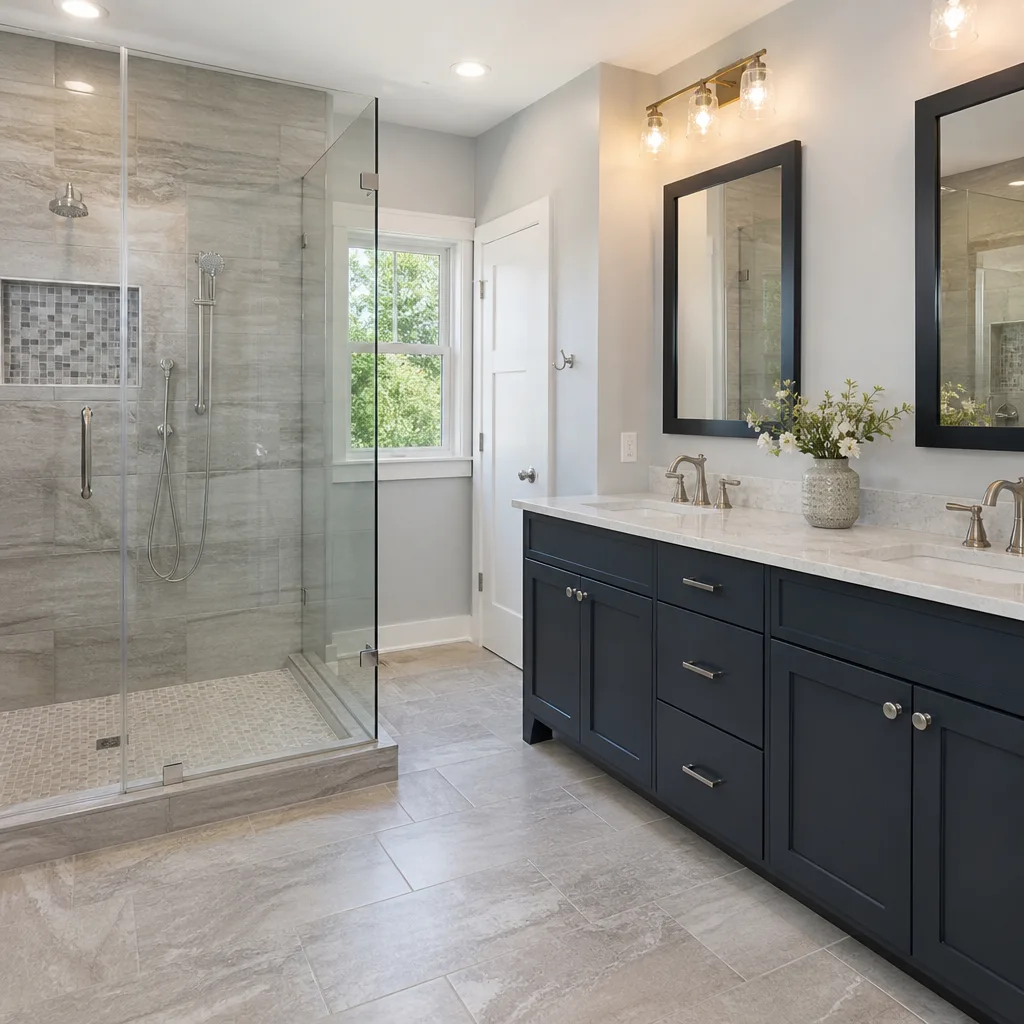
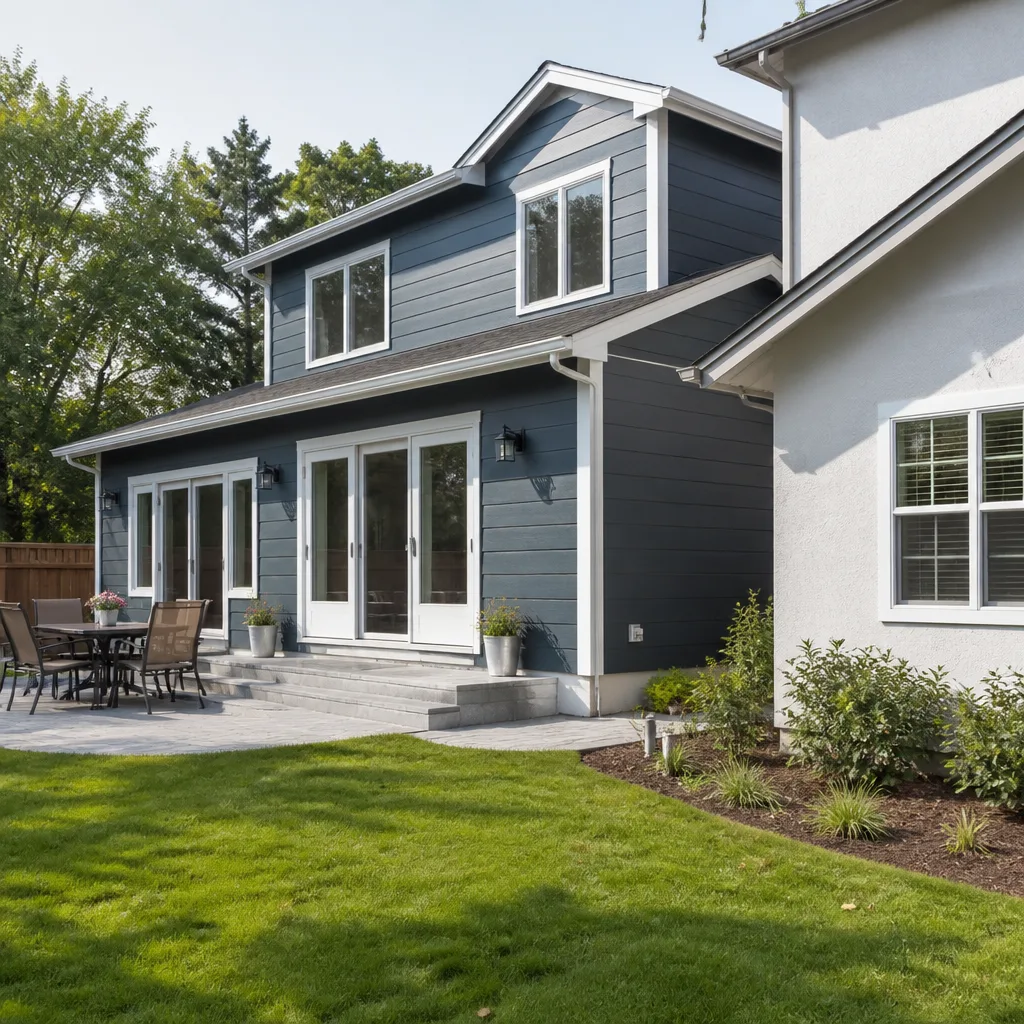
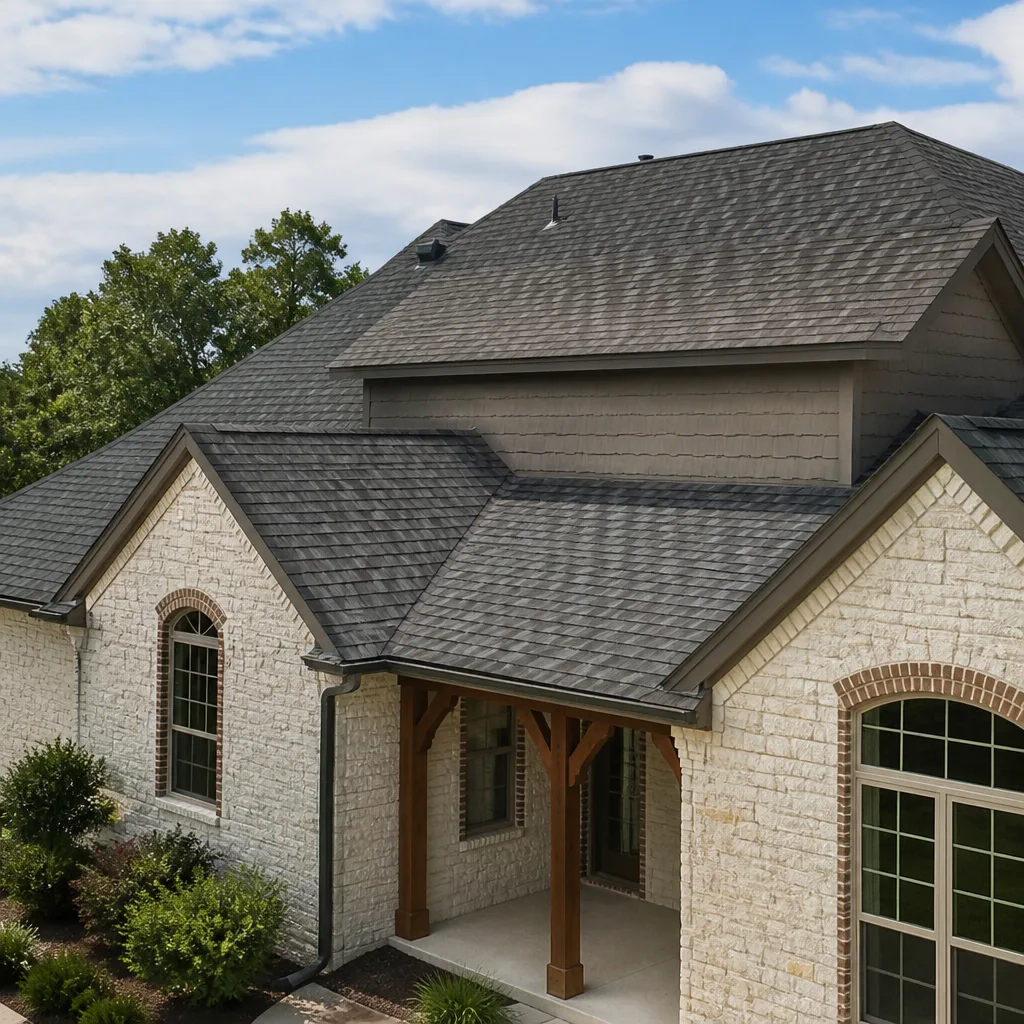
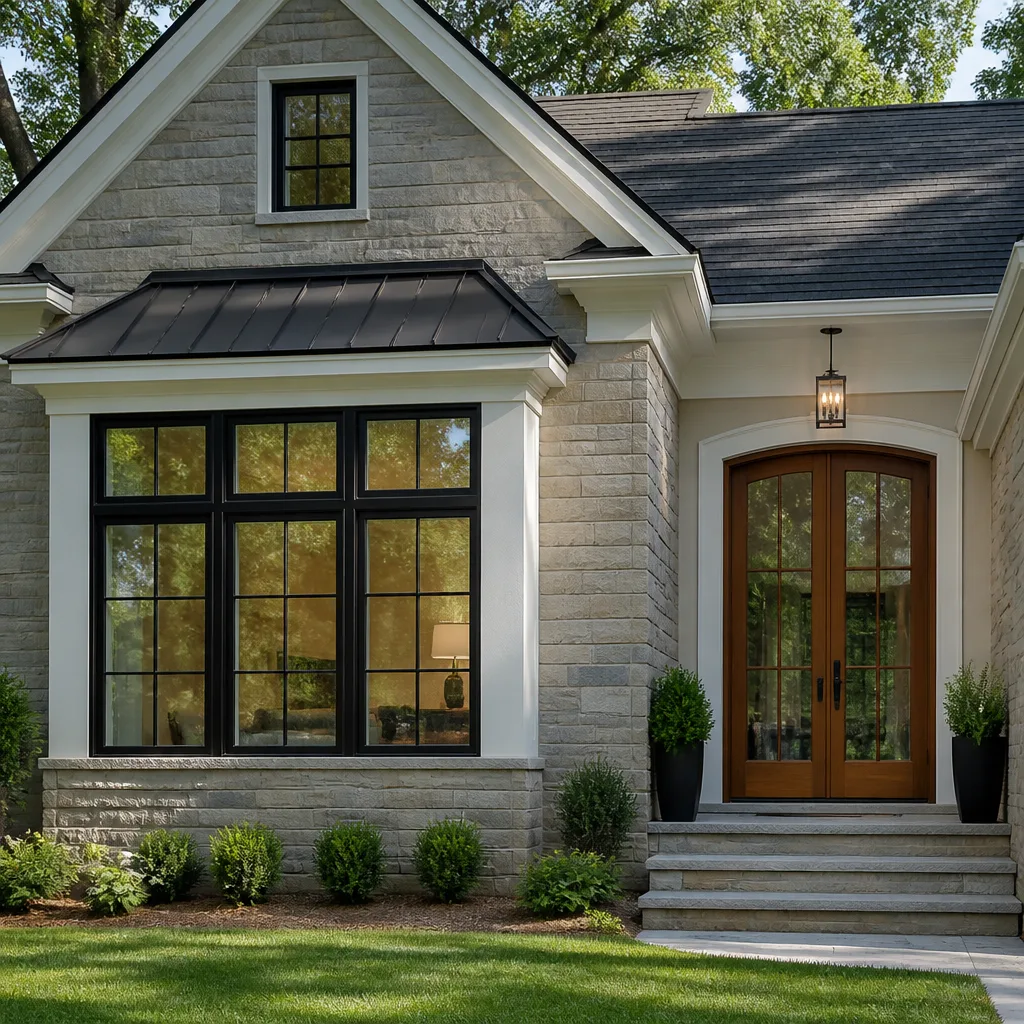
Table of Contents
- The LADBS Permit Timeline: Where the Clock Actually Starts
- How Long a Bathroom Remodel Takes in Los Angeles
- How Long a Kitchen Remodel Takes in Los Angeles
- How Long an ADU Takes from Permit to Completion
- How Long a Full Home Renovation Takes in Los Angeles
- How to Read a General Contractor’s Project Schedule
- The Written Schedule Milestone Clause: What It Should Look Like
- Hidden Delays: Weather, HOAs, and Utility Coordination
The LADBS Permit Timeline: Where the Clock Actually Starts
LADBS permit approvals for over-the-counter projects currently average 2 to 4 weeks. Plan-check projects, which include most structural work, additions, and ADUs, can run 8 to 16 weeks. If your contractor quoted you a start date without mentioning permit pull time, the timeline conversation hasn’t really started.
Here’s the sequence every Los Angeles project moves through before a single tool is picked up:
- Plan preparation: Your contractor or architect drafts drawings. For simple remodels, this takes 1 to 3 weeks. For ADUs or additions, 3 to 8 weeks.
- LADBS submission: The plans go in. Over-the-counter permits for things like re-piping, re-roofing, or non-structural kitchen swaps get issued same day or within a week.
- Plan check review: For structural changes, LADBS reviewers examine the plans. First-pass comments typically come back in 4 to 8 weeks. Revisions and resubmission add another 2 to 6 weeks per round.
- Permit issuance: Once approved, you pay fees and the permit is issued. This adds anywhere from a few days to two weeks depending on the LADBS office.
- Construction start: This is the moment most contractors start counting their “project timeline.” Now you know why the numbers you hear often don’t match reality.
We tell every client: when you ask “how long does a general contractor take,” the honest answer is permit time plus construction time. A bathroom remodel might only be 4 weeks of physical work, but you’re looking at 6 to 10 weeks total once permits clear.
How Long a Bathroom Remodel Takes in Los Angeles
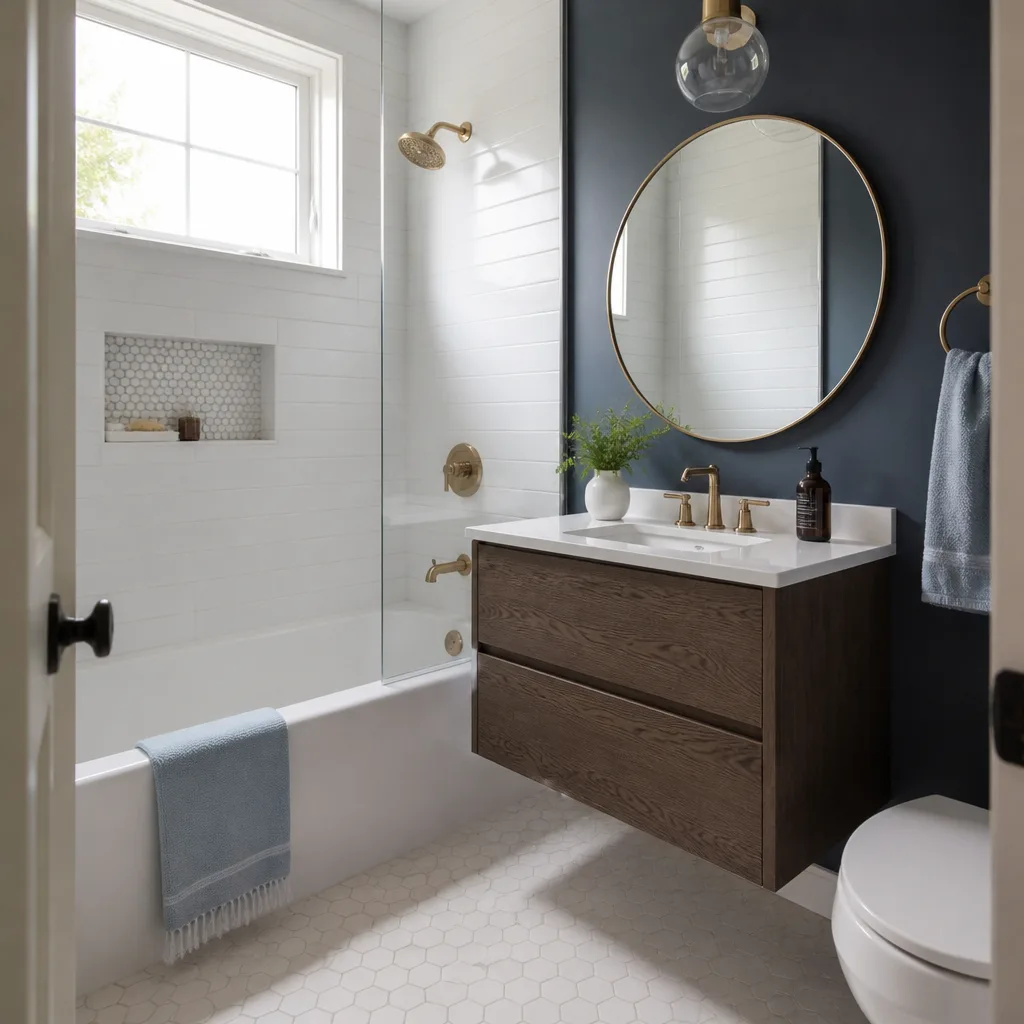
A bathroom remodel in Los Angeles typically takes 6 to 12 weeks from the first design conversation to final inspection. The construction phase itself runs 3 to 6 weeks. The remaining time goes to permit pull, material ordering, and scheduling licensed trades.
Here’s what the physical work looks like week by week:
- Week 1: Demo, rough plumbing, and electrical. Old fixtures come out, new PEX or copper lines go in.
- Week 2: Shower pan installation, drywall, and waterproofing. If you’re using Schluter edge trim (the metal strip that waterproofs where your tile meets the floor), this is when it gets installed.
- Week 3: Tile work. Floor tile first, then wall tile. Natural stone takes longer than porcelain.
- Week 4: Fixture installation, glass enclosure, and finishing. Kohler, Toto, and Moen fixtures arrive on site and get set.
- Week 5: Final inspection by LADBS. The inspector verifies waterproofing, venting, and electrical work meet California code.
In our experience, Los Angeles bathroom remodels run slightly longer than national averages because older homes, especially those built before 1980, often have cast iron drain lines that fail the moment you open the wall. Replacing a section of cast iron can add 2 to 3 days, and tying into the city sewer line requires LADBS coordination. You can learn more about what’s involved on our Bathroom Remodeling in Los Angeles page.
How Long a Kitchen Remodel Takes in Los Angeles
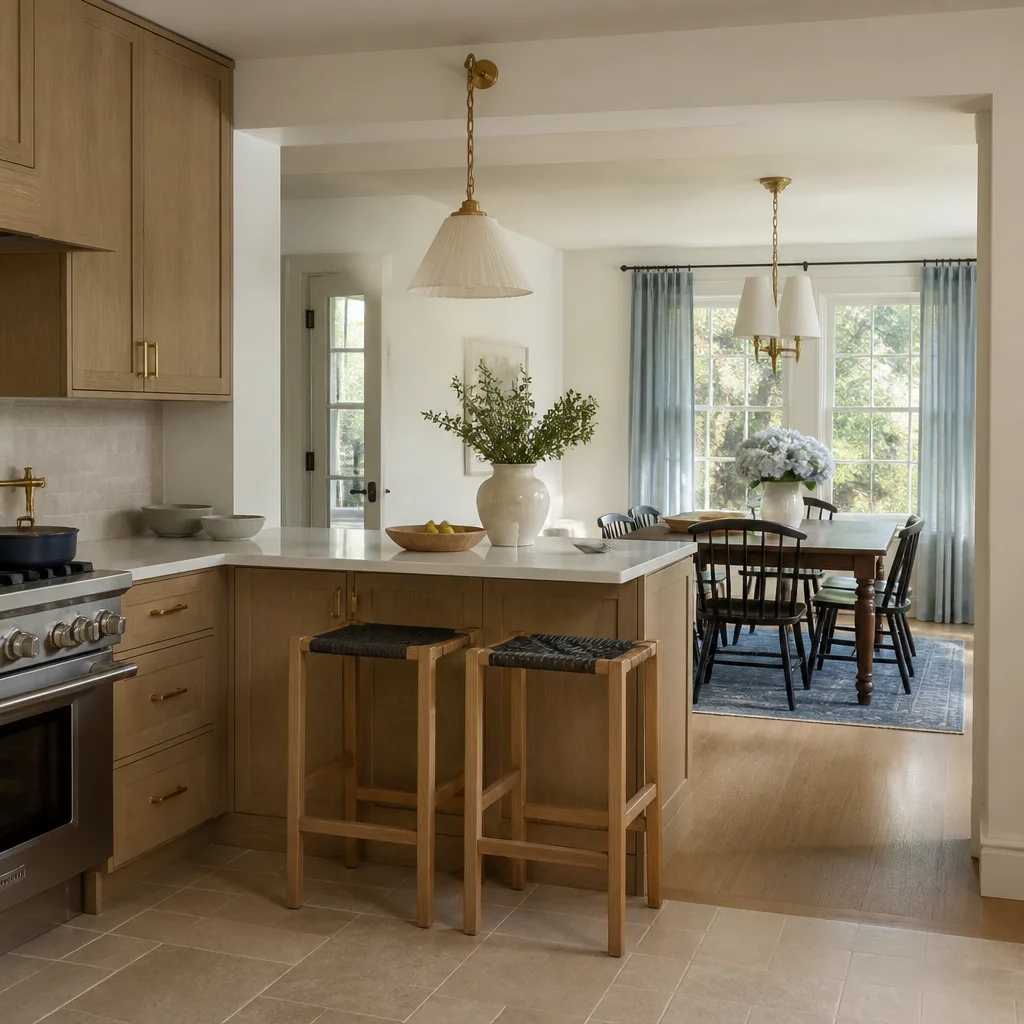
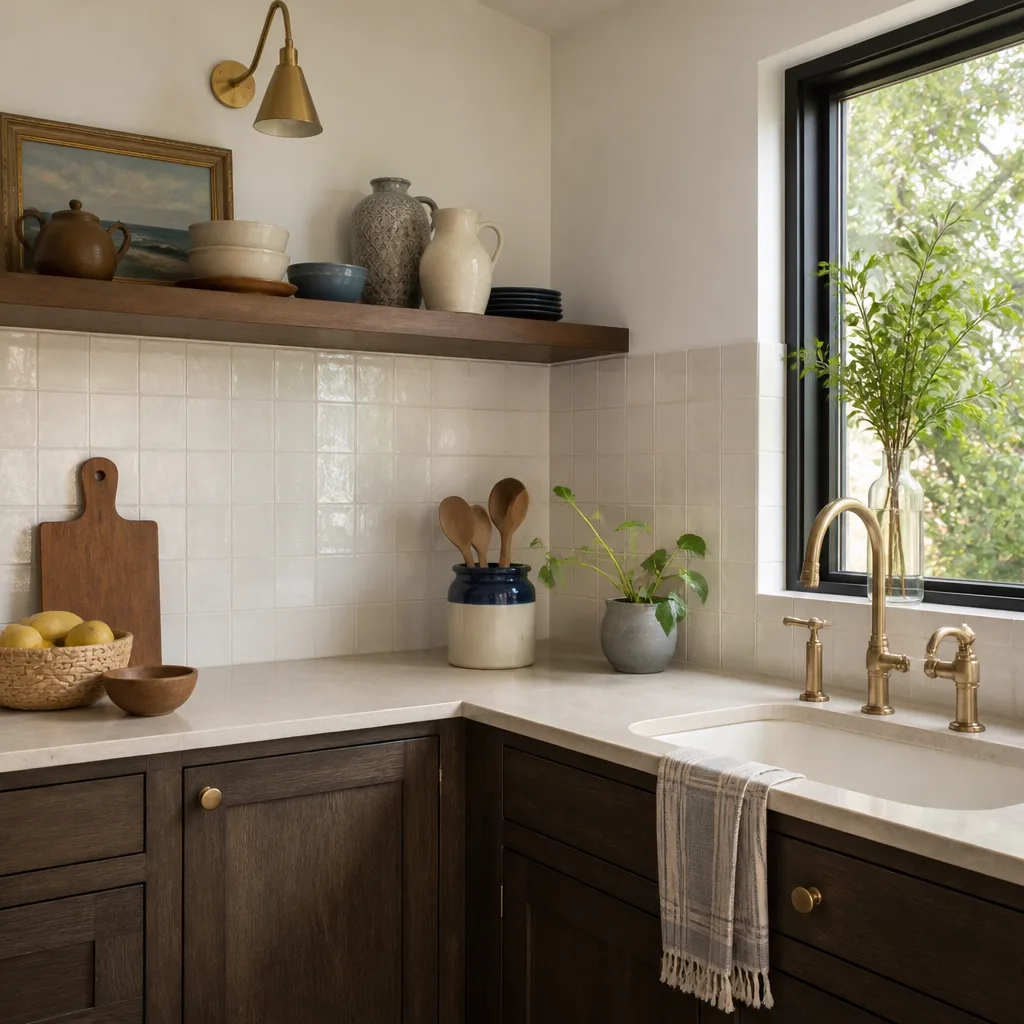
A kitchen remodel in Los Angeles takes 10 to 16 weeks on average. The construction phase runs 6 to 10 weeks. The difference between a kitchen and a bathroom is complexity: more trades, more material lead times, and more inspections.
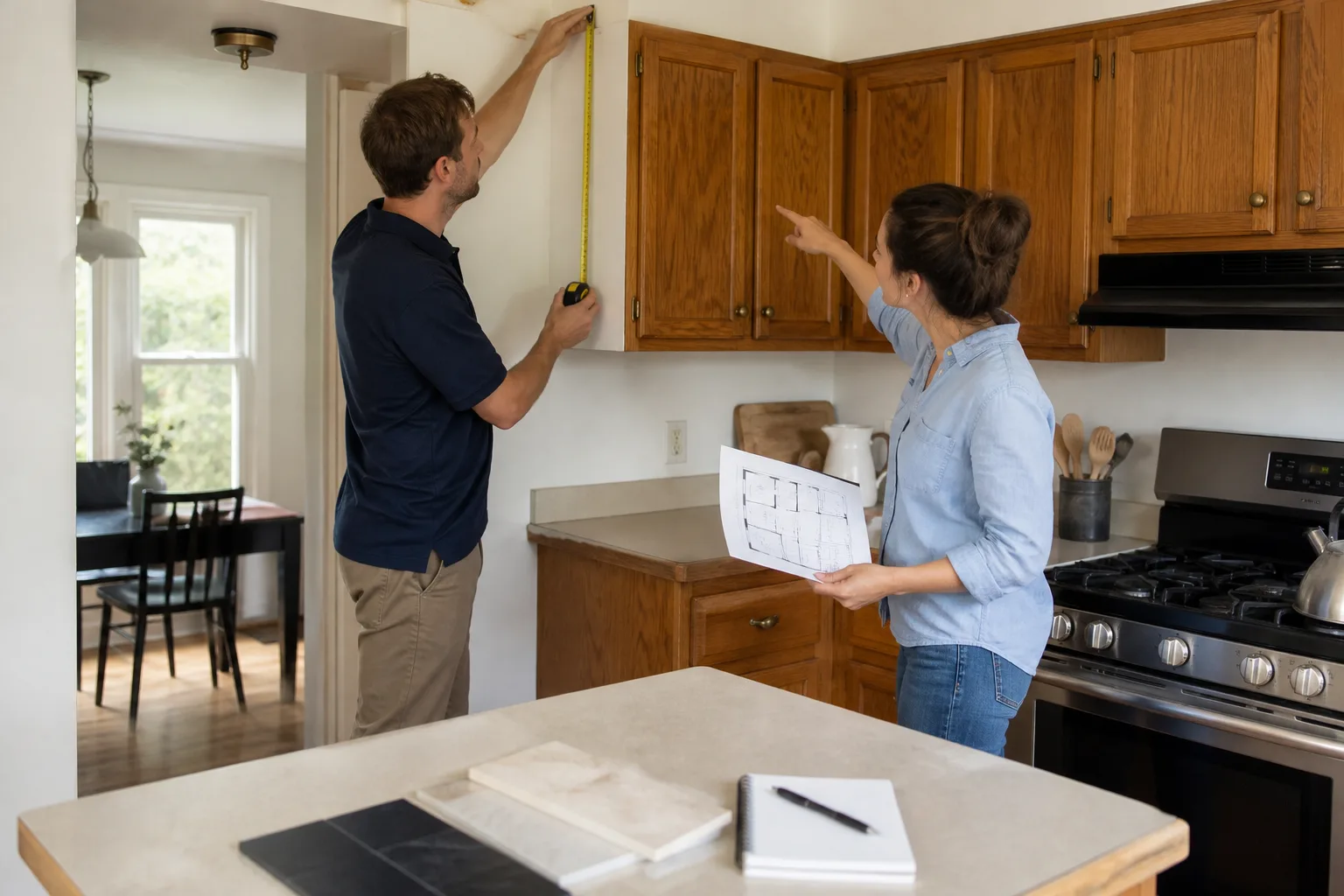
The critical path in a kitchen is cabinetry. KraftMaid and Wellborn cabinets are built to order and typically run 6 to 10 weeks from order to delivery. That lead time sets the entire project schedule. Smart contractors order cabinets the same week permits are submitted, so the cabinets and the permit arrive around the same time.
Here’s the typical Los Angeles kitchen timeline:
- Design and selections (1 to 3 weeks): You pick cabinet style, countertop material, fixtures, and finishes. Cambria and Caesarstone countertops get templated after the cabinets are installed, not before.
- Permit submission (1 to 2 weeks): Most kitchens need electrical and plumbing permits. Over-the-counter approval is common if you’re not moving walls.
- Demo and rough-in (1 to 2 weeks): Old kitchen comes out. Electricians run new circuits for the island outlet and under-cabinet lighting. Plumbers move the sink line if needed.
- Cabinet installation (3 to 5 days): This is the milestone every homeowner watches for. Once cabinets go in, the timeline firms up.
- Countertop templating and fabrication (1 to 3 weeks): The template is taken after cabinets are set, then the slab is cut at a local fabricator.
- Finishing, backsplash, and final inspection (2 to 3 weeks): Tile goes up, appliances get installed, and LADBS signs off.
If you want to see how this process applies to your situation, start with our General Contractor in Los Angeles page for a closer look at how we run projects.
How Long an ADU Takes from Permit to Completion
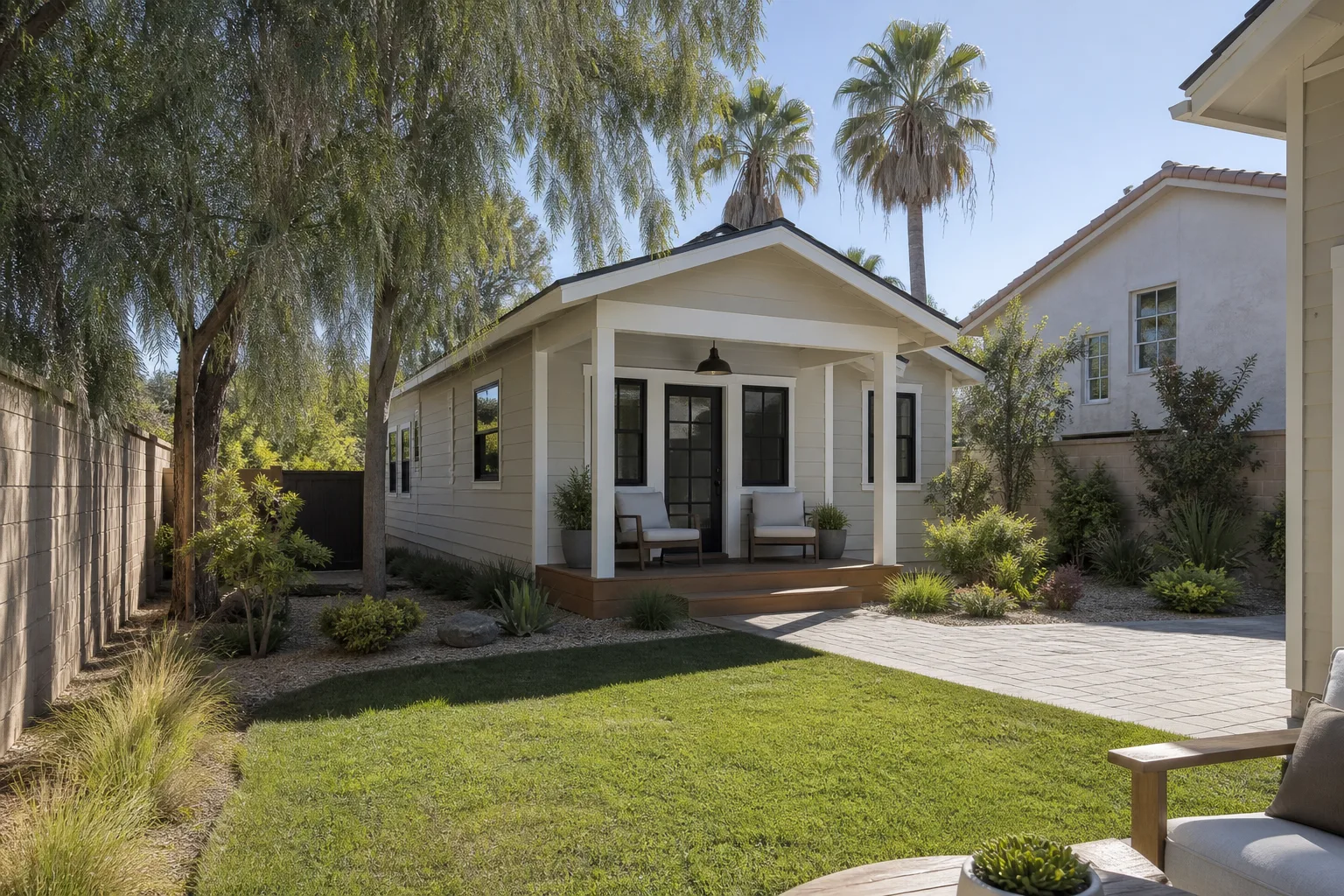
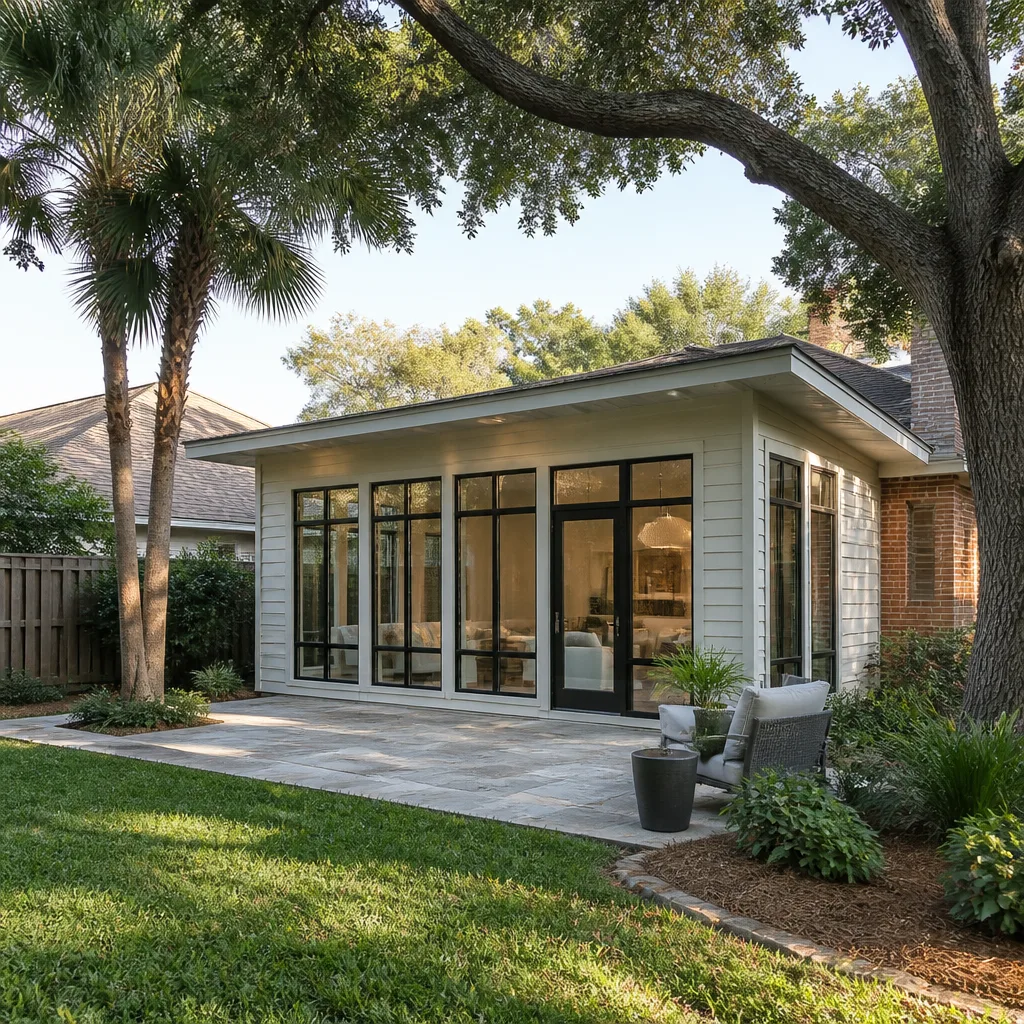
An ADU in Los Angeles takes 3 to 6 months from the start of design to move-in. If anyone quotes you faster, ask to see the permit number. ADUs require full plan check with LADBS, which currently runs 8 to 16 weeks before you get approval to build.
The timeline breakdown for a detached ADU:
- Design and site plan (3 to 6 weeks): The architect or designer drafts the floor plan, elevations, and site placement within LADBS setback rules.
- Structural engineering (2 to 4 weeks): Earthquake-rated design is mandatory in Los Angeles. Seismic calculations add time but also add real safety.
- LADBS plan check (8 to 16 weeks): This is the largest single chunk. First-pass comments, revisions, resubmission. Budget for the long end.
- Utility coordination (2 to 6 weeks): LADWP for power, SoCalGas for gas lines if you have a stove or water heater. Both utilities operate on their own schedules, not yours.
- Construction (10 to 16 weeks): Foundation, framing, roofing (GAF or Owens Corning materials are common), rough-in, finishes, and final inspection.
- Permitting and engineering (8 to 16 weeks): Full plan check for structural changes. Longer if you’re adding square footage.
- Demo and structural work (2 to 4 weeks): Interior stripped down. Foundation bolting and cripple wall bracing if required. Earthquake retrofitting is code for major renovations in Los Angeles.
- Rough-in systems (3 to 6 weeks): New plumbing, electrical, HVAC. This is where many older Los Angeles homes reveal surprises: cloth wiring, corroded galvanized pipes, insufficient amperage.
- Insulation and drywall (1 to 2 weeks): California Title 24 energy code adds inspection steps. The building envelope gets verified before drywall closes.
- Finishes (6 to 10 weeks): Cabinets, tile, flooring, paint, trim, fixtures. This is where the home starts looking like a home again.
- Final inspections and closeout (2 to 4 weeks): LADBS final sign-off, utility reconnection, and the walkthrough list.
- Look for the permit milestone. If the schedule starts with “Day 1: Demo” and never mentions permit pull or plan check, the timeline is incomplete. In Los Angeles, the schedule must include LADBS approval as a dated milestone.
- Check for trade overlap and gaps. Real schedules show gaps between trades: one to three days between electrical and drywall, a week between cabinet install and countertop template. Gaps mean the contractor is accounting for inspector availability and human reality.
- Identify the critical path. This is the longest sequence of dependent tasks. Usually it’s cabinets or permits. Ask: “What’s the critical path on this project?” If they can’t answer instantly, the schedule is a guess.
- Look for inspection points. LADBS requires inspections at specific milestones: rough-in, insulation, final. Each inspection adds a day or two for scheduling. If the schedule doesn’t show them, they’re not being counted.
- Ask about material lead times in writing. If you’re choosing custom cabinets or stone countertops, the contractor should confirm the current lead time with the supplier and write it on the schedule.
- Named milestones: Permit Issued, Demo Complete, Rough-In Inspection Passed, Drywall Complete, Cabinet Install Complete, Final Inspection Passed.
- A date for each milestone: Written as a range when the work depends on LADBS or utility scheduling. “Cabinet Install: Weeks 10 to 12” is honest. “Cabinet Install: Week 11” is a guess.
- A slip clause: What happens if a milestone is missed? Who gets notified, and how? A requirement to notify the homeowner in writing within 48 hours of a known delay is reasonable.
- Change order trigger: If a material is backordered, the contractor must present options and a written price adjustment before proceeding.
- Final inspection as a named event: The project isn’t done until LADBS signs off. The contract should say that explicitly.
The frustrating truth about ADUs in Los Angeles is that utility coordination adds time that almost no contractor pre-communicates. A gas line extension from SoCalGas can take 6 weeks on its own. LADWP panel upgrades, if your electric service is insufficient, can add a month. A good general contractor tells you this before you sign, not after demo day.
How Long a Full Home Renovation Takes in Los Angeles
A full home renovation in Los Angeles takes 6 to 12 months. That’s the honest range, and it’s wider than most national guides suggest because of Los Angeles-specific factors: LADBS inspection backlogs, licensed subcontractor availability in a high-demand market, and material lead times for earthquake-rated products.
A full home renovation typically includes kitchen, bathrooms, flooring, electrical, plumbing, and often exterior work. The sequence matters. Here’s the order a well-run project follows:
For a deeper look at how full renovations come together, see our Home Renovation in Los Angeles page.
How to Read a General Contractor’s Project Schedule
A schedule is either honest or it’s decoration. The difference shows up in one place: buffer time. If a contractor hands you a schedule with every trade back-to-back and zero gaps, you’re looking at an optimistic timeline, not a real one.
Here’s how to evaluate a project schedule in under five minutes:
A schedule that reads like a straight line is a sales document. A schedule with squiggles, buffers, and named milestones is a working plan. We build schedules the second way.
The Written Schedule Milestone Clause: What It Should Look Like
Most remodel contracts in Los Angeles include a start date and a vague “substantial completion” date. That’s not accountability. A milestone clause breaks the project into named stages, each with a date and a payment trigger. If a milestone slips, you know exactly where and why.
Here’s what a strong milestone clause includes:
Under The Relay Visibility Guarantee, every project includes a written price before work starts and a schedule with named milestones. You get photo updates before and after each major stage, so the schedule is not a promise you wonder about. It’s a document you can check against.
Hidden Delays: Weather, HOAs, and Utility Coordination
Los Angeles weather is mild, which is exactly why contractors forget to mention it. Rain in January and February shuts down exterior work: roofing, stucco, exterior paint, deck work. Two weeks of rain translates to a two-week slip on an exterior schedule. Nobody gets rained out on a bathroom remodel, but a whole-home renovation with exterior scope will feel it.
HOA approval is another silent delay. If you live in a condo, townhome, or gated community, your HOA likely requires architectural review before work begins. In Los Angeles, HOA review boards commonly take 2 to 6 weeks to approve remodel plans. Some meet monthly. If your contractor doesn’t ask about HOA requirements in the first conversation, the schedule they gave you doesn’t include this step.
Utility coordination rounds out the trio of hidden delays. LADWP handles power. SoCalGas handles gas. Both operate on their own scheduling systems and neither cares about your timeline. Panel upgrades can take 2 to 4 weeks for LADWP approval and scheduling. Gas meter relocations or new service lines can take 4 to 8 weeks with SoCalGas. These are real weeks, and they happen during the project, not before it.
Our advice: ask your contractor directly. “What’s the LADWP situation on this project? Do we need SoCalGas involved? Does the HOA need to approve anything?” If you get a blank look, keep interviewing.
Common Mistakes to Avoid
- Signing a contract without a permit plan. In Los Angeles, unpermitted work catches up with you at resale. Make sure the permit strategy is spelled out in writing before you sign.
- Assuming “start date” means demo day. Start date usually means when the contractor allocates your project to their schedule. Demo day is weeks later. Ask for both dates.
- Selecting fixtures after demo. Custom cabinets, stone slabs, and specialty fixtures have lead times. Lock your selections before construction starts, or you’ll wait mid-project with the walls open.
- Ignoring the inspection schedule. Every LADBS inspection adds a scheduling variable. If your contractor says inspections are “no big deal,” they’ve never sat on a permit hold in Los Angeles.
- Taking the lowest bid without comparing schedules. A bid that’s 15% lower often comes with a schedule that’s 30% longer or includes no buffer at all. Compare timelines alongside prices.
- Not asking about utilities. LADWP and SoCalGas delays are real and common. Make sure the contractor flags utility coordination before you start, not as a surprise at week six.
See the difference
 Before
 After
After Before
 After
After Before
 After
AfterWhen to Call a Professional
If your remodel involves structural changes, new plumbing or electrical runs, load-bearing wall removal, or any work that requires LADBS plan check, call a licensed general contractor. The permit process in Los Angeles is not designed for DIY navigation, and the risk of doing it wrong compounds at inspection time.
Even for cosmetic work, a general contractor with established subcontractor relationships moves faster than a homeowner trying to coordinate trades directly. The contractor knows which inspectors work which offices, which suppliers actually have stock, and which permits need what documentation. Sawyer Remodeling offers free estimates in Los Angeles. Call (254) 272-5876 and get a written price before any work starts.
Frequently Asked Questions
A bathroom remodel in Los Angeles typically takes 6 to 12 weeks total, including permit processing and inspections. The construction phase alone runs 3 to 6 weeks for a standard gut-and-replace bathroom. Call (254) 272-5876 for an exact quote on your project.
Los Angeles remodels take longer because of LADBS permit backlogs, high demand for licensed subcontractors, and California-specific building codes that add inspection steps. Utility coordination with LADWP and SoCalGas also adds weeks that contractors in other markets don’t face.
LADBS over-the-counter permit approvals currently average 2 to 4 weeks. Plan-check projects, including ADUs and structural renovations, run 8 to 16 weeks. These timelines shift based on LADBS workload and project complexity.
Sometimes, but only if the contractor orders cabinets and materials before permits clear. In Los Angeles, a kitchen remodel realistically takes 10 to 16 weeks. Contractors who promise faster usually skip permitting or leave buffer time out of the schedule.
A remodel contract should include named milestones with dated ranges, a written slip clause for delays, and final inspection as a named completion event. If your contract only has a start date and a vague completion date, the timeline is not enforceable.
In Los Angeles, a mid-range remodel typically runs $400 to $800 per square foot. Bathroom remodels average $25,000 to $60,000, kitchens $60,000 to $150,000, and ADUs $200,000 to $400,000. Call (254) 272-5876 for a written line-item estimate, free of charge.
The Bottom Line
How long does a general contractor take? In Los Angeles, the honest answer is: 6 to 12 weeks for a bathroom, 10 to 16 weeks for a kitchen, 3 to 6 months for an ADU, and 6 to 12 months for a whole-home renovation, all including permit time. The permit phase is the part most contractors leave out of the conversation. For more guides & resources, visit our blog.
The contractor you choose should tell you about LADBS timelines, utility coordination, and material lead times before you sign, not after. A written schedule with named milestones is the difference between a guess and a plan. If you want a remodel run under The Relay Standard, with live arrival times, photo updates, and a written price before work starts, visit the Sawyer Remodeling home page or call us directly.
Written by Luca Romano, Owner at Sawyer Remodeling, serving Los Angeles since 2005.