Last updated October 9, 2026


Free written scope consultation - allowances, timeline, and change-order rules on paper before a single trade is scheduled
How Long Does Home Renovation Take? Timelines and What to Expect
Here’s something most homeowners in Los Angeles don’t realize until they’re standing in a gutted kitchen: a kitchen remodel and a bathroom remodel happening at the same time don’t take twice as long. They often take three times as long, because the trades can’t be in both rooms at once. A plumber roughing in the bathroom supply lines is the same plumber who needs to run the gas line for your new range. Until he finishes room one, room two sits. This guide will show you exactly why that happens, how to read a real construction schedule, and what honest timeline numbers look like in the Los Angeles market, where permits, material lead times, and the sheer density of the city all shape how fast work actually moves.
Styles & brands we work with

Quick Answer
A kitchen remodel in Los Angeles typically takes 8 to 14 weeks from demolition to final inspection. A bathroom runs 4 to 8 weeks. A whole-home renovation of a 2,000-square-foot house generally spans 5 to 9 months. Add 4 to 10 weeks of lead time before any tool is picked up if you’re ordering custom cabinets, specialty tile, or appliances. The single biggest variable isn’t square footage. It’s sequencing.
Table of Contents
- Why Renovation Timelines Are a Chain, Not a Parallel Process
- Honest Timeline Ranges by Project Type
- Material Lead Times: The Pre-Construction Phase Nobody Budgets For
- Can You Live in the House During a Renovation? A Room-by-Room Look
- What a Real Project Schedule Document Looks Like
- Los Angeles-Specific Factors That Affect Your Timeline
- The Hidden Gaps: Inspections, Corrections, and the Gap Between Trades
- Common Mistakes to Avoid
- When to Call a Professional
- Frequently Asked Questions
- The Bottom Line
Why Renovation Timelines Are a Chain, Not a Parallel Process
Most homeowners think of a renovation as a set of tasks that can happen at the same time. That’s not how construction works. Remodeling is a chain. Each link depends on the link before it, and until that link is finished and inspected, the next one cannot start. The typical sequence for a kitchen or full-home renovation looks like this:
- Demolition – removal of old cabinets, flooring, drywall, and fixtures. Days 1-3.
- Rough plumbing – moving or adding supply lines, drains, and gas lines. Days 3-7.
- Rough electrical – new circuits, outlets, lighting boxes, and panel work. Days 5-10.
- Rough inspection – the city checks the work before it gets covered. Day 10-14.
- Insulation and drywall – closing up the walls. Days 14-20.
- Drywall finishing – taping, mudding, sanding. This alone takes 3-5 days because the mud has to dry between coats. Days 20-25.
- Tile and flooring – setting tile, grouting, and allowing cure time. Days 25-35.
- Cabinets – installation after floors are in. Days 35-40.
- Countertops – measured after cabinets are set, fabricated off-site, then installed. Days 40-50.
- Fixtures and finish electrical – faucets, outlets, lighting, appliances. Days 50-55.
- Final inspection – the city signs off. Days 55-60.
Read that list again and notice how little overlap exists. You can’t set tile before drywall is sanded. You can’t measure for countertops until cabinets are installed. You can’t install cabinets until the floor is finished. In Los Angeles, where permits from LADBS move at their own pace, each inspection is a day you cannot control. A contractor who doesn’t build inspection wait time into the schedule is building a schedule that will slip.
Honest Timeline Ranges by Project Type
Here are the numbers as we’ve seen them repeatedly in Los Angeles, not the best-case marketing figures. Every range assumes permits are already approved and materials are on-site before week one. If you’re still picking tile the week before demo, add time.
Bathroom Remodel
- Guest bath with no layout change: 3 to 5 weeks.
- Primary bath with layout changes: 5 to 8 weeks.
- Primary bath with structural work or moving plumbing stacks: 8 to 12 weeks.
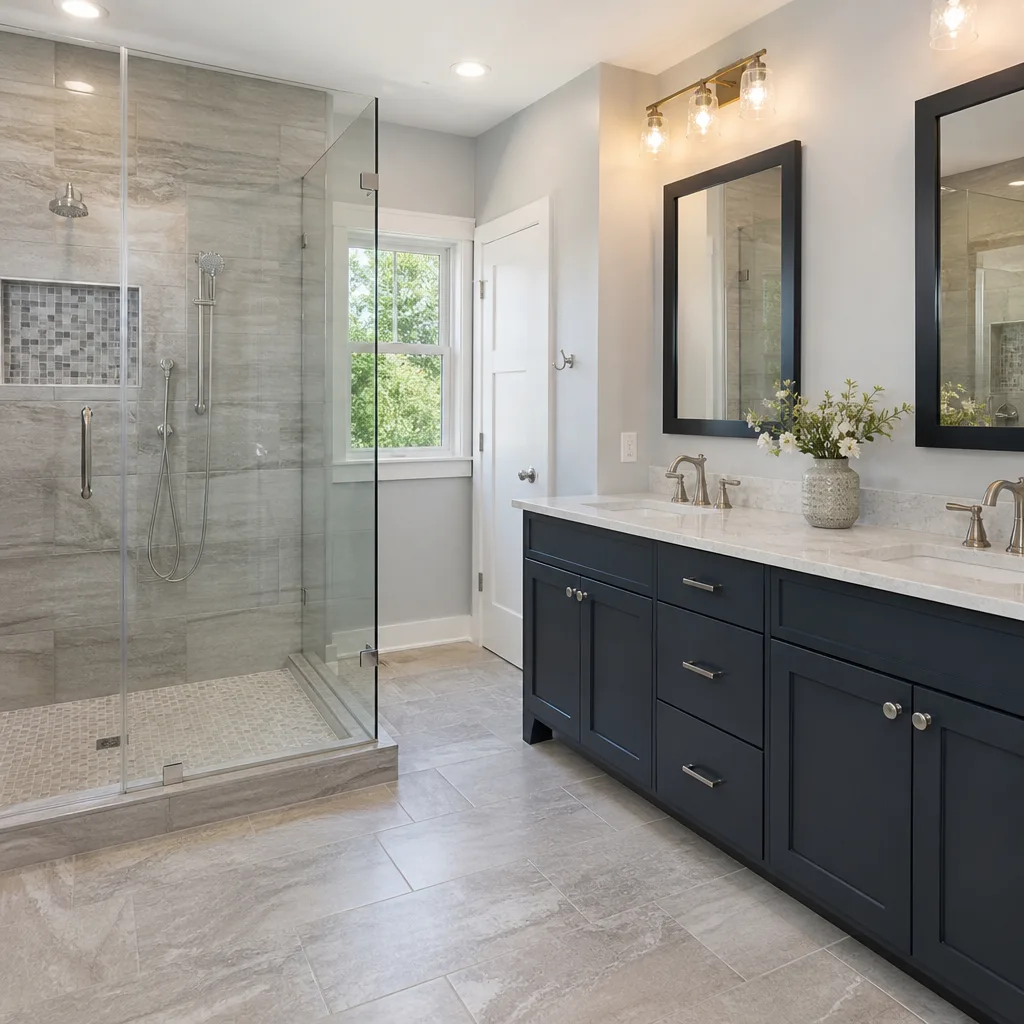
A standard bathroom in an older Los Angeles home, especially anything built before 1980, often hides cast-iron pipes that are corroded at the flange. We budget a full day just for the unknown inside those walls. A bathroom with quality fixtures from brands like Toto or Sterling won’t add time, but custom tile layouts and Schluter waterproofing systems will add days because the waterproofing membrane has to cure before tile goes down. That’s not a corner you want cut.
Kitchen Remodel
- Cosmetic update (new counters, sink, fixtures, paint): 2 to 4 weeks.
- Full kitchen remodel with layout changes: 8 to 14 weeks.
- Full kitchen with structural wall removal: 12 to 20 weeks.
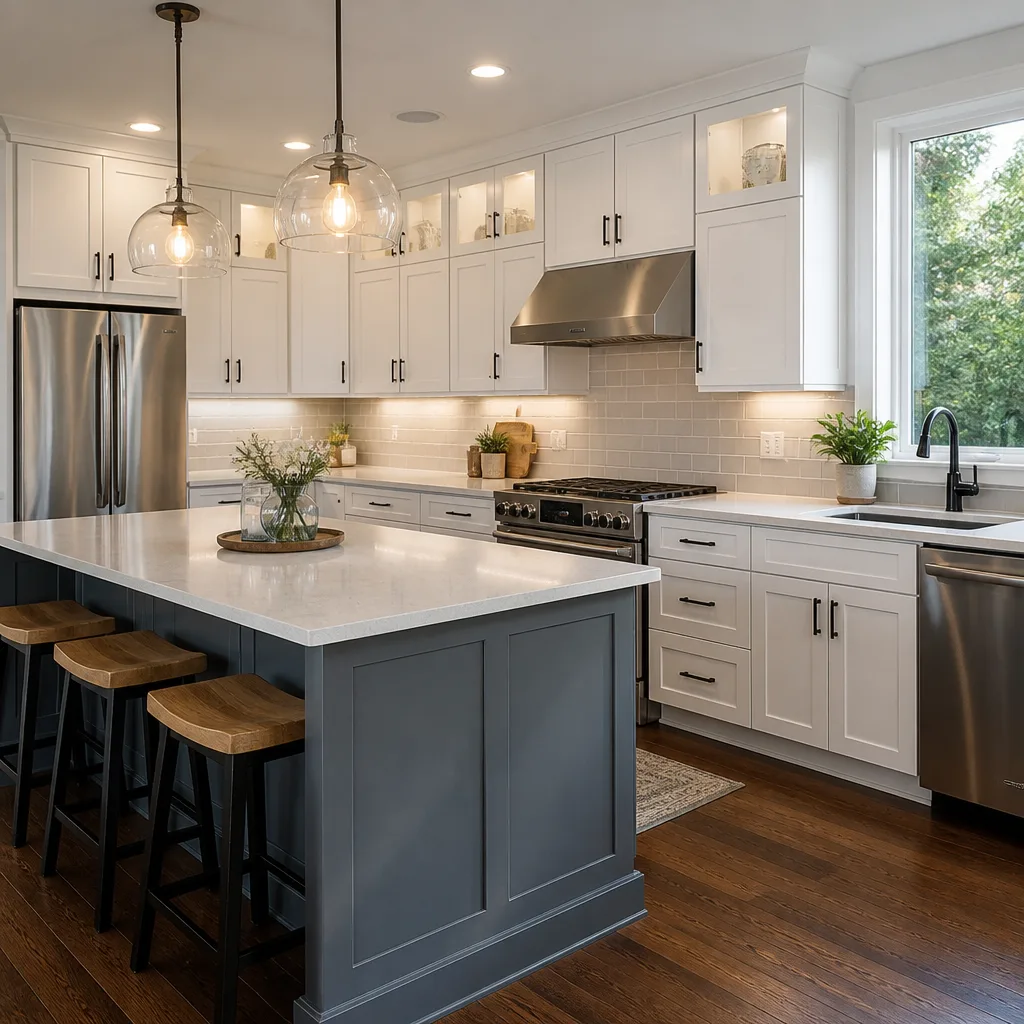
Kitchens run longer than bathrooms because they have more trades: gas, plumbing, electrical, tile, cabinetry, counter fabrication, and appliance installation. Los Angeles kitchens also have to meet Title 24 energy requirements, which can add a day or two of inspection-specific work. Custom cabinetry from KraftMaid or other suppliers is fabricated off-site and won’t arrive until the walls are closed, so any delay upstream pushes cabinets, and cabinets push countertops, and countertops push appliances. It’s a chain.
Home Addition
- Bedroom or office addition (300-500 sq ft): 4 to 6 months.
- Primary suite addition with bathroom: 5 to 8 months.
- Second-story addition: 7 to 12 months.
Additions in Los Angeles require foundation work, framing, roofing, and a separate structural inspection schedule from the city. The planning and permit phase alone can take 2 to 4 months before demolition starts, depending on your neighborhood and whether the project trips any specific plan review triggers.
Whole-Home Renovation
- 2,000-2,500 sq ft, full interior remodel: 5 to 8 months.
- Full interior plus roof and siding: 7 to 10 months.
- Full interior plus addition: 9 to 14 months.
A whole-home renovation doesn’t flow room by room. It flows system by system: all plumbing at once, all electrical at once, all drywall at once. That’s more efficient per trade but means the whole house is unlivable for a longer contiguous stretch. We’ve written about this in detail on our home renovation guide for Los Angeles homeowners, and the core truth holds: you can’t live in a house with no drywall on any wall.
Material Lead Times: The Pre-Construction Phase Nobody Budgets For
Nothing delays a remodel faster than waiting for materials that were ordered too late. In 2024 and 2025, the supply chain has improved from the pandemic worst, but specific categories still run long. Here’s what we currently see for Los Angeles projects:
- Custom cabinetry: 6 to 12 weeks from final measure to delivery. You measure after the walls are closed, which means the clock starts mid-project unless you’re doing a same-footprint refresh.
- Appliances: 4 to 16 weeks depending on brand and model. High-end ranges from certain manufacturers still run 12 to 16 weeks.
- Specialty tile: 2 to 6 weeks. Big-box stock tile is days away. Handmade or imported tile is not.
- Countertops: 1 to 3 weeks for fabrication after templating. Cambria, Caesarstone, and similar quartz brands run 1 to 2 weeks in the Los Angeles market; natural stone from specific quarries can stretch longer.
- Windows and exterior doors: 6 to 14 weeks. Custom sizes and specific brands stretch the longest.
The takeaway: order your materials before demo starts. A contractor who runs a real schedule will have you picking tile, cabinets, and fixtures in week one of the project, not week six. If you’re still deciding on a backsplash while the drywall dust is settling, you’ve already added a week. Our process at Sawyer Remodeling includes a material selection deadline built into the written schedule. The price is in writing before work starts, and the dates are in writing too.
Can You Live in the House During a Renovation? A Room-by-Room Look
The answer isn’t yes or no. It’s which room and what phase. Here’s the honest breakdown for a Los Angeles homeowner deciding whether to stay or find a rental.
- Kitchen remodel – you can stay. Set up a temporary kitchen in the garage or a spare room. Microwave, induction burner, mini fridge, and a folding table. You’ll lose the kitchen for 8 to 14 weeks, but you keep your bedroom and bathroom. Most families can grind through it.
- Bathroom remodel – you can stay if you have a second bath. If you only have one bathroom, a 3-week guest bath remodel becomes unlivable. A bathroom remodel in Los Angeles means the toilet is disconnected on demo day. Plan accordingly.
- Whole-home renovation – you cannot stay. No plumbing, no electrical, no drywall, and often no kitchen. The house is a construction site, not a home. Budget for 3 to 6 months of alternate housing.
- Addition – you can stay, with caveats. The existing house stays functional while the addition goes up, but there will be noise, dust, and a shared wall being opened at some point. If the addition connects to the main house, expect a week or two where the HVAC is disrupted.
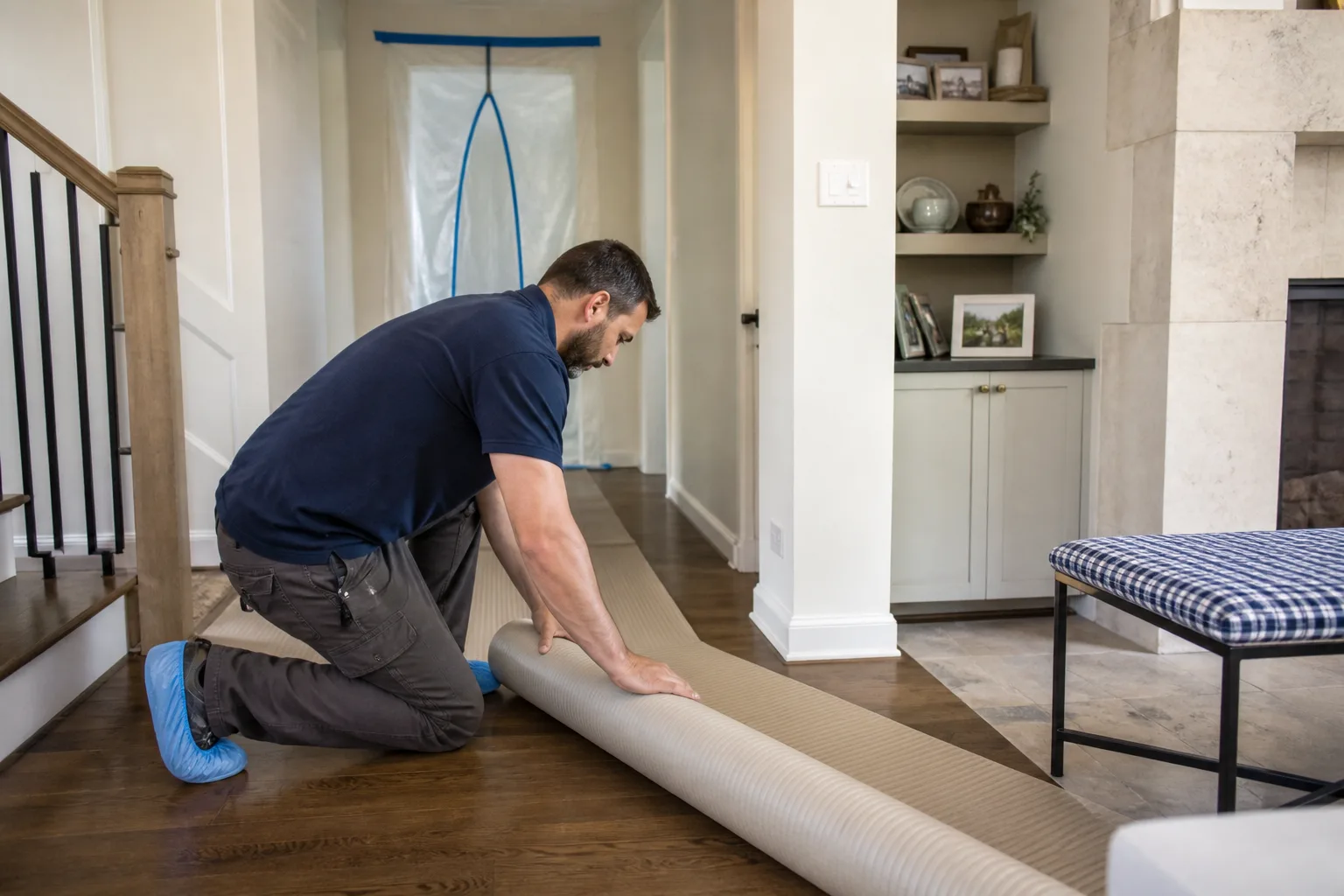
One thing that surprises Los Angeles homeowners: the dust. Drywall sanding in one room coats the entire house in a fine white film. Even with zip walls and negative air pressure, you’ll find dust in rooms you thought were sealed. Budget for a deep clean after the project closes regardless of how careful the crew is.
What a Real Project Schedule Document Looks Like
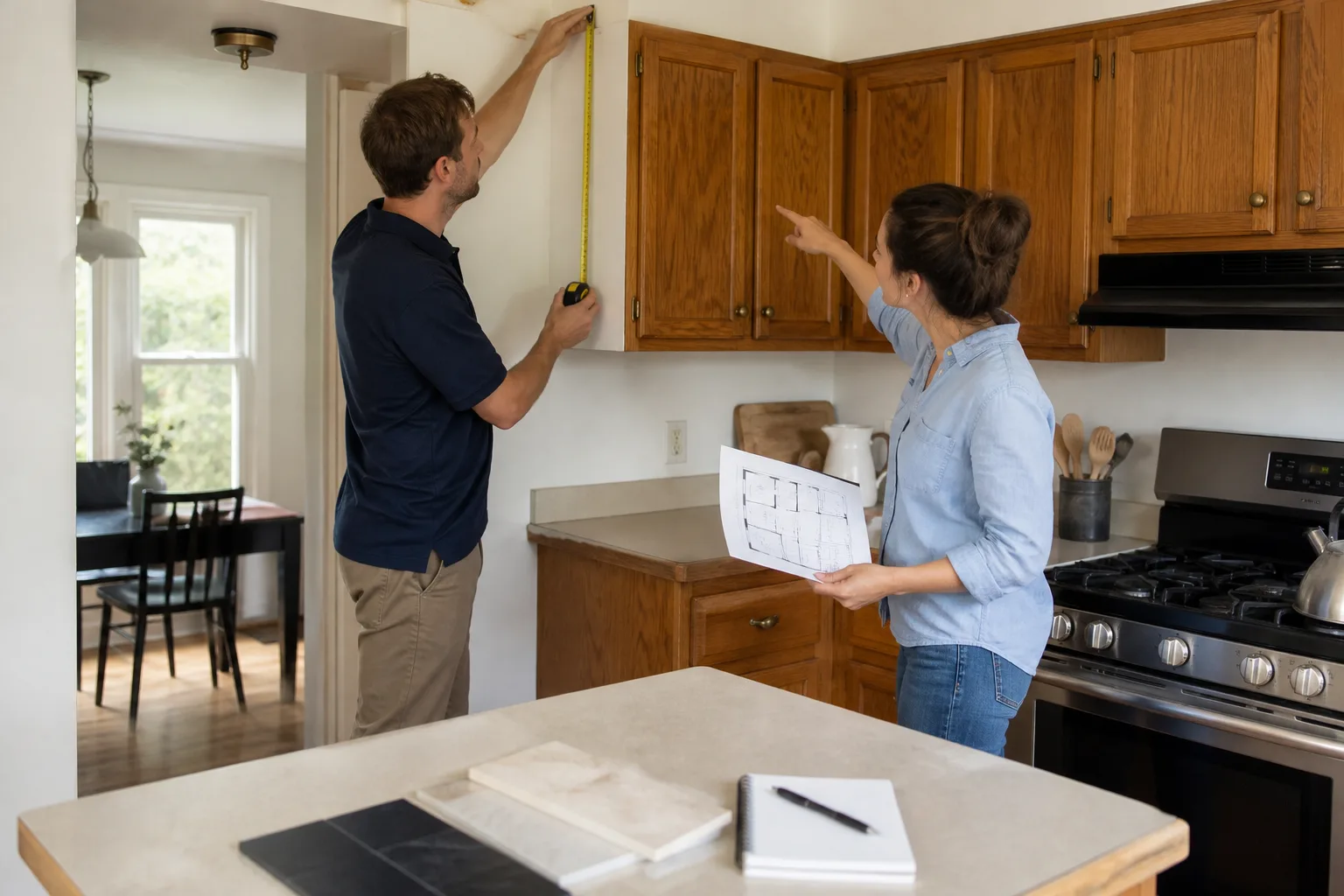
Every renovation should come with a written schedule. Not a verbal promise. Not a text message saying “we’ll be there next week.” A document, in writing, with dates, dependencies, and the name of who is responsible for each phase. If your contractor doesn’t provide one, you’re not hiring a contractor. You’re hiring a sequence of surprises.
A legitimate schedule document includes:
- Start date and projected end date with a clear note that end dates can shift based on inspection scheduling and material delays.
- Phase-by-phase breakdown listing demo, rough plumbing, rough electrical, insulation, drywall, tile, cabinets, countertops, fixtures, and final inspection, each with a start and end window.
- Material ordering deadlines for every client-selected item: cabinets, tile, countertops, appliances, fixtures, flooring.
- Inspection dates with the specific city agency named. In Los Angeles, that’s LADBS for most work.
- Payment schedule tied to milestones, not dates. You pay when the rough inspection passes, not when the calendar says day 15.
- Change order process described in writing: how a change is priced, how it’s approved, and how it affects the end date.
- Weekly update cadence. If the contractor can’t commit to a weekly update with photos, ask why.
This is what The Relay Visibility Guarantee means in practice. A live arrival time before every visit. Photo updates before and after every phase. A written price before a single tool is picked up. The schedule is part of the price. If the schedule slips, you know why, in writing, with a revised date attached.
Los Angeles-Specific Factors That Affect Your Timeline
Renovating in Los Angeles is not the same as renovating in Phoenix or Dallas. The city shapes the schedule in ways that outsiders don’t always see. Here’s what we tell every client before week one:
- Permit wait times. LADBS processing times vary by project type and district office. Simple bathroom remodels might clear in 2 to 4 weeks. Additions and structural work can take 2 to 4 months. Every inspection day is a day the job stops.
- Older housing stock. A huge share of Los Angeles homes were built between 1920 and 1970. That means galvanized plumbing, cloth-wrapped wiring, and framing that doesn’t always match modern code. Opening a wall in a 1940s bungalow in Silver Lake or a 1960s ranch in the Valley frequently reveals surprises that add days or weeks.
- Soft-story and seismic retrofitting. If your renovation triggers structural review, Los Angeles has specific seismic requirements that don’t exist in most of the country. This is not a corner to cut. The city will check.
- Density and parking. In neighborhoods like Koreatown, West Hollywood, or beach cities, getting a dumpster, material delivery, and crew parking all require planning. We coordinate dumpster permits and parking arrangements before the job starts so the schedule doesn’t stall on logistics.
- Title 24 energy compliance. Every permitted remodel in California has to meet current energy standards, which affects insulation, windows, lighting, and sometimes HVAC. It’s a line item in the schedule, and it’s non-negotiable.
The Hidden Gaps: Inspections, Corrections, and the Gap Between Trades
Here’s the part that never shows up in a contractor’s marketing materials. The gaps. A renovation schedule is not a conveyor belt where work flows continuously. It’s a series of bursts of activity separated by waiting periods.
- The rough inspection gap. After rough plumbing and rough electrical are done, the city has to inspect before insulation and drywall go up. That inspection gets scheduled days in advance. If it fails, you reschedule. In Los Angeles, a failed rough inspection can add a week.
- The drywall cure gap. Drywall mud has to dry between coats. In humid summer months, even in Los Angeles, that drying takes longer. There is no way to rush it without a cracked finish.
- The tile cure gap. Tile needs time to set before grout. Grout needs time to cure before it gets sealed. Walking on it too early ruins the job.
- The countertop fabrication gap. After cabinets are installed, a templator comes out to measure. The stone is fabricated off-site. Then it gets installed. That’s a one to three week gap where the kitchen looks almost done but you can’t use it.
- The fixture gap. Appliances and fixtures arrive when they arrive. If your range is backordered, the kitchen sits at 95% for weeks.
A good contractor builds these gaps into the schedule from day one. They don’t pretend the job runs straight through. They tell you week six has a five-day wait for countertop fabrication, and they schedule other work around it if they can. The contractors who finish on time are the ones who build the inspection and material lead-time gaps into the schedule before week one, not as surprises in week six.
Common Mistakes to Avoid
- Choosing materials after demolition starts. Every day you spend deciding on tile after the walls are open is a day added to the end date. Make selections before week one.
- Paying a big deposit with no written schedule. A deposit without a schedule is a blank check. Get the milestones, dates, and payment terms in writing before you sign anything.
- Ignoring the permit process. Unpermitted work in Los Angeles comes back to haunt you when you sell. The city keeps records. Pull the permits.
- Assuming the contractor manages everything by default. Ask who orders materials, who schedules inspections, and who communicates delays. If there’s no single point of contact, you become the general contractor by default.
- Changing scope mid-project without pricing the change. “While you’re here, can you also…” adds cost and time. Every change should be priced in writing before the work happens.
- Budgeting no contingency for surprises. In older Los Angeles homes, an opened wall will reveal something. Budget 10 to 15% of the project cost for conditions you can’t see until demo.
- Hiring on speed alone. The fastest quote is often the one that hasn’t thought through the schedule. A written schedule and a realistic end date beat a vague promise to start tomorrow.
When to Call a Professional
Some projects you can phase and manage with a handyman. Full kitchens, bathrooms with plumbing changes, additions, and whole-home renovations are not those projects. If the work involves moving plumbing, opening walls, touching electrical panels, or any structural change, a licensed general contractor is the only safe path. In Los Angeles, the combination of older housing stock, seismic requirements, and LADBS inspection rigor means DIY structural or systems work often fails inspection and costs more to fix than it would have cost to do right the first time. Sawyer Remodeling offers free estimates for general contractor work in Los Angeles. Call (254) 272-5876 and we’ll walk your project with you and give you a written price before any work starts.
Frequently Asked Questions
A full interior renovation of a 2,000 to 2,500 square foot home in Los Angeles typically takes 5 to 9 months from permit approval to final inspection. The range depends on structural work, material lead times, inspection scheduling, and the number of systems being replaced. Call (254) 272-5876 for an exact timeline based on your project scope. Estimates are free.
A guest bathroom with no layout changes is the fastest room to remodel, typically 3 to 5 weeks. The plumbing stays where it is, the fixtures are swapped, and the finish work moves quickly without structural changes. A cosmetic kitchen update, meaning new counters and fixtures without moving walls or gas lines, runs 2 to 4 weeks.
A bathroom remodel in Los Angeles generally runs $15,000 to $45,000. A kitchen remodel runs $40,000 to $100,000. A whole-home renovation of 2,000 square feet typically starts around $200,000 and goes up from there depending on finishes and structural work. These are honest ranges, not best-case pricing. A written estimate from a contractor who has walked your home is the only way to get a real number. Call (254) 272-5876 to schedule a free estimate.
A written fixed price with a change-order process means the number you approved is the number you pay unless you change the scope. Surprises behind the walls, like corroded plumbing or non-code framing, get priced as written change orders before any extra work happens. If a contractor can’t commit to that, that’s a red flag. Every project we run carries a written price before work starts, no exceptions.
Yes. Any reputable general contractor in Los Angeles pulls the permits on your behalf from LADBS, and the permit costs are itemized in your written estimate. We schedule all inspections and coordinate with the city throughout the project. The final inspection getting signed off is part of the job, not an add-on.
Custom cabinetry, including lines from KraftMaid and similar manufacturers, typically runs 6 to 12 weeks from final measure to delivery in the Los Angeles market. The measurement happens after the walls are closed, which means the cabinet clock starts mid-project. Ordering early and locking selections before demolition prevents the single most common schedule delay we see.
The Bottom Line
Home renovation timelines are governed by a chain of dependent steps, not by square footage or good intentions. A kitchen runs 8 to 14 weeks. A bathroom runs 4 to 8 weeks. A whole home runs 5 to 9 months. Material lead times add 4 to 10 weeks before demolition even starts, and Los Angeles adds its own layer of permits, seismic requirements, and older housing stock surprises. The contractors who finish on time are the ones who plan the gaps, order materials early, and put every date in writing. If you’re planning a renovation and want a schedule you can actually trust, call (254) 272-5876. We’ll give you a written price and a written schedule before a single tool is picked up.
Written by Luca Romano, Owner at Sawyer Remodeling, serving Los Angeles since 2005.
See the difference
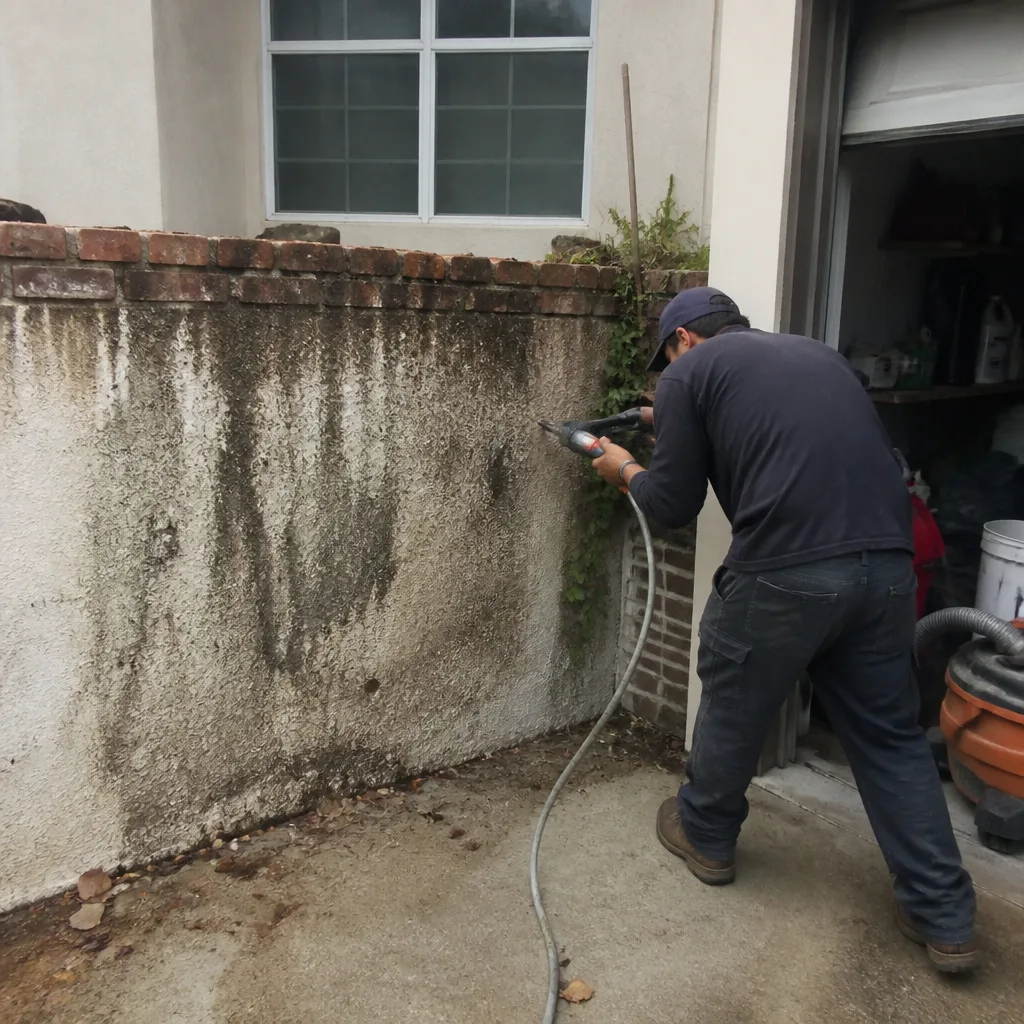 Before
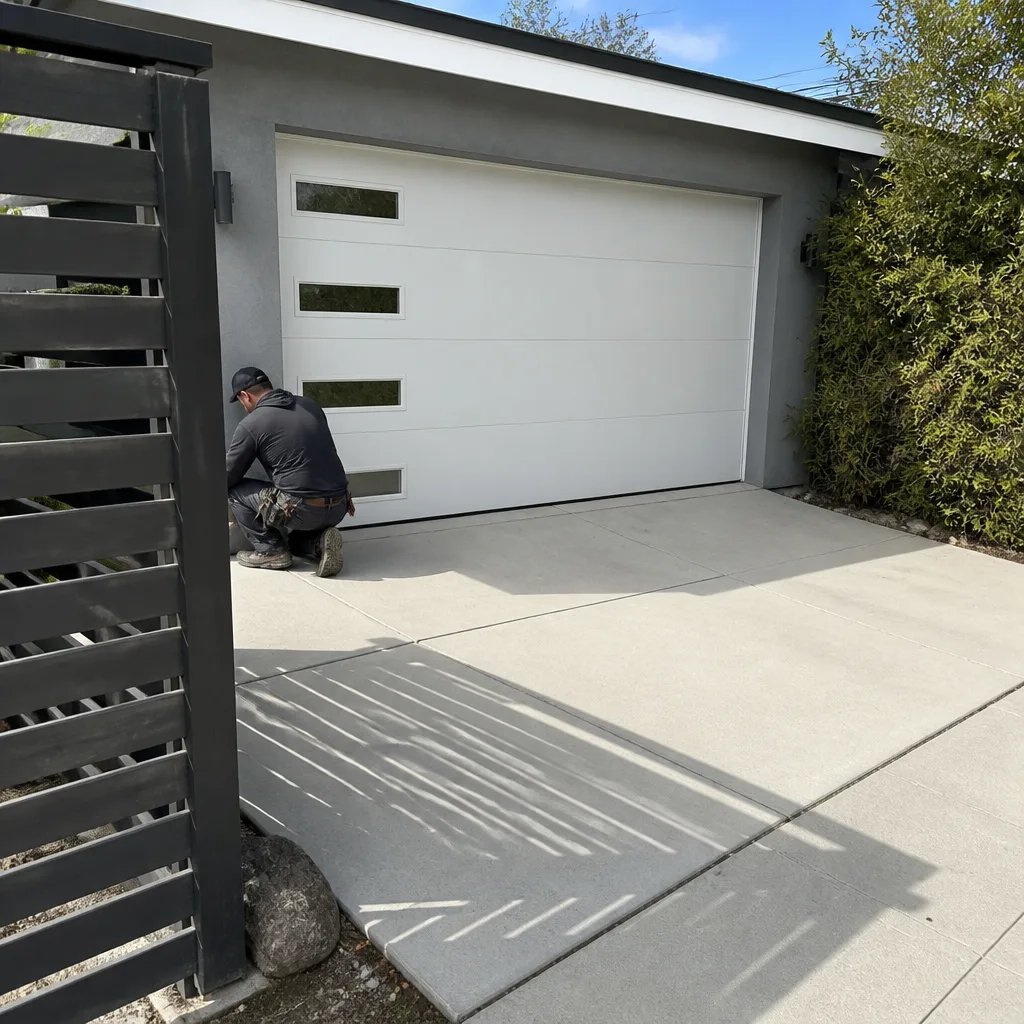
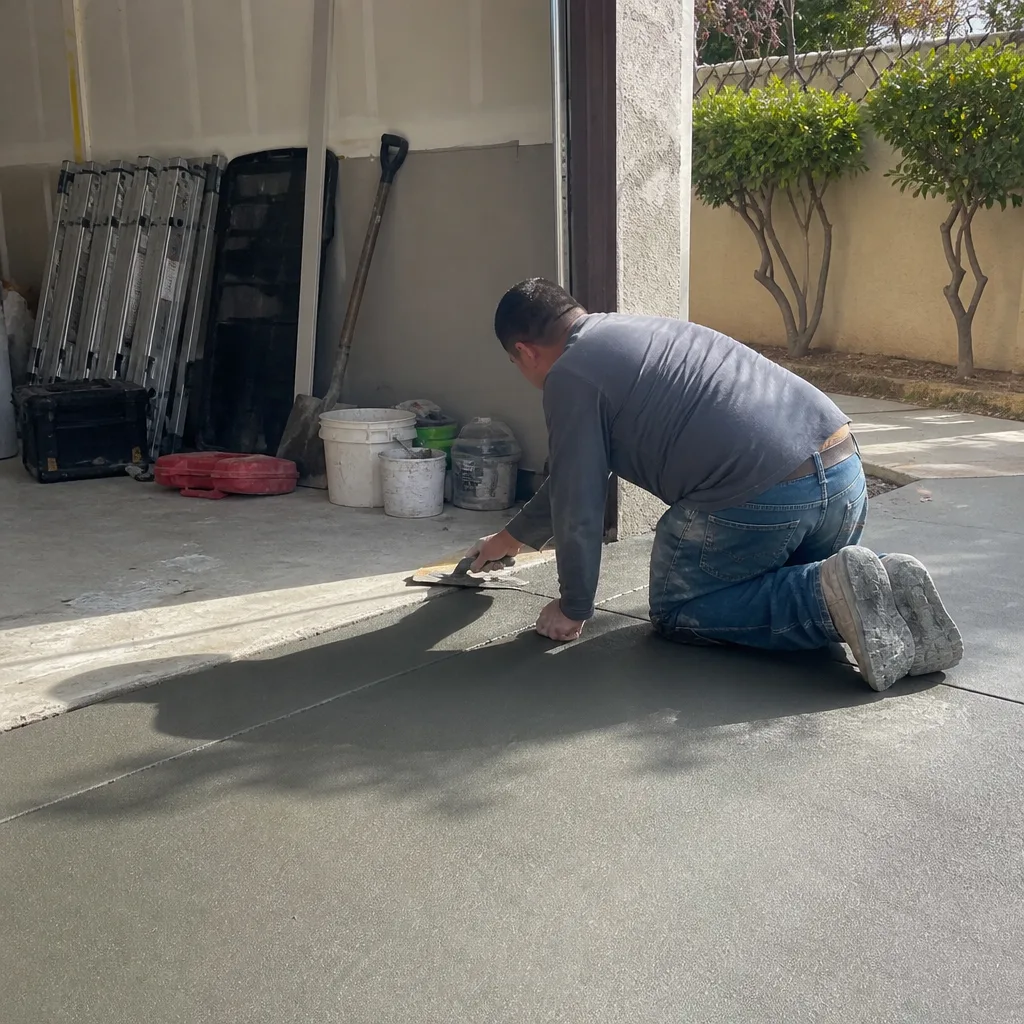 After
After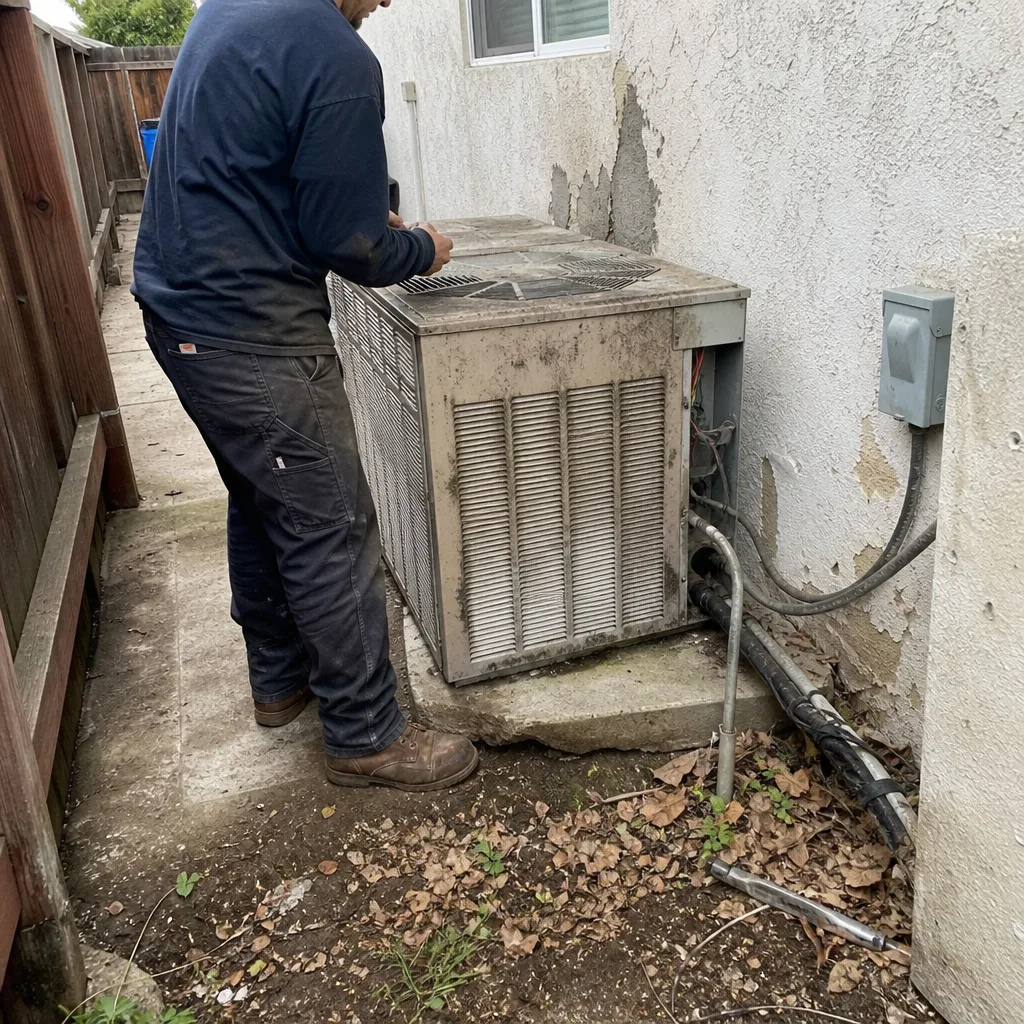 Before
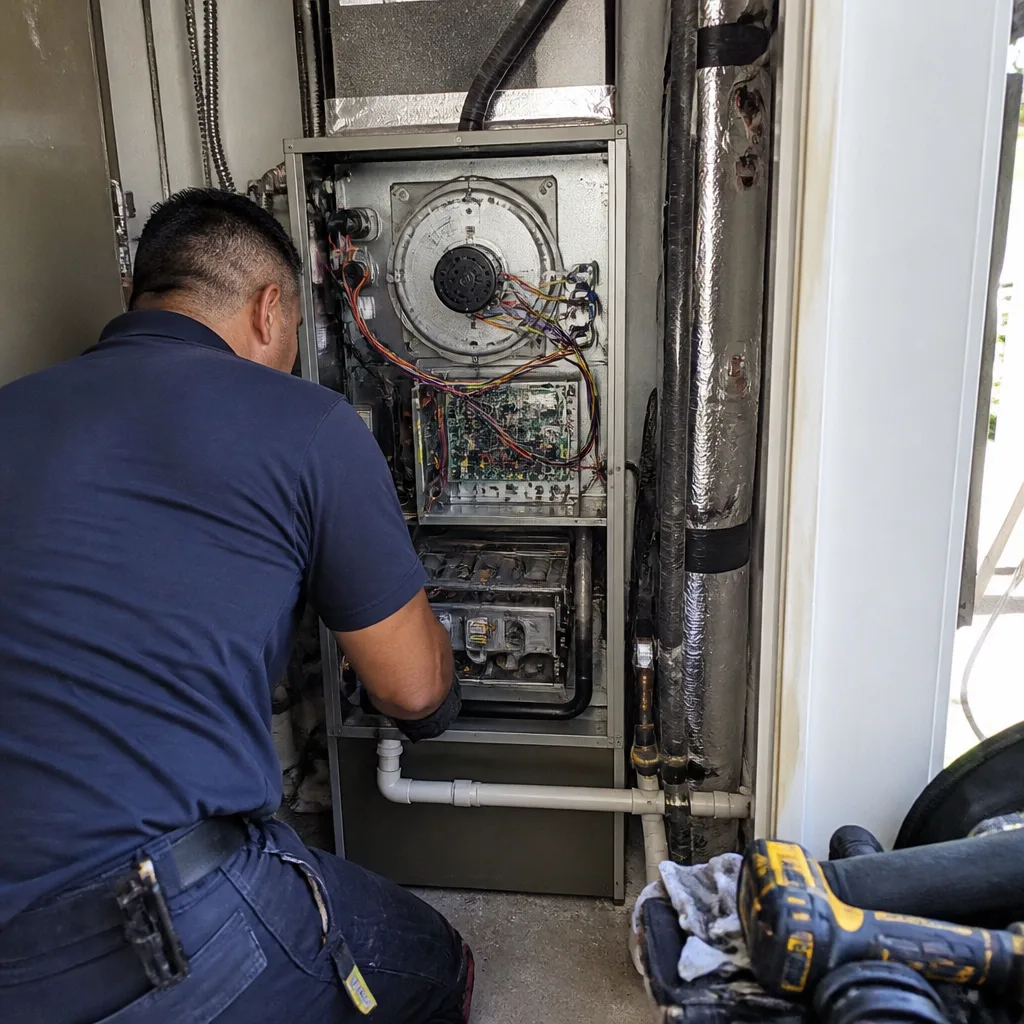 After
After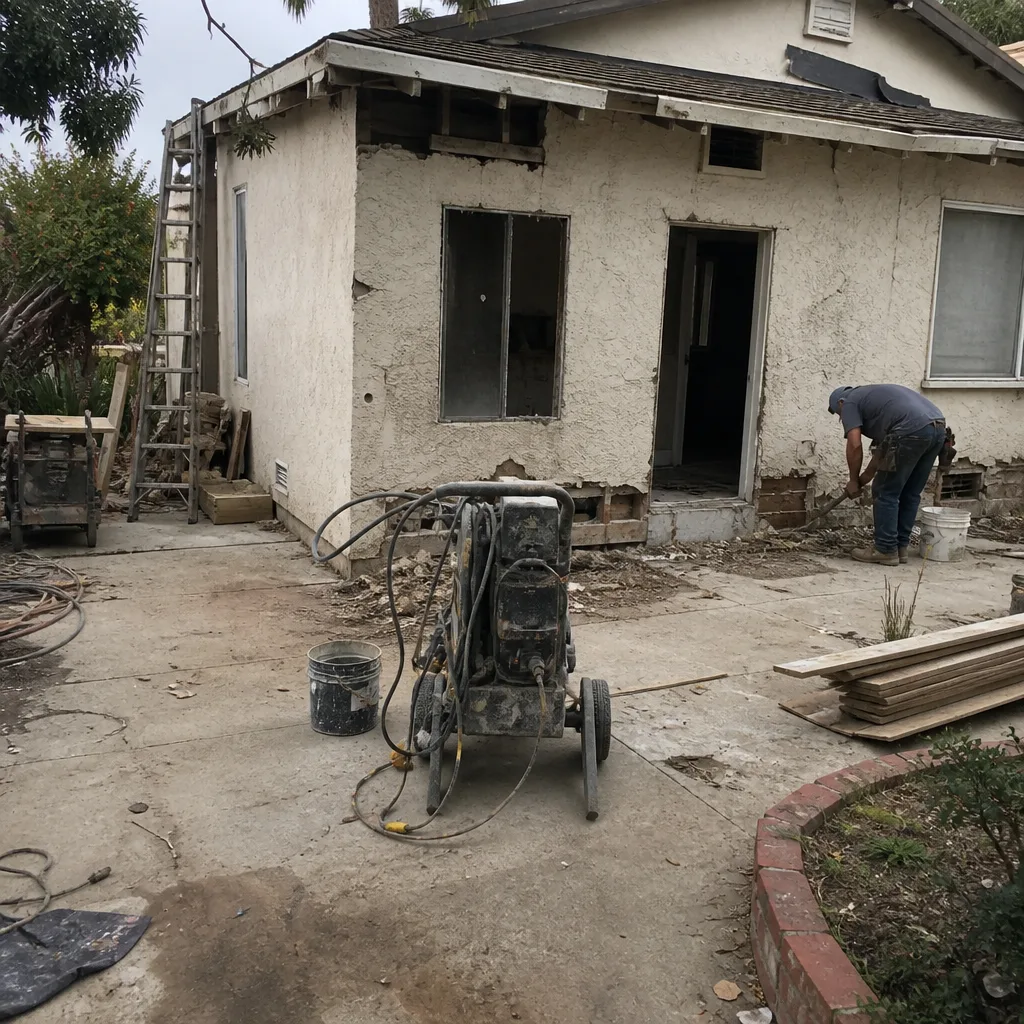 Before
 After
After