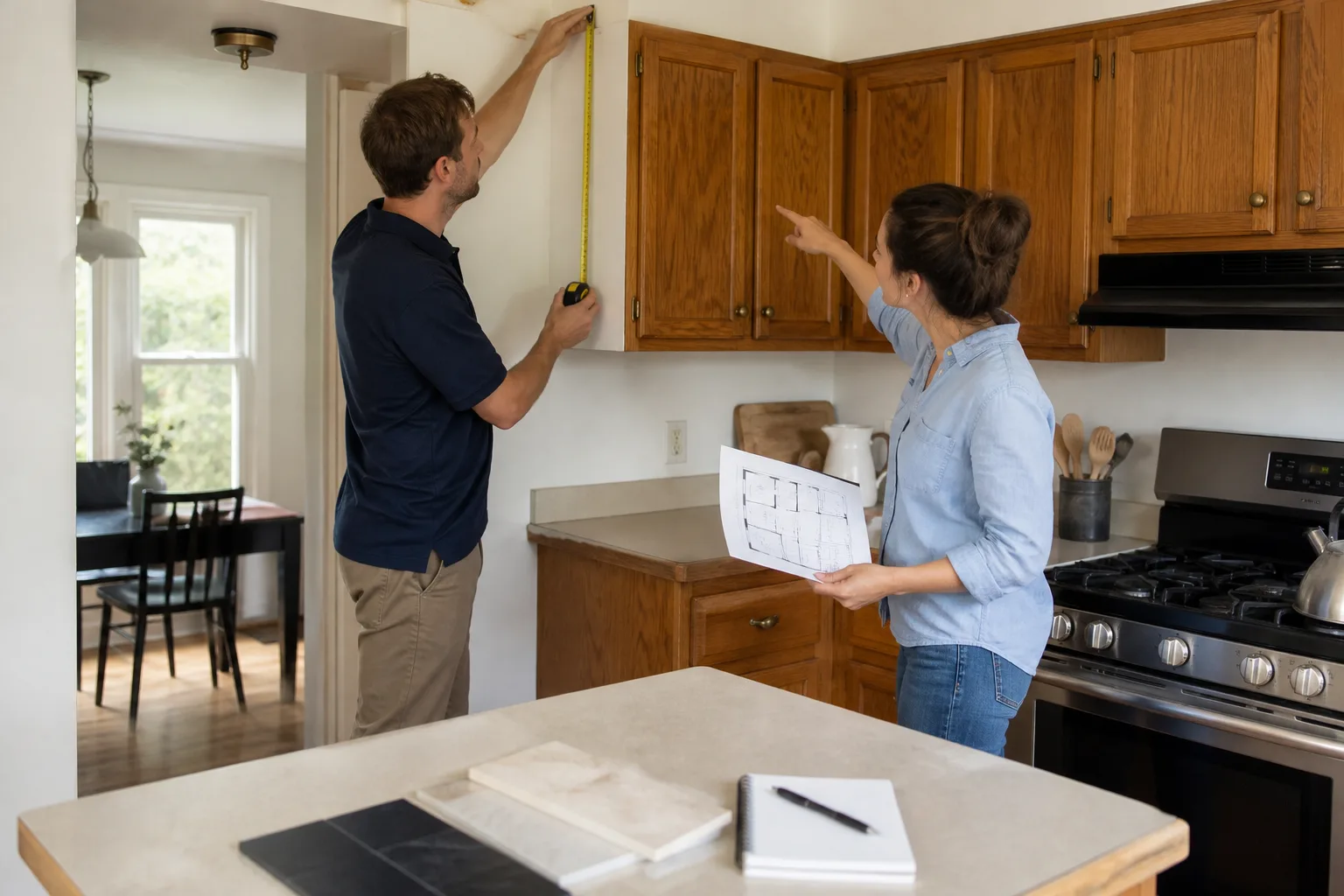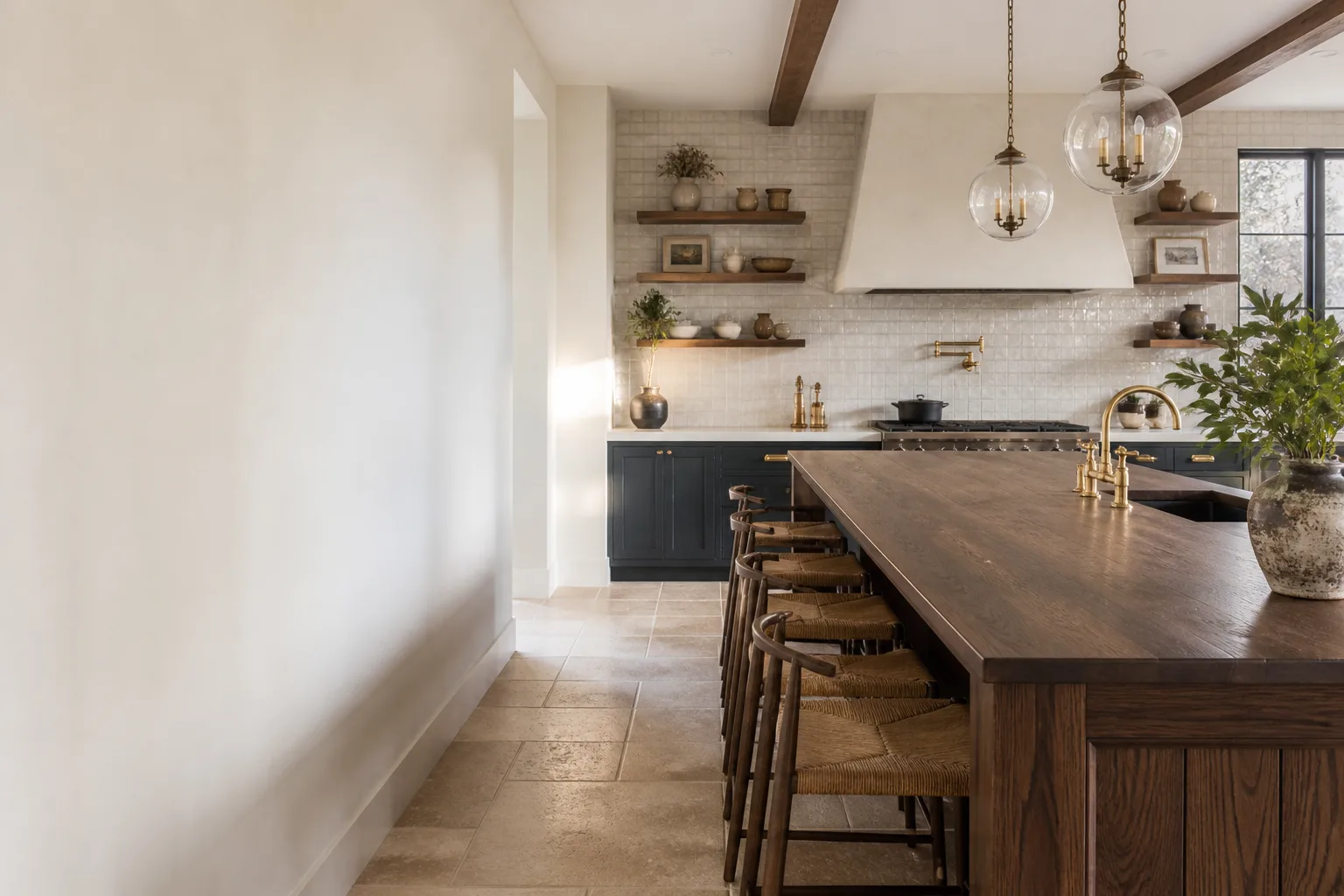


Free written scope consultation - allowances, timeline, and change-order rules on paper before a single trade is scheduled
Silestone Kitchen Remodeling: The Los Angeles Owner’s Guide
A full Silestone kitchen remodel in Los Angeles typically runs $16,520 to $53,100 installed, depending on square footage, slab selection, and whether you’re replacing cabinets, moving plumbing, or just resurfacing existing boxes. Most Los Angeles homeowners call us after a countertop chips, a seam opens up, or the Silestone surface has lost its factory finish from a decade of citrus, hard water, and direct sun. We stock Silestone-compatible edge profiles, seam adhesives, and surface restoration kits, and our crews install Silestone slabs in Los Angeles kitchens every week.
Silestone is a quartz surface, which means it’s roughly 90% crushed quartz bound with resin. That’s good news for durability and terrible news for DIY repairs: quartz doesn’t behave like granite or laminate. A chip in Silestone can’t be buffed out with a stone repair kit from a big-box store and have it look right. The resin base means color matching is precise, and sunlight in Los Angeles kitchens with east-facing windows or skylights will yellow a bad patch job within a year. Homeowners usually discover the failure the same way: they run a hand across the counter and feel a rough edge, or they notice the seam near the sink has widened and started collecting water.
Luca Romano grew up in Silver Lake when it was still mostly working-class families and corner hardware stores, and he spent his teenage years watching his uncle gut and rebuild the interior of their duplex one weekend at a time. That’s where the instinct comes from: check the slab, check the seam, check the substrate before quoting anything. Good work doesn’t need a sales pitch, it just needs to be done right.
Which Silestone Models This Applies To
Silestone runs several series lines, and each has a slightly different resin-to-quartz ratio and color body. The classic Blanco series (white and off-white slabs) tends to show stains from coffee and wine faster than the darker Eternal or Loft series, but the Eternal series shows chips more visibly because the particulate pattern is deeper. If your slab label is still under the counter overhang, check the square barcode sticker: the first two digits denote the series batch. If the label is gone, measure the slab thickness. Silestone comes in 1.2 cm, 2 cm, and 3 cm thicknesses, and your installer’s edge profile choice (eased, beveled, full bullnose, ogee) depends entirely on that thickness. A 2cm slab can’t take an aggressive ogee without looking thin and fragile.
We’re an independent Los Angeles contractor, not a Silestone factory service provider, which means we make part decisions the way a working remodeler does: if the exact OEM Silestone seam adhesive is available, we use it. If the slab is a discontinued color batch and the OEM color-match kit hasn’t been made in six years, we use a quality aftermarket quartz repair system we’ve tested on similar slabs in our own installs. For edge trim, Silestone profiles are standard square or radius; most replacement pieces are matched by shadow line, not by Silestone part number. The honest truth about Silestone parts: there’s no single Silestone-specific “part” for most failures. The part is the slab itself, the adhesive, or the edge profile, and the right fix depends on whether your Los Angeles kitchen has a 1.2cm vertical application or a 3cm horizontal island top.
Styles & brands we work with



Signs Your Silestone Kitchen Remodeling Is Failing
- Chipped edges at the sink or cooktop cutout. This is the most common failure point in Los Angeles kitchens. The edge at a sink reveal takes constant pot and pan impacts, and once a 2cm slab chips at the eased edge, water starts working into the resin bond line.
- Seams opening at the corner or near the dishwasher. Dishwasher heat cycles expand and contract the adjacent cabinet run. Silestone seams are glued with polyester adhesive, and repeated thermal cycling in an LA kitchen that runs the dishwasher daily will eventually break that bond.
- Dull patches or “ghost rings” on the surface. This means the factory resin polish has worn through. Acidic spills (lemon juice, tomato sauce, red wine) etch the quartz surface over years, and once the polish is gone, the area collects dirt and looks permanently foggy. This is repairable with a professional surface restoration, not with a hardware store polish.
- Visible cracks running from the corner of the sink cutout. Cracks, not chips. A crack means the slab is under stress, usually from a cabinet that shifted or a countertop that wasn’t properly supported on the sink base. This is structural and needs slab replacement, not patching.
- Countertop separated from the cabinet top. If you can slide a business card between the Silestone slab and the cabinet face frame, the adhesive bead has failed or the cabinets have settled. In Los Angeles, older pier-and-beam foundations move more than slab-on-grade, and that movement transfers straight to the countertop.
See the difference
 Before
 After
After Before
 After
After Before
 After
AfterReplacement Cost & What’s Included
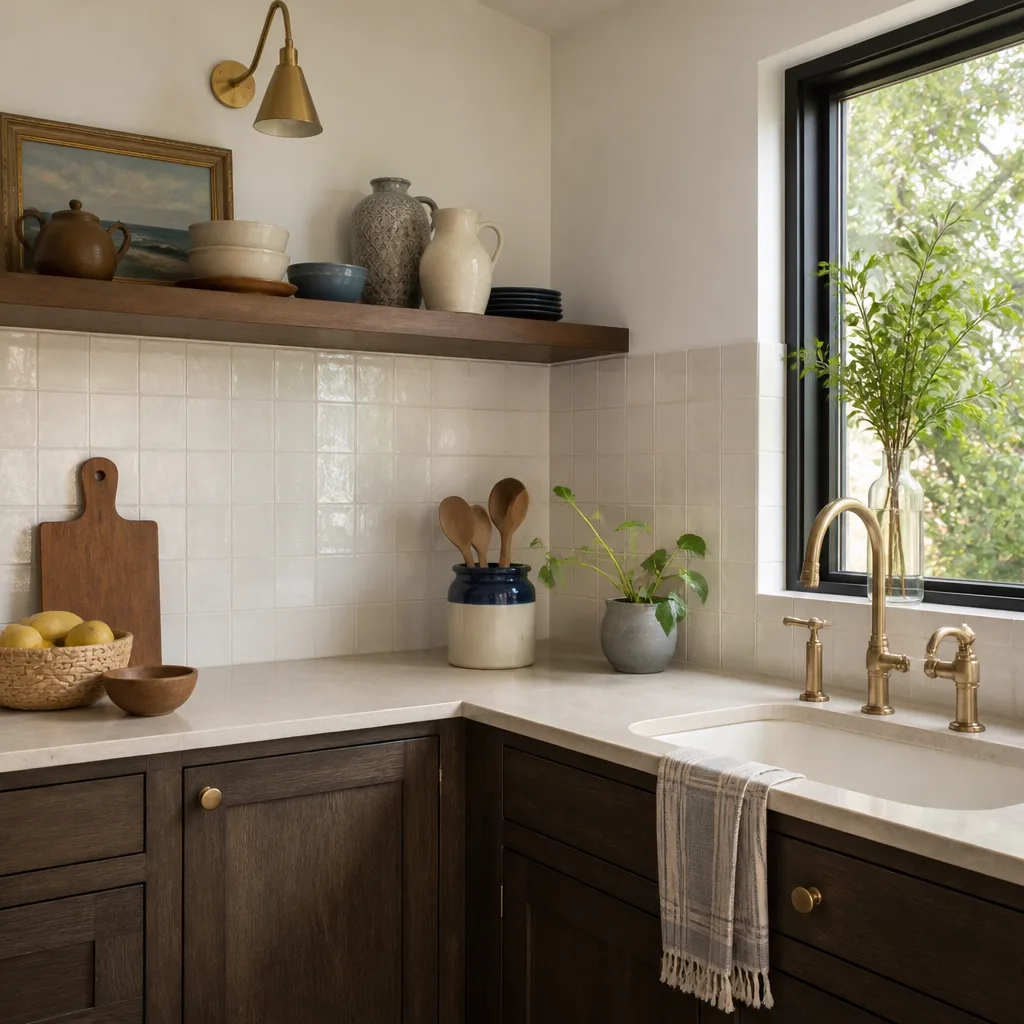
For Los Angeles kitchens, a full Silestone remodel runs $16,520 to $53,100 installed. Small kitchens with new Silestone counters, basic cabinet refacing, and a simple backsplash land at $10,620 to $23,600. If you’re only replacing the countertop slab and keeping everything else, budget $2,360 to $7,670 for the Silestone surface, fabrication, and install. Here’s the breakdown:
- Silestone slab material: $55 to $110 per square foot depending on series and thickness
- Fabrication and edge profile: $20 to $40 per linear foot
- Installation and seam work: $500 to $1,500 depending on seam count
- Backsplash (if replaced): $945 to $2,950 total
- Cabinet installation (if replaced): $4,720 to $15,340 total
What drives the range: slab series (Eternal costs more than Blanco), edge profile complexity, number of seams, and whether the substrate (plywood underlayment) needs replacing due to water damage from a failed seam. We write the price before any work starts and the number on the invoice is the number you approved. The work carries our 365-Day Done Right Promise: if it’s not done right, we make it right, in writing, on every project.
DIY or Call Us?
You can safely do two things before calling anyone: photograph the damage from three angles with a coin in frame for scale, and pull the dishwasher out to check for water staining on the cabinet floor beneath the failed seam. That second check tells us whether we’re doing a surface repair or dealing with hidden water damage that changes the scope entirely. What you shouldn’t do: attempt any resin fill on a visible Silestone surface. The color match, cure time, and polish level require training and the right kit. A botched patch job costs more to fix than the original repair would have. Quartz is not forgiving.
If the seam has opened near the sink or dishwasher, call (254) 272-5876. We’ll send a background-checked, uniformed technician to Los Angeles homes with the right adhesives and color-match kit on the truck. You’ll get a written price before any work starts, and we’ll show you before-and-after photos of the repair. Estimates are free.
FAQs

A properly installed Silestone slab lasts 20 to 25 years before the surface polish degrades or seams begin failing. Los Angeles sun exposure near windows shortens the polish life on light colors by a few years, but the material itself rarely fails structurally before then. Call (254) 272-5876 for a free assessment if your slab is under 15 years old and showing damage.
Yes, if the chip is smaller than a quarter and not at a structural stress point like a sink corner. We use color-matched polyester resin, cure it under UV, and polish the repair to blend with the factory finish. A chip at a sink cutout corner or a crack longer than four inches means slab replacement. Call (254) 272-5876 and text us a photo for a fast read on which path you’re on.
A countertop-only swap takes 2 to 3 days: one day to template, one day to remove the old surface and prep the substrate, and one day to install and seam the new Silestone slab. A full kitchen remodel including cabinets, counters, and backsplash takes 4 to 6 weeks. We’ll give you a written schedule before work starts and photo updates as the job progresses.
We stock seam adhesives, color-match resins, edge profiles, and surface restoration kits for Silestone slabs on our trucks serving Los Angeles. Full replacement slabs are ordered per project and templated to your specific kitchen layout. We also work with KraftMaid cabinets, Cambria surfaces, and Kohler fixtures on full remodels. Call (254) 272-5876 and we’ll tell you what we can bring to your first estimate visit.
Written by Luca Romano, Owner, Sawyer Remodeling at Sawyer Remodeling, serving Los Angeles and nearby areas.