
Free written scope consultation - allowances, timeline, and change-order rules on paper before a single trade is scheduled
PGT Home Additions & ADU: The Los Angeles Owner’s Guide
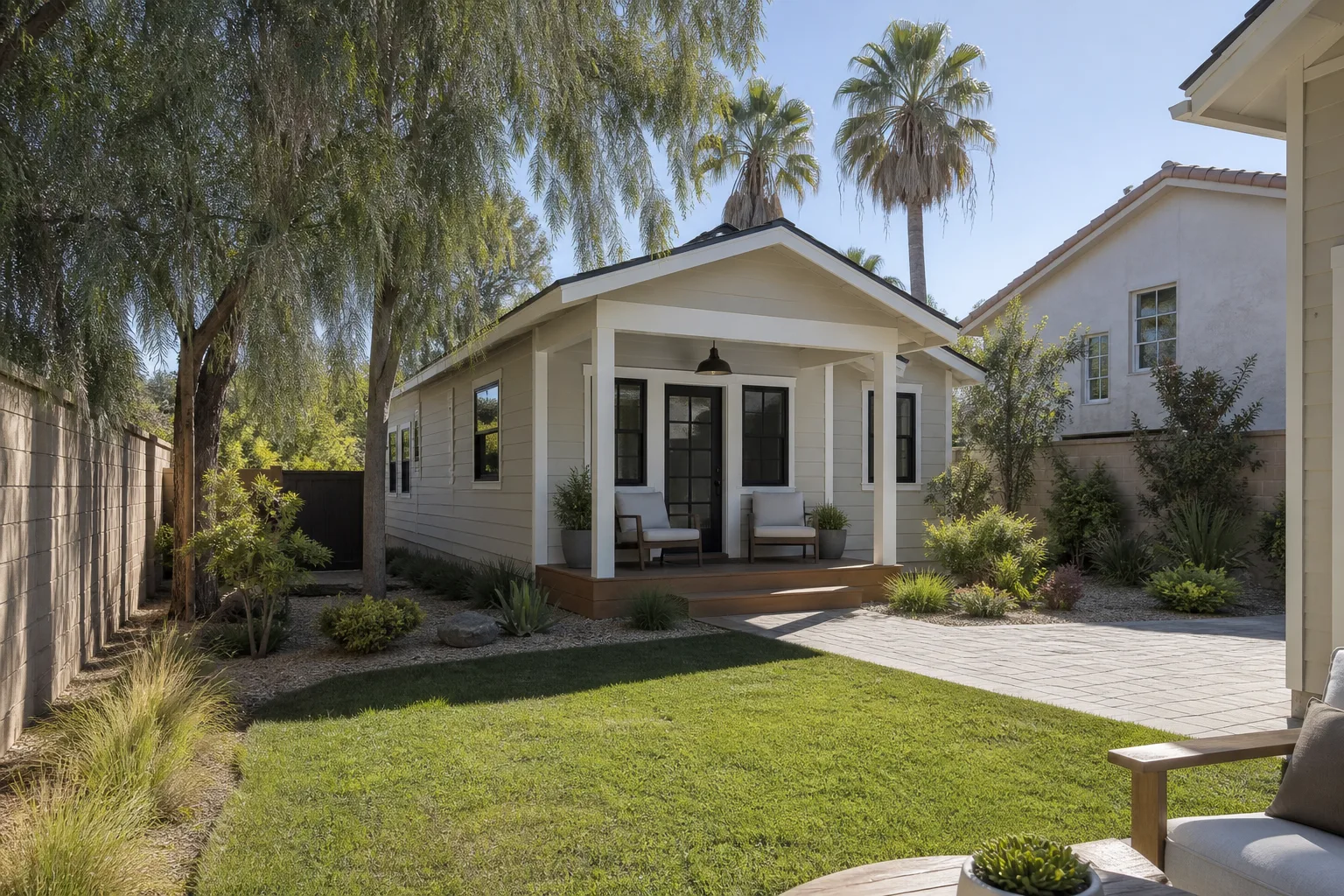
If you’re reading this, you likely already have a PGT product on your Los Angeles property and you’re weighing whether to extend, convert, or build out rather than move. A home addition or ADU project in Los Angeles typically runs $53,100 to $153,400, and yes, we handle PGT-integrated builds, garage conversions, and accessory dwelling units from permits to final inspection. The part most owners don’t see coming is the permitting and structural review tied to existing PGT openings, windows, and door frames: if your PGT units are original to the house, they can affect how your addition ties in and what the city’s plan checker flags.
Sawyer Remodeling is an independent general contractor. We’re not affiliated with PGT, but we’ve worked around their window and door products in Southern California long enough to know what holds up, what doesn’t, and how to build additions without compromising the performance of the PGT units you already have. Luca Romano, our owner, has been swinging tools in LA for over two decades, and the projects that come back to us most are the ones where someone tried to bolt an addition onto a house without thinking through how the existing fenestration, flashing, and shear walls interact.
Which PGT Models This Applies To
PGT’s residential line in Southern California covers several series, and the compatibility questions depend on which one you have. The WinGuard series, their impact-rated aluminum and vinyl lines, shows up most often in Los Angeles homes near the canyons or wildfire-adjacent zones where the city tightened its defensible-space codes. SpectraGuard and ClassicVue Max are more common on inland LA County homes built in the last 10 to 15 years. If you have the original paperwork, the model number is on the order sticker or etched into the frame corner. If you don’t, look for the PGT label on the interior side of the frame near the sash or on the spacer bar between glass panes.
The gotcha with PGT and additions is this: many PGT impact units are engineered as part of a structural system, not just a hole in the wall. When we tie a new ADU into an existing wall with WinGuard units, we have to confirm the header, the anchor spacing, and the corner fastening still meet current code once the load path changes. Simply put, you can’t just fur out the wall around a PGT window and call it done. We spec OEM PGT hardware when the existing units stay, and we’ll tell you honestly when a quality aftermarket match from a local supplier like Anawalt or Ganahl makes more sense than paying OEM markup on trim and flashing components.
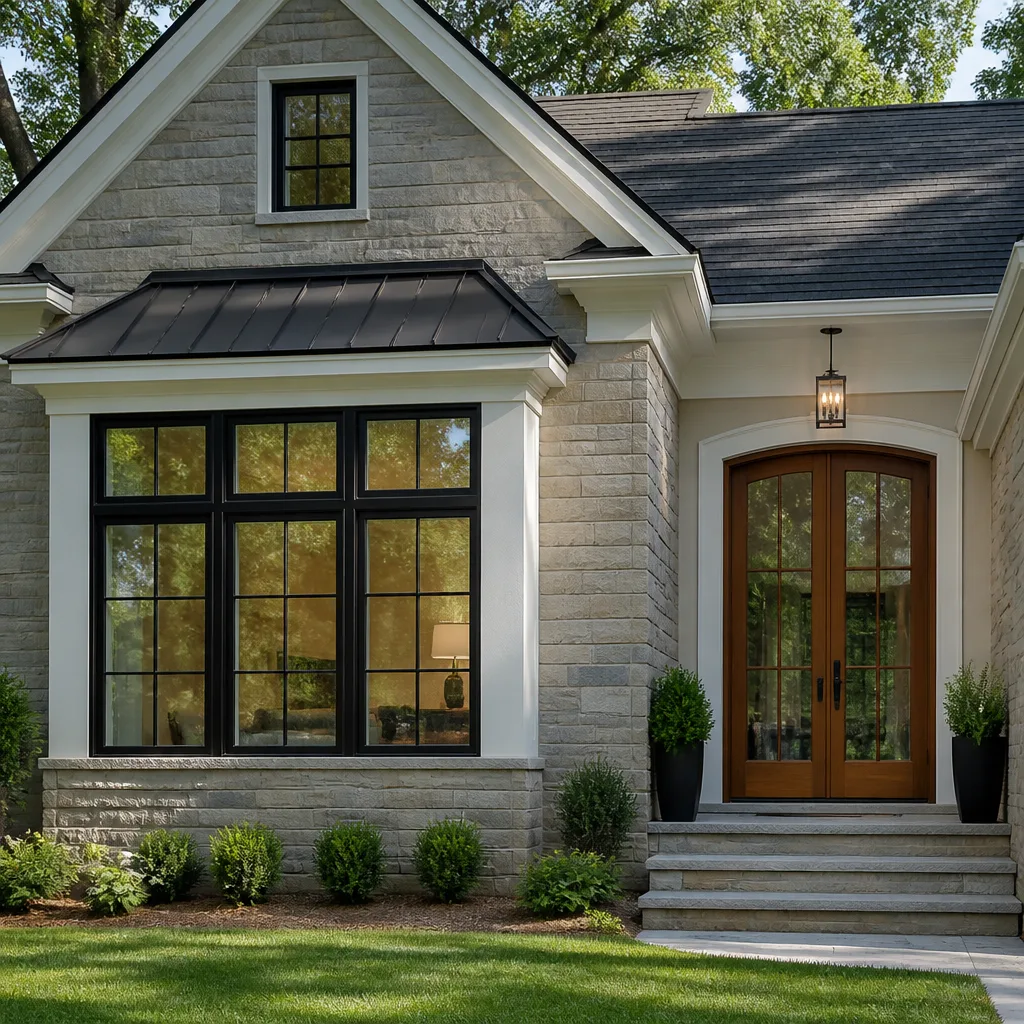
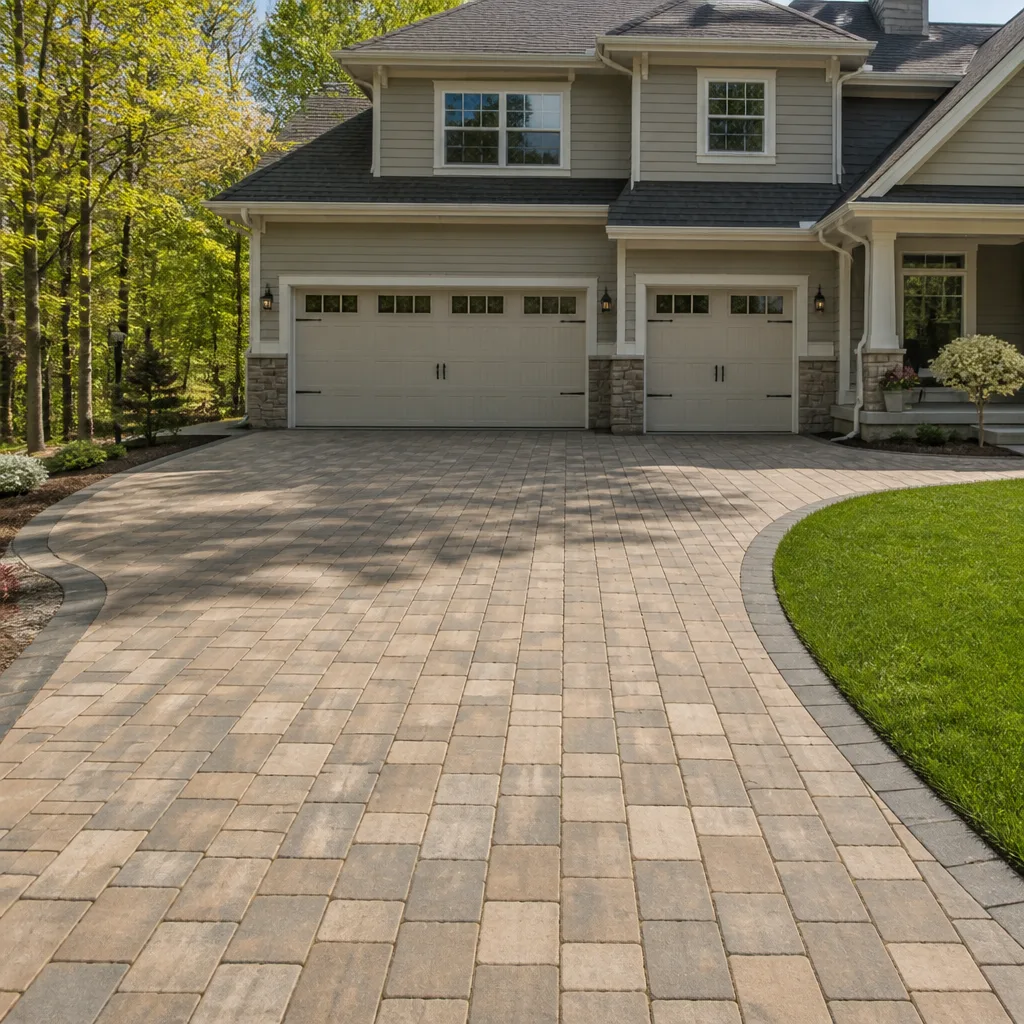
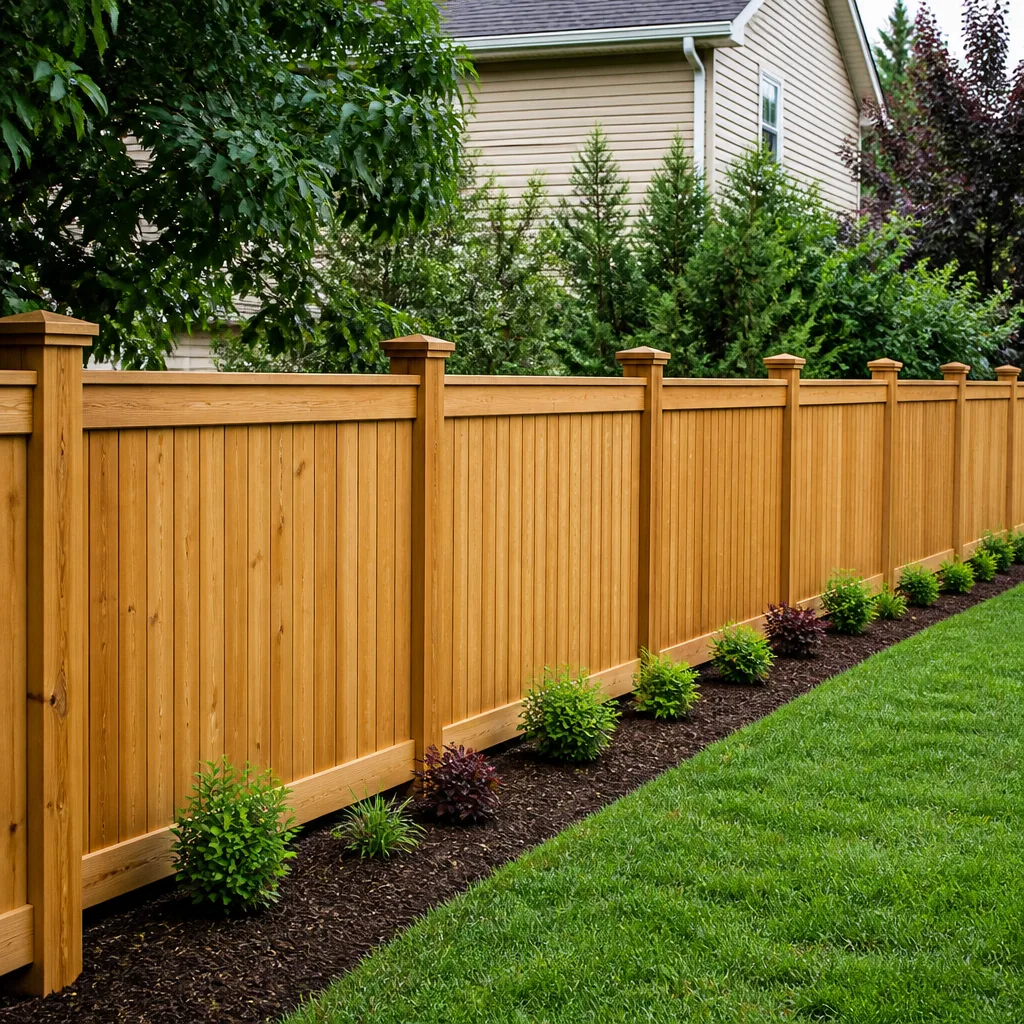
Styles & brands we work with
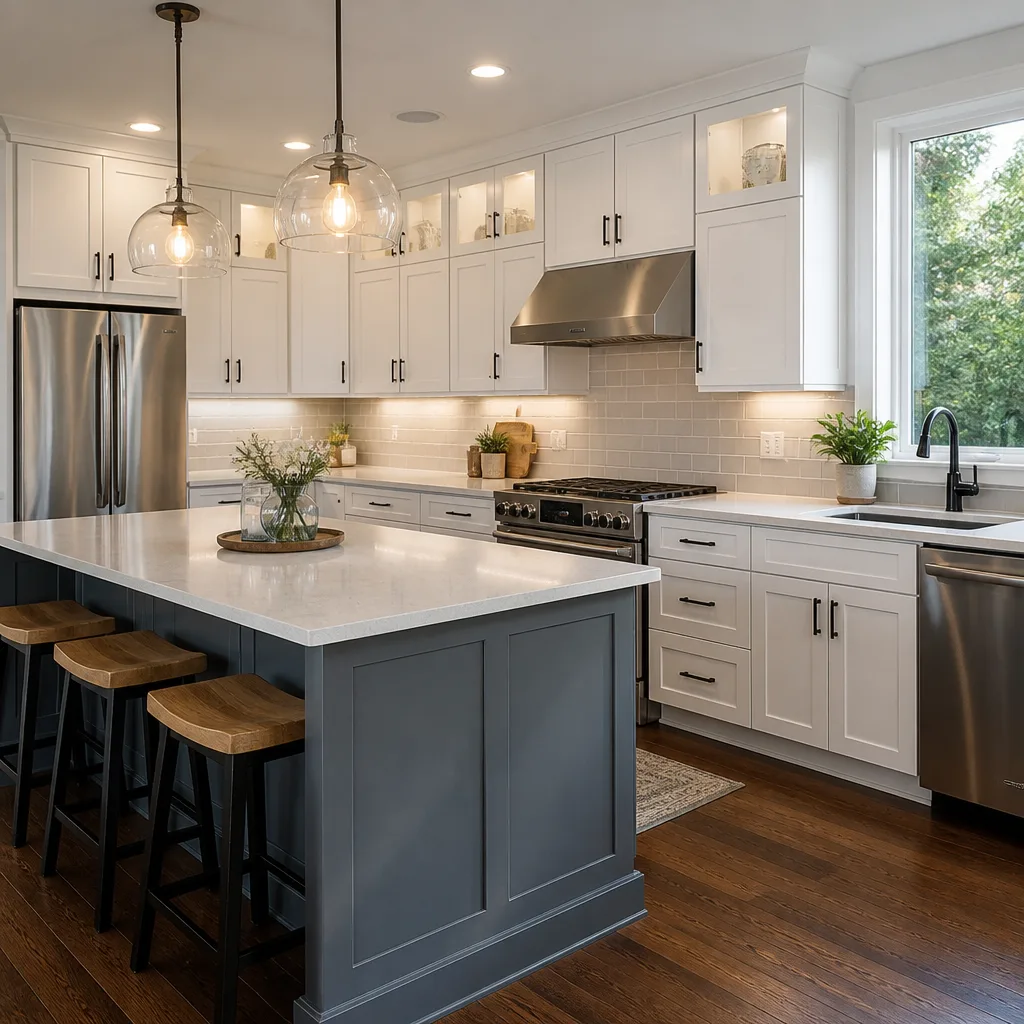
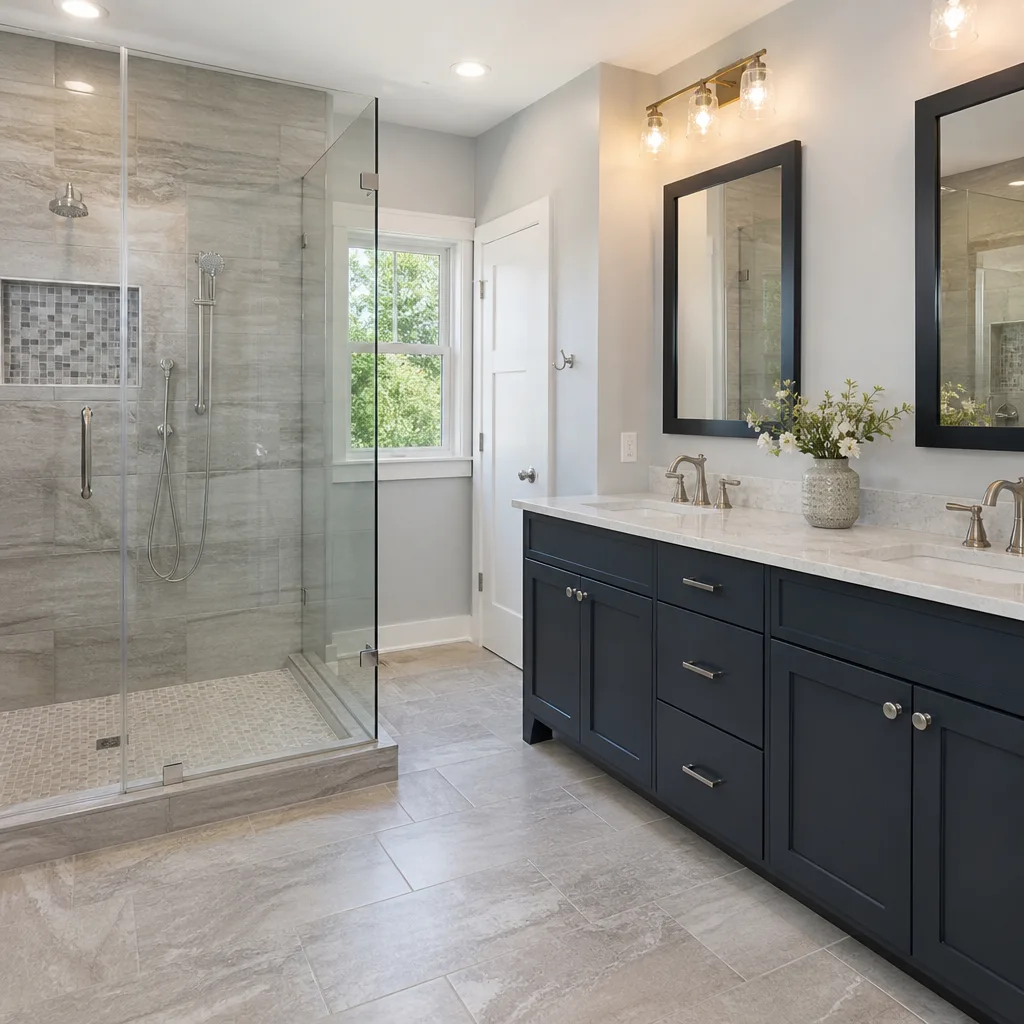
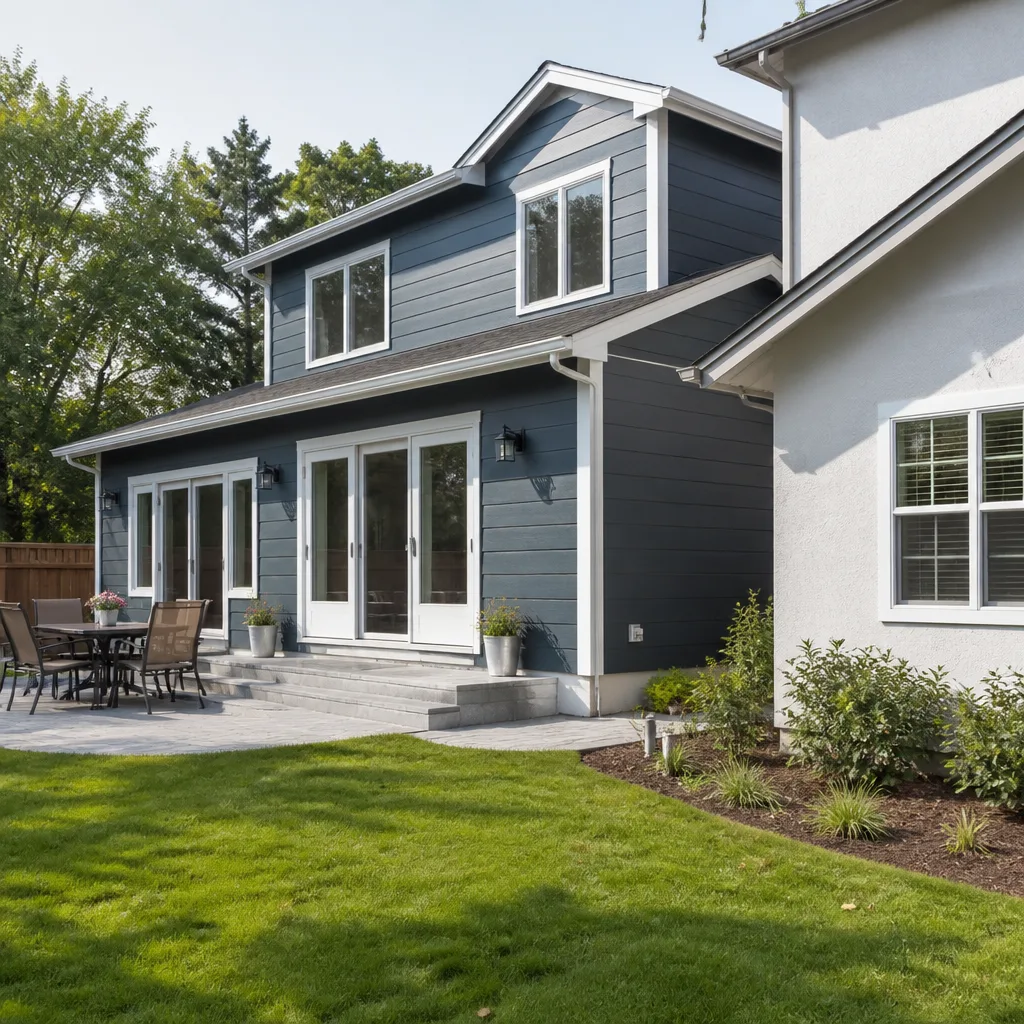
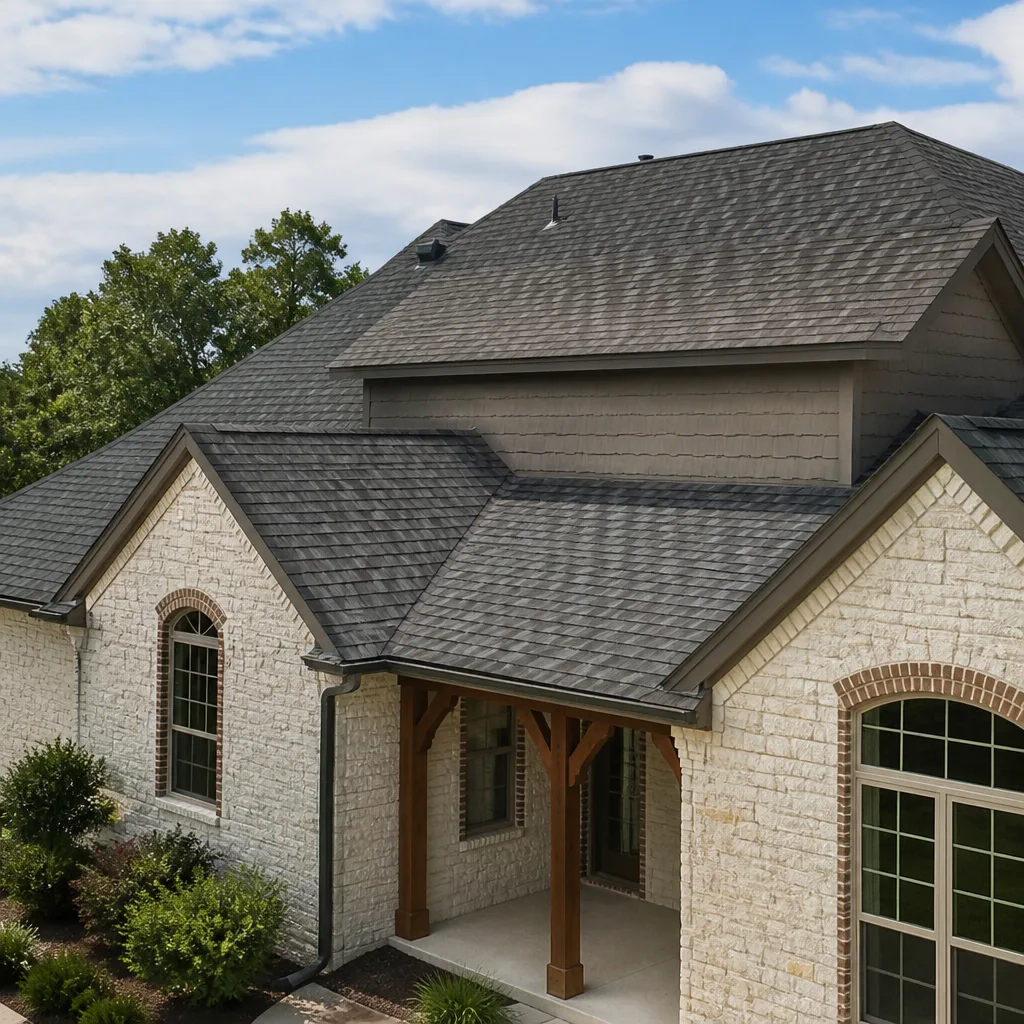
Signs Your PGT Home Additions & ADU Is Failing
- Fogging or condensation between the glass panes. The PGT insulated glass unit seal has failed. In Los Angeles, this shows up fastest on west-facing and south-facing walls where afternoon heat cycles the seal daily.
- The PGT frame pulls away from the new wall junction. This is almost always settlement or an improperly tied addition. The existing window was never designed to carry the load of a new roof plane, and the frame starts binding or gapping within the first year.
- Sticking or hard-to-operate sashes after the addition is framed. That’s a sign the rough opening got racked during construction, or the new header wasn’t sized properly. It shows up on casement and awning PGT units more than sliders.
- Water staining on the interior drywall below a PGT unit after rain. Flashing wasn’t tied correctly where the addition roof meets the existing wall. LA’s occasional heavy downpours make this obvious fast.
- Visible cracking around PGT anchor points. Stucco or drywall cracks radiating from the corners of the frame mean the structure is moving more than the PGT unit can tolerate. This is a structural red flag, not a caulk-and-paint fix.
See the difference
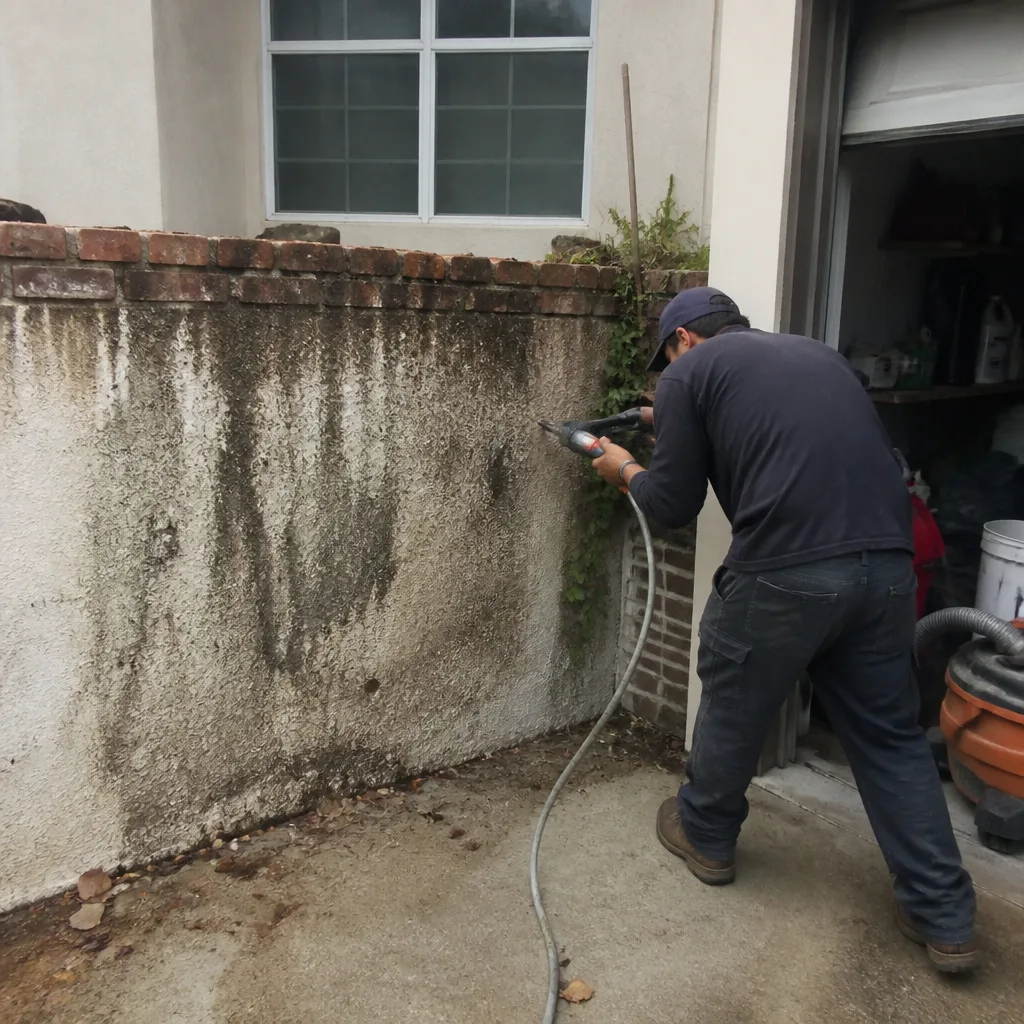 Before
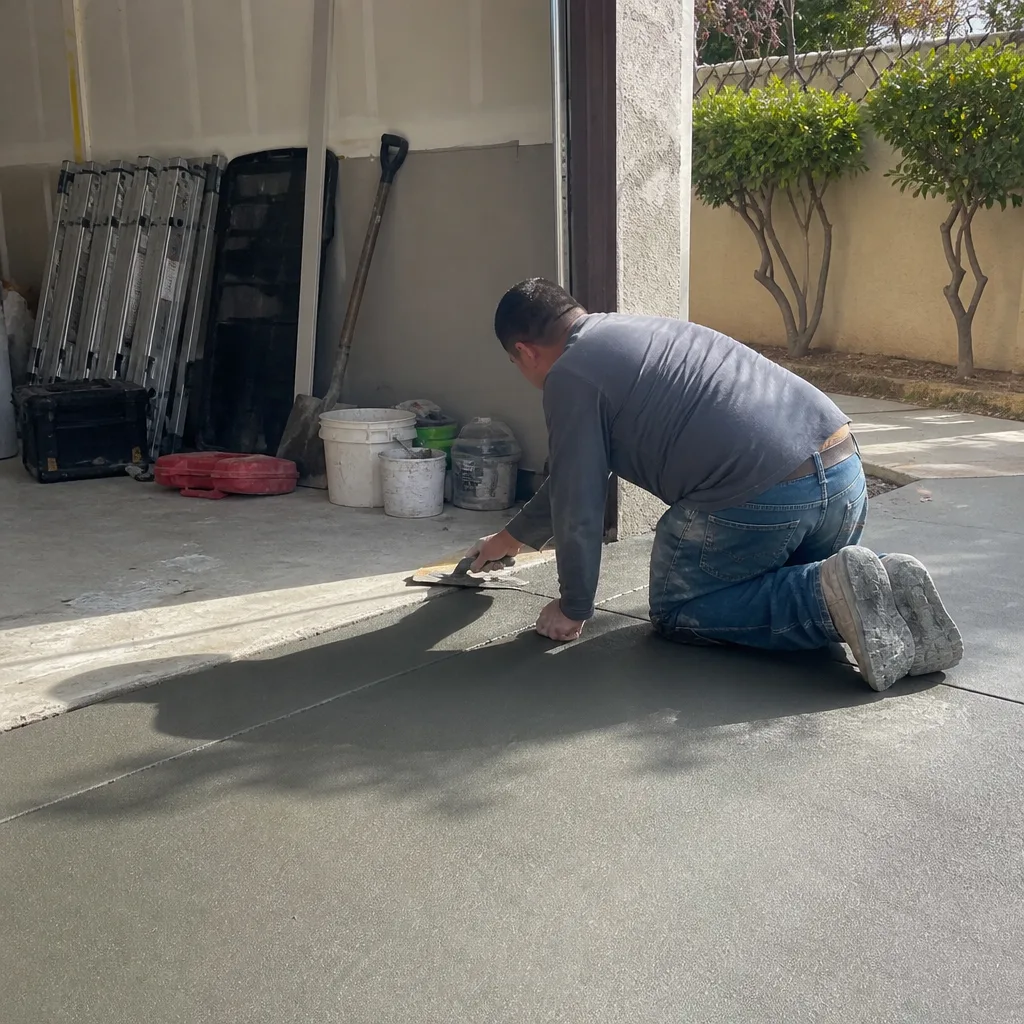 After
After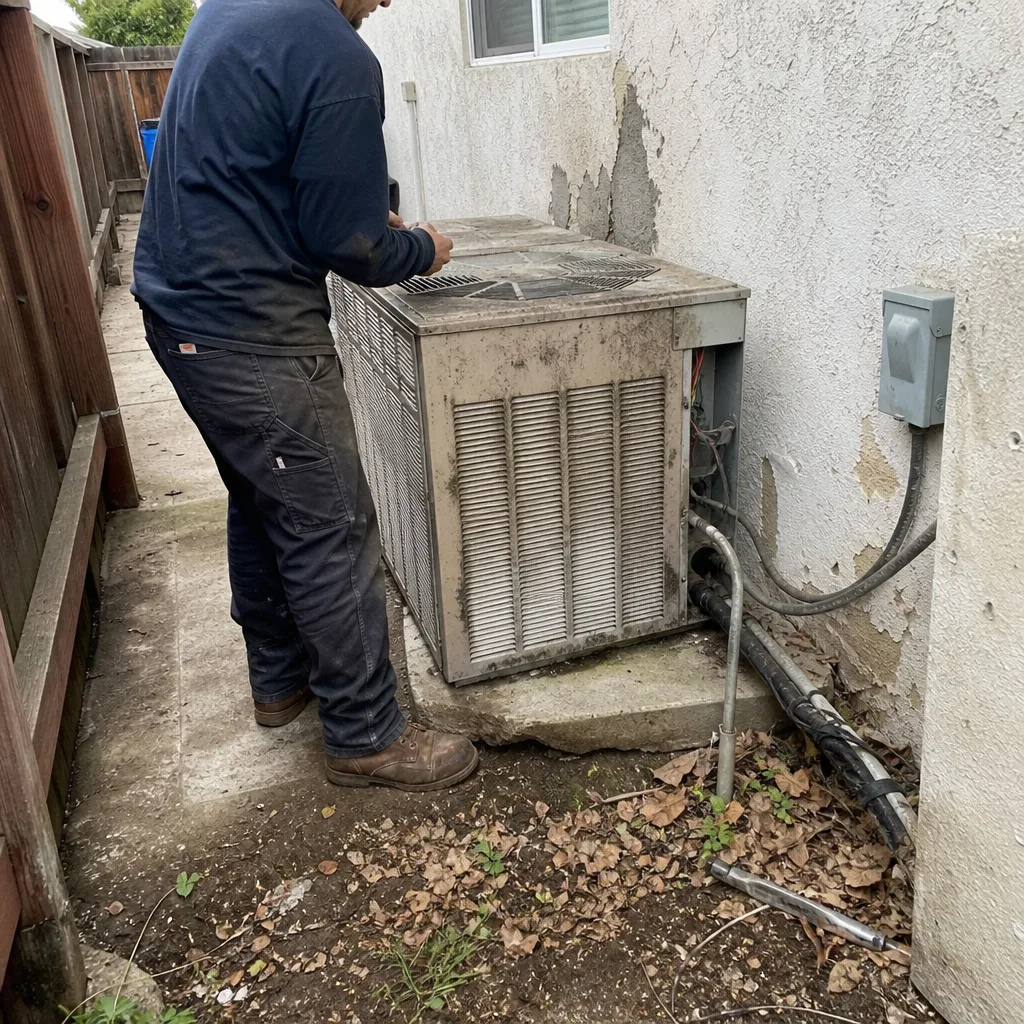 Before
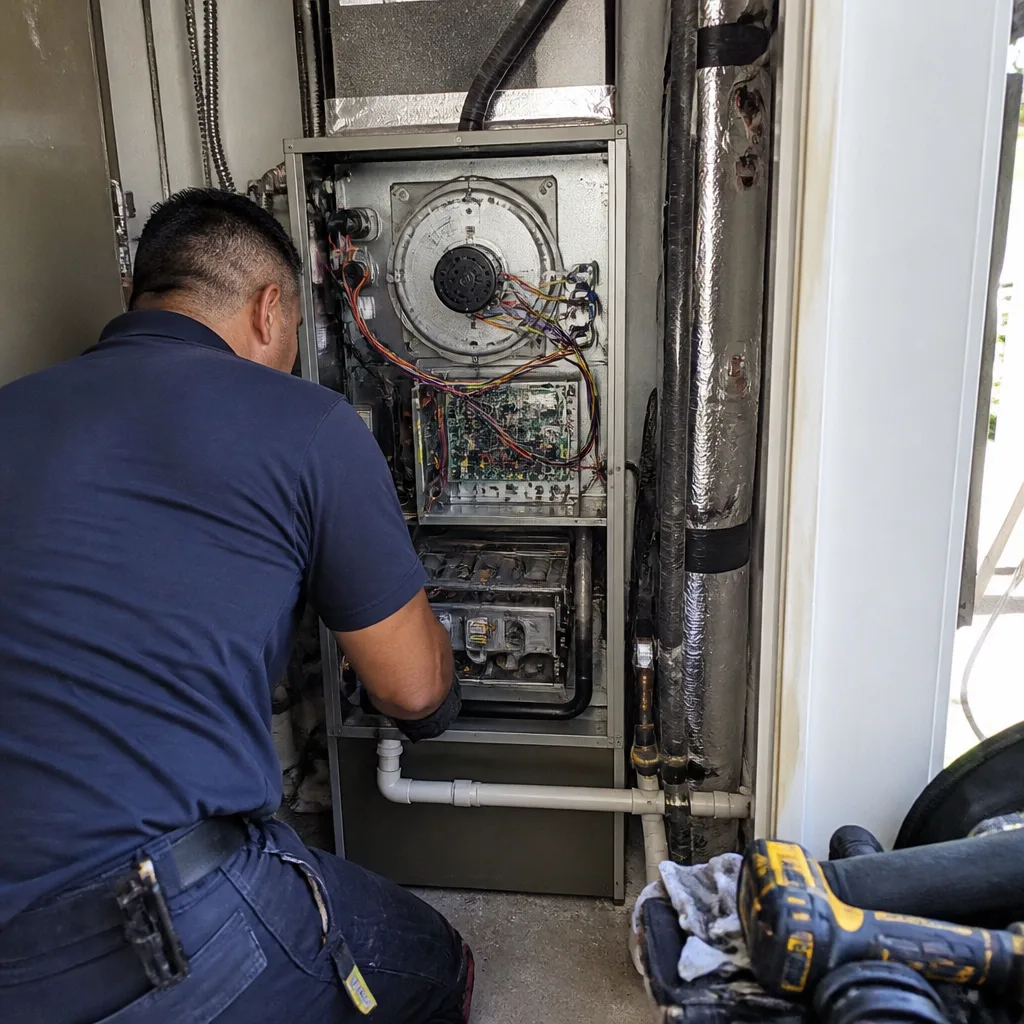 After
After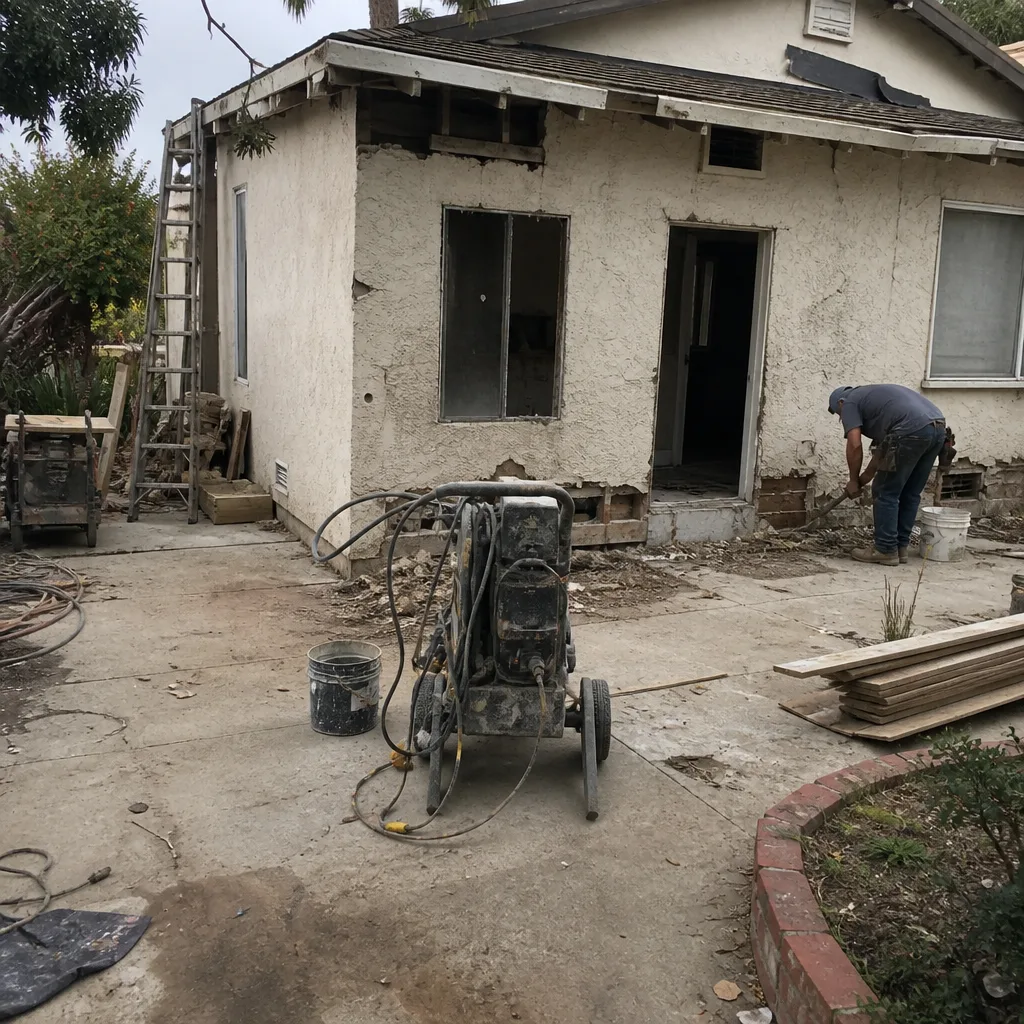 Before
 After
AfterReplacement Cost & What’s Included
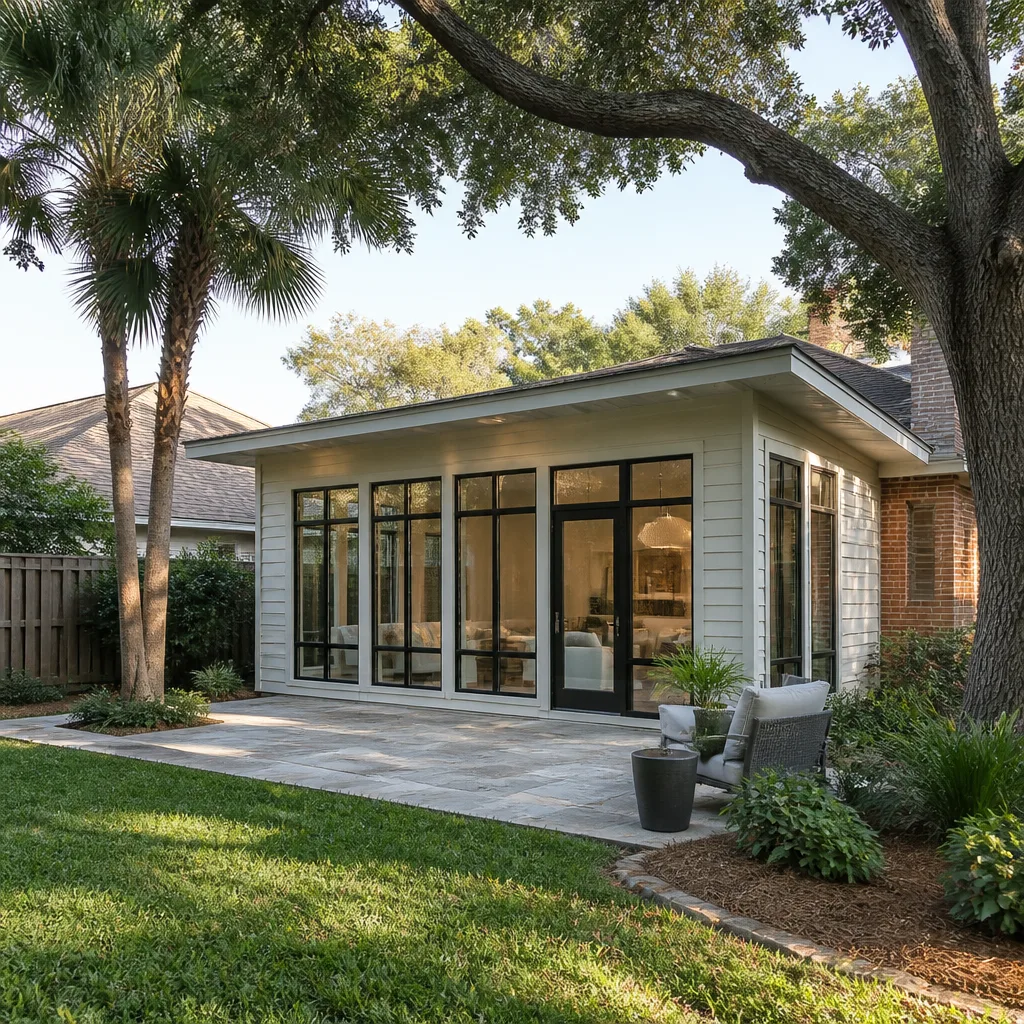
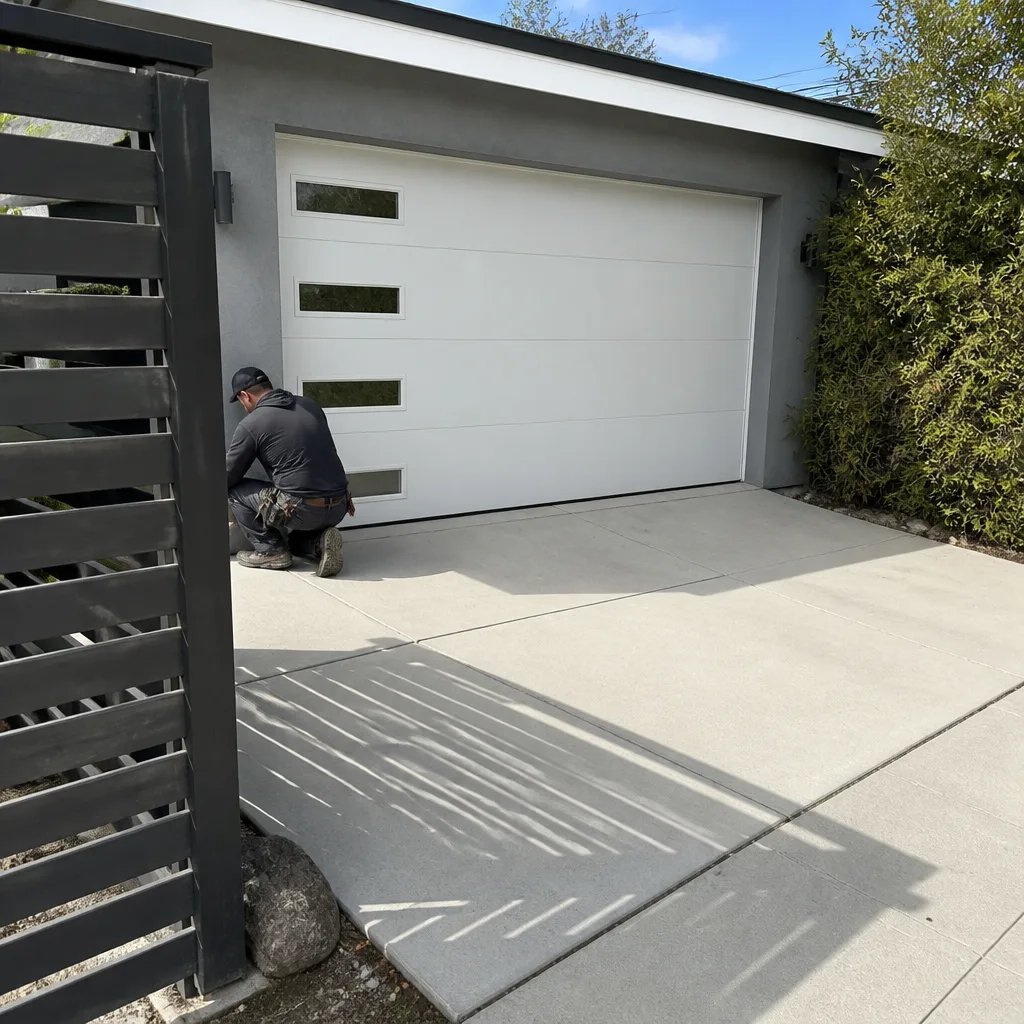
A home addition in Los Angeles runs $53,100 to $153,400. An ADU construction project runs $106,200 to $259,600, depending on whether it’s attached, detached, or a garage conversion ($35,400 to $94,400). When PGT work is part of the scope, that’s a smaller piece of the whole: replacing or reframing around existing PGT units typically lands in the $2,000 to $8,000 range per opening, depending on whether we’re salvaging the unit, replacing the glass, or pulling and resetting the frame.
Every quote from us is a written line-item price before any work starts. That includes the PGT-specific scope: demolition, structural modifications, new or salvage hardware, flashing, waterproofing at the transition, and all permit-related corrections. We don’t change the number at the invoice. And the 365-Day Done Right Promise means if it’s not done right, we make it right, backed in writing.
DIY or Call Us?
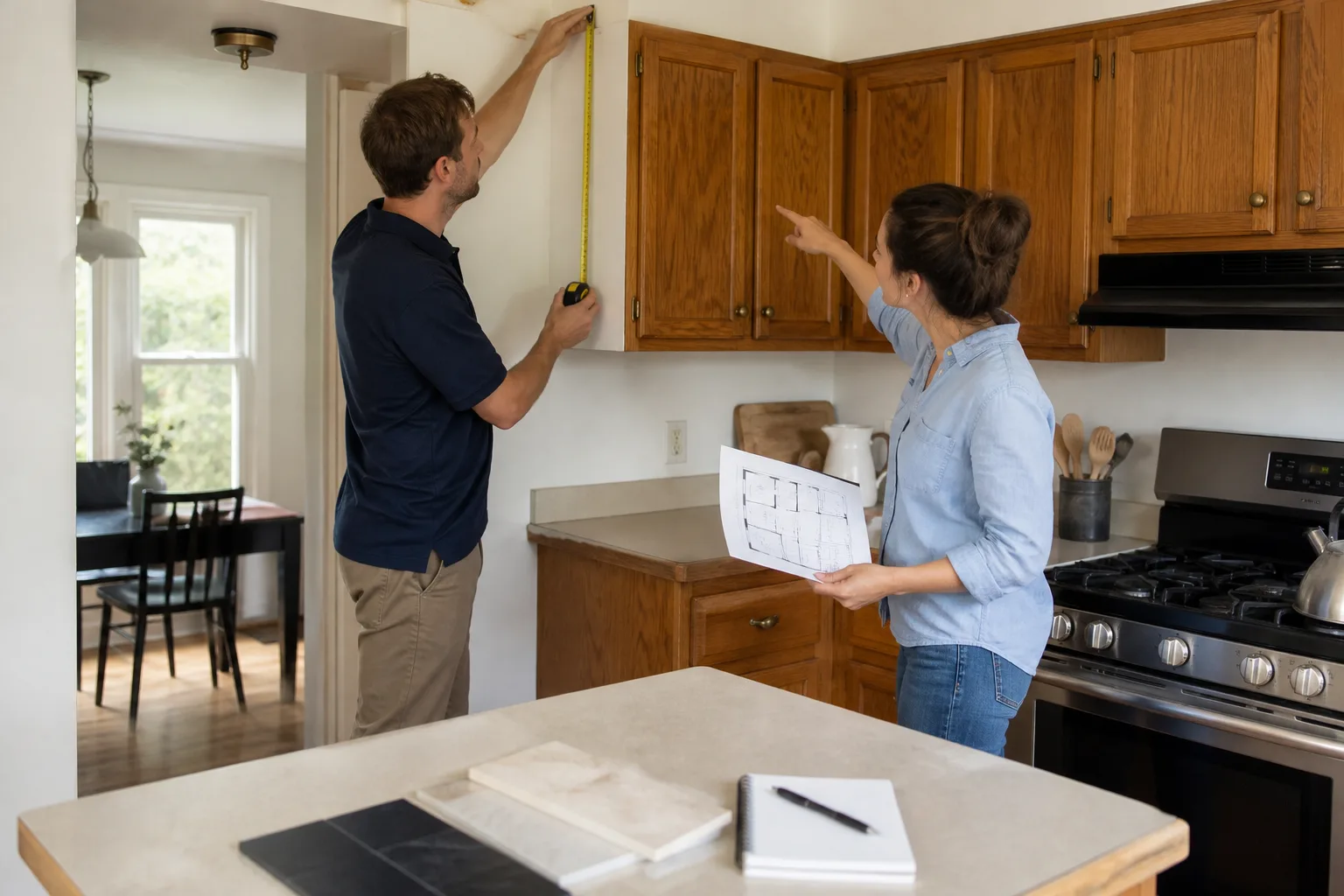
Here’s the honest split. You can check for what’s obvious: fogged glass, cracked stucco at the corners, gaps where the addition meets the existing wall, and whether opening and closing feels harder than it used to. Those observations help us diagnose faster when you call. What you should not do is start cutting into structural framing, pulling flashings, or trying to reset a PGT impact unit yourself, especially if the addition involves roof loads or shear walls. Impact-rated frames are under real tension, and the safety margin comes from proper anchoring, not from how tight you crank the fasteners. We’ve fixed enough DIY attempts in Silver Lake and Echo Park to know that a $90 caulk gun fix often turns into a $6,000 structural correction.
If you have a PGT unit that’s failing or you’re planning a home addition or ADU in Los Angeles and want to know where the existing PGT openings fit into the plan, call us at (254) 272-5876. We’ll send someone out, put the numbers on paper, and you decide from there. Good work doesn’t need a sales pitch, it just needs to be done right.
FAQs
Most PGT residential units in Los Angeles last 15 to 25 years before the insulated glass seals start failing, with south- and west-facing units trending toward the lower end because of daily thermal cycling.
It depends on whether the issue is the glass, the hardware, or the frame itself. Fogged glass is a glazing replacement we can do without pulling the whole frame; a racked or corroded frame usually means a full replacement or a reframe.
A single PGT unit replacement or reflash around an existing unit usually takes one to two days on site, but when it’s tied into a larger structural change like a garage conversion, the PGT work schedules within the overall project timeline.
We stock common PGT-compatible hardware and flashing profiles on our trucks, and we order OEM PGT parts as needed for exact frame matches. For full unit replacements, we source through Los Angeles suppliers so you’re not waiting on a container from Florida.
No. The written price you approve before we begin is the number on the invoice. If the scope legitimately changes, we document it and you sign off before any extra work happens. Call (254) 272-5876 for an exact quote on your project.
Written by Luca Romano, Owner, Sawyer Remodeling at Sawyer Remodeling, serving Los Angeles and nearby areas.