Free written scope consultation - allowances, timeline, and change-order rules on paper before a single trade is scheduled
Quikrete Home Additions & ADU: The Los Angeles Owner’s Guide
Home additions and ADUs built on Quikrete slabs or with Quikrete block systems don’t fail because of the concrete. They fail because the foundation prep or the wall system around that material was done wrong. A full home addition in Los Angeles with proper Quikrete-based foundation work runs $53,100 to $153,400 installed, and an ADU runs $106,200 to $259,600. Most owners call us after cracks show up in the drywall above a door frame or when a prefab Quikrete panel joint starts pulling apart, and by then the fix usually means opening up more than anyone wanted to.
We’re Sawyer Remodeling, and we are not affiliated with Quikrete. We’re a general contractor that has been running jobs in Los Angeles since 2005 under The Relay Visibility Guarantee: a live arrival time, photo updates before and after, and a written price before a single tool comes off the truck. Luca Romano, our owner, learned this trade at LA Trade-Tech and has been framing and finishing in this city for over two decades. He’s seen what LA soil, heat, and seismic movement do to Quikrete products when they’re installed without proper compaction or the wrong rebar schedule.
Which Quikrete Models This Applies To
Quikrete makes a few product lines that show up in Los Angeles additions and ADUs, and each one has a specific failure profile. The first is their standard concrete mix, bagged in 50, 60, and 80 pound sacks, used for slabs, footings, and stem walls. The second is Quikrete’s concrete block line (CMU), including their standard 8x8x16 blocks and half-height units. The third is Quikwall, their surface bonding cement system that goes over dry-stacked block. If your addition or ADU was permitted in Los Angeles, the approved plans will name the exact Quikrete product and the specified PSI, usually 2500 or 3000 for residential work. If those plans aren’t on file or the work was done without permits, matching the right repair means drilling a core sample, which we do before touching anything else.
The OEM versus aftermarket conversation doesn’t really apply the same way for Quikrete as it does for a faucet or a window. The mix itself is the spec. What matters is whether the product meets LADBS requirements for slump, PSI at 28 days, and reinforcement integration. Aftermarket bagged mixes exist. Some are fine for small repairs. But for anything structural inside city limits, matching the original Quikrete product spec is the baseline, not an upgrade.
Styles & brands we work with
Signs Your Quikrete Home Addition or ADU Is Failing
- Horizontal cracks in the slab or stem wall. This usually means the subgrade was never properly compacted or the concrete was poured too wet. Los Angeles clay soil expands and contracts hard through wet and dry seasons, and uncompacted soil turns a small slab crack into a structural one within two or three years.
- Stairstep cracking through Quikwall or concrete block walls. Dry-stacked block bonded with Quikwall has very little tolerance for differential settlement. A stairstep crack means the foundation shifted unevenly, and the block is following it. This is not a cosmetic caulk-and-paint fix.
- Door or window frames pulling away from the wall edges. When an addition settles unevenly, openings rack out of square. You’ll see gaps at the top corner of a door frame or feel a window that used to slide now binds.
- Quikwall surface layer delaminating or powdering. Quikwall failing in sheets usually means it was applied too thick, mixed beyond the working time, or exposed to weather before it cured. In Los Angeles, early summer heat and late fall marine layer moisture both accelerate this.
- Standing water along the outside edge of the addition. If the Quikrete slab wasn’t poured with proper drainage away from the structure, stormwater sits against the foundation line and works its way into the wall assembly. You’ll see efflorescence, mold at the baseboard, or that smell that never goes away even after you clean.
See the difference
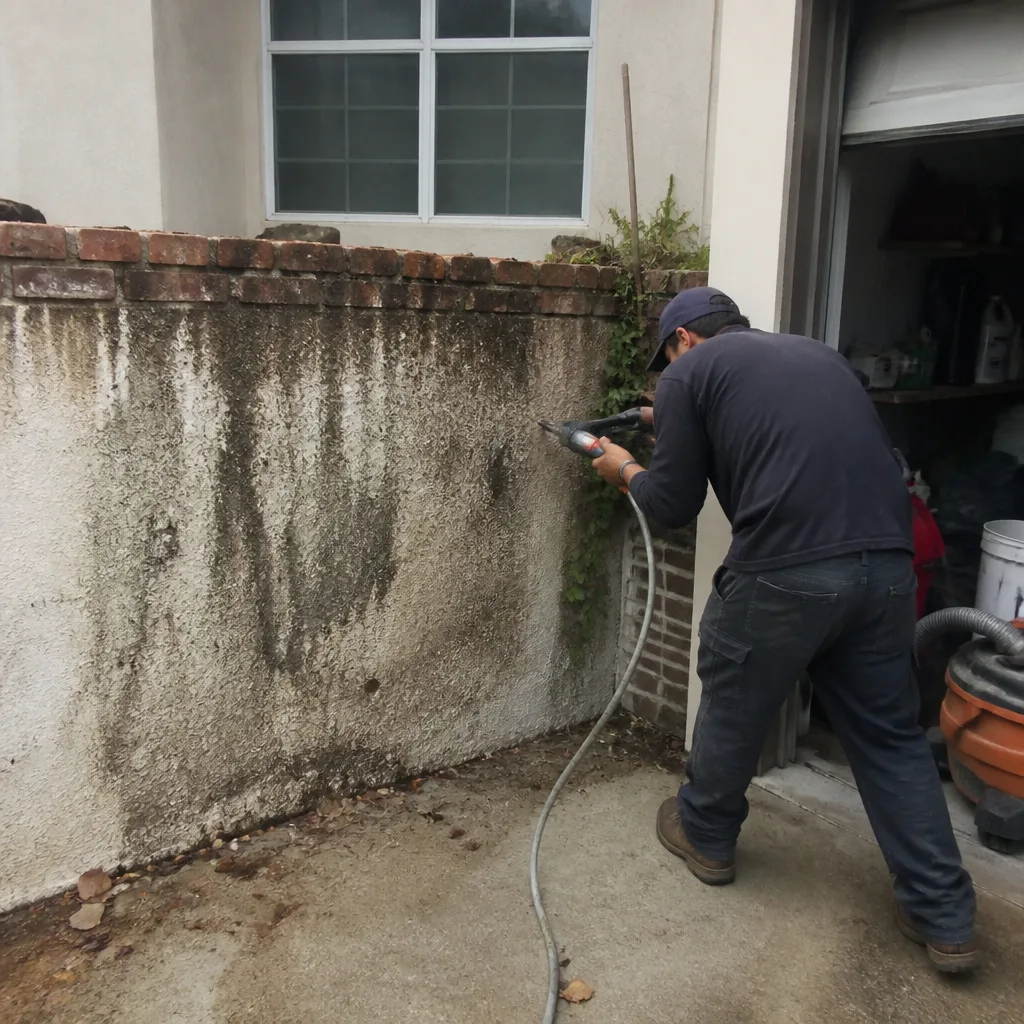 Before
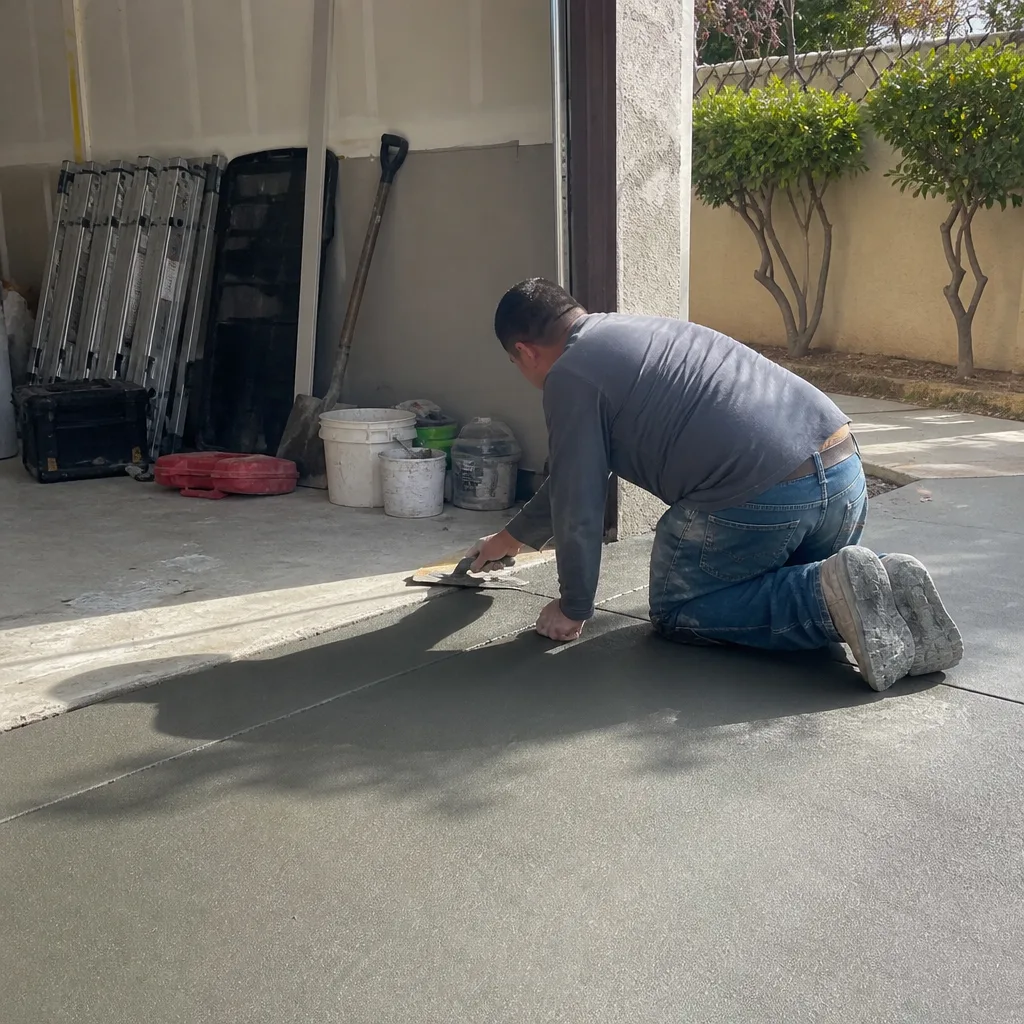 After
After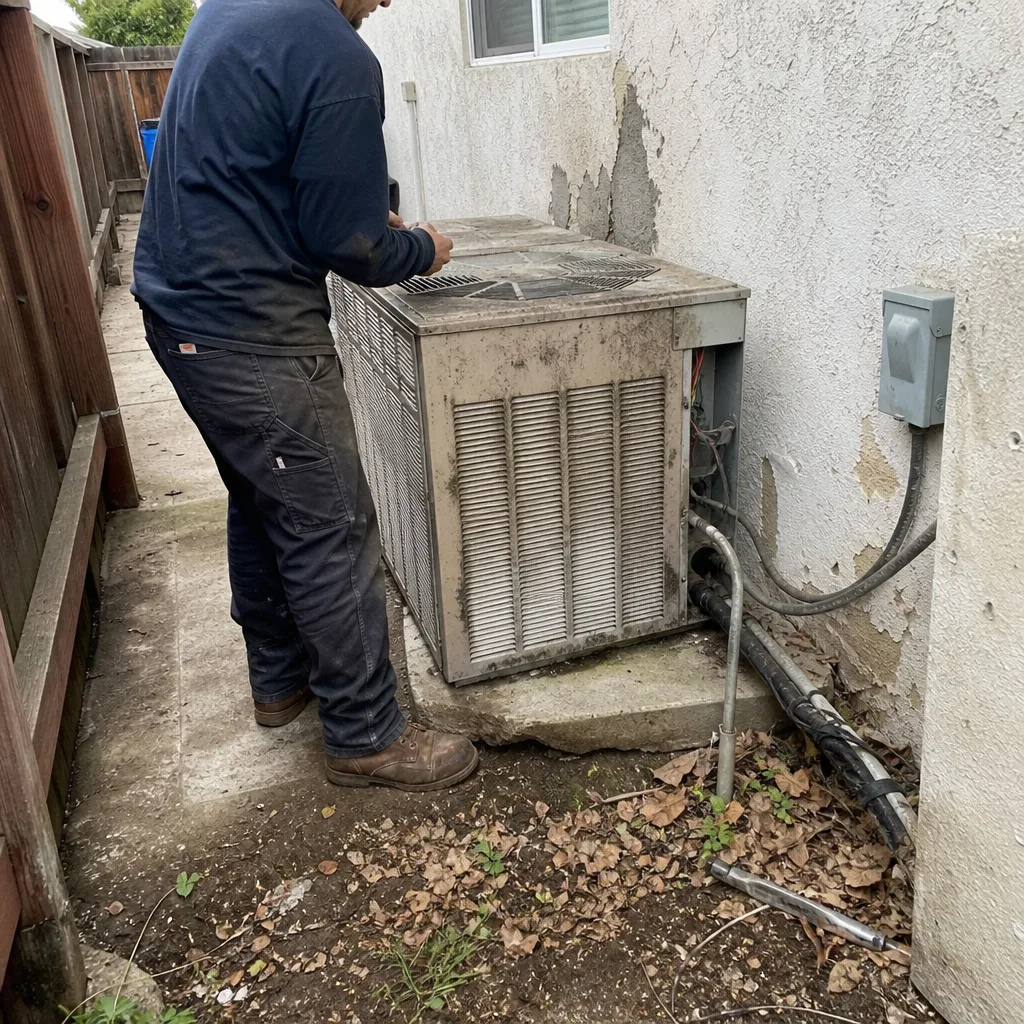 Before
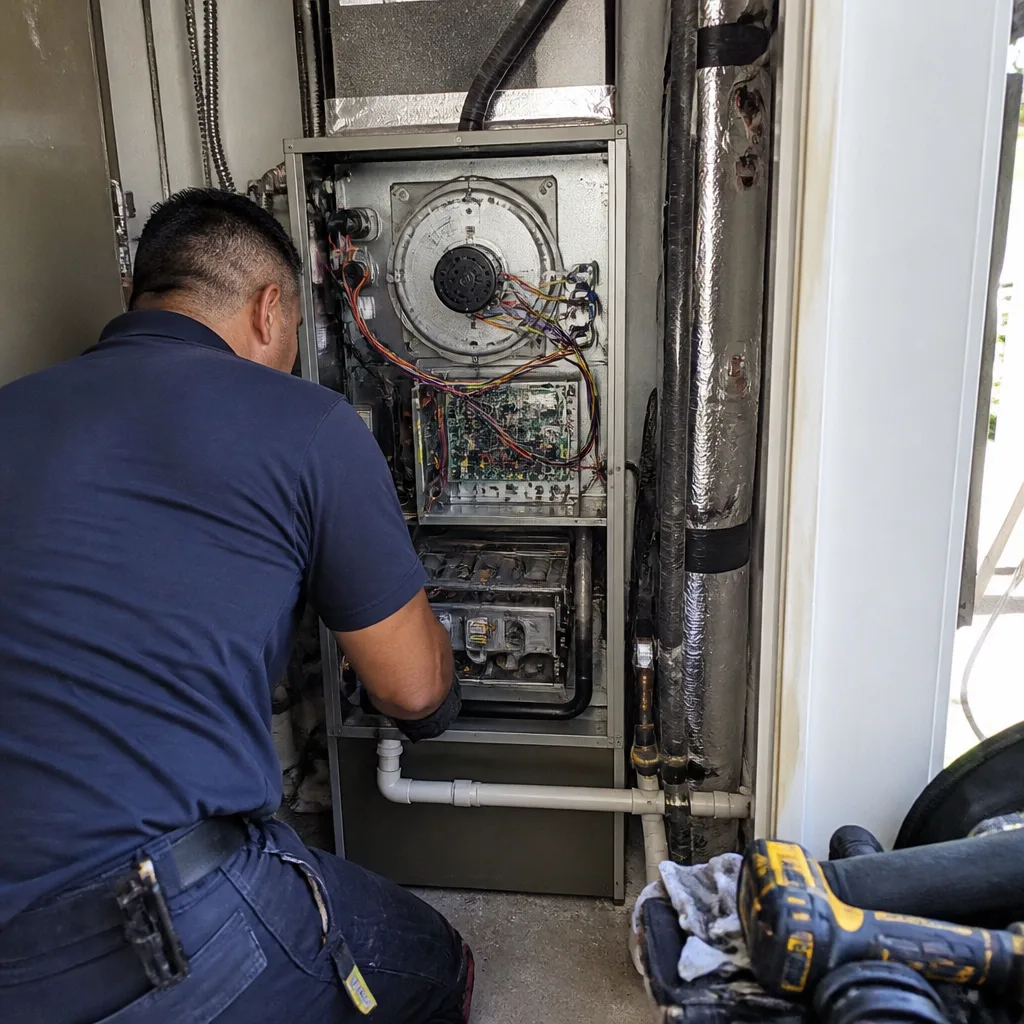 After
After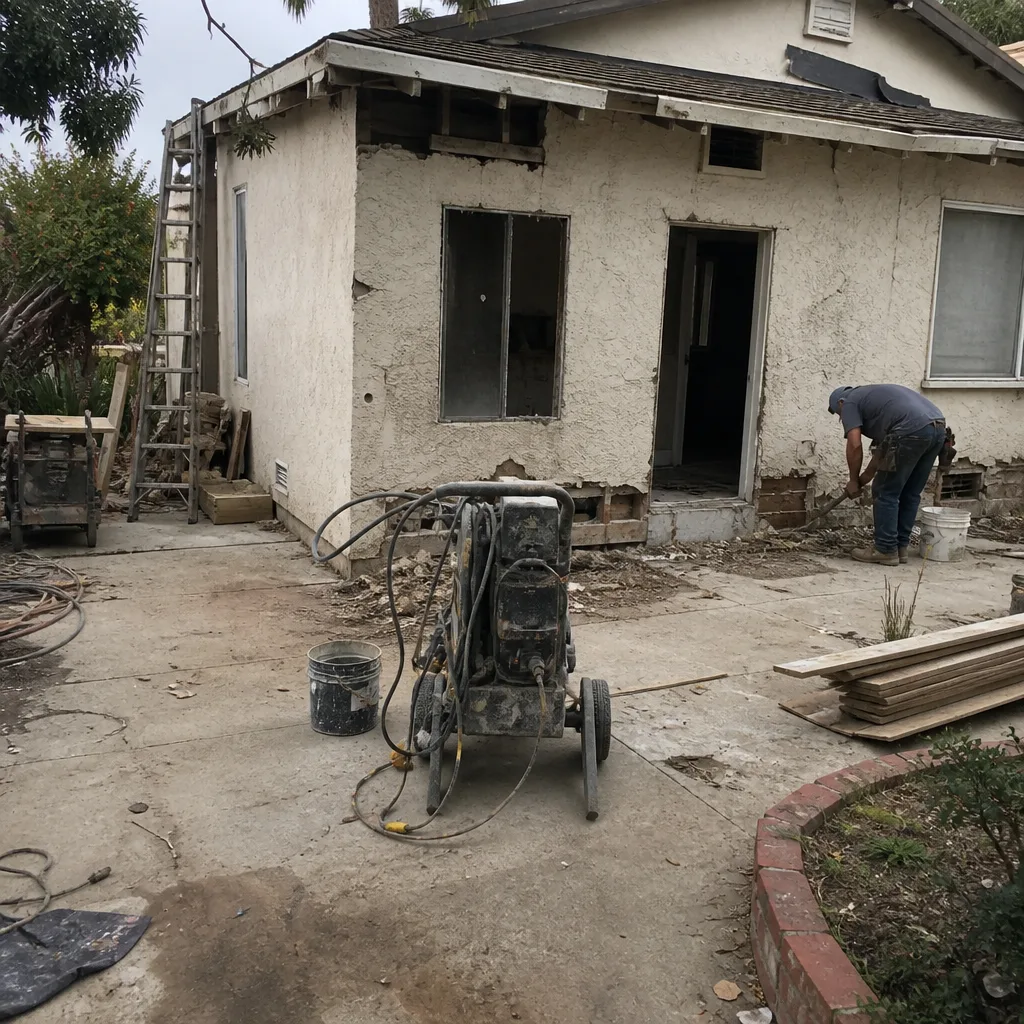 Before
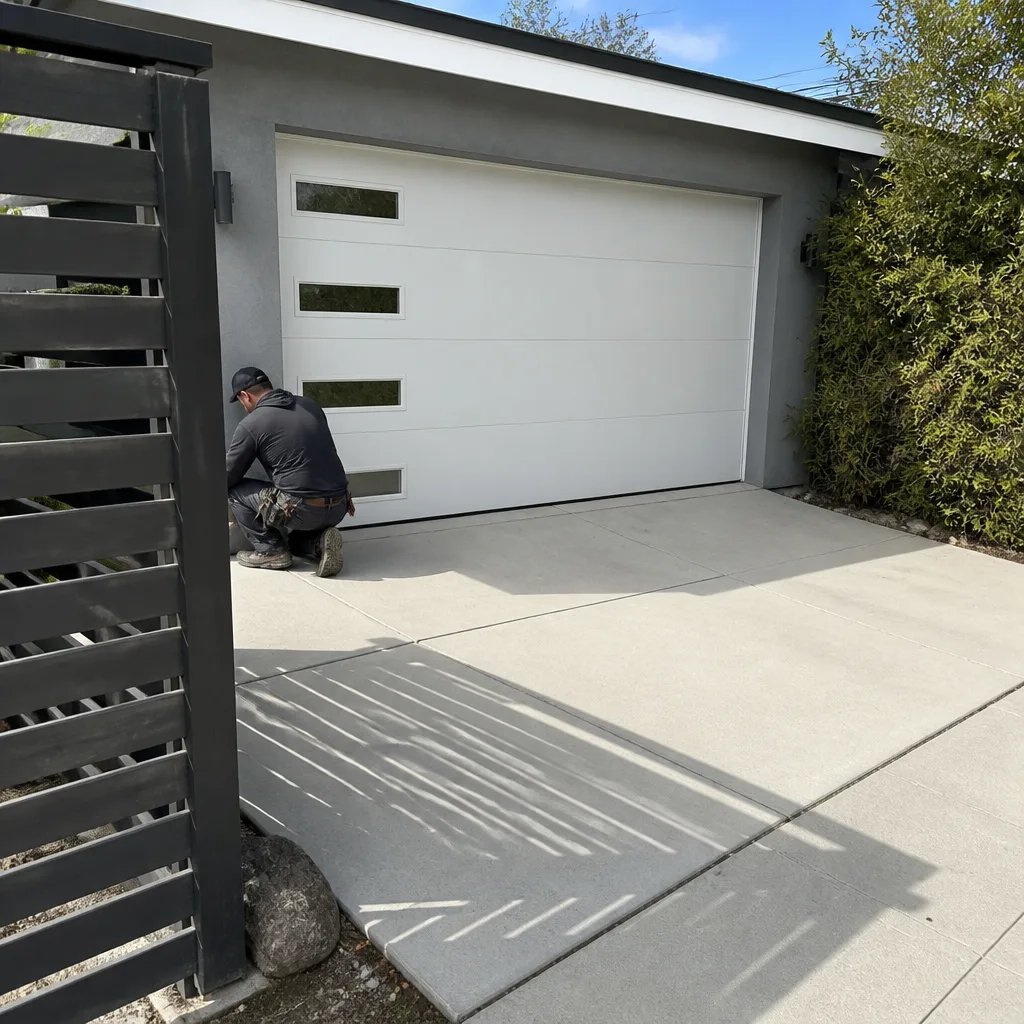 After
AfterReplacement Cost & What’s Included
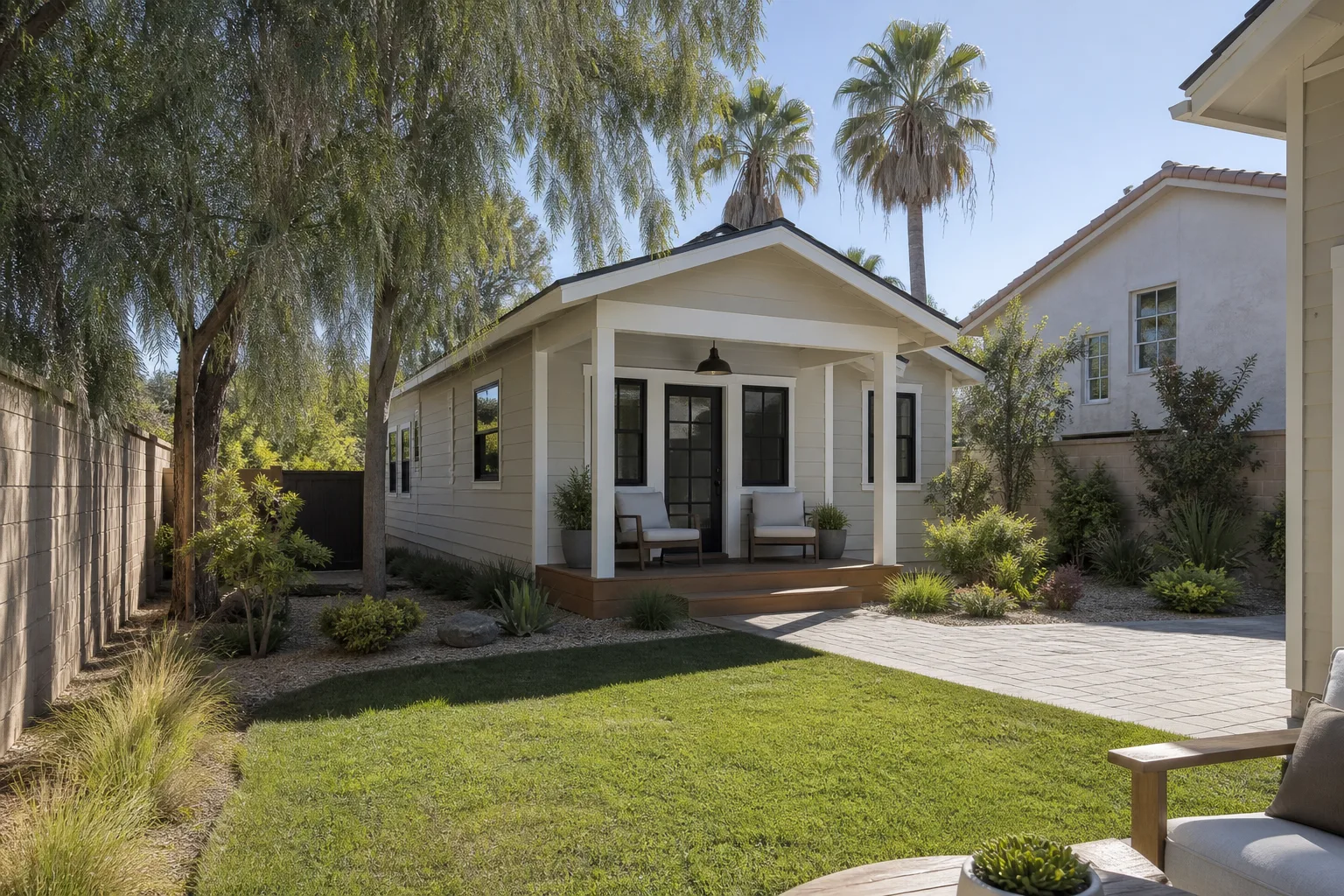
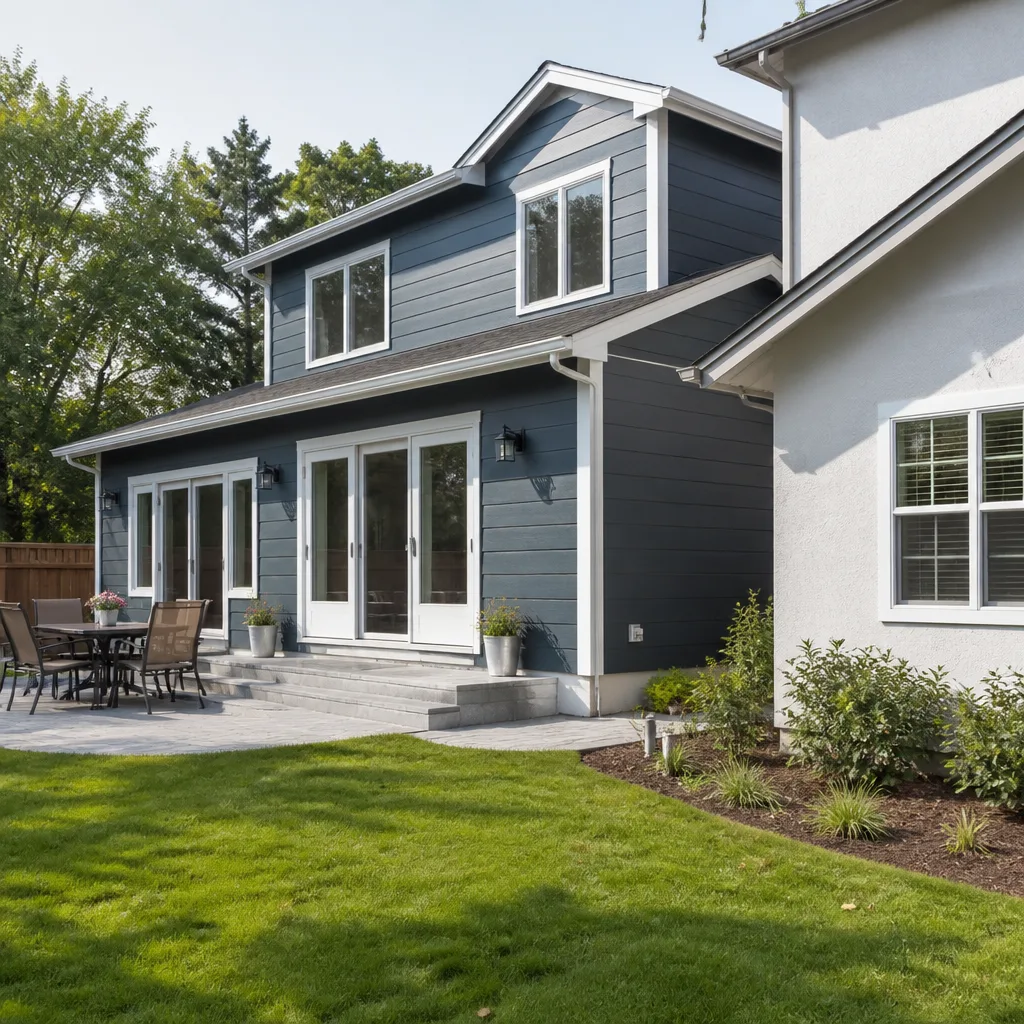
In Los Angeles, a full home addition using Quikrete foundation and block work lands between $53,100 and $153,400. An ADU runs $106,200 to $259,600. What drives the spread is square footage, whether the addition ties into existing plumbing or electrical, seismic code requirements, and whether any of the existing Quikrete work can be reinforced rather than demolished and repoured. Smaller repairs, like resupporting a settled section of block wall or patching and re-bonding Quikwall, fall well below those full-project numbers.
Every number we give includes the Quikrete product and the labor to place it correctly, plus disposal if demolition is involved. Los Angeles has specific demolition and hauling fees that most estimates conveniently leave off. Ours are line-itemed. You approve the price before work begins, and that number doesn’t change at the door. The 365-Day Done Right Promise covers the workmanship for a full year after we close the job, in writing.
DIY or Call Us?
Some things a homeowner can check. Walk the perimeter of the addition after a rain and look for water pooling. Mark any existing crack with a pencil line and date, then watch it for a month to see if it’s moving. If nothing changes, you might be fine with a cosmetic patch. But if a slab crack opens wider than an eighth of an inch, or you see stairstep cracks in block, or doors stop latching, the problem is structural. That means lift points, reinforcement schedules, and possibly LADBS permits. This is not a weekend repair, and we won’t tell you it is. For anything with structural weight, it’s cheaper to diagnose it right the first time than to demo a bad patch later.
Call (254) 272-5876 and we’ll send a background-checked technician to look at it. You’ll get a written price before any work starts, and a live arrival time when we schedule the visit.
FAQs
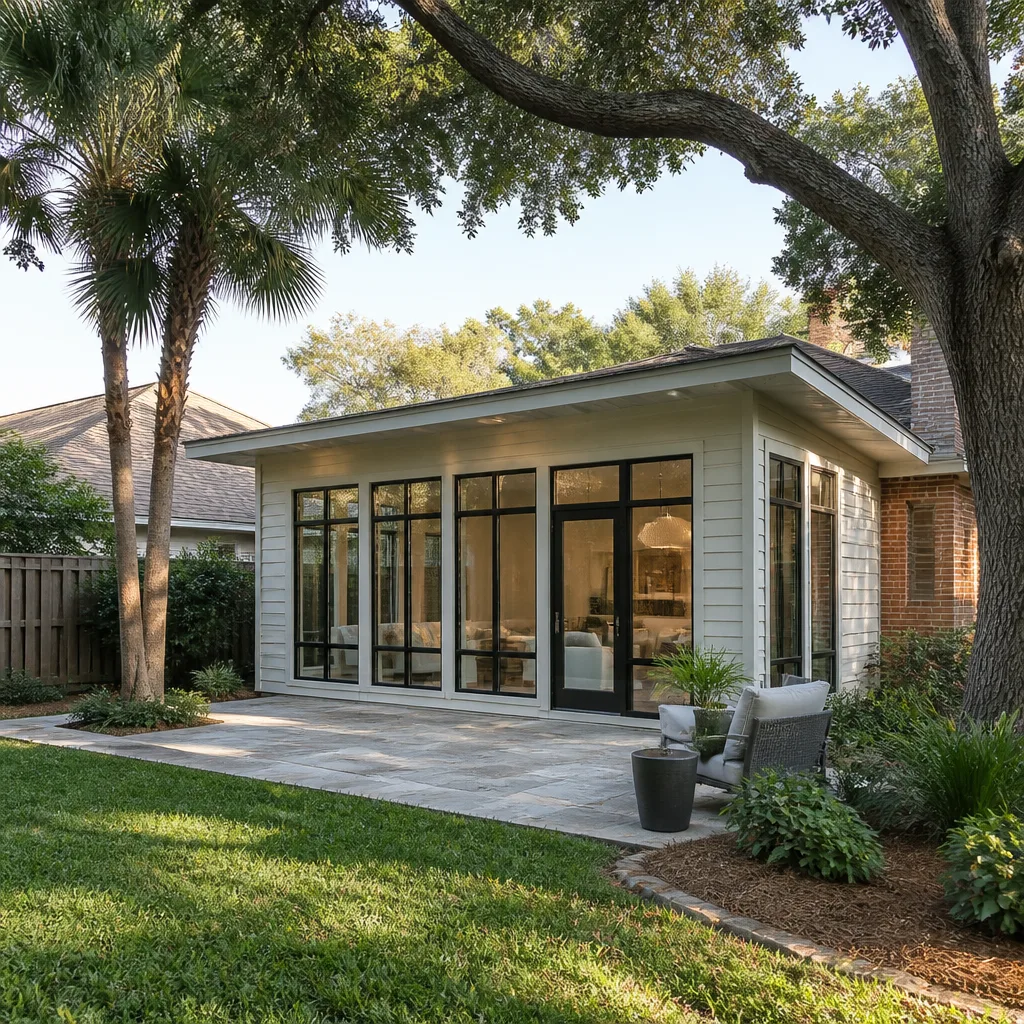
A properly installed Quikrete slab or block wall in Los Angeles lasts 50 years or more. The problem is that most early failures come from subgrade prep, not the Quikrete itself. If your slab was poured on uncompacted fill, no repair will ever outlast the soil moving beneath it. Call (254) 272-5876 and we’ll tell you what you actually have before you spend money on a fix.
Most settled or cracked Quikrete foundations in Los Angeles can be repaired with slab jacking, piering, or targeted reinforcement rather than full replacement, but it depends on the crack pattern and how long it’s been moving. If the cracks are stable and under an eighth of an inch, reinforcement is often enough. If the movement is ongoing, we have to stop the movement first. Our estimate will tell you which path applies, and it’s free.
Most structural repairs to Quikrete-based additions in Los Angeles take between five and fifteen working days, depending on whether we’re lifting and stabilizing, reinforcing existing block, or doing controlled demolition and repour. Curing time on new concrete is part of that timeline, and LA weather in summer shortens it. We’ll give you a schedule in the written estimate before you commit.
We maintain relationships with local Los Angeles suppliers that carry the full Quikrete line, including mixes specified by LADBS for residential structural work. We don’t carry bags of concrete in a warehouse, but we bring the right Quikrete product to your job the day it’s needed, in the right quantity and the right PSI for your project.
Call (254) 272-5876 for a free estimate on your Quikrete home addition or ADU repair. You’ll speak to a live person, get a written price before any work starts, and know exactly who is walking onto your property. That’s how we’ve run jobs in Los Angeles since 2005, and it’s how Luca Romano expects every Sawyer Remodeling crew to work. Good work doesn’t need a sales pitch, it just needs to be done right.
Written by Luca Romano, Owner, Sawyer Remodeling at Sawyer Remodeling, serving Los Angeles and nearby areas.