Free written scope consultation - allowances, timeline, and change-order rules on paper before a single trade is scheduled
James Hardie Windows & Doors: The Los Angeles Owner’s Guide
We stock and install James Hardie-compatible windows and doors across Los Angeles, with most replacements running between $5,310 and $17,700 installed depending on size, series, and frame condition. We keep the most common James Hardie trim profiles and sill flashings on our trucks, so in many cases we can complete the swap in a single visit. Owners usually discover a problem when a window stops seating flush, a door starts catching on its jamb, or painted HardieTrim begins peeling back from the frame after a heavy rain season.
The climate here doesn’t do favors to exterior openings. Los Angeles swings between dry heat, Santa Ana winds, and a few solid weeks of coastal moisture, and that cycle works screws loose, breaks down caulk lines, and turns small gaps into water paths. By the time a homeowner notices a sticky door or a draft, the underlying part has usually been failing for months. Luca Romano has pulled enough rotted trim from Silver Lake and Echo Park homes to know that these problems don’t self-correct.
Which James Hardie Models This Applies To
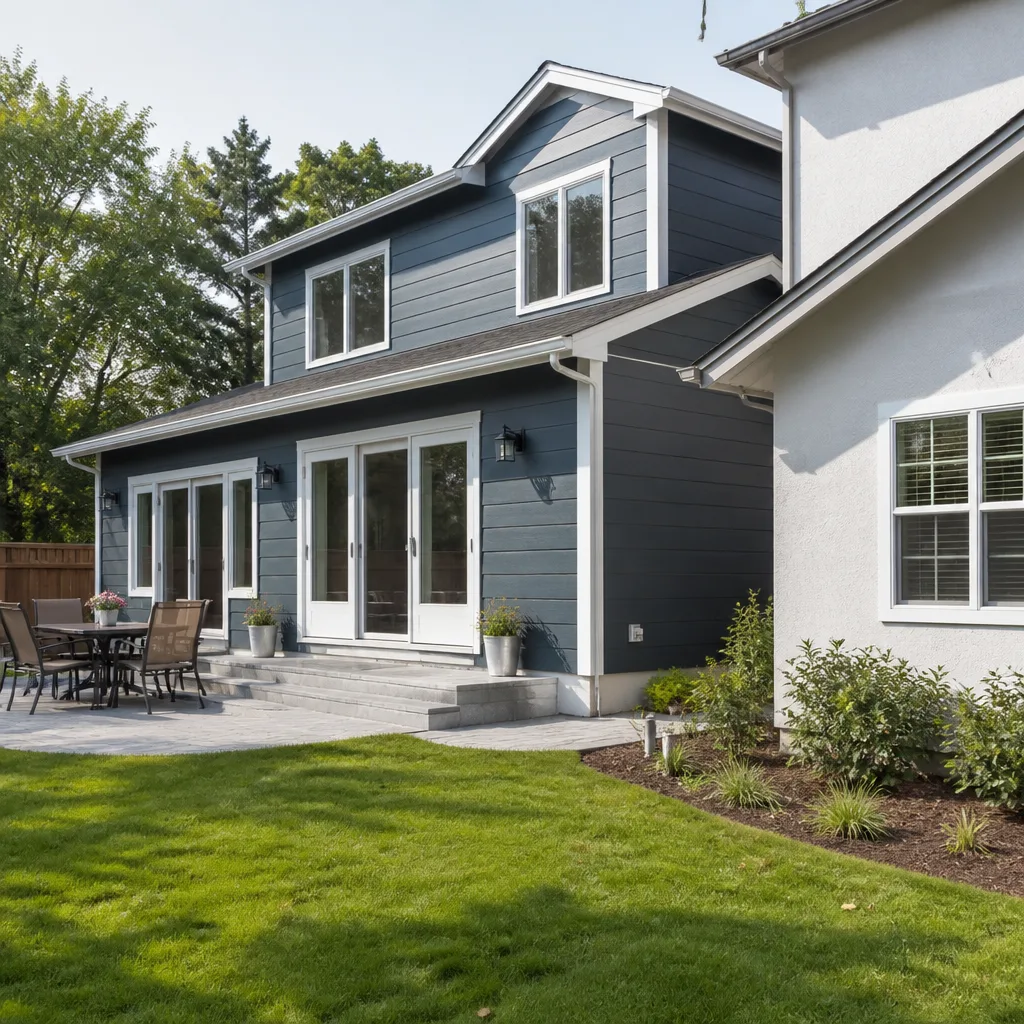
James Hardie’s window and door integration runs through their HardieTrim boards, sill flashings, and the hardieWrap weather barrier, all sized to work with standard residential openings. If your exterior has HardiePlank lap siding or HardiePanel vertical siding around the opening, the trim system is almost always HardieTrim 5/4 or HardieTrim 4/4, both installed with a 1/8-inch gap at the corners and butt joints. The gap matters more than most people realize: HardieTrim moves slightly with temperature, and when it’s butted tight, the boards buckle and crack at the fastener points.
One compatibility gotcha we see weekly in Los Angeles: houses built before 2010 often have HardieTrim nailed directly to the framing without a rainscreen, while newer builds include a drainage plane. If your house is in the older group, replacement parts need to be matched to the original installation method, not swapped for whatever is on the shelf at a big-box store. We carry OEM HardieTrim profiles in smooth and cedar-texture finishes, and for homeowners who want a budget option, we also stock a quality aftermarket fiber-cement trim that matches Hardie’s dimensions without the name-brand markup.
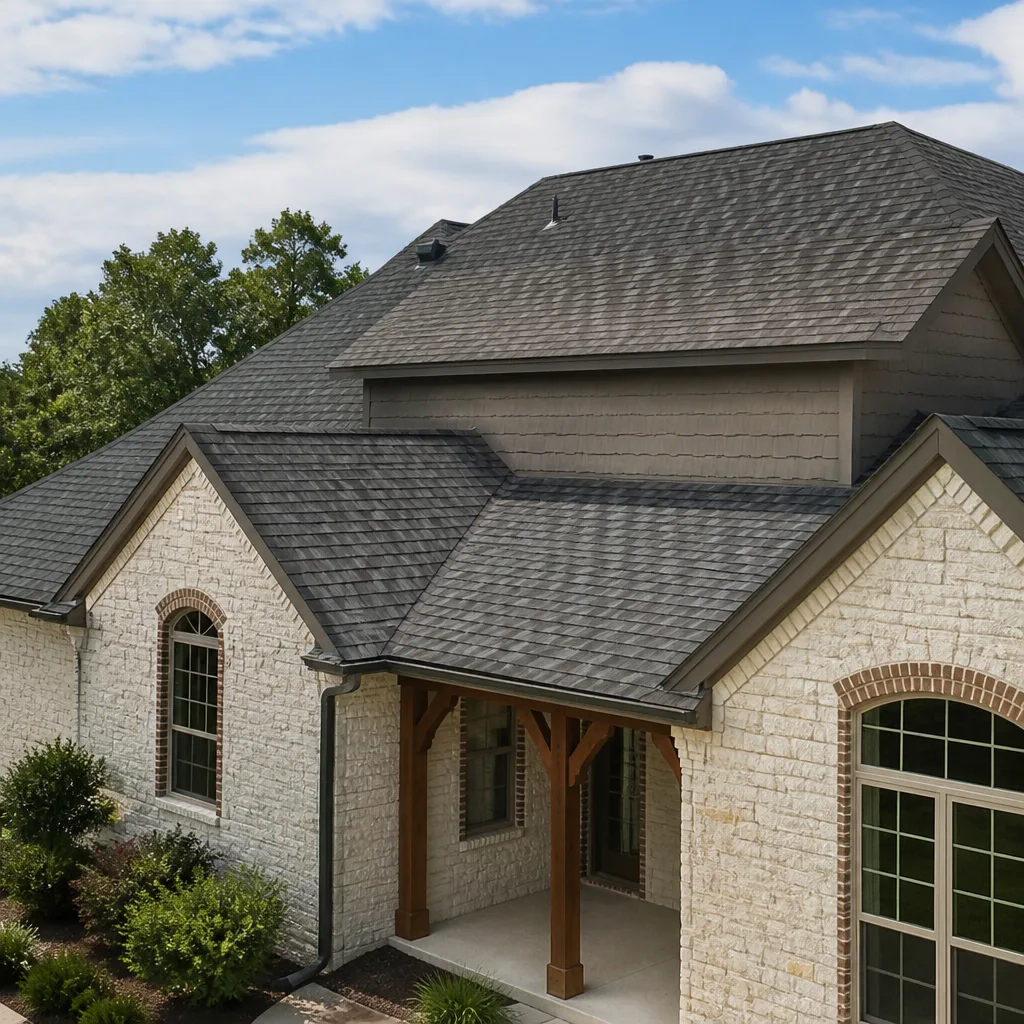
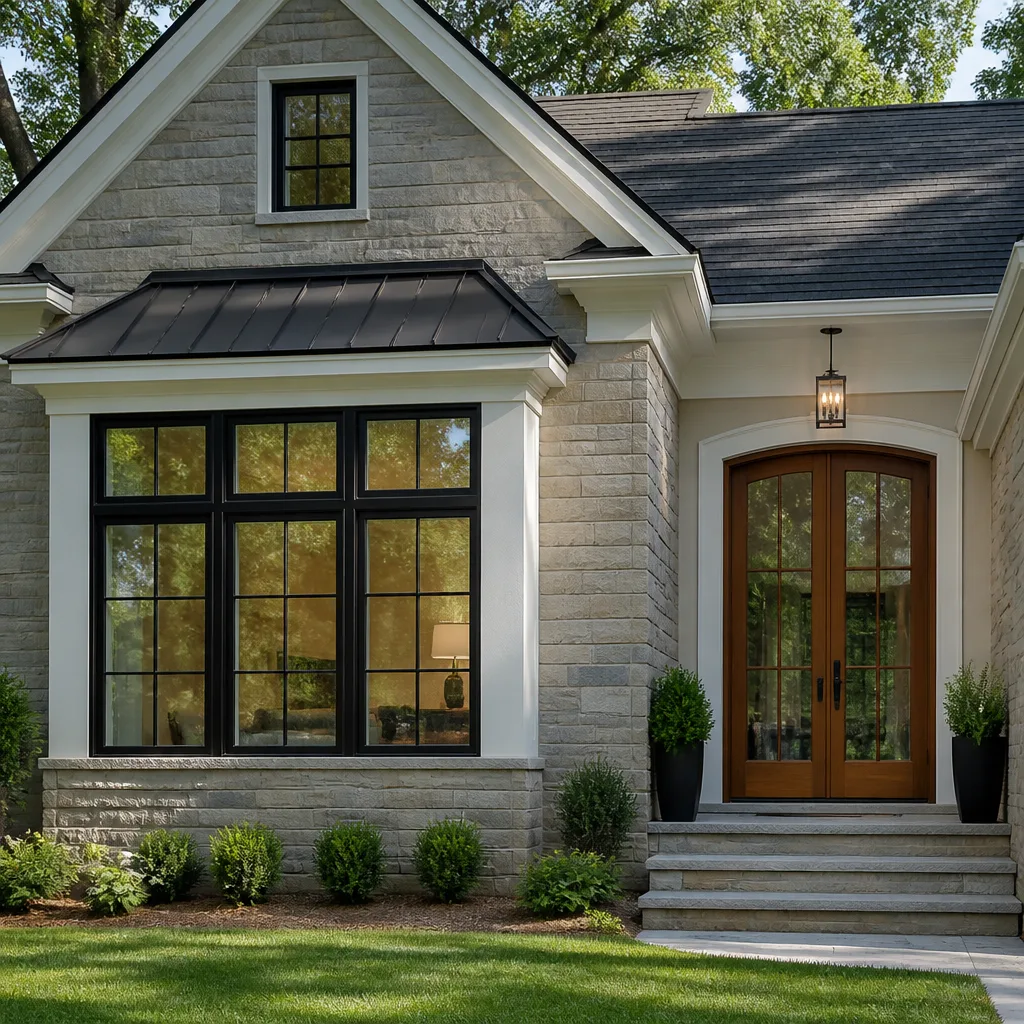
Styles & brands we work with
Signs Your James Hardie Windows & Doors Is Failing
- Visible peeling or bubbling at the trim-to-siding joint: Water is getting behind the caulk line and working its way into the trim board. In Los Angeles, this shows up first on west-facing walls where afternoon sun bakes the caulk until it separates.
- A window that suddenly sticks or a door that drags across the threshold: The frame has shifted. Most of the time the underlying cause is rotted sill flashing or a compromised king stud, not the window unit itself.
- Dark staining or soft spots at the bottom corners of the trim: This is fiber-cement absorbing moisture. HardieTrim is moisture-resistant, not waterproof, and standing water will eventually break down the board’s edges.
- Gaps between the trim and the stucco or siding: The house has settled or the original install didn’t leave the required expansion gap. Los Angeles clay soil expands and contracts aggressively between wet and dry seasons, and openings that looked fine at install start separating within a few years.
- You can feel a draft around the window frame, even with the sash locked: The window’s weatherstripping may be fine, but the surrounding HardieTrim has pulled away enough to let air move through the rough opening.
See the difference
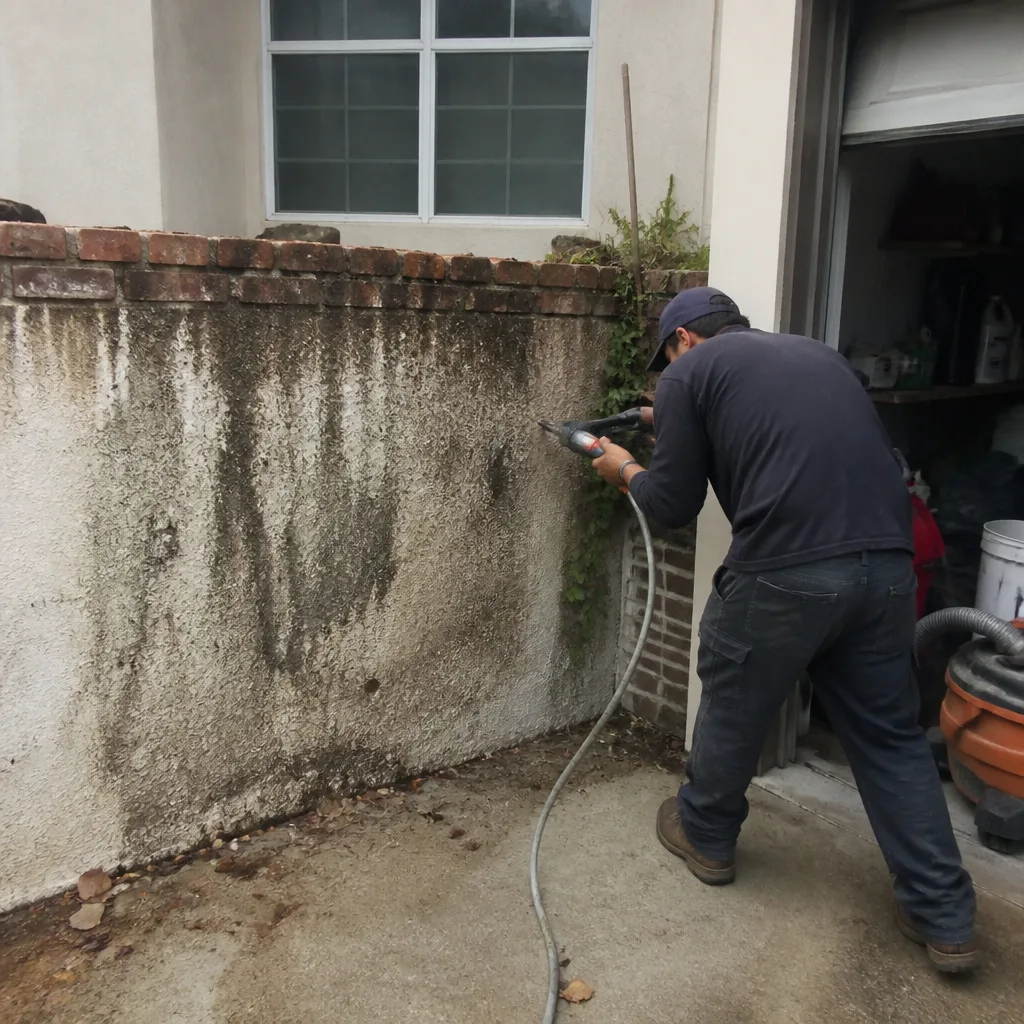 Before
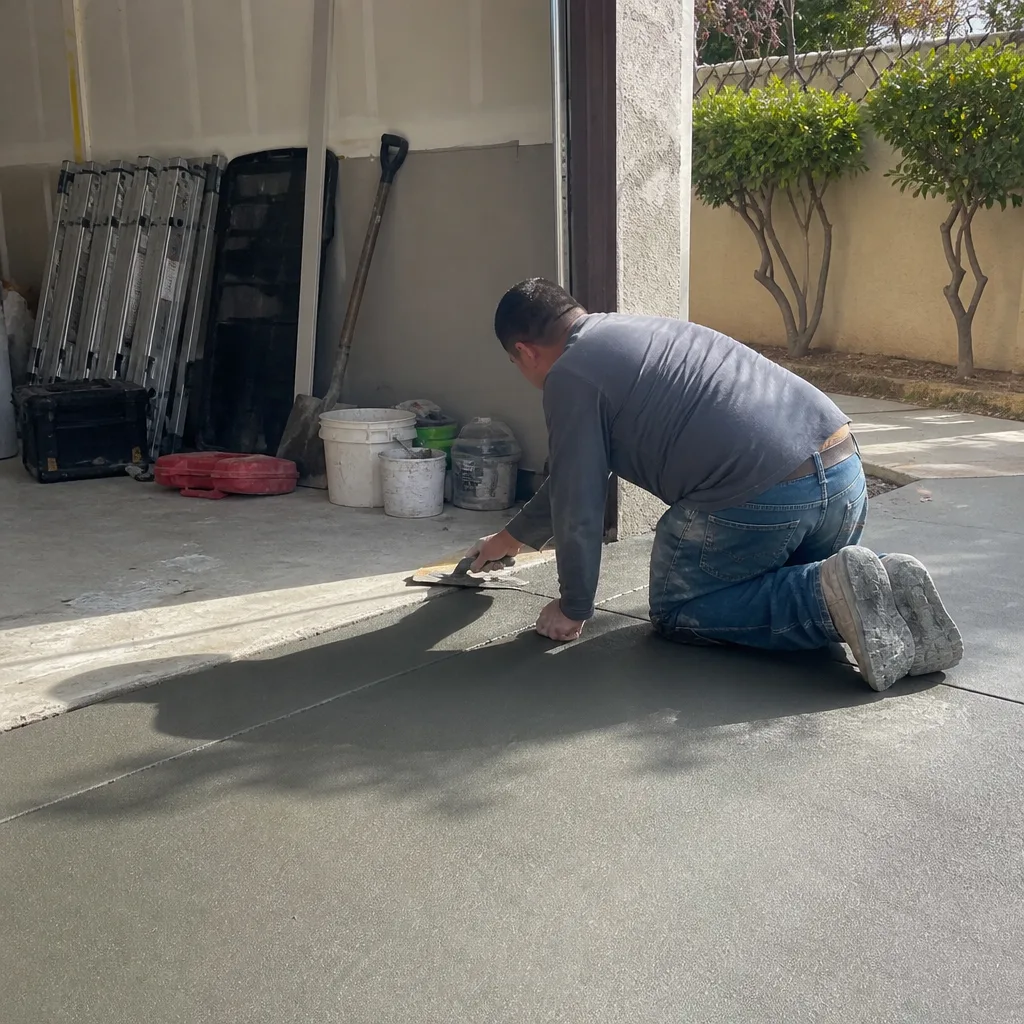 After
After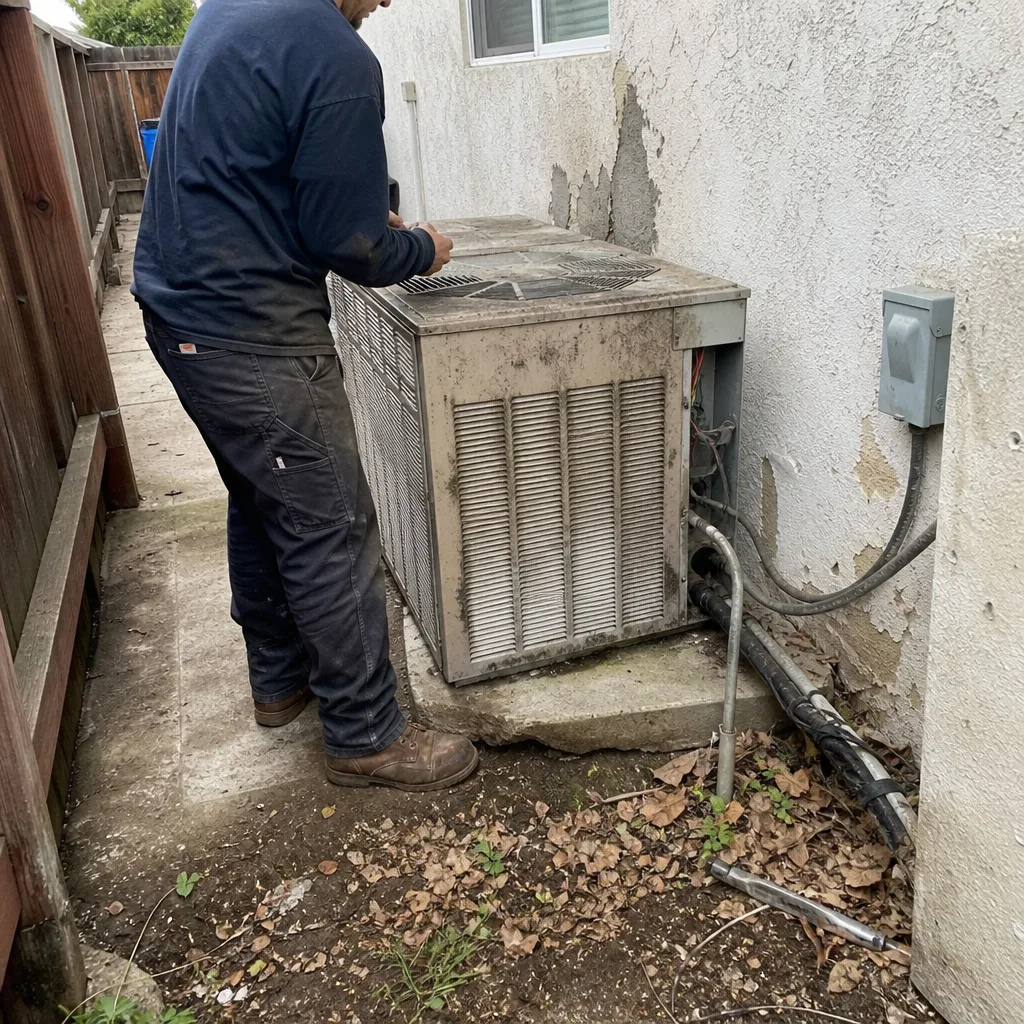 Before
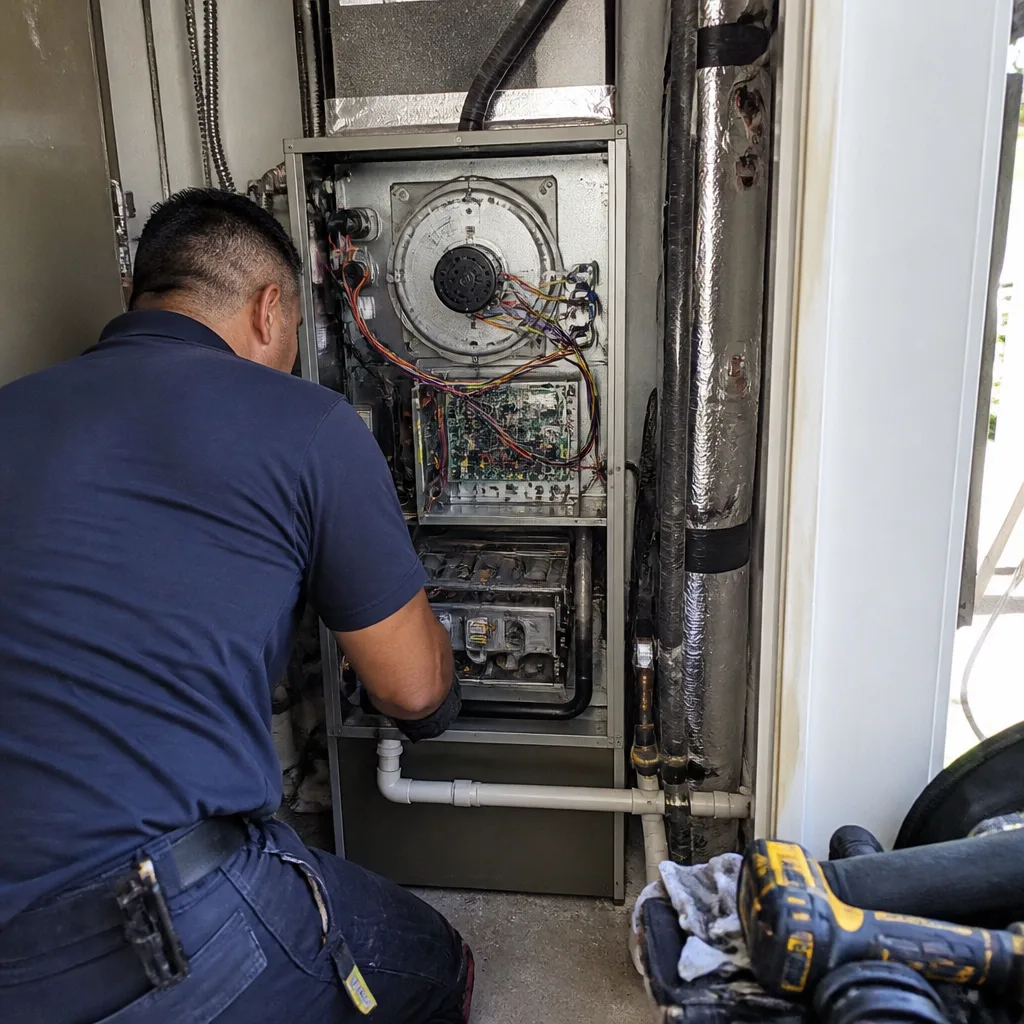 After
After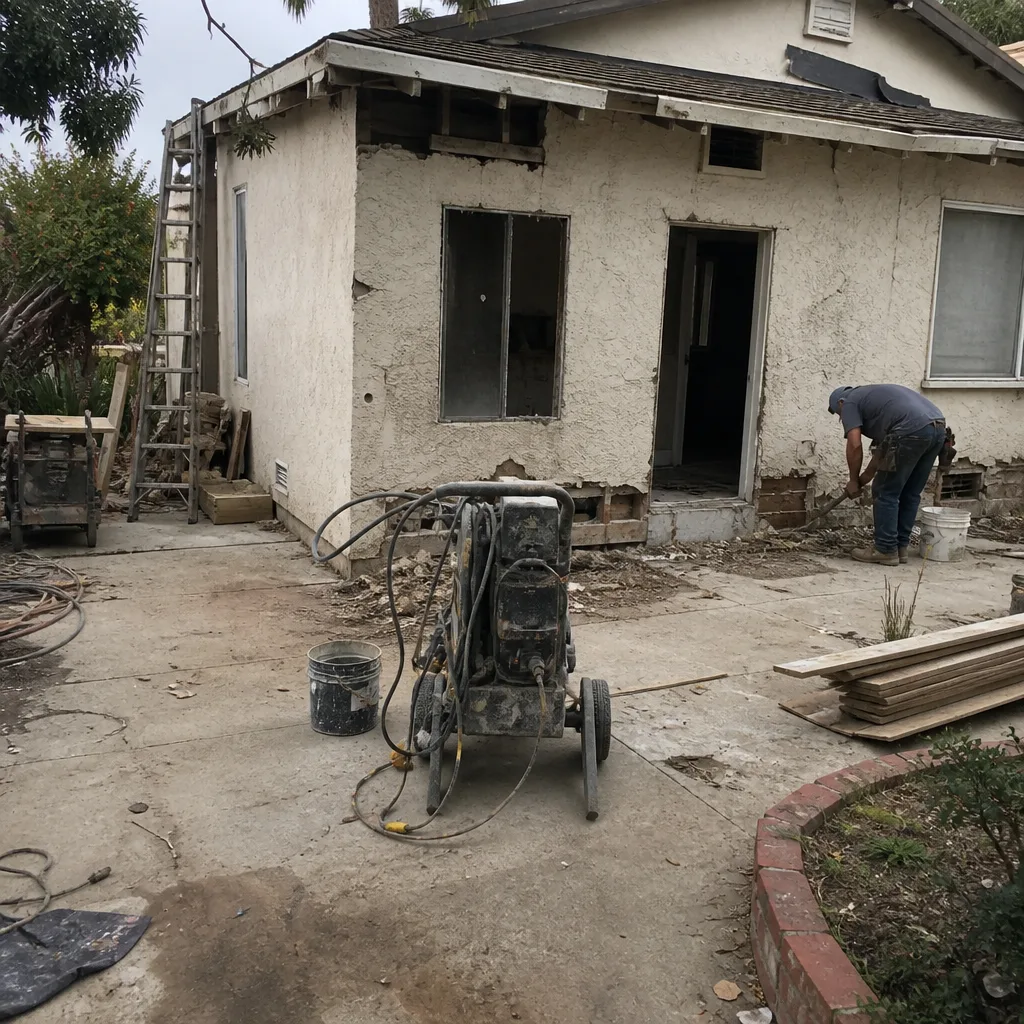 Before
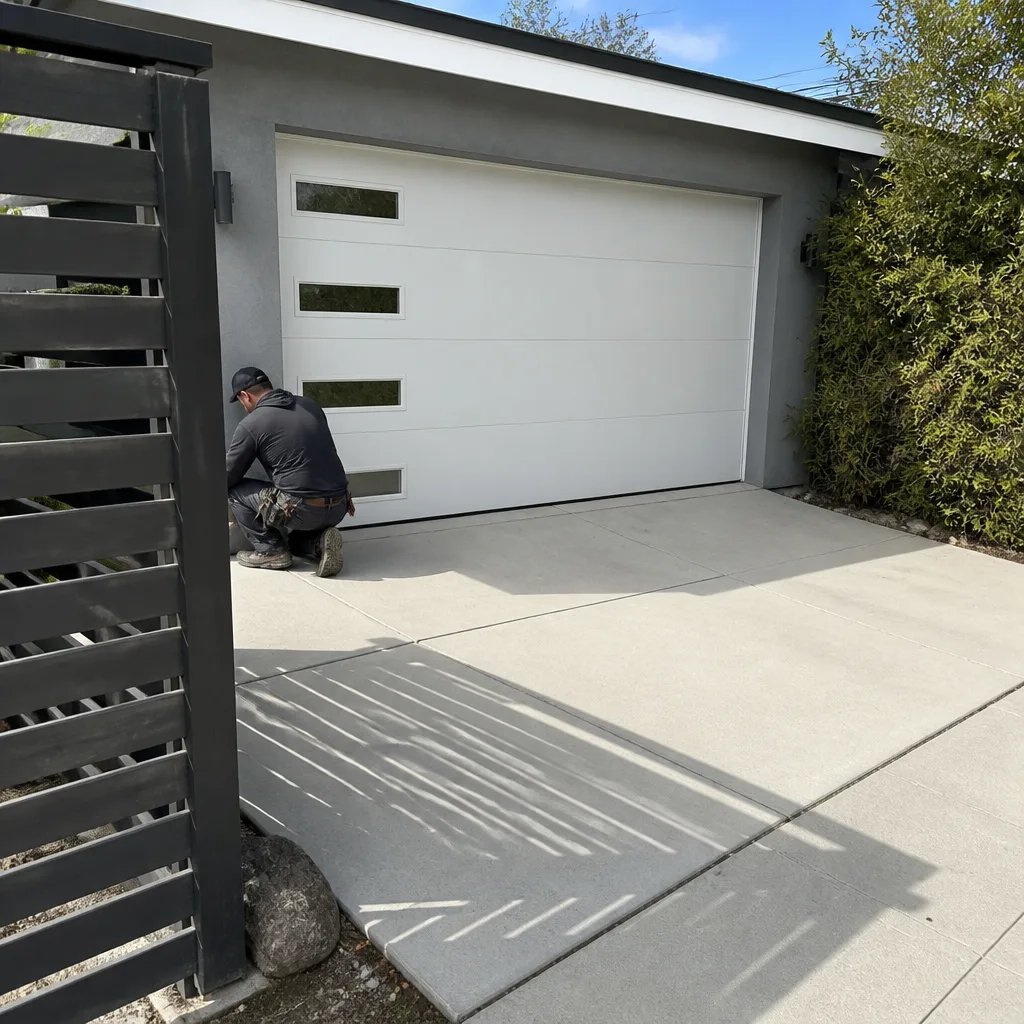 After
AfterReplacement Cost & What’s Included
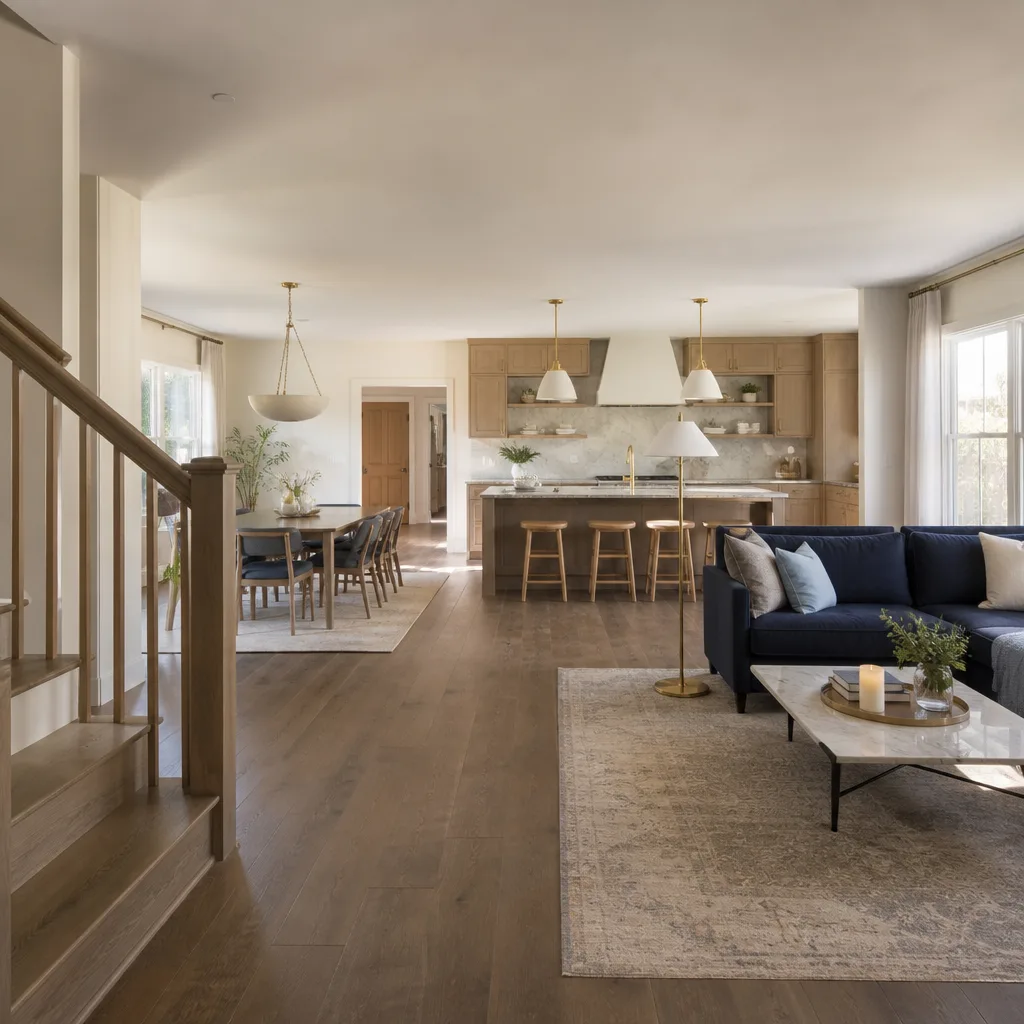
In Los Angeles, James Hardie window and door trim replacement runs $5,310 to $17,700 installed, with most single-opening jobs landing in the $6,000 to $10,000 range. The spread depends on whether we’re replacing trim boards around one window or reframing every opening on a wall, plus the amount of hidden damage behind the trim. When the underlying framing is rotted, the repair cost climbs because new lumber, treated sill plates, and longer work time come into play.
Every quote we write is a line-item price: parts cost, labor hours, and disposal. That number doesn’t change once work starts unless we find something genuinely hidden behind the wall, and if we do, we stop and show you photos before any additional work is approved. Our workmanship is covered by a written guarantee on every repair, and if the fix fails inside a year, we return and make it right under our 365-Day Done Right Promise. You’ll also get a live arrival time and photo updates before and after, because we run every job under The Relay Visibility Guarantee.
DIY or Call Us?
You can safely inspect the trim yourself: run a finger along the bottom edge of HardieTrim boards to feel for softness, check the caulk lines at corners and joints, and use a flashlight to look for gaps between the trim and the rough opening. What you shouldn’t attempt is pulling off trim boards to “see what’s behind them.” Fiber-cement removal kicks up silica dust, bandsaw cutting requires the right blade, and once a board is off you’re looking at the same water damage repair we’d be doing anyway, just now with an exposed opening and a bigger problem.
If the window unit itself has failed and you need full window replacement, that’s an impact-window or replacement-window job, and the same rule applies: messing with the flashing and weather barrier on a Los Angeles house without knowing how Hardie’s system ties together will create a leak you won’t find until the next rain. Call us at (254) 272-5876 for a free estimate and we’ll tell you honestly whether it’s a trim job or a full opening replacement. Good work doesn’t need a sales pitch – it just needs to be done right.
FAQs
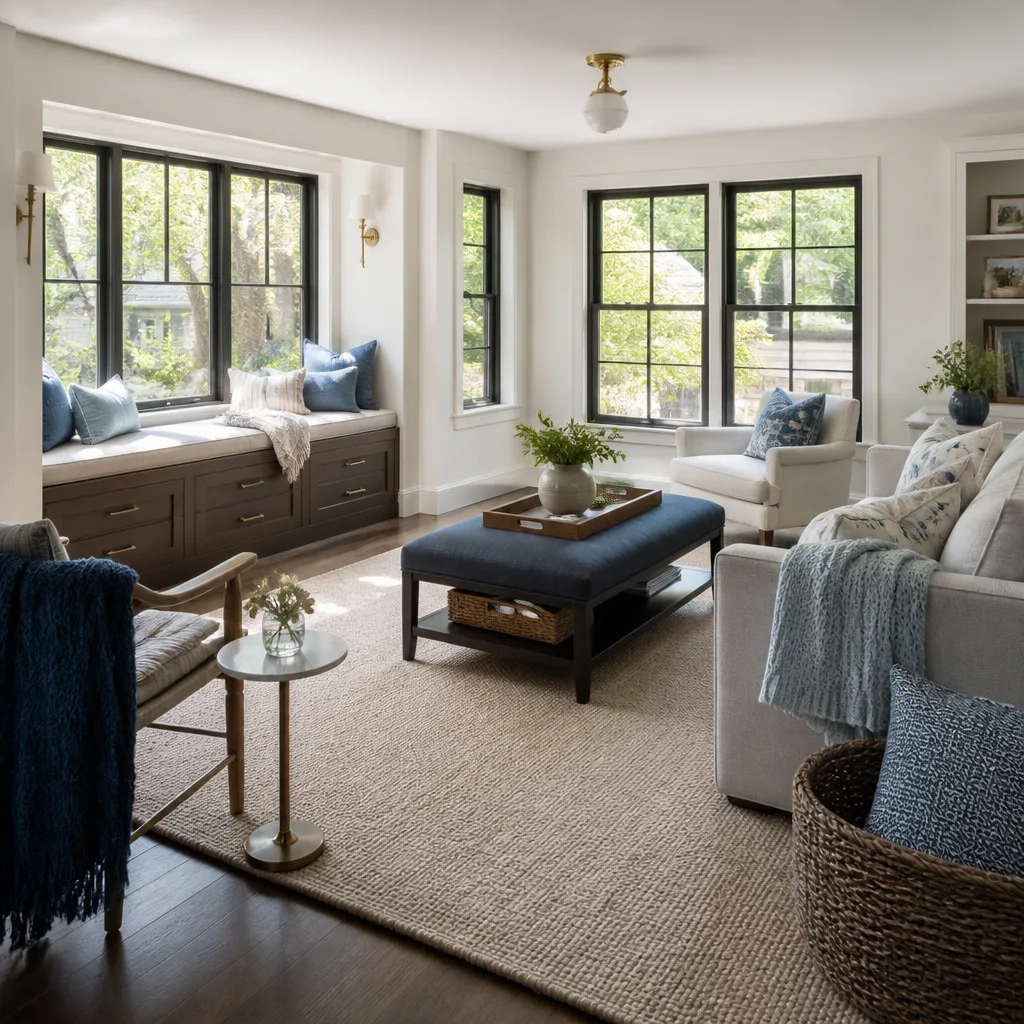
The HardieTrim and flashing around your windows and doors typically lasts 20 to 30 years in Los Angeles before needing replacement, with sun exposure and irrigation overspray being the two things that shorten that lifespan, though the window units themselves usually fail before the trim does.
If your trim is failing earlier than that, it’s almost always an installation problem, not a product problem. Call (254) 272-5876 and we’ll inspect it for free.
Small spots of rot or damage at the bottom edges can sometimes be cut out and patched with a color-matched replacement board, but once water has wicked more than a few inches into the fiber-cement, full replacement is the only fix that lasts. For anything beyond surface caulking, we recommend replacing the affected board, because fiber-cement patches on structural openings don’t hold a paint line the way wood does.
A single window or door trim replacement in Los Angeles typically takes one day from start to finish, including removal of the old board, inspection of the rough opening, installation of the new trim, and caulking and paint prep. A full wall with multiple openings takes two to three days.
We’ll give you a written time estimate with your quote so you know exactly what to expect before we start.
We stock the most common HardieTrim profiles (5/4 and 4/4 in smooth and cedar-texture), sill flashings, and the compatible fasteners and caulks on our service trucks, so most basic replacements get done in one visit. Special-order items or full window replacement packages for Los Angeles homes usually take three to five business days.
We also stock parts for KraftMaid, Cambria, and Silestone product lines for kitchen and bath projects.
Written by Luca Romano, Owner, Sawyer Remodeling at Sawyer Remodeling, serving Los Angeles and nearby areas.