
Bathroom Remodeling: Repair or Replace? How Los Angeles Homeowners Decide
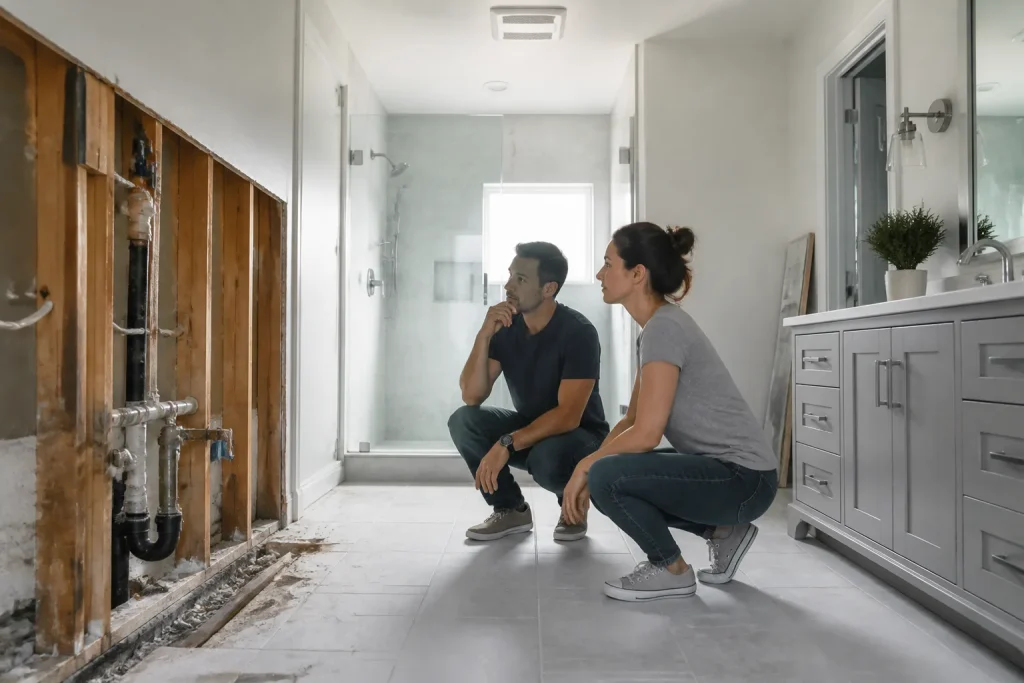
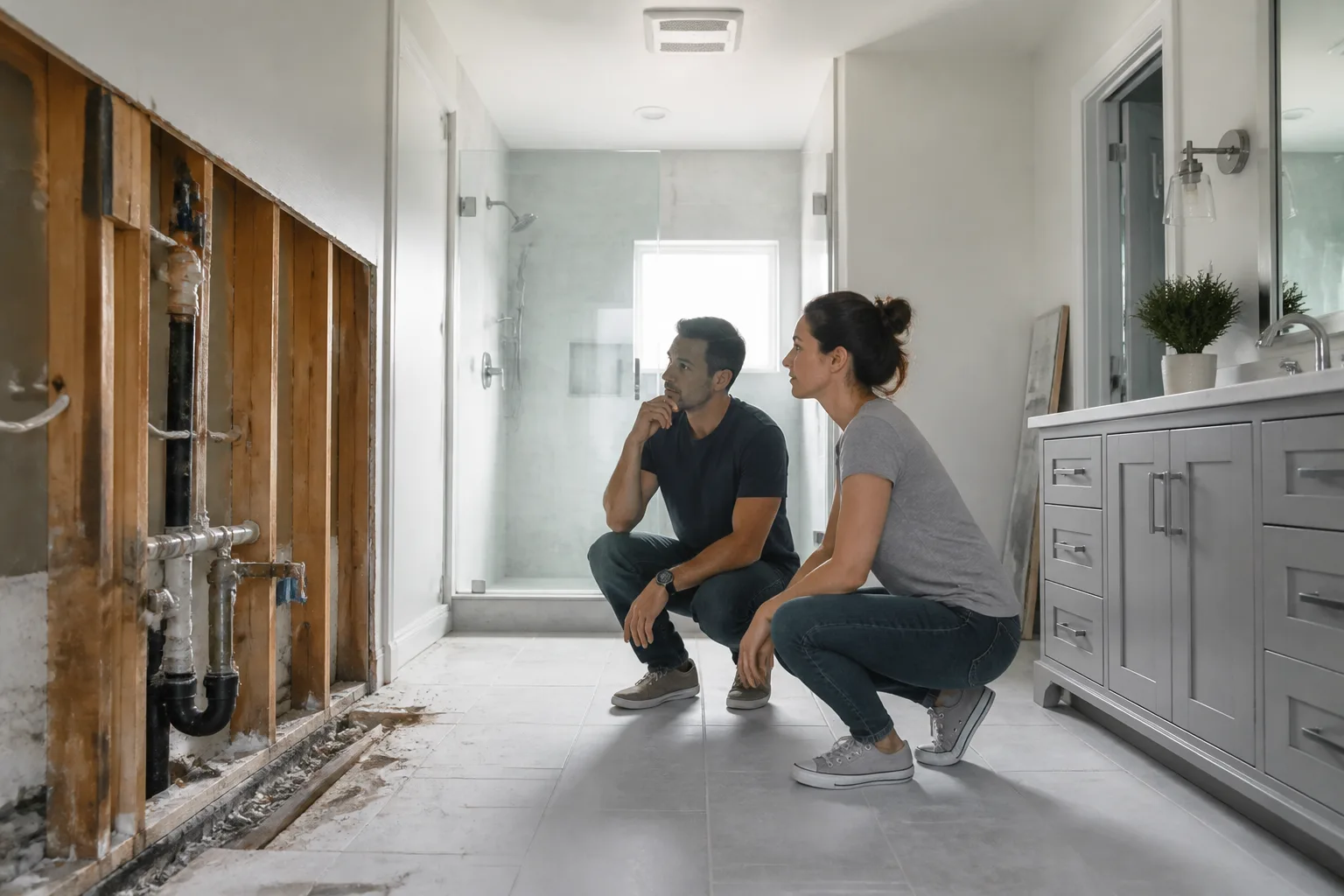
Most LA homeowners decide whether to repair or replace a bathroom by looking at the wrong number. They price the cracked tile, the dripping faucet, or the stained tub, and forget that half the cost of any bathroom fix is what’s hiding behind it. The honest answer: if the problem is cosmetic and the waterproofing underneath is intact, repair it. If water has been getting past the surface, you’re not repairing a bathroom, you’re delaying a replacement.
In our experience, the moment you start pricing a repair and realize the surrounding tile has to come up anyway, the math flips fast. If you’d rather skip the detective work, call Sawyer Remodeling at (254) 276-4058 and we’ll tell you straight which side of the line your bathroom falls on.
Why the Repair vs. Replace Decision Goes Wrong in Los Angeles
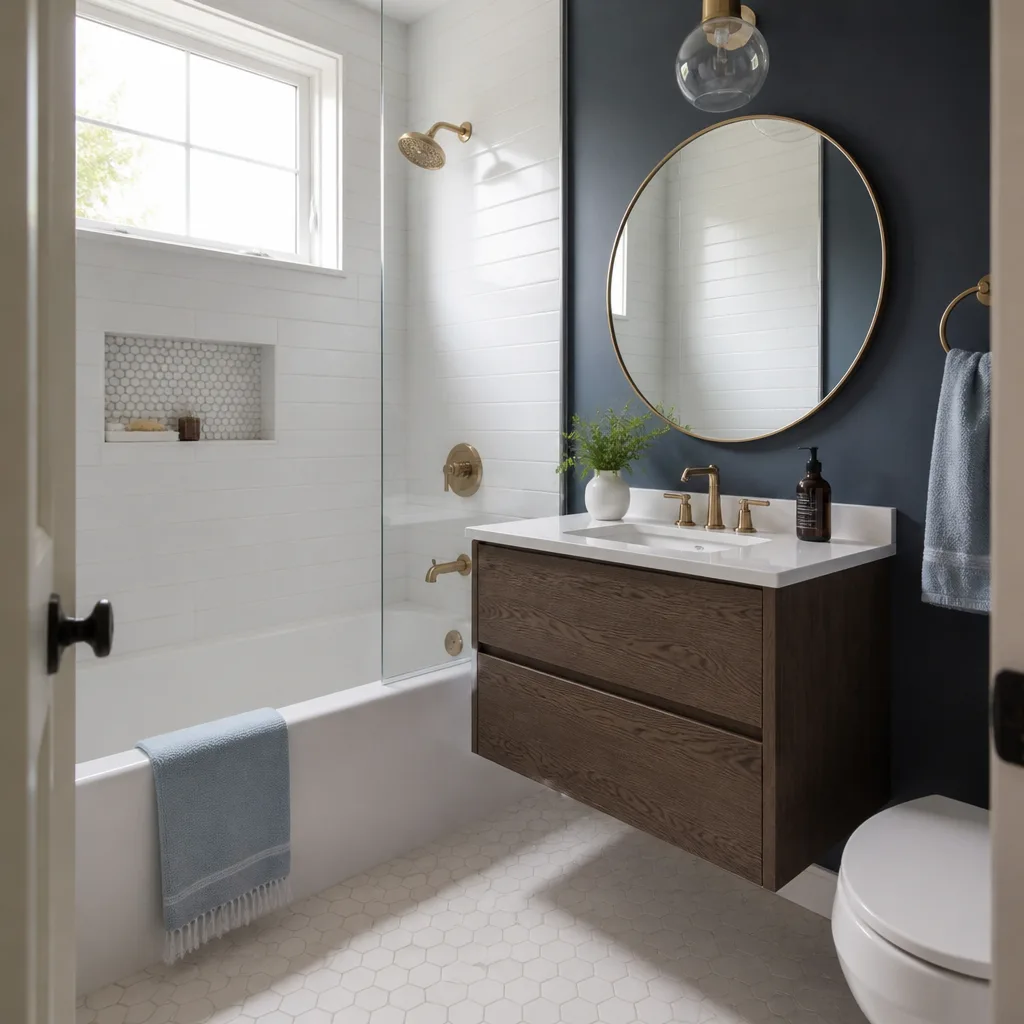
In Los Angeles, most bathroom problems get diagnosed by looking at what’s visible. A homeowner sees a cracked floor tile and calls a handyman, who pops the tile off, slaps a new one down, and charges $300. Six months later, the tile next to it cracks because the mud bed underneath shifted in the first place. The $300 repair was actually a $300 preview of the $14,000 job that was always coming.
The real split isn’t between repairing a fixture or replacing it. It’s between repairing a component and repairing a system. A shower is a system: tile, grout, waterproofing membrane, drain, supply lines, valve body, and framing all work together. You can replace one part, but if the part next to it is already failing, you haven’t bought yourself much time.
Here’s what actually drives the decision, in our experience across hundreds of LA bathroom remodels:
- Water damage history: If the shower pan has ever leaked, or the tile grout has visibly failed, the waterproofing layer is suspect. No amount of re-grouting fixes what’s already soaked through.
- Age of the rough plumbing: A 1970s bathroom with original galvanized supply lines and a cast iron tub has aging bones. Repairing the surface without addressing what’s behind the wall is like patching a tire with a slow leak.
- What the tile is stuck to: Pre-1980s LA bathrooms often have tile set on a thick mortar bed. It’s durable when intact, but once it cracks, patching it is a temporary bandage. The whole floor has to come up.
- Code updates: Any repair that opens a wall in Los Angeles triggers current code requirements for waterproofing, ventilation, and sometimes GFCI outlet placement. A “small repair” can legally expand into a full wall rebuild.
We walk through this with homeowners every week. The question that actually matters is: what’s the scope behind the scope? If you don’t know the answer yet, you don’t have enough information to make the repair call. This is where a Bathroom Remodeling in Los Angeles professional becomes less of a pitch and more of a diagnostic tool.
The Hidden Cost Most Homeowners Never See
Let’s put some real numbers on a common LA scenario. Say you have a 1978 bathroom in the Valley with a cracked bathtub. The tub itself runs about $600 for a basic acrylic replacement. But here’s what actually happens when a contractor pulls that tub out:
- The tub was set after the tile went up, which means removing it requires cutting back the first row of tile, which is brittle and breaks
- Behind that tile is drywall, not cement board, because 1978
- The drywall is water-damaged along the bottom 12 inches
- The drain trap is a 1.5-inch galvanized pipe that’s corroded and technically out of code
- The subfloor around the drain has darkened, meaning water has been sneaking past the flange for years
Now your $600 tub is a $9,000 to $14,000 job because the surrounding wall, floor, and plumbing are all part of the same repair. This isn’t a contractor upselling you. This is what any honest professional in Los Angeles will find when they open that wall.
The way you avoid this surprise is to price the repair as a system, not as a fixture. Ask your contractor for a worst-case estimate alongside the best-case. If they refuse to talk worst-case, they’re either inexperienced or setting you up for a change order later.
When a Repair Is the Right Call
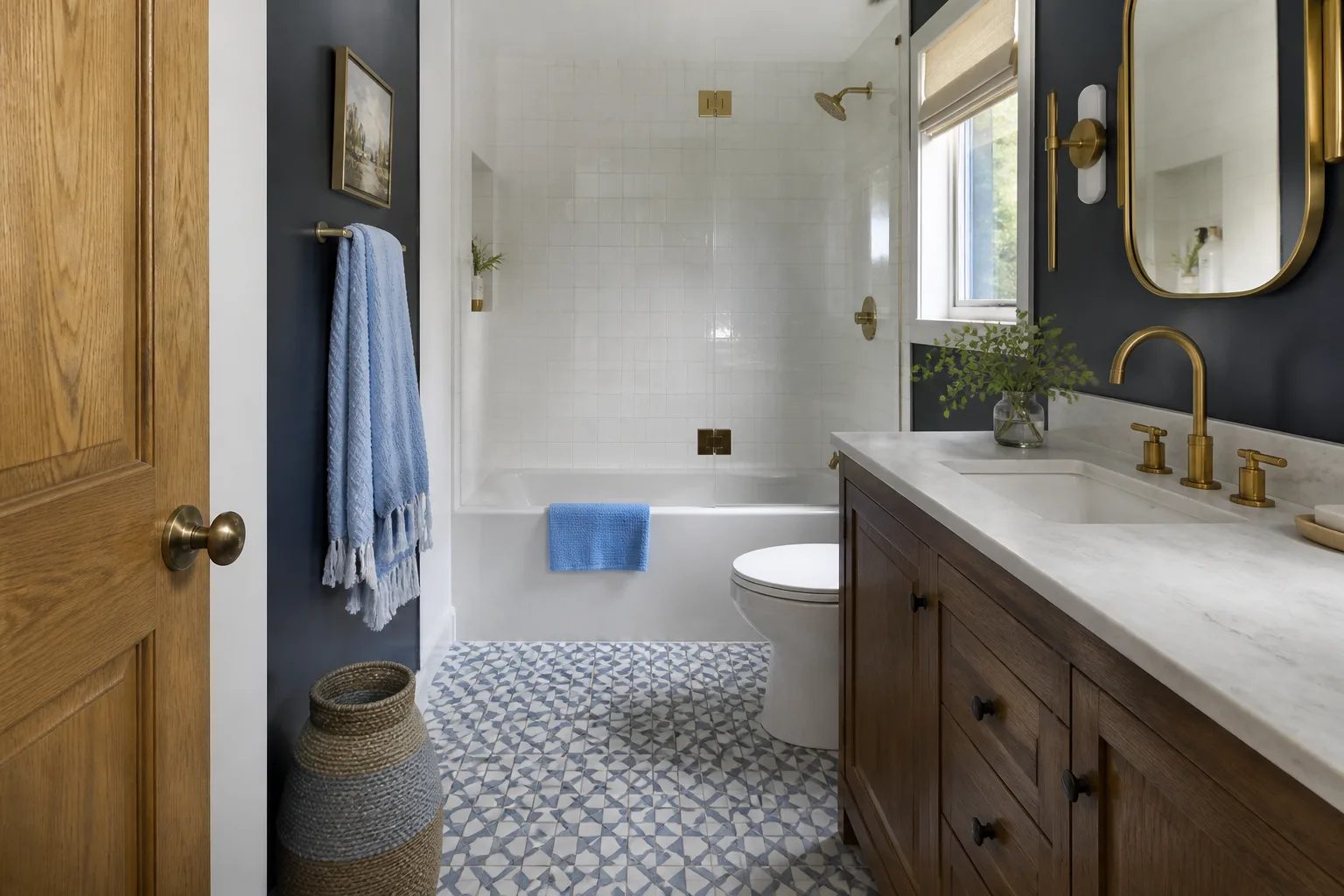
Repairs make sense when the failed component is isolated and the systems around it are sound. Here’s what that looks like in real Los Angeles homes:
- A single cracked tile with solid surroundings: If the floor doesn’t flex, the grout isn’t crumbling elsewhere, and there’s no sign of moisture, a single tile replacement is reasonable.
- A dripping faucet with good valve integrity: Replacing a cartridge in a Moen or Kohler valve is a $30 part and an hour of labor. As long as the valve body itself isn’t pitted, this is a true repair.
- A vanity swap with intact plumbing walls: Replacing a bathroom vanity without touching the supply lines or moving the drain keeps the job small. The wall behind the vanity is rarely the problem.
- Grout that’s discolored but not cracked or missing: Professional grout cleaning and sealing can restore appearance without opening the wall. This is cosmetic, not structural.
A good rule from the field: if the repair doesn’t require opening a wall or pulling a fixture that’s set into tile or mortar, the scope stays manageable. If it does, start pricing the full replacement and work backward. Most of the time, the numbers will point you toward the full job.
When Replacement Is the Only Honest Option
We tell LA homeowners this plainly: if water has been getting anywhere it shouldn’t, you don’t repair, you replace. Water damage doesn’t stay put. It travels through grout lines, wicks up drywall, and feeds mold in the wall cavity where you can’t see it.
These are the conditions where a full replacement is not upselling, it’s the only thing that fixes the problem:
- Failed shower pan: A shower pan leak means water has been running under the tile every time the shower is used. The pan, subfloor, and lower wall framing all need to come apart to assess and rebuild.
- Soft subfloor or visible water staining: This indicates the waterproofing has already failed. Replacing the tile on top without replacing the structure below is cosmetic theater.
- Original cast iron or galvanized plumbing: Here’s the thing about cast iron tubs and galvanized pipes in LA: they lasted an impressively long time, but they’re now at end of service life. By 2026, a 60-year-old cast iron tub likely has hairline cracks at the drain and rust on the underside. Patching it buys you months, not years.
- Mud-set shower floors that have started to move: In Los Angeles, especially in older neighborhoods like West Adams and Atwater Village, many showers have thick mortar beds. When they crack, they create a spider web of movement that threatens the tile above. The mortar bed has to be broken out and rebuilt, which is a full shower replacement.
When a buyer’s inspector sees a haphazard repair, they flag it. When they see a new shower system with a modern waterproofing membrane, a proper Schluter edge trim (the metal strip that waterproofs where your tile meets the floor), and code-compliant plumbing, they check the box and move on. In LA’s real estate market, a bathroom that looks fixed but isn’t fixed is a liability. A bathroom that’s actually rebuilt is equity.
How to Price Both Options the Smart Way

Here’s a practical move that saves LA homeowners thousands and weeds out dishonest contractors fast: ask for a repair quote and a replacement quote for the same bathroom in the same visit.
This does two things. First, it gives you the real scope of the job because the contractor has to walk through what a full replacement would involve. Second, it forces the numbers into the open. A contractor who only quotes the repair and goes quiet when you ask about full replacement is telling you something useful: they don’t want you to know the real number, or they can’t do the bigger job.
Here’s how the conversation should go:
- Ask what the repair actually includes: Does the quote cover waterproofing if the tile has to come up? Does it include matching tile if the existing line is discontinued? Does it include redoing the grout in the surrounding area?
- Ask what happens if the repair fails: At Sawyer Remodeling, every project includes the Done Right Promise in writing. If it’s not done right, we make it right, for a full year after the project closes. That’s the minimum you should accept from any contractor.
- Ask about change orders: Our pricing model is simple: you get a written price before any work starts, and the number on the invoice is the number you approved. No change orders, no surprise add-ons. If a contractor can’t promise that, the quote isn’t real.
A real example from our work in Los Angeles: a homeowner called us about re-grouting a shower in a 1987 condo. The grout was failing in patches, and she wanted the cheapest fix. When we tested the tile, several pieces were loose, which told us the setting bed was degrading. The re-grout quote would have been about $900. The full replacement, including plumbing update, came to just over $12,000. She chose the replacement. Six months later, she told us the shower actually drains properly for the first time since she bought the place. That’s the difference: a repair fixes what you see, a replacement fixes what you’ve been living with.
What Home Insurance Actually Covers (and Doesn’t)
One thing many Los Angeles homeowners don’t realize when deciding between repair and replacement: insurance rarely covers a bathroom failure. Insurers classify most bathroom water damage as gradual damage, which is excluded from standard policies. They’ll cover a burst pipe that floods your bathroom suddenly. They won’t cover a shower pan that’s been leaking slowly for three years.
Before you file a claim, understand this:
- Sudden and accidental: covered. A supply line that bursts and floods the room, a water heater that fails and soaks the floor, a toilet tank that cracks. These are typically covered, minus your deductible.
- Slow leak, hidden rot, poor maintenance: not covered. The insurance adjuster will look for evidence of long-term damage. Discolored subfloor, repeated patches, visible mold at the base of the tile. That’s on you.
- Mold remediation is often a separate rider or excluded: California policies have been tightening mold coverage for years. Don’t assume.
The lesson: waiting to repair a small problem until it becomes an insurance claim is a losing game. By the time you’re sure it’s a problem, it’s been a problem for years, and the insurer will point to the fine print. The cheapest bathroom repair is the one you do before the damage spreads to the structure.
When to Call a Pro
If your bathroom problem involves a shower pan, a tile floor, a tub set into the deck, or any plumbing that’s behind a wall, it’s time call a professional. We know homeowners like to save money, and we respect that. But waterproofing work is not a YouTube project. If the membrane goes in wrong, you won’t know until the mold starts showing through the drywall on the other side of the wall. By then, the fix costs triple.
For Los Angeles homeowners weighing their options, a General Contractor in Los Angeles can walk the bathroom with you, point out what’s failing, and give you both numbers: the repair and the replacement. That conversation is free. The wrong guess costs thousands.
Related services in Los Angeles: Home Renovation in Los Angeles covers bathrooms that are part of a larger remodel.
The Bottom Line
The repair-or-replace decision in Los Angeles almost always comes down to one question: has water gotten past the surface? If the answer is no, repair the visible problem and move on. If the answer is yes or probably, you’re not deciding whether to fix a component, you’re deciding whether to fix the system properly now or pay more later.
Here’s what to remember:
- Price the system, not the fixture. A $600 tub is rarely just a $600 tub.
- Repairs work when the problem is isolated and the waterproofing is intact. Opening a wall changes everything.
- If the waterproofing, shower pan, or subfloor is compromised, replacement is the only honest fix.
- Get both quotes in the same visit. A contractor who won’t give the full number isn’t doing you a favor.
- Insurance won’t save you from slow leaks. Address them early, before the scope explodes.
Sawyer Remodeling has been handling bathroom repairs and replacements across Los Angeles. Every job includes a written price before work starts, background-checked technicians, and the Done Right Promise. If you’re in Los Angeles and want both numbers for your bathroom, call (254) 276-4058 for a free estimate. We’ll walk the space with you and tell you straight what you’re actually looking at. No pressure, no vague ranges, no surprises.
Frequently Asked Questions
Replacing a bathtub alone in Los Angeles typically runs $1,500 to $4,000, but if the surrounding tile and waterproofing need to come up, the real cost lands between $8,000 and $16,000. The tub itself is often a fraction of the total. Call (254) 276-4058 for an exact quote on your bathroom, we’ll give you both the repair and replacement numbers upfront.
Repairing one or two cracked tiles in an otherwise solid installation is genuinely cheaper, usually $200 to $500. But if the tile is coming loose or the grout is failing across the whole floor, re-tiling the entire surface costs less per square foot than patching repeatedly. The question is whether the substrate underneath is still solid.
Look for tiles that sound hollow when tapped, grout that keeps crumbling no matter how many times it’s repaired, a musty smell that won’t go away, or staining on the drywall on the other side of the shower wall. These all point to moisture behind the surface. In our experience with Los Angeles bathrooms, the smell is usually the earliest sign a homeowner notices; by then, the damage is already underway.
Not usually. Insurance covers sudden and accidental damage, like a burst pipe that floods the room. It does not cover slow leaks, hidden rot, or tile failures that developed over time. Before you start a claim, know whether your damage is sudden or gradual; the latter is almost always on the homeowner.
Written by the team at Sawyer Remodeling.
Need Construction Help?
Call Sawyer Remodeling - licensed & insured, here with fast after-hours help in Los Angeles.
(254) 276-4058