Last updated October 9, 2026
Free written scope consultation - allowances, timeline, and change-order rules on paper before a single trade is scheduled
Construction Cost Breakdown: The Los Angeles Homeowner’s Reference for 2026
In 2026, a mid-range kitchen remodel in Los Angeles runs $80K to $140K. But two identical kitchens on different streets can vary by $30K based on factors that have nothing to do with finishes. This guide walks through the real cost drivers behind Los Angeles construction pricing: permit fees, seismic triggers, hillside access, subcontractor demand, and the line items where margin hides. You’ll learn how to read an estimate, what’s negotiable, and what’s fixed, so you can plan a budget that survives contact with reality.
Styles & brands we work with

Quick Answer
Construction and remodeling costs in Los Angeles in 2026 range from roughly $150 to $450 per square foot depending on project type, with kitchens running $80K to $140K, bathrooms $25K to $60K, and ADUs $200K to $450K. The biggest variables aren’t finishes: they’re permit fees, seismic retrofit requirements, hillside or access complications, and the cost of licensed subcontractors in a market where demand consistently outpaces supply.
Table of Contents
- Cost Per Square Foot by Project Type: Real 2026 Numbers
- Fixed vs. Negotiable: What You Can and Can’t Push On
- Hillside Location, Restricted Access, and HOA Costs
- Seismic Retrofitting: The $15K to $40K Surprise
- How to Read a Contractor Estimate Like an Inspector
- Where Margin Hides: Material Markups, Change Orders, and Scope Gaps
- The Los Angeles Subcontractor Market: Why Labor Costs What It Does
- Common Mistakes to Avoid
- When to Call a Professional
- Frequently Asked Questions
- The Bottom Line
Cost Per Square Foot by Project Type: Real 2026 Numbers
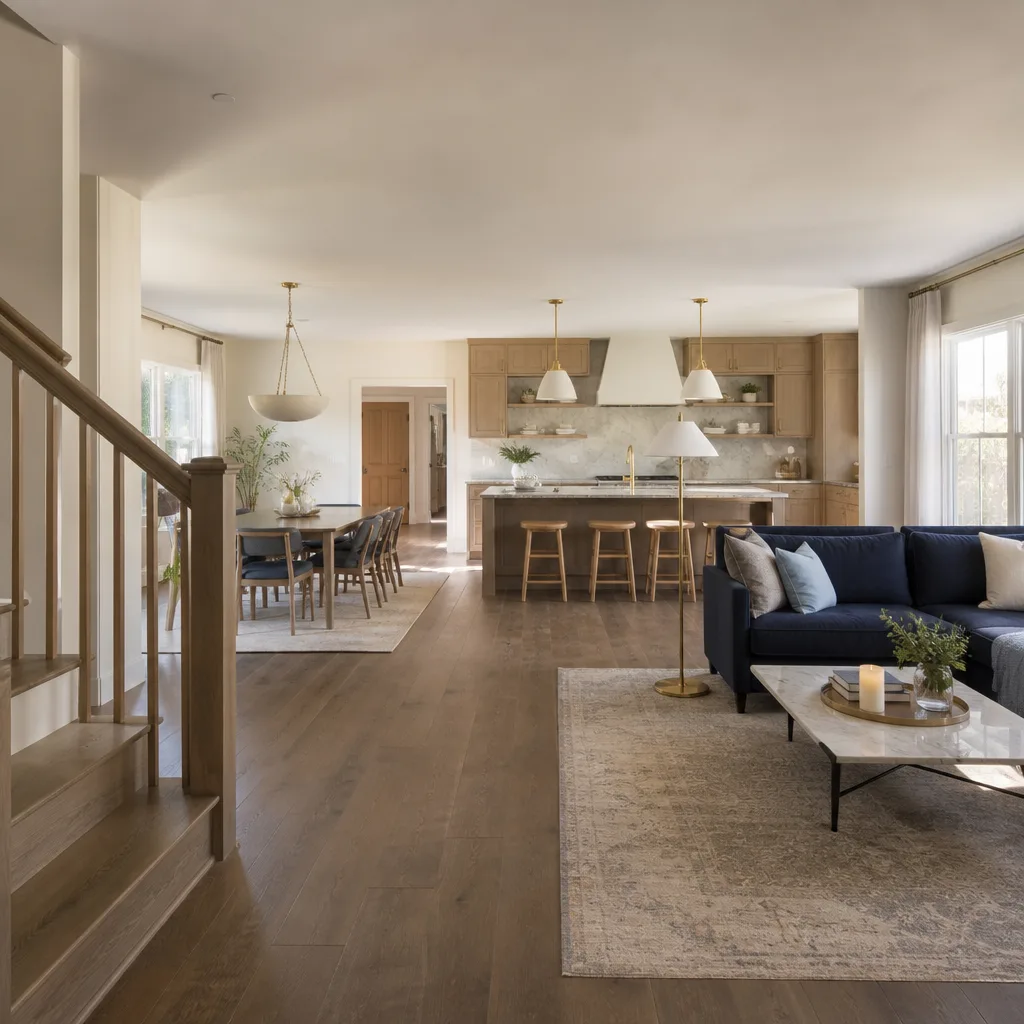
Los Angeles construction pricing doesn’t fit a single number. A bathroom remodel costs more per square foot than a garage conversion because bathrooms pack plumbing, waterproofing, and tile work into a small footprint. Here’s what we’re seeing across Los Angeles in 2026, from the San Fernando Valley to the Westside and down through South Bay.
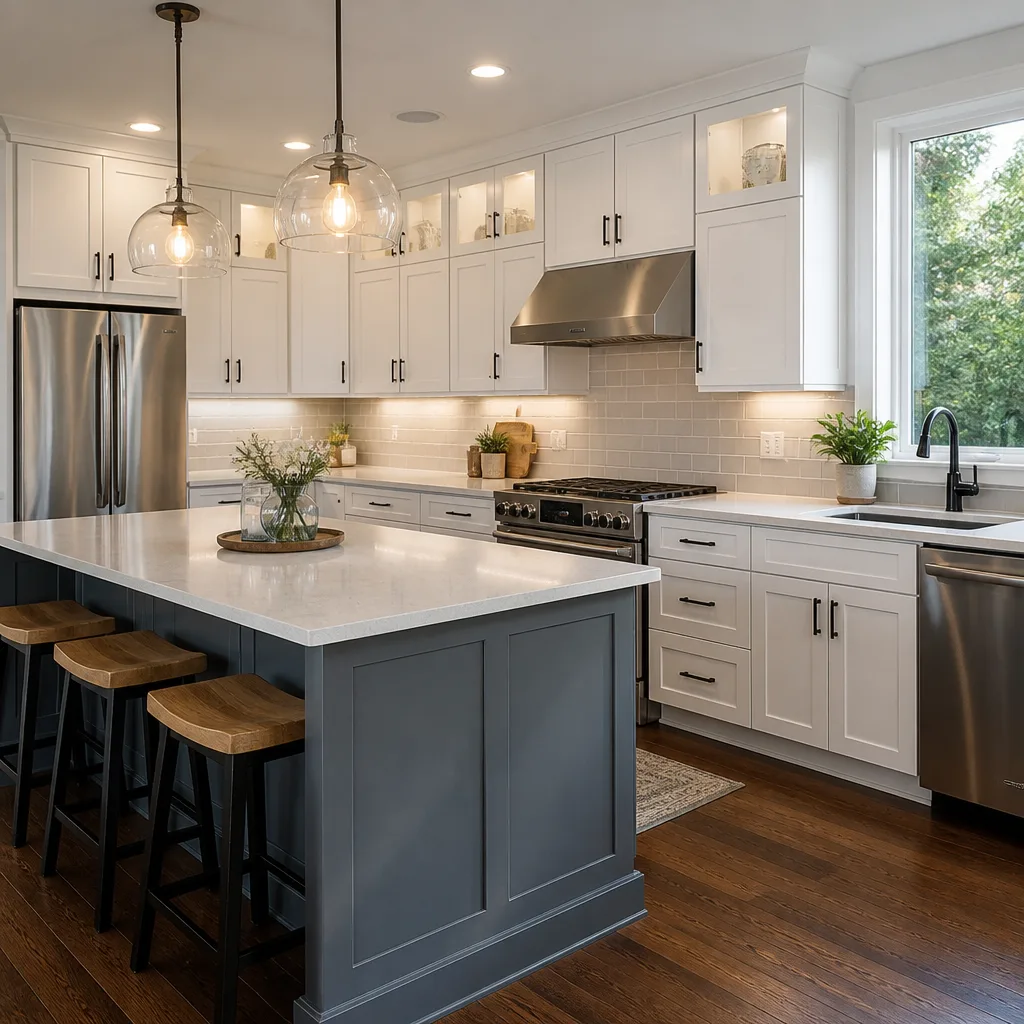
Kitchen Remodel
- Mid-range: $80K to $140K total, or $250 to $400 per square foot
- High-end: $150K to $300K+, or $500 to $800 per square foot
- What drives it: cabinet costs (custom vs. semi-custom), countertop material, appliance packages, and whether walls move
A $30K difference between two Los Angeles kitchens often comes down to whether the project opens walls for electrical and plumbing changes or keeps the existing footprint. Moving a sink across the room means repiping, which means opening the slab or ceiling below, which means permits, inspections, and time.
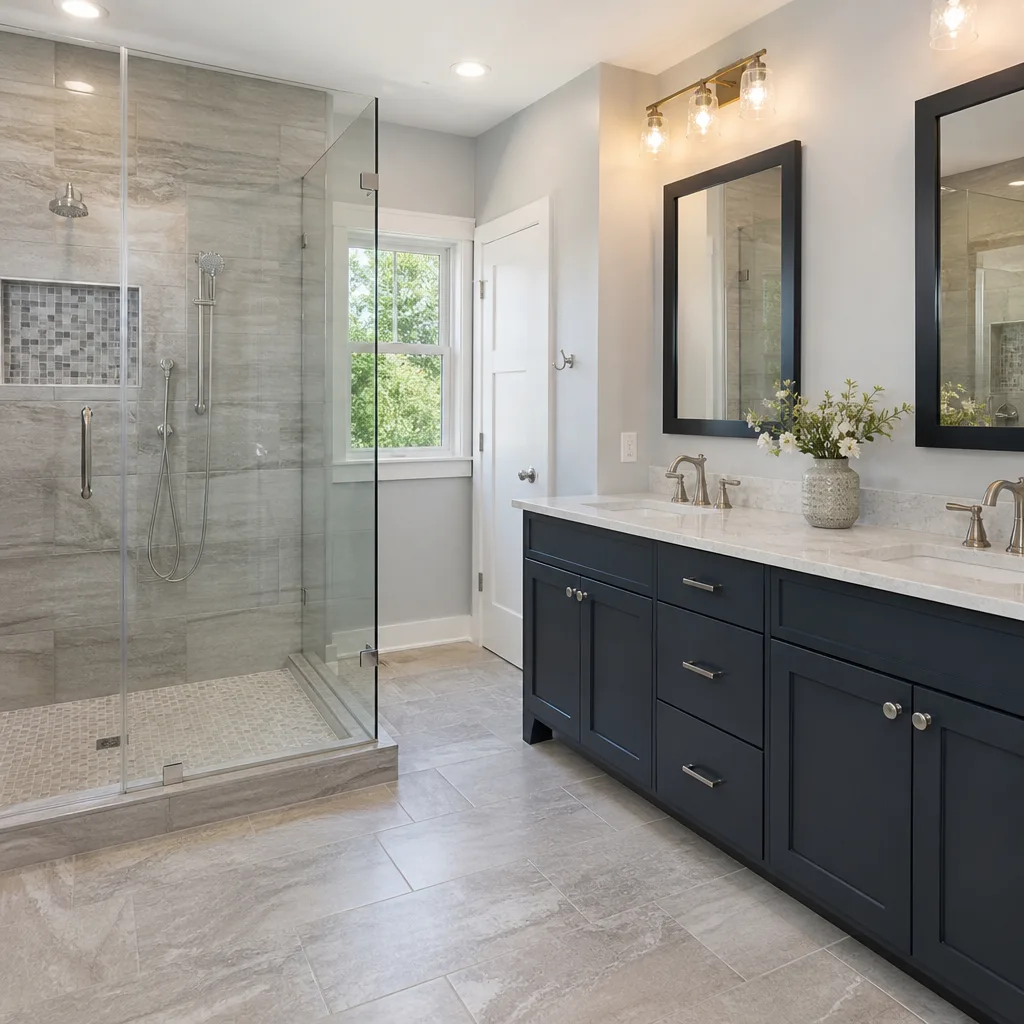
Bathroom Remodel
- Guest bath: $25K to $45K
- Primary bath: $45K to $75K
- High-end primary with structural changes: $80K to $120K+
- Per square foot: $300 to $600, because the square footage is small but the systems are dense
In Los Angeles, bathroom remodels are the most common project we handle. The cost spread depends heavily on whether you’re keeping the toilet and shower in place or reconfiguring the drain lines. A single moved drain in a slab foundation can add $4K to $8K before you’ve picked a single tile.
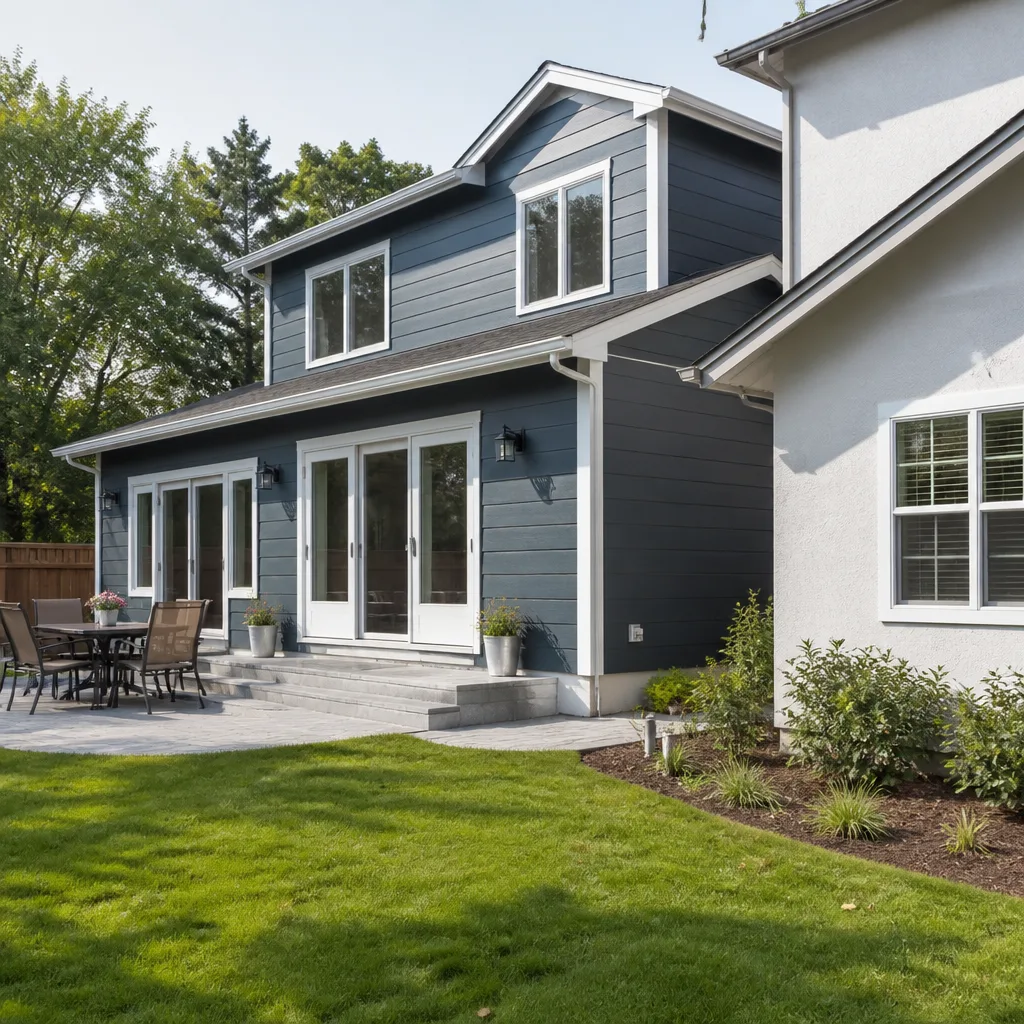
ADU (Accessory Dwelling Unit)
- Garage conversion: $150K to $250K
- New detached ADU: $250K to $450K
- Per square foot: $350 to $550 for new construction
Los Angeles has some of the most ADU-friendly zoning in the country, but the construction costs reflect California building codes, energy efficiency requirements (Title 24), and the same labor market pressure affecting every other project type. A detached ADU in the Valley typically lands on the lower end; one in a hillside neighborhood like Mount Washington or Silver Lake carries access and foundation premiums.
Whole-Home Remodel
- Cosmetic refresh (floors, paint, fixtures): $60 to $120 per square foot
- Full interior remodel (kitchen, baths, systems, walls): $200 to $400 per square foot
- Gut renovation down to studs: $350 to $600 per square foot
A 2,000-square-foot home in Los Angeles getting a full interior remodel should be budgeted at $400K to $800K. If the house was built before 1980, add a contingency for surprises inside the walls: knob-and-tube wiring, cast iron drains, or asbestos in old flooring and drywall compound.
These numbers reflect the Los Angeles market specifically. Labor rates here run 20% to 40% higher than national averages because licensed tradespeople can choose their jobs, and homeowners compete with commercial projects for their time. For a deeper look at how these costs apply to your specific situation, see our General Contractor in Los Angeles guide.
Fixed vs. Negotiable: What You Can and Can’t Push On
Some Los Angeles construction costs are set by the city and state. Others are set by the contractor’s margin and your willingness to ask. Knowing which is which saves you from awkward negotiations and wasted energy.
Fixed Costs (Non-Negotiable)
- Permit fees: Set by the Los Angeles Department of Building and Safety (LADBS). A kitchen remodel permit might run $800 to $2,500. An ADU permit can hit $5K to $15K depending on scope and school district fees. No contractor can change these numbers, and any contractor who suggests skipping permits is putting you at legal risk when you sell the house.
- School district fees for ADUs: LAUSD and other districts levy per-square-foot fees on new residential square footage. These are statutory, not negotiable.
- Utility connection fees: LADWP and SoCalGas charge fixed rates for new service lines, meter upgrades, or gas line extensions.
- Engineering and structural calculations: A licensed engineer in Los Angeles charges $2K to $8K for structural drawings, depending on complexity. This isn’t a place to bargain-shop.
Negotiable Costs
- Material markups: Contractors typically mark up materials 10% to 20% to cover coordination, warranty handling, and procurement time. On a $60K material package, that’s $6K to $12K. You can ask for transparent pricing: let the contractor show you supplier invoices and charge a flat coordination fee instead.
- General conditions: Line items for “project management,” “site supervision,” or “mobilization” are often 8% to 15% of the total. Ask what’s included. If you’re already paying a project manager, you shouldn’t also pay for “administrative overhead” as a separate line.
- Allowance overages: If the estimate says “$3,500 allowance for tile,” and you pick tile that costs $4,200, that’s on you. But if the allowance is unrealistically low from the start – $1,500 for a full bathroom’s tile – that’s a bid designed to win the job and grow later. Push back on allowances that don’t match the project’s quality level.
- Change order markup: The fee a contractor charges on change orders (often 15% to 25%) is negotiable at contract signing. Ask for a written change order rate before you sign.
The biggest negotiation leverage you have in Los Angeles is transparency. A contractor who shows you real numbers and explains their margin is someone you can work with. One who hides everything behind opaque lump sums will cost you more by the final invoice. Sawyer Remodeling home is built around putting the price in writing before work starts, so the number on the invoice is the number you approved.
Hillside Location, Restricted Access, and HOA Costs
Los Angeles isn’t one flat grid. A home in Beverlywood has different construction costs than one in Beachwood Canyon, and the hillside premium is real. Some of these costs are disclosed late in the bidding process, which is why so many Los Angeles homeowners see their “firm quote” drift upward after the contractor actually visits the site.
What Hillside Adds
- Foundation and soils work: Hillside homes often require caissons or grade beams instead of standard footings. A soils report alone costs $4K to $8K. Caisson drilling can run $20K to $60K depending on depth and rock conditions.
- Access for equipment: If a concrete truck can’t reach the site, you’re paying for a pump truck ($500 to $1,500 per day) or manual material handling. On steep lots in neighborhoods like Echo Park or Highland Park, we’ve seen access costs add $10K to $30K to projects that would be straightforward on flat ground.
- Debris removal: Hillside demolition debris can’t always go in a standard dumpster. Crane-assisted debris removal or hand-carrying adds labor hours at $75 to $150 per hour.
HOA Compliance
If you’re in an HOA-governed community in Los Angeles, your project timeline and budget now include review periods. HOAs typically require: architectural committee approval before permits (2 to 6 weeks), specific materials or colors that match community standards (sometimes more expensive than what you’d choose on your own), and limited construction hours (which extends the schedule and adds labor cost).
The honest advice: ask your contractor these questions before signing anything. Have you visited the site and assessed access? Does your bid include soils testing? Have you worked in this HOA’s jurisdiction before? A contractor who hasn’t checked these boxes hasn’t actually priced your project.
Seismic Retrofitting: The $15K to $40K Surprise
Los Angeles building codes require seismic retrofitting when a remodel or addition reaches certain thresholds. This is the cost driver that blindsides homeowners because it doesn’t appear in initial estimates. It materializes after the structural engineer reviews the plans and flags the requirement.
When Seismic Work Gets Triggered
- Additions over 50% of the existing floor area: If you’re adding a second story or expanding significantly, the entire structure may need bracing to current seismic standards.
- Opening load-bearing walls: Removing a wall between kitchen and living room in a pre-1990 Los Angeles home often triggers shear wall requirements on the remaining structure.
- Foundation work on pre-1980 homes: Homes with cripple walls or unbolted sill plates are the biggest earthquake risks. Once you touch the foundation for any reason, the inspector can require full retrofitting.
- Soft-story conditions: Hillside homes built on stilts or with garage-under-living-space configurations are soft-story risks that need bracing when you pull permits for substantial work.
What Retrofitting Costs in Los Angeles
- Foundation bolting and cripple wall bracing: $8K to $15K for a typical single-story home
- Shear wall installation (interior or exterior): $15K to $40K, depending on whether walls are opened anyway or need to be opened for this purpose
- Full soft-story retrofit: $30K to $75K, especially for hillside homes with large garage openings
- Engineering on top: $3K to $10K for the structural calculations and LADBS plan check
This isn’t a scam. It’s the code doing what the code is supposed to do: keeping Los Angeles homes standing in the earthquake that will eventually come. But you should know it’s coming before you commit to a project. Ask your contractor: “Does this scope trigger seismic retrofit requirements? Have you budgeted for it?” If they can’t answer that question, get another contractor. For full-home renovation work in Los Angeles, this is exactly the kind of cost surprise we build into estimates up front. See our Home Renovation in Los Angeles page for more on how full-project pricing works.
How to Read a Contractor Estimate Like an Inspector
A contractor estimate is a pricing document, but it’s also a communication document. The way line items are written tells you how the contractor thinks, where their risk is, and whether they’re planning to charge you more later. Here’s how to read one.
The Structure You Should Expect
- Scope of work: A narrative describing exactly what’s included. If this section is three sentences long, that’s a red flag. It should be detailed enough that you can visualize the finished project.
- Line items by trade: Demolition, framing, plumbing, electrical, drywall, tile, paint, etc. Each trade should have its own number.
- Materials and allowances: What’s specified by brand or model, and what’s left as an allowance for you to choose later.
- General conditions: Project management, supervision, dumpsters, portable toilets, protection of existing surfaces.
- Exclusions: What’s not included. Utilities, owner-supplied items, work by others.
- Payment schedule: How much is due at signing, at milestones, and at completion.
Red Flags That Predict Cost Overruns
- “Allowance” repeated more than twice in the materials section: Each allowance is a placeholder for a decision you haven’t made. Too many allowances means the estimate is template copy, not a real bid for your project.
- “Per plans and specifications” without plans existing: If there are no plans, there are no specifications. This phrase buries scope decisions that should be explicit.
- “As needed” or “as required” in the scope narrative: This is where extras get born. “Reinforce floor joists as needed” can be $500 or $5,000, and you won’t know until the invoice.
- No demolition line item: Demolition in Los Angeles has real costs: labor, hauling, dump fees, sometimes asbestos testing. If it’s not a line item, it’s hidden somewhere else or missing entirely.
- Payment schedule weighted toward the front: 50% due at signing is aggressive. Standard in Los Angeles is 10% to 30% at signing, then milestone payments tied to completed work, with 5% to 10% held until final inspection passes.
The best estimates we’ve seen in Los Angeles are the ones that read like a contract, not a brochure. They’re specific, they’re itemized, and they don’t require a phone call to decode. That’s the standard we aim for at Sawyer Remodeling: a written price before any work starts, with no change orders hiding in the gaps.
Where Margin Hides: Material Markups, Change Orders, and Scope Gaps
Every contractor makes money. That’s the point of the business. The question is whether the margin is visible and agreed-upon or buried in ways that grow after you sign. Here’s where margin hides in Los Angeles construction estimates.
Material Markup
Contractors buy materials at trade pricing – often 10% to 30% below retail – and bill homeowners at or near retail. That’s standard practice and not inherently bad. The problem comes when the markup is layered: a 20% markup on materials, plus a “procurement fee,” plus the cost of the time spent ordering and picking up. In our work for Los Angeles homeowners, we’ve seen material packages with effective markups of 40% once all the layers get added. The fix: ask for supplier pricing transparency or a flat coordination fee instead of a percentage markup.
Change Orders
Change orders in Los Angeles typically carry a markup of 15% to 25% on top of the direct cost of the change. Legitimate change orders happen: you decide you want a different tile, a wall moves, the electrician finds something behind the drywall. The issue is change orders that should have been in the original scope. If the estimate said “new vanity” but didn’t include “remove and dispose of existing vanity,” the removal is a change order. That’s not a change in scope; it’s an incomplete scope. Read the exclusions section carefully.
Scope Gaps
Scope gaps are the silent budget killer. Common Los Angeles examples: the estimate includes new kitchen cabinets but not the cost of patching drywall where the old ones came out. It includes new bathroom tile but not the waterproofing membrane underneath. It includes new windows but not the stucco repair around the openings. Scope gaps are how a $50K project becomes $65K without a single change order being signed.
The Material Brand Question
Some contractors keep material costs low by specifying unlabeled or contractor-grade products. You think you’re getting a mid-range remodel, but the cabinets are particleboard and the faucet is a $40 import. Ask for brand names in writing. A contractor who specifies products from companies like Therma-Tru for exterior doors, ViewLux for modern window solutions, or Barrette for outdoor living products is telling you they’re not hiding behind generic supplier stock. It’s a quality signal, not just a name.
The Los Angeles Subcontractor Market: Why Labor Costs What It Does
Los Angeles is one of the most expensive construction labor markets in the United States. The reasons are structural, not seasonal, and they affect every project type from a Studio City bathroom remodel to a Pasadena ADU.
Licensed Trades in Short Supply
The core trades – electrical, plumbing, HVAC, structural framing – require state licensing in California. The licensing pipeline is slow, the exam is hard, and experienced license holders are aging out faster than apprentices replace them. The result: a journeyman electrician in Los Angeles bills $100 to $180 per hour, and a master plumber can command more on complex jobs. These rates aren’t negotiable, because the demand is real.
The Commercial Effect
Los Angeles has a massive commercial construction sector: office retrofits, retail buildouts, movie production facilities, and institutional work. When a major commercial project kicks off, it pulls subcontractors off residential jobs and drives residential quotes up. Homeowners who time their remodel during a commercial boom pay a premium for labor that has better options.
What This Means for Your Budget
- Labor is 50% to 65% of most Los Angeles remodel costs, not 30% as national averages suggest.
- Scheduling flexibility saves money. If you can schedule a project to start in a contractor’s slow season (typically late fall through early January), you may see more competitive labor pricing.
- Established contractor relationships matter. A general contractor who runs consistent volume gets better subcontractor pricing and better scheduling priority than a homeowner hiring a one-off builder. That’s part of what a strong Bathroom Remodeling in Los Angeles specialist brings to the table.
Common Mistakes to Avoid
- Signing a contract with vague allowances. When the allowance says “$4,000 for kitchen countertops” but you want Cambria or Caesarstone, you’ll be $2K to $6K over before demo starts. Write specific materials into the contract.
- Skipping permits to save money. In Los Angeles, unpermitted work surfaces during home sales and refinancing. The city can require you to tear out work that wasn’t inspected. The savings now become a liability later.
- Paying too much up front. Some Los Angeles contractors ask for 50% at signing. Don’t. California state law caps down payments for home improvement at 10% or $1,000, whichever is greater. Milestone payments tied to completed, inspected work protect you.
- Not budgeting for seismic triggers. If your remodel touches foundations or removes walls in a pre-1990 home, expect retrofit requirements. Budget 10% to 20% over the base quote unless your contractor confirms in writing that no seismic work will be triggered.
- Choosing the lowest bid without comparing scopes. When three Los Angeles contractors bid $60K, $85K, and $110K for the “same” bathroom, they’re almost never bidding the same scope. Line-by-line comparison shows where the cheap bid cut corners: no waterproofing, no drywall patching, no hauling, no permits.
- Assuming HOA approval is automatic. HOA architectural review can stall a project for months and require design changes. Start the HOA process before you sign a construction contract, not after.
- Ignoring access constraints on bid day. A contractor who quotes without visiting your hillside property hasn’t priced the pump truck, the debris handling, or the extra labor. Make site visits mandatory before accepting any bid.
When to Call a Professional
Some projects you can price and plan on your own. Others need a licensed contractor from day one. Call a professional when the project requires structural changes (removing walls, adding square footage, cutting into the roof), when it triggers permit and inspection requirements from LADBS, when it involves gas lines or electrical panels, or when the scope is large enough that coordinating multiple trades becomes a full-time job. In Los Angeles, structural work on pre-1990 homes carries seismic retrofit implications that a professional can identify before you’ve committed to a design. For warning signs to watch for, see our reference guide. If you’re not sure whether your project is in the DIY range or needs a contractor, Sawyer Remodeling offers free estimates in Los Angeles. Call (254) 272-5876 and we’ll walk through your scope, your budget, and what’s realistic for your specific property. No pressure, no obligation, just a straight answer.
Frequently Asked Questions
A mid-range kitchen remodel in Los Angeles runs $80K to $140K, with high-end kitchens starting around $150K and going up from there. The range depends on whether you move walls, relocate plumbing, and what material tier you select. Call (254) 272-5876 for an exact quote on your specific kitchen; estimates are free.
It shouldn’t, unless the scope changes or the contractor finds something genuinely hidden inside the walls. That’s why we put the price in writing before a single tool is picked up. If unexpected conditions do arise, you’ll see the line item and approve the change before we proceed. No surprises on the final invoice.
Yes. Sawyer Remodeling pulls permits through LADBS and manages the inspection process as part of the project. We don’t suggest skipping permits to save money, because unpermitted work in Los Angeles creates liability when you sell or refinance the home.
Seismic retrofitting in Los Angeles typically adds $15K to $40K when triggered by foundation work, wall removals, or additions over 50% of existing floor area. The requirement comes from LADBS after structural review, not from the contractor. We identify likely seismic triggers during the estimate process so you know before you sign, not after demo starts.
A full interior remodel of a 2,000-square-foot home typically takes 6 to 10 months in Los Angeles, depending on permit timelines, HOA review periods if applicable, and the scope of structural and seismic work. Bathrooms alone run 4 to 8 weeks; kitchens 8 to 16 weeks. ADUs range from 6 months for garage conversions to 12+ months for new detached construction.
Compare them line by line, not bottom line to bottom line. Look for missing demolition, missing permits, vague allowances, and differences in material specifications. A bid that’s $20K cheaper is usually cheaper because it excludes work the others included. Ask each contractor to confirm in writing that their scope covers the same LADBS requirements, the same material tier, and the same completion standards. Call (254) 272-5876 if you’d like help reading through bids; we’re glad to walk you through what to look for.
The Bottom Line
Los Angeles construction costs in 2026 reflect a specific set of pressures: state and city regulations, seismic safety requirements, a tight labor market, and the real cost of building on hillsides. A homeowner who understands these line items can budget realistically and negotiate from a position of knowledge. The goal isn’t to nickel-and-dime your contractor; it’s to work with one who puts the numbers in writing and stands behind them. Get written, itemized estimates. Ask about seismic triggers before you sign. Read the exclusions. And when you’re ready to talk about your specific project, explore our more guides & resources or get in touch.
Contact Sawyer Remodeling in Los Angeles for a free estimate. Call (254) 272-5876.
Written by Luca Romano, Owner at Sawyer Remodeling, serving Los Angeles since 2005.
See the difference
 Before
 After
After Before
 After
After Before
 After
After