Last updated October 9, 2026








Free written scope consultation - allowances, timeline, and change-order rules on paper before a single trade is scheduled
Home Renovation Maintenance Schedule: What to Do and When
That new tile grout starts absorbing water on month thirteen if it isn’t sealed. Most contractors mention this once at handoff, mumbled between “here’s your warranty packet” and “call if you need anything.” Then the shower pan sits wet, the grout darkens, and five years later you’re paying for a tear-out that should have been a $30 sealant job. In Los Angeles, where hard water and UV exposure run aggressive on finished surfaces, the gap between a renovation that lasts twenty years and one that fails in seven is almost always maintenance, not materials. This guide tells you what to do, when to do it, and what happens if you don’t.
Quick Answer
A home renovation maintenance schedule breaks down by system, not by month: seal grout and stone annually, recaulk wet areas every one to two years, service HVAC twice a year, inspect waterproofing and exterior paint seasonally, and document every warranty-required maintenance task as you complete it. Year one is the most maintenance-intensive, and Los Angeles homeowners should add hard-water descaling and UV-protective exterior paint to the standard schedule.
Styles & brands we work with






Table of Contents
- Why Maintenance Schedules Run by System, Not Calendar
- The Warranty Maintenance Requirements Nobody Reads
- Year One vs. Years Two Through Five: What Changes
- Los Angeles-Specific Wear Factors: Hard Water, UV, and Seismic Movement
- Interior Systems: Tile, Grout, Caulk, Cabinetry, and Fixtures
- Exterior Systems: Paint, Siding, Roofing, and Waterproofing
- Mechanical Systems: HVAC, Plumbing, and Ventilation
- Digital Documentation: Storing Permits, Warranties, and Contractor Records
Why Maintenance Schedules Run by System, Not Calendar
Most maintenance checklists are organized by season or month: “January, check the furnace. April, clean the gutters.” That works for a house that has settled into its rhythm. It fails for a renovated home because every system you just installed is on its own clock, and those clocks start the day the project closes, not on January 1.
Think about what a renovation actually puts into your house. You have new waterproofing membranes behind tile, new grout lines, new caulk beads, new paint films, new cabinet hinges with specific torque specs, new fixtures with internal cartridges. Each one has a manufacturer-determined maintenance window. Schluter waterproofing requires annual inspection of the visible seams and drain assembly. Grout sealers need reapplication every 12 to 18 months depending on foot traffic and water exposure. Cabinet hinges from KraftMaid need periodic tightening and lubrication, and ignoring a loose hinge is how you get a door that sags and never closes right again. None of these things care what month it is.
So the better way to organize a renovation maintenance schedule is by system. You have five clocks running simultaneously:
- Waterproofing clock: grout sealer, caulk beads, shower pan inspections, exterior sealants. Runs on 12-to-24-month cycles.
- Mechanical clock: HVAC filters, water heater flush, exhaust fan cleaning, plumbing trap checks. Runs on 3-to-12-month cycles.
- Finish clock: paint touch-ups, cabinet hardware, door adjustments, floor finish. Runs on 12-to-36-month cycles.
- Exterior clock: siding inspection, roof flashing check, stucco or paint evaluation, landscape drainage. Runs on 6-to-24-month cycles.
- Documentation clock: warranty registrations, permit record storage, contractor contact backups. Runs on project close and then annually.
In our experience on home renovation projects in Los Angeles, the homeowners who keep each clock separate are the ones whose work still looks new at year five. The ones who follow a generic seasonal checklist tend to be the ones calling about water staining behind tile at year three.
The Warranty Maintenance Requirements Nobody Reads
Here is the part most contractors skim over, if they mention it at all: your new finishes come with warranties, and those warranties include maintenance clauses. Miss the maintenance, void the warranty. A manufacturer doesn’t cover grout failure if the homeowner never sealed the grout. They don’t cover a cabinet hinge that seized because it was never lubricated. They don’t cover a plumbing fixture that corroded from hard water that was never addressed with descaling.
When we install a bathroom remodeling project in Los Angeles, the handoff includes a written list of warranty-required maintenance tasks. Here’s what that list typically includes:
- Grout sealing: Most grout manufacturers require sealing within 30 days of installation and then reapplication every 12 months. In a shower, that means annual sealing. On a floor, 12 to 18 months depending on traffic.
- Caulk replacement in wet zones: Silicone caulk around tubs, shower bases, and sink backsplashes has a functional life of one to three years. Once it peels, cracks, or pulls away, water gets behind it. The fix is cheap. The damage is not.
- Cabinet hinge adjustment: KraftMaid and similar manufacturers specify that hinges should be checked and tightened every six to twelve months. A loose hinge puts torque on the door and the face frame, and the warranty does not cover hinge failure caused by neglect.
- Schluter waterproofing inspection: Schluter systems carry some of the strongest warranties in the tile industry, but they require annual visual inspection of seams, corners, and the drain assembly. If there is visible separation or damage, it needs repair before water infiltrates.
- Stone countertop sealing: Natural stone needs sealing every 6 to 24 months depending on the stone and usage. Engineered surfaces like Cambria or Caesarstone do not need sealing, but they do need annual cleaning with manufacturer-approved products to avoid dulling or chemical damage.
The pattern here is simple: the warranty covers manufacturing defects, not homeowner neglect. And neglect is defined by the maintenance schedule in the fine print. If you document your maintenance, you have what you need if a claim comes up. If you don’t, the manufacturer’s first question is “show us your maintenance records.”
Year One vs. Years Two Through Five: What Changes
Year one is the most maintenance-intensive. That surprises people. They assume a fresh renovation means zero work. In reality, year one is when everything settles. Materials expand and contract through their first full Los Angeles summer-to-winter cycle. Grout cures completely. Paint fully hardens. Cabinets and doors find their final positions as the house shifts. James Hardie siding and other cement-based products continue their initial curing and moisture equalization for the first year.
Year one checklist (months 1 through 12 after project close):
- Month 1: Seal all grout. Register all warranties. Confirm permit records are on file.
- Month 3: Re-tighten cabinet hinges and drawer slides. Check caulk beads in wet areas for early separation.
- Month 6: First HVAC filter change if the renovation included ductwork or a new unit. Inspect external caulk and sealants for shrinkage cracks.
- Month 9: Clean and descale fixtures for the first time. Inspect shower pan for pooling or slow drainage.
- Month 12: Full annual maintenance pass: reseal grout, recaulk wet zones, inspect waterproofing, check paint and exterior caulk, service HVAC, document everything.
Years two through five: The schedule settles into a rhythm. Annual grout sealing becomes the anchor task. Caulk replacement moves to every 18 to 24 months in low-wear areas but stays annual in showers. HVAC moves to twice-yearly filter changes and one annual professional service. Exterior paint in Los Angeles sun typically needs inspection every spring, with touch-ups on south-facing and west-facing walls as UV breaks down the resin. The good news: if you did year one right, years two through five are mostly inspection and light maintenance, not repair.
Los Angeles-Specific Wear Factors: Hard Water, UV, and Seismic Movement
Los Angeles is hard on renovated homes in ways that a generic maintenance schedule doesn’t account for. Three factors matter more here than almost anywhere else: hard water, relentless UV, and small seismic movement.
Hard water. Los Angeles Department of Water and Power delivers some of the hardest municipal water in California, routinely in the 200 to 300 parts-per-million range and higher in some neighborhoods. That mineral load deposits scale on every new fixture you just installed. A new Kohler or Toto faucet cartridge in Los Angeles will accumulate mineral buildup faster than the same fixture in a soft-water city. The maintenance answer is quarterly descaling: remove aerators and soak them in white vinegar, wipe down fixtures with a non-abrasive descaler, and flush the water heater once a year. Miss this, and you’ll replace cartridges and seals at year three instead of year ten.
UV exposure. Los Angeles averages over 280 sunny days a year, and that sun is aggressive on exterior finishes. Exterior paint on a south-facing wall in the San Fernando Valley degrades meaningfully faster than the same paint on a north-facing wall in Santa Monica. The practical maintenance rule: inspect exterior paint every spring, touch up early signs of chalkiness or cracking on sun-exposed walls, and expect to repaint those walls on a 5-to-7-year cycle instead of the 7-to-10-year cycle typical elsewhere. Same logic applies to exterior caulk around windows and doors: it dries and shrinks faster in direct sun.
Seismic movement. Small earthquakes and the constant micro-shifting of Los Angeles soil put stress on rigid joints: tile grout, drywall corners, caulk beads, and door frames. You will see hairline cracks in grout lines and at drywall seams that are not installation failures, they are the house moving. The maintenance answer is annual inspection and timely repair. A hairline crack in a shower grout line is an entry point for water. A small caulk separation at a window is an entry point for air and moisture. These are ten-minute fixes when caught early and expensive issues when ignored. This is why the general contractors we work with in Los Angeles always tell renovation owners to keep a tube of touch-up caulk and grout sealer in the garage.
Interior Systems: Tile, Grout, Caulk, Cabinetry, and Fixtures
Interior maintenance is where renovation value lives or dies. These are the systems you see every day, and they fail slowly enough that you stop noticing.
Tile and grout
Seal grout annually in wet areas, every 18 months on floors. Use a penetrating sealer, not a surface coating. In showers, check for cracks or gaps before sealing, because sealing over a crack locks the crack in place and lets water through anyway. If a grout line is cracker, remove and replace it first.
Caulk
Caulk is a wear item. It has a lifespan, and in a shower that lifespan is one to three years. Inspect every six months. When it peels, cracks, or pulls away from the tile or tub, cut it out and replace it with 100% silicone. The tube costs $8. The water damage from a failed bead starts in the thousands.
Cabinetry
Cabinet maintenance is mostly about hinges and drawer slides. Tighten hinge screws every six months. Lubricate soft-close mechanisms annually with a dry silicone spray. If a door starts to sag or rub, adjust it immediately instead of living with it, because the sag puts stress on the hinge and the frame. We install a lot of KraftMaid cabinetry in Los Angeles renovation projects, and the warranty language is clear: neglect the hardware, void the drawer and hinge coverage.
Fixtures
Quarterly descaling is the core task for Los Angeles homes. Aerator removal and vinegar soak takes five minutes per fixture. Wipe fixture bodies with a non-abrasive cleaner. Never use abrasive pads or harsh acids on finished surfaces, because scratches become corrosion points. This is how a $400 Kohler fixture lasts twenty years in hard water instead of six.
Exterior Systems: Paint, Siding, Roofing, and Waterproofing
Exterior systems are the house’s first line of defense, and in Los Angeles they fight a daily battle against sun, wind, and the occasional heavy rain that catches everyone off guard.
Paint. Inspect annually. Touch up early. South and west exposures need the most attention. In Los Angeles, exterior paint on stucco homes in the Valley typically needs a full repaint every 5 to 7 years, while shaded coastal walls may go 8 to 10. The telltale signs: chalky residue when you rub the wall, visible cracking, or fading that goes beyond cosmetic.
Siding. James Hardie fiber cement siding is engineered for long life, but it still needs maintenance. Inspect annually for cracked boards, loose nails, or gaps in caulk joints. Clean annually with a garden hose and soft brush, never a pressure washer. Repaint on the manufacturer’s cycle, which is typically 10 to 15 years on the factory finish and 7 to 10 years on site-applied paint.
Roofing. Whether your roof was part of the renovation or not, it protects everything else. In Los Angeles, inspect annually before the winter rain season: check flashing around penetrations, look for lifted or missing shingles, clean gutters and downspouts, and cut back overhanging branches. A roof leak in a renovated interior destroys the renovation faster than almost anything else.
Waterproofing. This applies to decks, balconies, and any exterior horizontal surface over living space. Waterproof membranes have a finite life, and in direct Los Angeles sun that life runs shorter than the manufacturer’s best-case number. Inspect yearly for cracks, bubbles, or visible wear. Reseal when the surface shows signs of breakdown.
Mechanical Systems: HVAC, Plumbing, and Ventilation
Mechanical systems are the quiet ones. You don’t see them until they fail, and when they fail, they fail for one of two reasons: a filter that was never changed or a part that was never lubricated.
HVAC. Change filters every 60 to 90 days, more often if you have pets or if the renovation produced construction dust that is still circulating. Schedule a professional service once a year. In Los Angeles, air conditioning runs long summer hours, and a dirty coil or low refrigerant makes the unit work harder and cost more. Clean the outdoor condenser coils annually, and keep the area around the unit clear of debris.
Plumbing. Flush the water heater once a year to remove sediment, which builds faster in hard-water Los Angeles. Test shutoff valves quarterly by turning them off and on. Inspect under-sink areas for slow drips at supply lines and waste connections. If the renovation added new plumbing, the first year is when small leaks show up, and catching them at month six means a $20 fitting, not a $2,000 cabinet replacement.
Ventilation. Bathroom exhaust fans and kitchen range hoods pull moisture and grease out of the air. In a renovated bathroom, that exhaust fan is part of the waterproofing system: it pulls humid air out before it condenses on tile and grout. Clean fan grilles quarterly, vacuum the fan housing annually, and confirm the duct actually vents outside, not into the attic. In Los Angeles, where homes are often tightly sealed against heat, a working exhaust fan matters more, not less.
Digital Documentation: Storing Permits, Warranties, and Contractor Records
This is the maintenance task almost no one does, and it costs real money when it’s skipped. Your renovation has a paper trail: permits, inspection approvals, warranty registrations, product spec sheets, contractor contact information, and the final invoice. When you sell the house, the buyer asks for permits and warranties. When you file an insurance claim, the adjuster asks for proof of the renovation. When you need warranty service, the manufacturer asks for the installation date and proof of purchase.
Set up a digital folder the week the project closes, before the paper gets lost. Here is the system we recommend to every Sawyer Remodeling home renovation client:
- Create a cloud folder labeled “Home Renovation – [Year].” Google Drive, iCloud, Dropbox, whatever you already use.
- Scan or photograph every document on day one: permit records, inspection sign-offs, warranty registrations, product manuals, and the final itemized invoice.
- Save a PDF of every warranty with the purchase date written on the first page. Most warranties run from install date, not purchase date.
- Store contractor contact info in the same folder: name, phone, license number, and the scope of work they performed.
- Log maintenance tasks as you complete them. A simple note: “March 2026 – sealed shower grout, replaced caulk at tub.” That log is your proof if a warranty claim comes up.
- Take photos before and after the renovation, and update them annually during your maintenance pass. Photos document condition over time, which is exactly what an insurance claim or warranty dispute asks for.
In Los Angeles, where homes change hands frequently and renovation records often disappear between owner and buyer, a complete digital file adds real value at resale. Buyers pay a premium for a renovation with documented maintenance, and they discount a renovation with no paper trail.
Common Mistakes to Avoid
- Skipping year-one grout sealing because “the contractor did it.” Contractors seal grout at installation, but the sealer wears out. The first reapplication is due at month 12, not whenever you happen to think about it.
- Using the wrong caulk. Latex caulk in a wet area fails within months. Silicone is the only material for tubs, showers, and sink backsplashes. In Los Angeles’s dry heat, cheap caulk cracks even faster.
- Ignoring hard water because fixtures still look fine. By the time mineral buildup is visible on the outside, the internal cartridge is already compromised. Descale every quarter, not when it looks bad.
- Not documenting maintenance. Manufacturers deny warranty claims based on missing maintenance records. A simple dated note in a cloud folder is often the difference between coverage and denial.
- Painting over cracked caulk instead of replacing it. Paint does not stop water. It hides the crack until the damage behind it is bigger and more expensive to repair.
- Treating all exterior paint the same. South and west walls in Los Angeles degrade faster than north and east walls. Your maintenance schedule should account for sun exposure, not just calendar time.
- Waiting until the rainy season to check the roof. Los Angeles gets rain in winter, and roofing contractors book out weeks ahead when the first storm hits. Inspect in late summer or early fall, when scheduling is easy.
See the difference
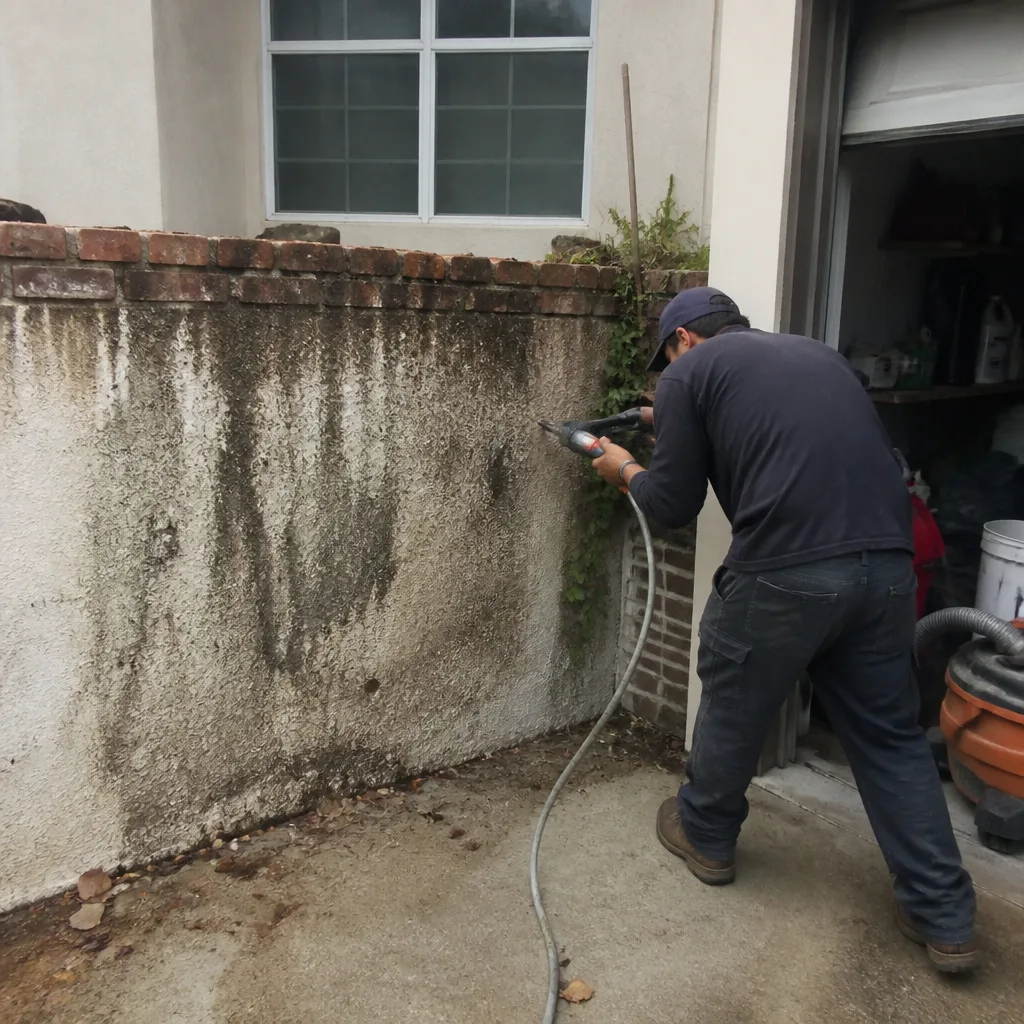 Before
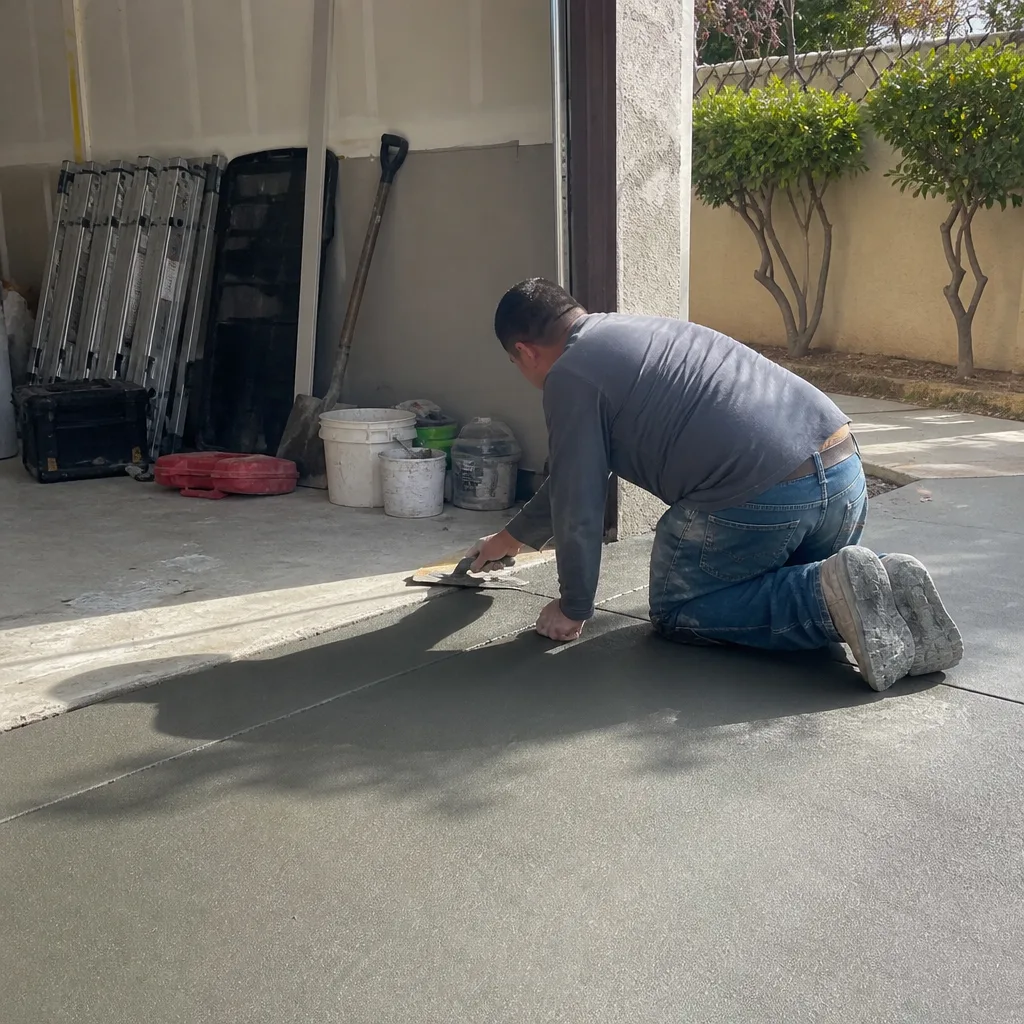 After
After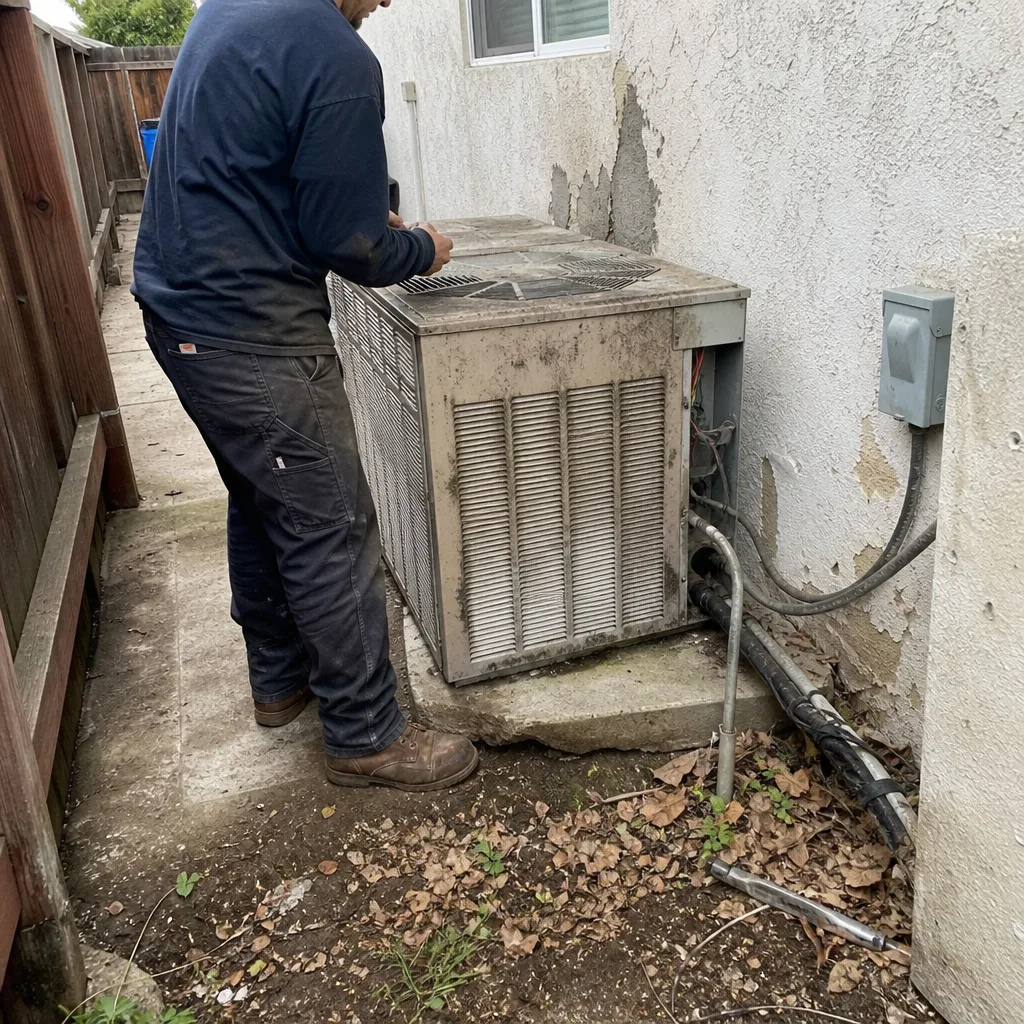 Before
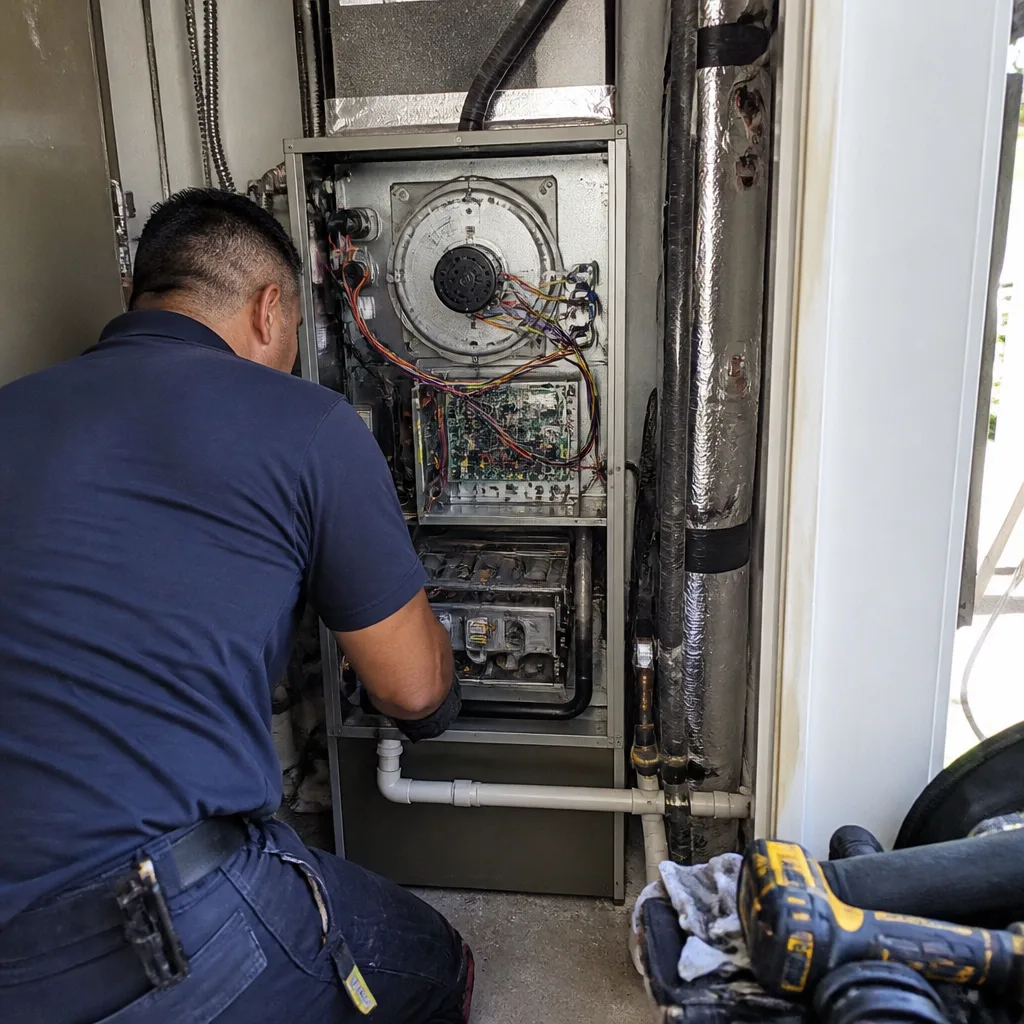 After
After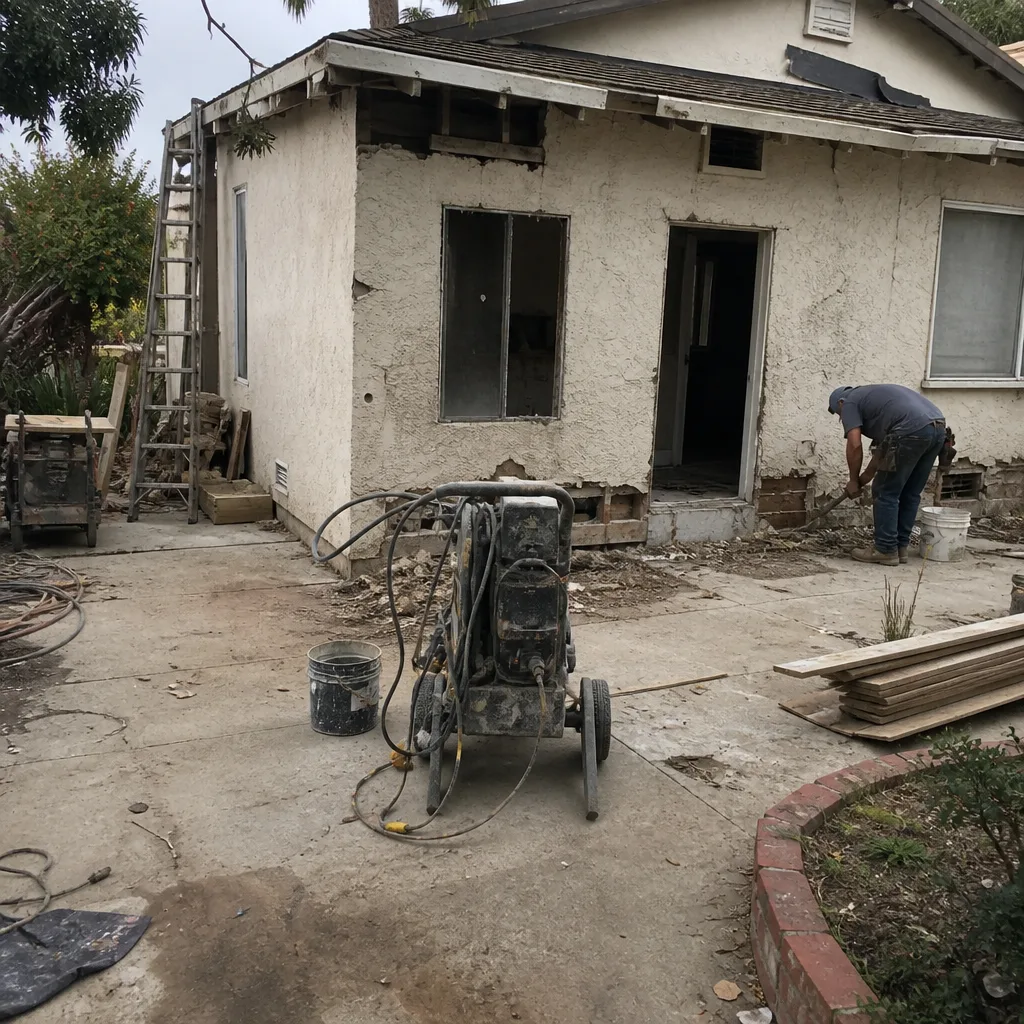 Before
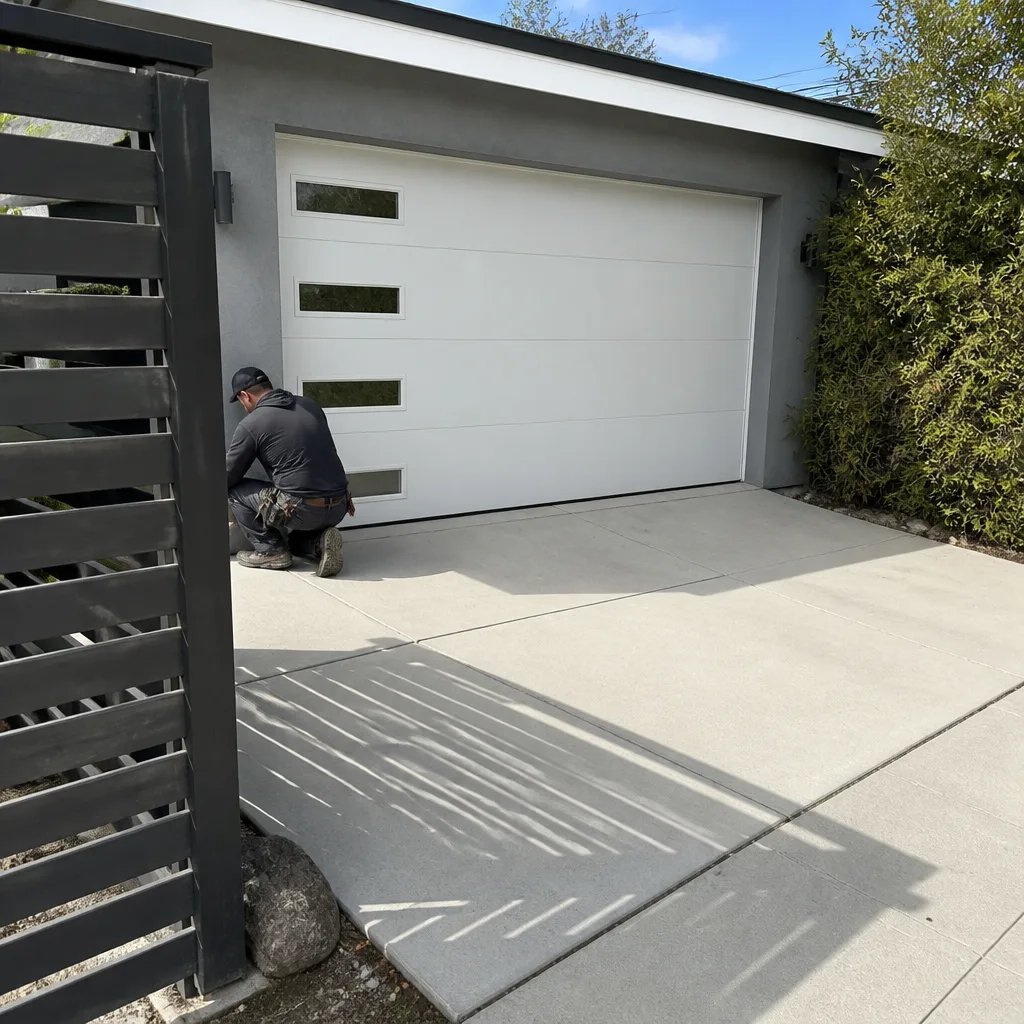 After
AfterWhen to Call a Professional
Most of the maintenance tasks in this guide are homeowner-level, but some situations call for professional help. Call a contractor when you see water staining on ceilings or walls below a bathroom, which means water is traveling where it should not go. Call when grout cracks keep reappearing in the same spot, a sign of movement or substrate failure under the tile. Call when exterior paint is peeling in sheets rather than wearing evenly, which often points to moisture trapped behind the paint. Call when a cabinet door keeps sagging after repeated hinge adjustments, because the hinge mounting may be failing. And call when any warranty work is needed, because a DIY repair on a warrantied system voids the warranty. Sawyer Remodeling offers free estimates in Los Angeles, call (254) 272-5876.
Frequently Asked Questions

Seal grout annually in showers and wet areas, and every 12 to 18 months on dry floors. In Los Angeles hard-water conditions, the annual shower sealing is the single most important task for preventing water infiltration. Call (254) 272-5876 for an exact maintenance quote, estimates are free.
Yes. Most manufacturer warranties on grout, caulk, cabinetry, and waterproofing systems require specific maintenance tasks that the homeowner must perform and document. Missing the maintenance voids the coverage. Read the warranty language at project close and put the maintenance dates on your calendar.
DIY maintenance typically runs $100 to $200 per year for sealer, caulk, descaler, and filters. Professional maintenance passes, including grout work and inspections, typically run $300 to $800 per year depending on the home’s size and systems. The cost of deferred maintenance, in contrast, often runs into the thousands when water damage or fixture failure requires repair. Call (254) 272-5876 for a free estimate on any maintenance or repair work.
Yes. Los Angeles municipal water runs 200 to 300 parts per million of hardness in most areas, which deposits scale on cartridges, seals, and aerators. Quarterly descaling and annual water heater flushing are the minimum to protect new plumbing fixtures.
With documented maintenance, tile and grout should look good for 15 to 20 years, cabinetry for 20-plus, fixtures for 10 to 20 depending on brand and water treatment, and exterior paint for 5 to 10 depending on sun exposure. Without maintenance, those numbers drop by 30 to 50 percent.
Buyers and their inspectors typically ask for permit records, final inspection approvals, warranty documents, and proof of maintenance. A complete digital folder with all of these items strengthens your sale price and reduces negotiation friction. Call (254) 272-5876 if you need help assembling renovation records.
The Bottom Line
A renovation is not finished when the contractor pulls away. It’s finished when the maintenance schedule runs out. The systems you installed have warranty clocks, and those clocks demand annual sealing, quarterly descaling, seasonal inspection, and consistent documentation. Year one is the critical window. Los Angeles adds hard water, UV, and seismic movement to the baseline, which means a local maintenance schedule has to be more aggressive than a generic checklist. Do the work, document it, and your renovation outlasts the loan you took to pay for it. Skip it, and the failure is slow, silent, and expensive.
Written by Luca Romano, Owner at Sawyer Remodeling, serving Los Angeles since 2005.