Free written scope consultation - allowances, timeline, and change-order rules on paper before a single trade is scheduled
Barrette Driveway & Pavers: The Los Angeles Owner’s Guide
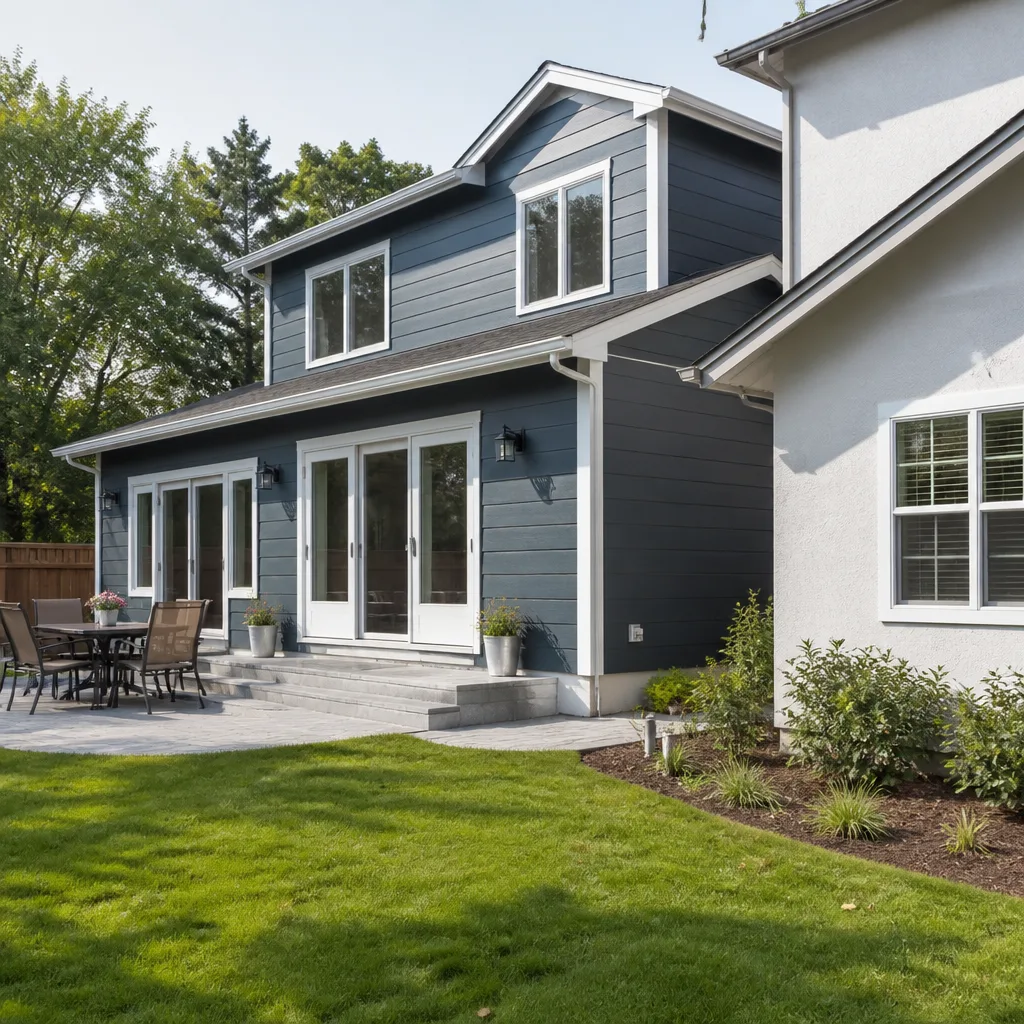
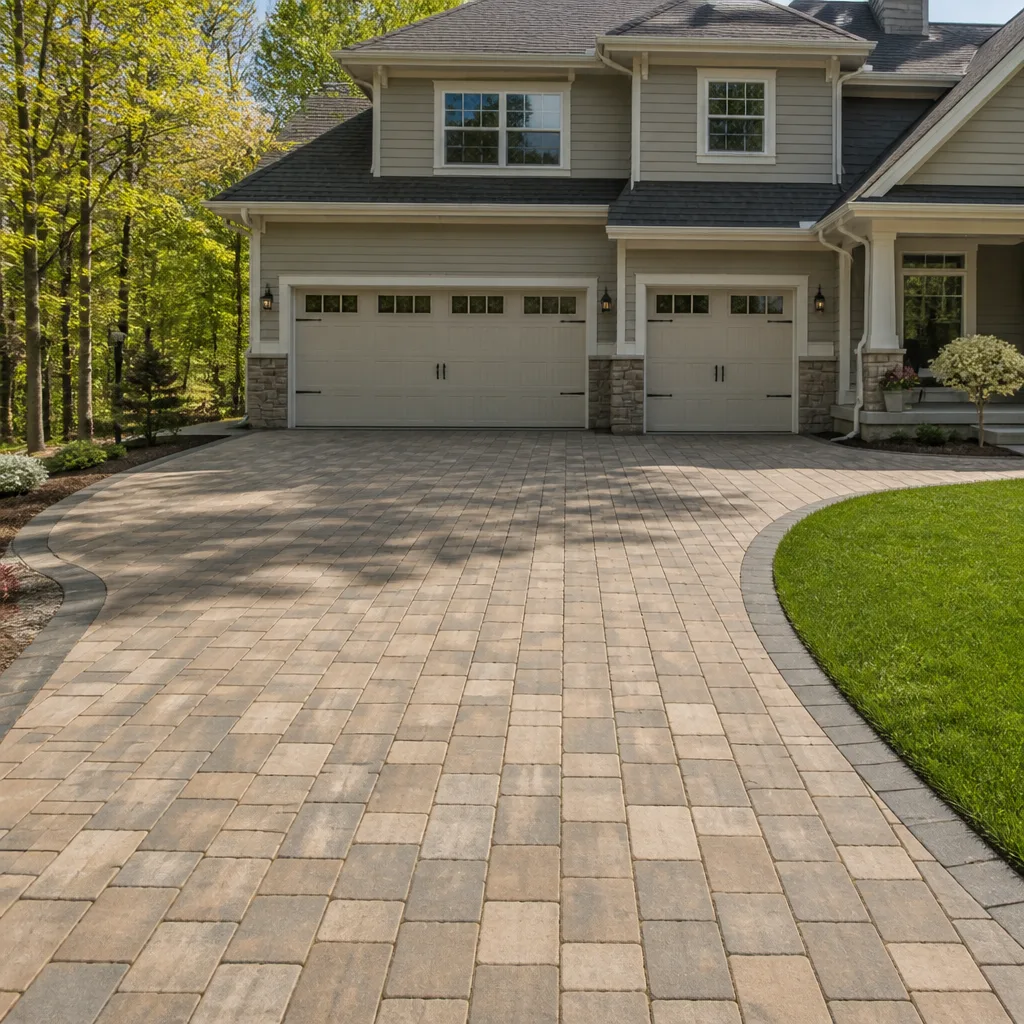
If you have a Barrette paver driveway, walkway, or patio in Los Angeles and a section has sunk, cracked, or shifted, we stock Barrette-compatible pavers and edge restraints that match what’s already in your yard. Installed replacement work for a failed section typically runs $826 to $2,950 in LA depending on square footage and whether the base underneath needs rebuilding. The most common failure we see isn’t the paver itself, it’s the sand and gravel base washing out after a few wet winters, leaving pavers that wobble, separate, or drop an inch below the surrounding surface.
We’re an independent Los Angeles contractor, not affiliated with Barrette, but we work with their paver lines and matching edge restraints regularly because they’re everywhere in LA yards from Silver Lake to Sherman Oaks.
Which Barrette Models This Applies To
Barrette manufactures several paver and edging lines under different retail and pro-channel names, and the compatibility gotcha is this: the same color name from two different production runs won’t always match after five years of California sun. Faded pavers are lighter than a new pallet of the “same” color, so we always pull a sample from the existing installation before ordering, and we match to the aged color, not the catalog swatch.
The pavers we most often match in Los Angeles are the 4×8 and 6×9 concrete paver lines, plus their plastic and aluminum paver edging used to hold driveway and walkway edges straight. Barrette edging comes in different heights depending on paver thickness: 60mm, 80mm, and 100mm pavers each need their specific edging profile. If someone installs the wrong height, the edge restraint sits proud of the paver or buries too low to hold the border. We stock the common profiles on our trucks and order the odd sizes same-week through local suppliers.
For the OEM-versus-aftermarket decision: Barrette pavers are commodity concrete units, so a quality aftermarket paver from a local LA yard will often match dimensionally and hold up the same. The place we don’t compromise is edging. Generic edging fails fast in clay-heavy Los Angeles soils, especially in neighborhoods like Eagle Rock and Highland Park where the ground shifts with every wet-dry cycle. We use Barrette-compatible or equivalent commercial-grade edging with 10-inch spikes, not the flimsy 6-inch stakes that come with DIY kits.
We also stock parts for KraftMaid, Cambria, and Silestone when we’re doing full yard-to-kitchen projects, but driveway and paver work stays Barrette-focused.
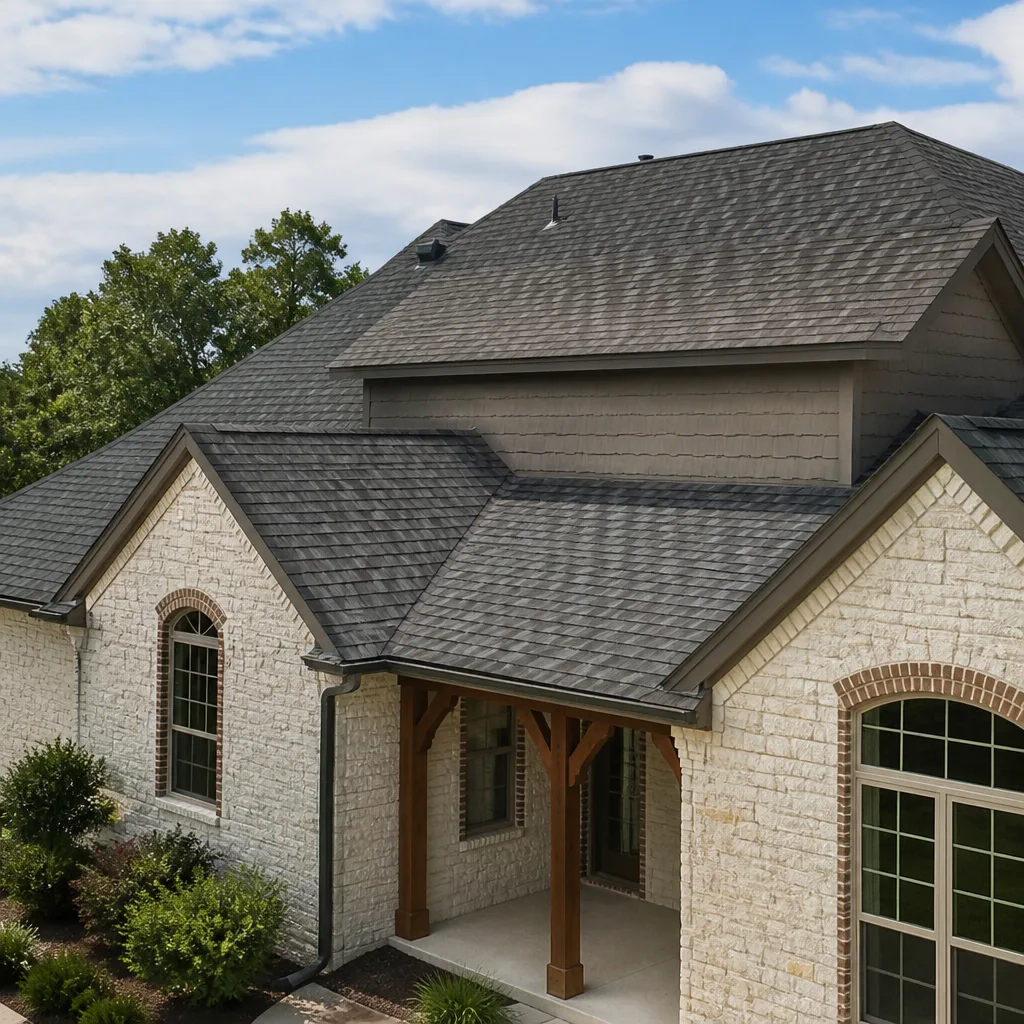
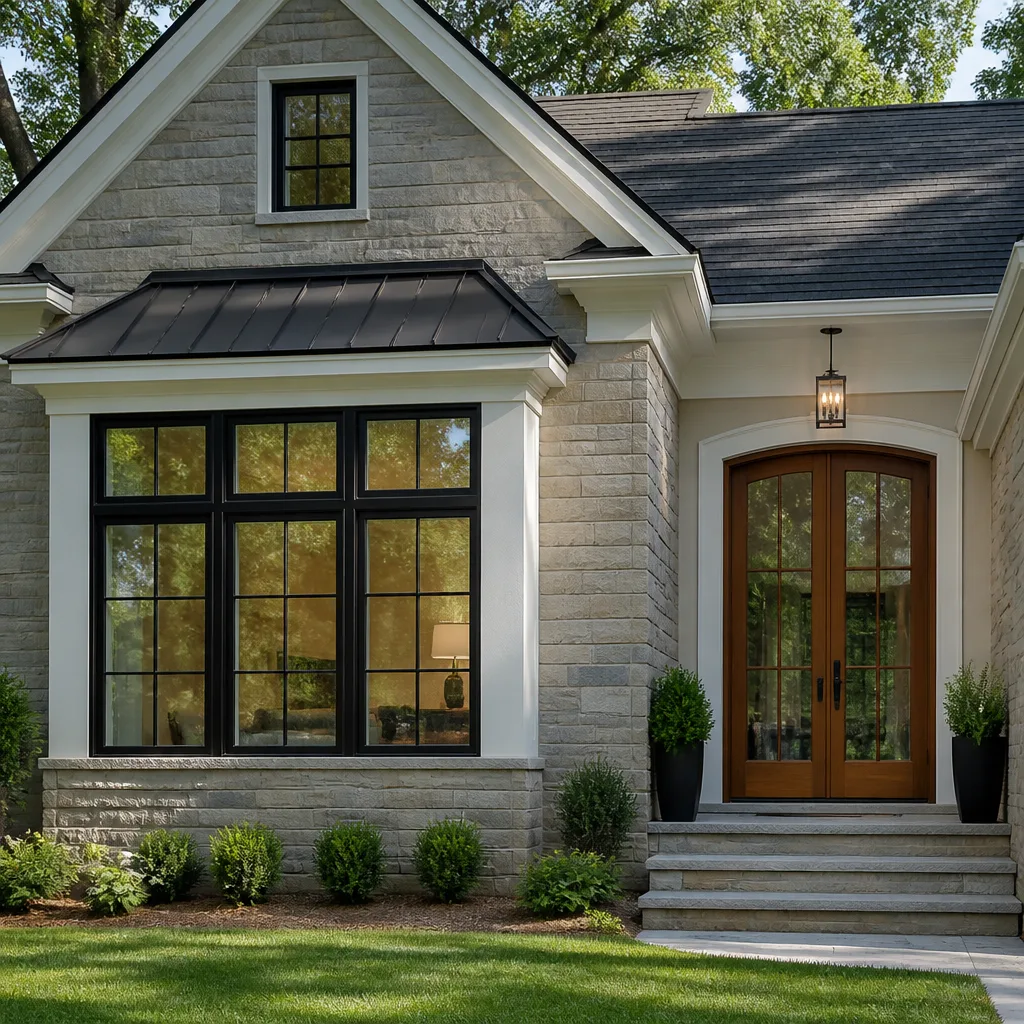
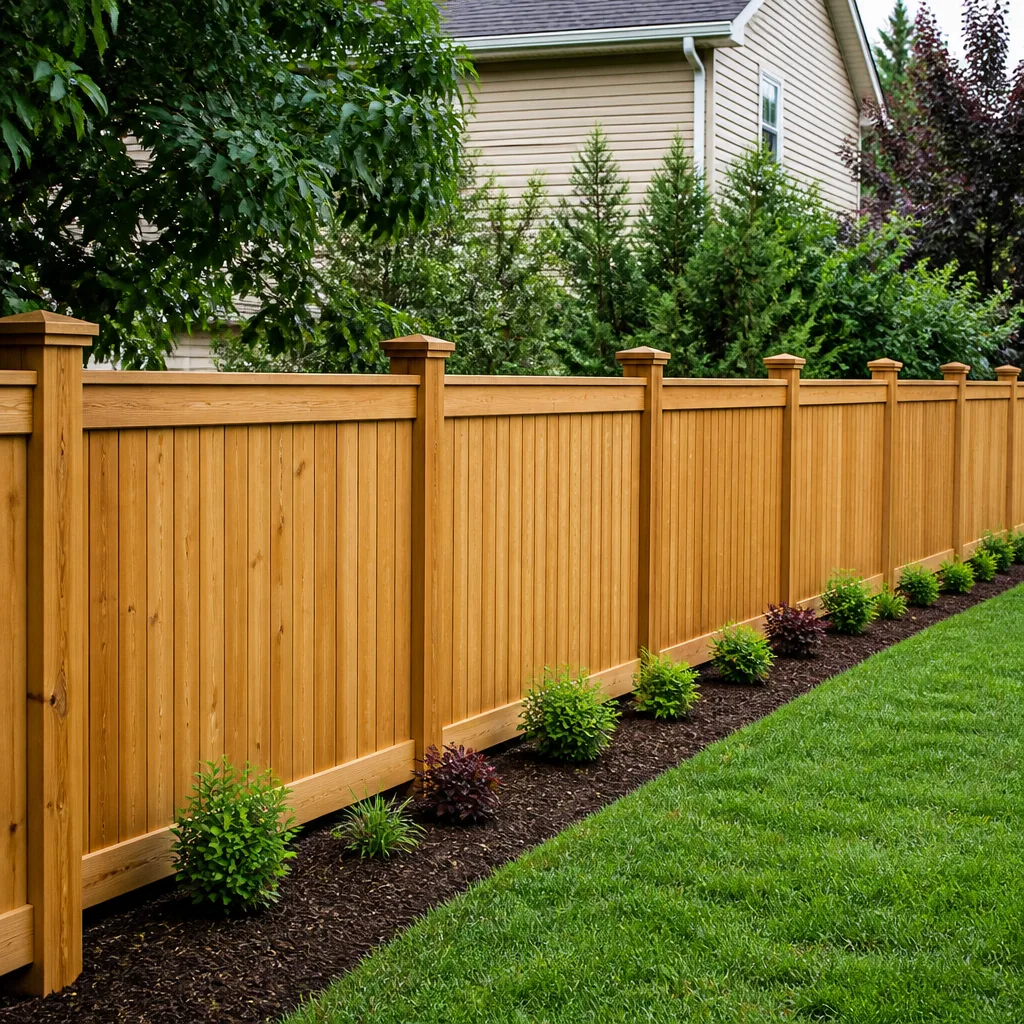
Styles & brands we work with
Signs Your Barrette Driveway & Pavers Is Failing
- Pavers rocking underfoot. This means the bedding sand has eroded out from underneath, usually because water is running through the joints instead of draining off. Left alone, the pavers start cracking at the edges where they rub against each other.
- Edge pavers sliding outward. The edge restraint has failed or was never spiked deep enough. On Los Angeles driveways this shows up first at the curb cut, where vehicle tires push everything sideways every time you pull in.
- Sinking in the wheel tracks. The base layer wasn’t compacted properly, or tree roots from a nearby ficus or liquidambar are pushing through. In LA’s clay soil, a base that wasn’t built to drain will hold water and soften over time.
- Wide, weed-filled joints. Joint sand washes out and weed seeds take hold. If you’re pulling weeds weekly from between pavers, the sand is gone and the pavers are shifting against bare soil, which accelerates cracking.
- Cracked pavers along one line. Usually a point load issue: a low spot collects water, the paver freezes, or a single settling point concentrates weight across just a few units. We see this in driveways where LA’s dry summers cracked the base, then winter rain did the rest.
See the difference
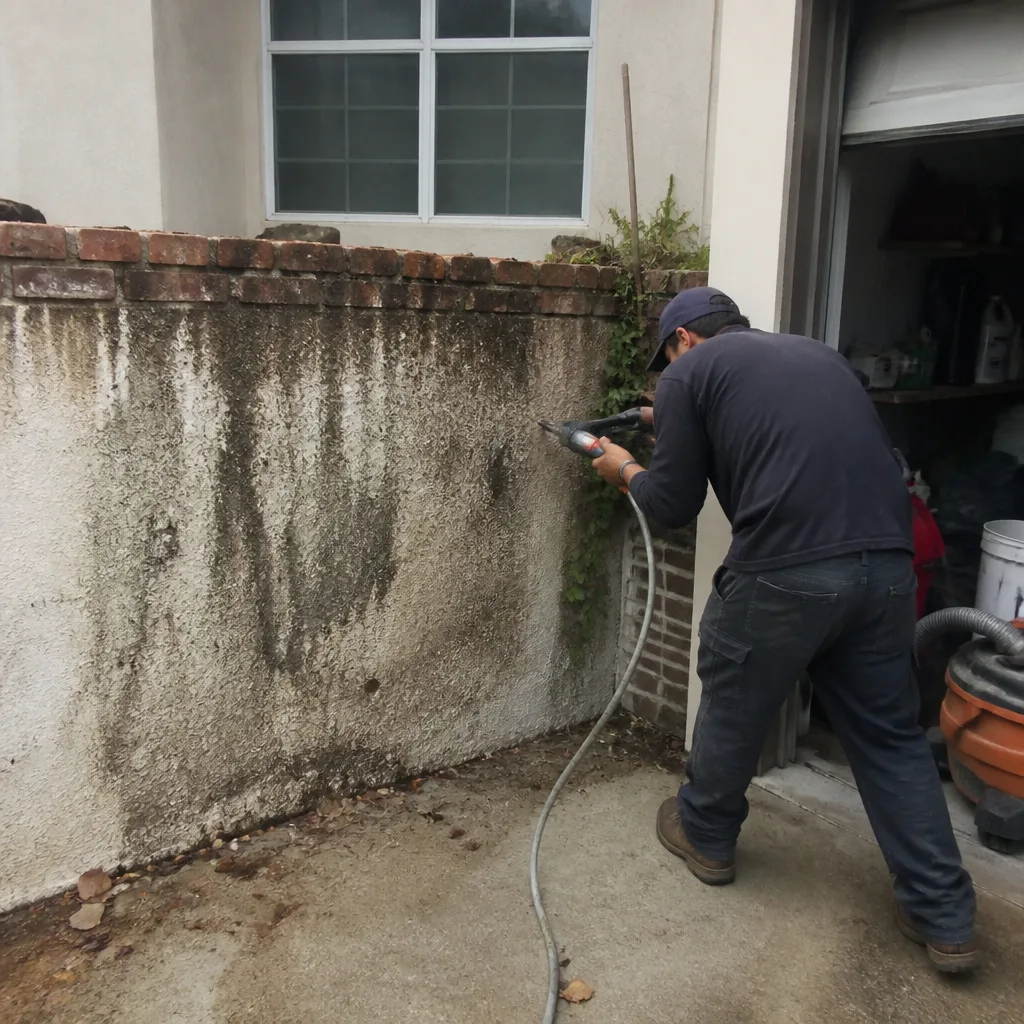 Before
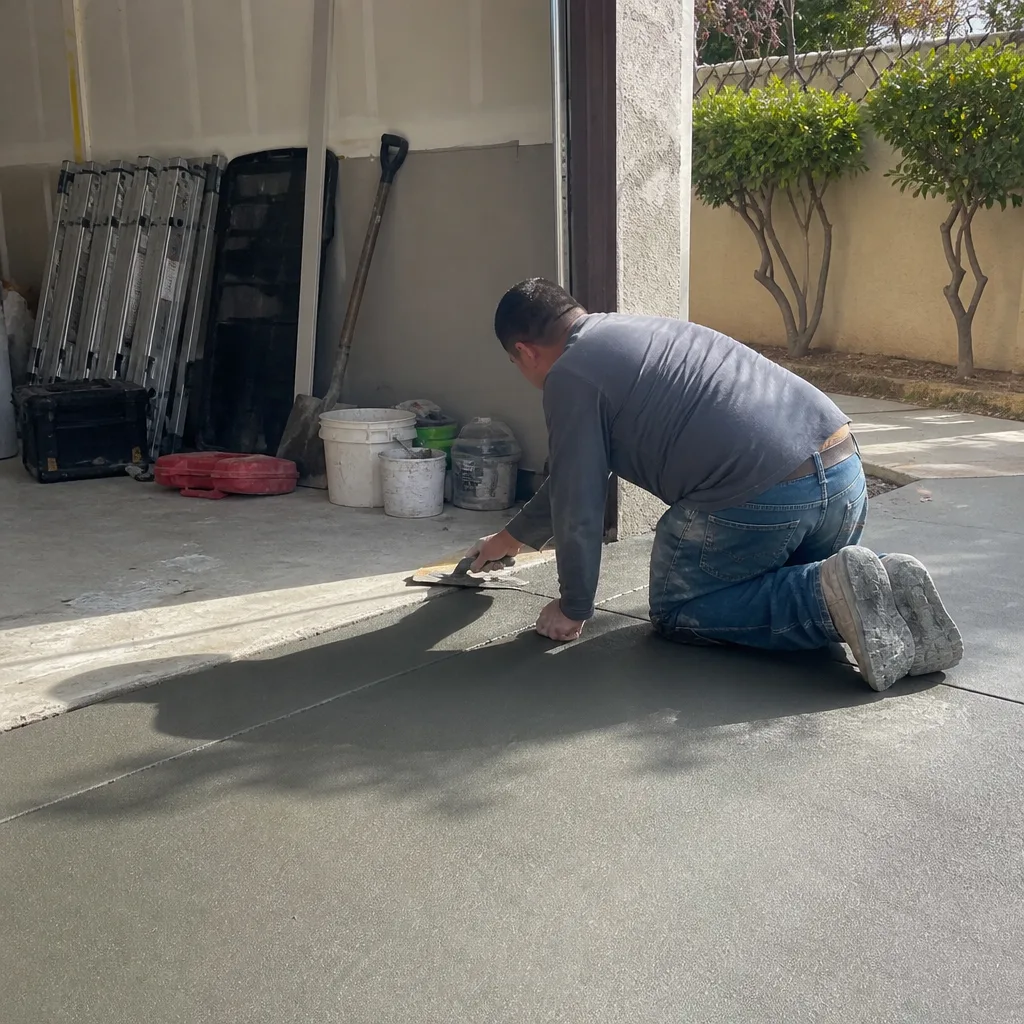 After
After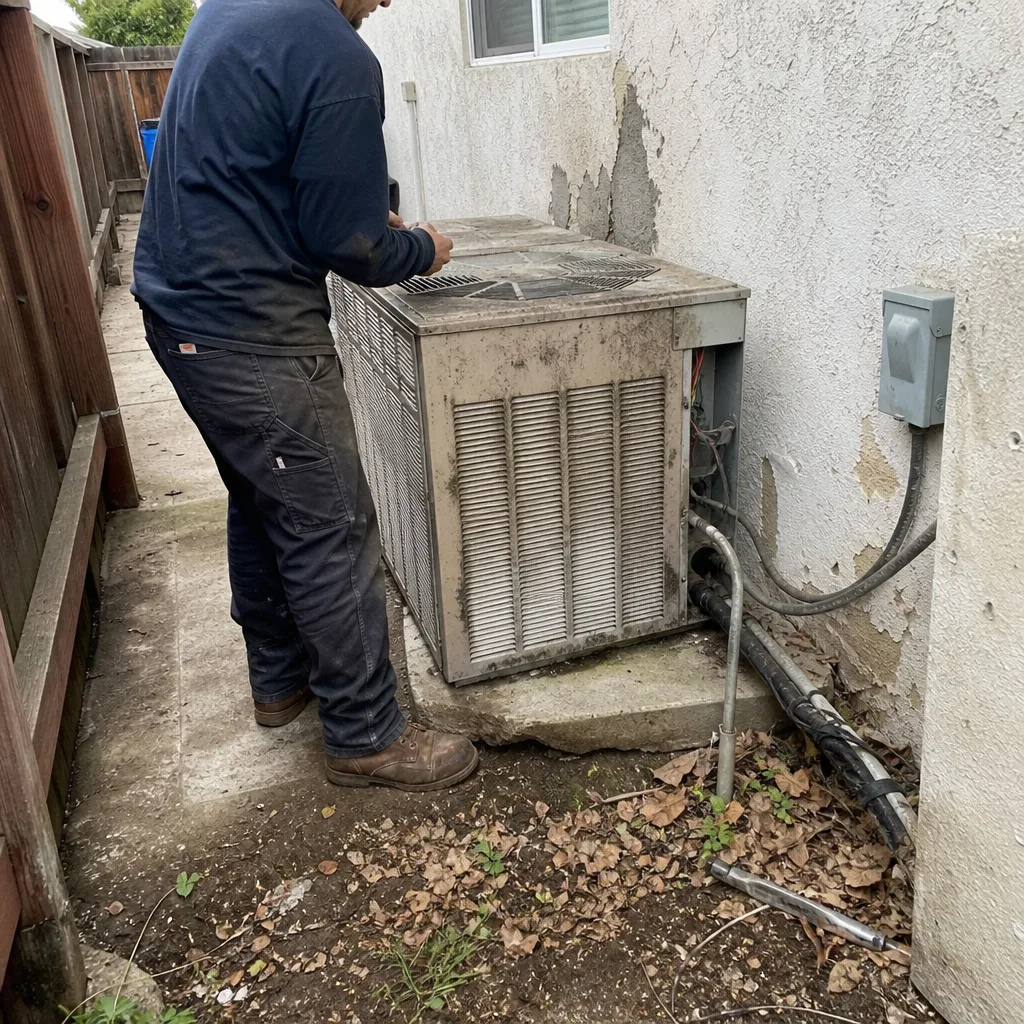 Before
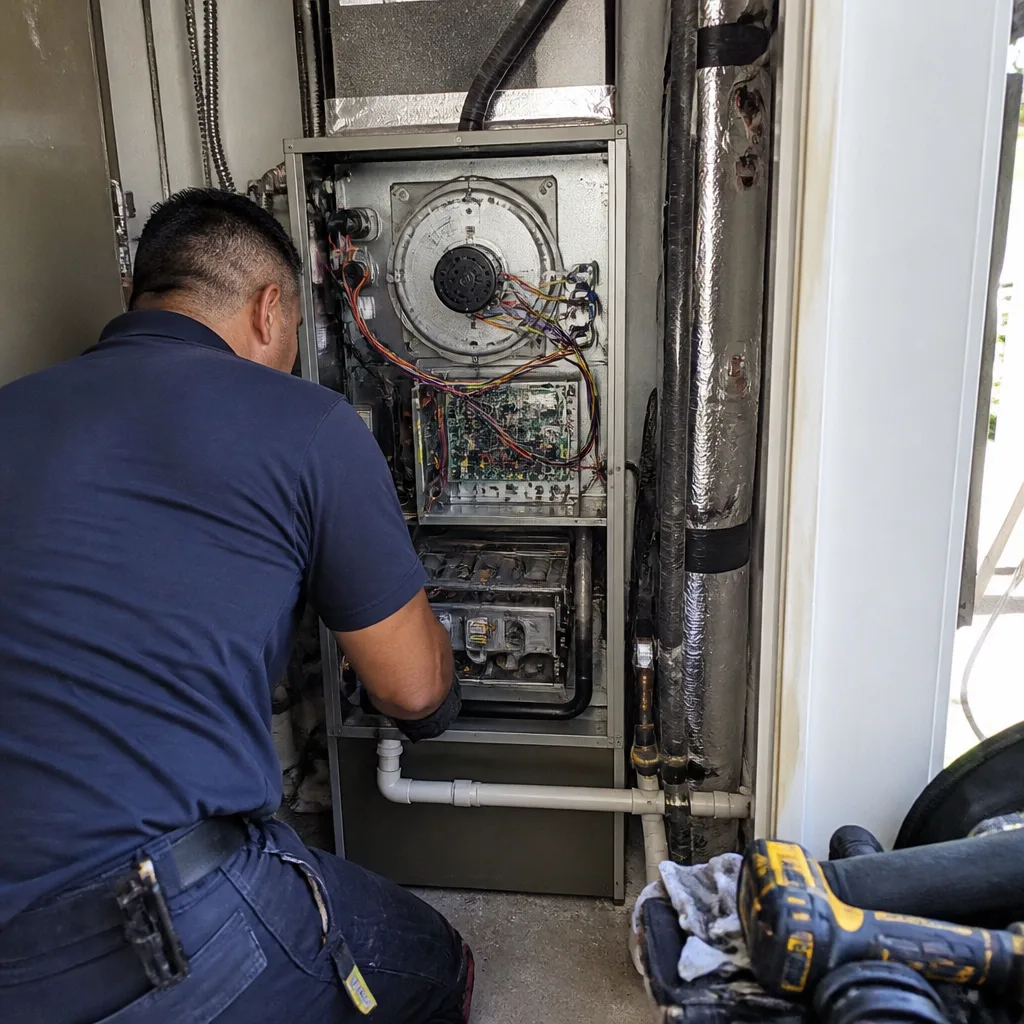 After
After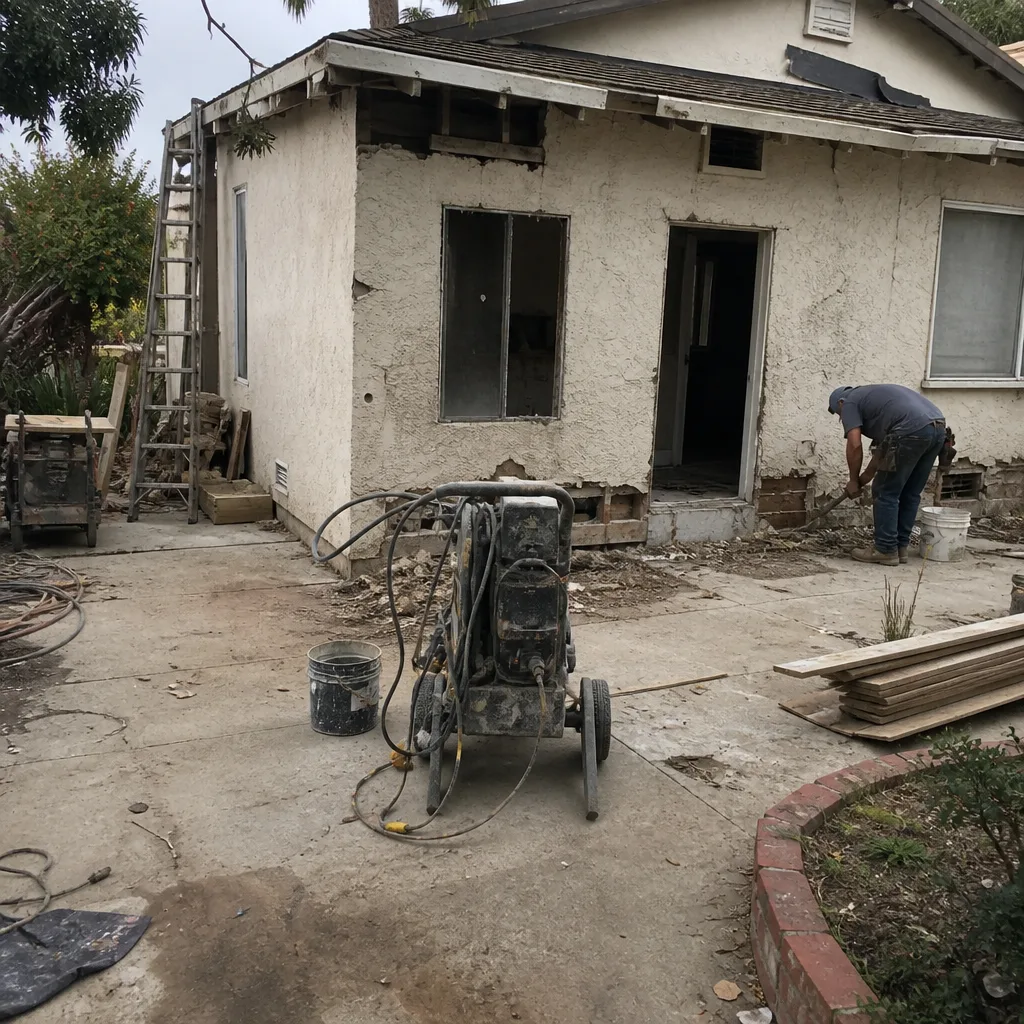 Before
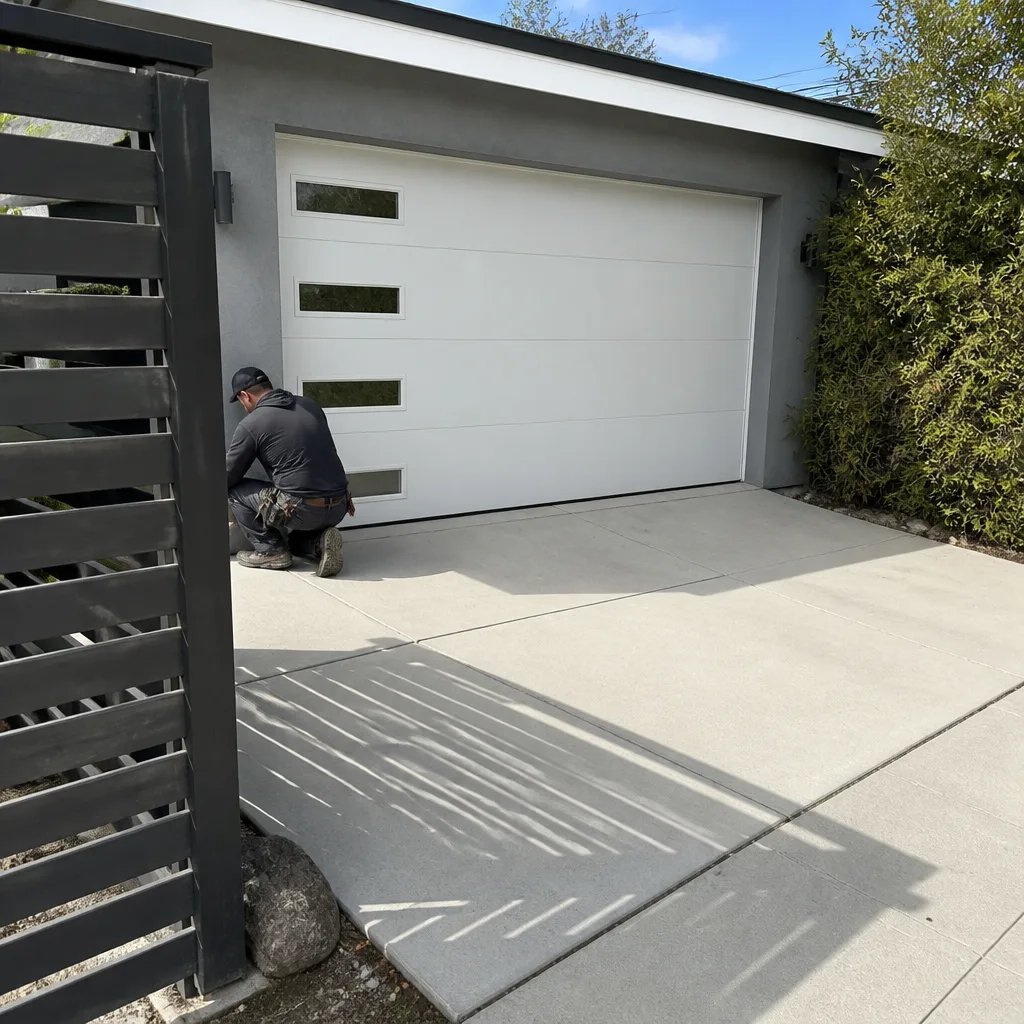 After
AfterReplacement Cost & What’s Included
For Barrette paver repair and replacement in Los Angeles, here’s what homeowners actually pay:
| Scope | Typical Range |
|---|---|
| Small paver repair (under 50 sq ft) | $826 – $1,416 |
| Mid-size paver replacement (50 – 150 sq ft) | $1,416 – $2,360 |
| Large driveway section rebuild (150 – 400 sq ft) | $2,360 – $4,720 |
| Full paver driveway replacement | $8,260 – $21,240 |
The range depends on three things: whether the base needs partial or full excavation, how much new paver material is required, and whether we’re matching an existing pattern like herringbone or running bond. Every estimate we write includes line items for demolition, base material, bedding sand, pavers, edging, and labor. The price we write is the price you approve, and if we find rot or drainage problems under the surface, we stop and show you before adding a dollar.
Every Barrette paver repair or replacement we install is covered by our 365-Day Done Right Promise. If a paver settles or an edge pops within a year, we come back and fix it, in writing, at no charge.
DIY or Call Us?
Replacing one or two cracked pavers in a walkway is a job a careful homeowner can do with a pry bar, some sand, and an afternoon. Matching the color is the hard part; if the paver has been in place more than a few years, take a sample with you to the stone yard or you’ll bring home something noticeably different.
Where DIY goes wrong is anything involving more than a handful of units. Rebuilding a sunken driveway section means excavating the base, compacting it properly with a plate compactor, re-grading so water drains away from the foundation, and reinstalling edge restraints deep enough to handle vehicle load. We’ve fixed plenty of well-intentioned weekend jobs in the Valley where the base was compacted by walking back and forth over it, and the same sink reappeared eight months later. Paver work isn’t dangerous like a garage spring or electrical panel, but doing it wrong just means paying twice.
If you’re not sure whether your base can be salvaged or needs to be redone, call us at (254) 272-5876. One of our guys will walk the site, tell you straight whether it’s a patch or a rebuild, and you’ll have a written price before deciding anything.
FAQs
Concrete pavers in LA typically last 25 to 40 years, but the base underneath needs attention every 10 to 15 years because our clay soil shifts with seasonal wet-dry cycles. The pavers themselves rarely fail; what fails is the base, the edging, or the drainage, and those are fixable without replacing every unit. Call (254) 272-5876 if you’re seeing movement, and we’ll assess whether you need a repair or a full base rebuild before quoting anything.
A cracked paver needs replacement, not repair, because concrete won’t bond back together under load. The good news is that single-paver replacement costs far less than a full section, and a good color match makes the replacement disappear within a few months of sun and foot traffic. If you’re not sure which paver line you have, bring a photo and a measurement, and we can identify it.
A small repair of a few pavers takes half a day; a driveway section rebuild with base excavation takes two to three days including compaction and final sanding. We schedule around rain because compacting wet base material ruins the job long-term, so we watch the forecast and keep you posted with the live arrival tracking the whole way. Call (254) 272-5876 for an exact timeline based on your project size.
We stock the most common Barrette-compatible paver profiles and edge restraints on our trucks, and we source matching units from local LA suppliers within a week for colors and patterns we don’t carry. You never need to order material yourself; we handle the color match, the pickup, the delivery, and any extras like 10-inch spikes for the edging. Get a written quote at (254) 272-5876 and we’ll tell you exactly what’s in stock before we schedule anything.
Written by Luca Romano, Owner, Sawyer Remodeling at Sawyer Remodeling, serving Los Angeles and nearby areas.