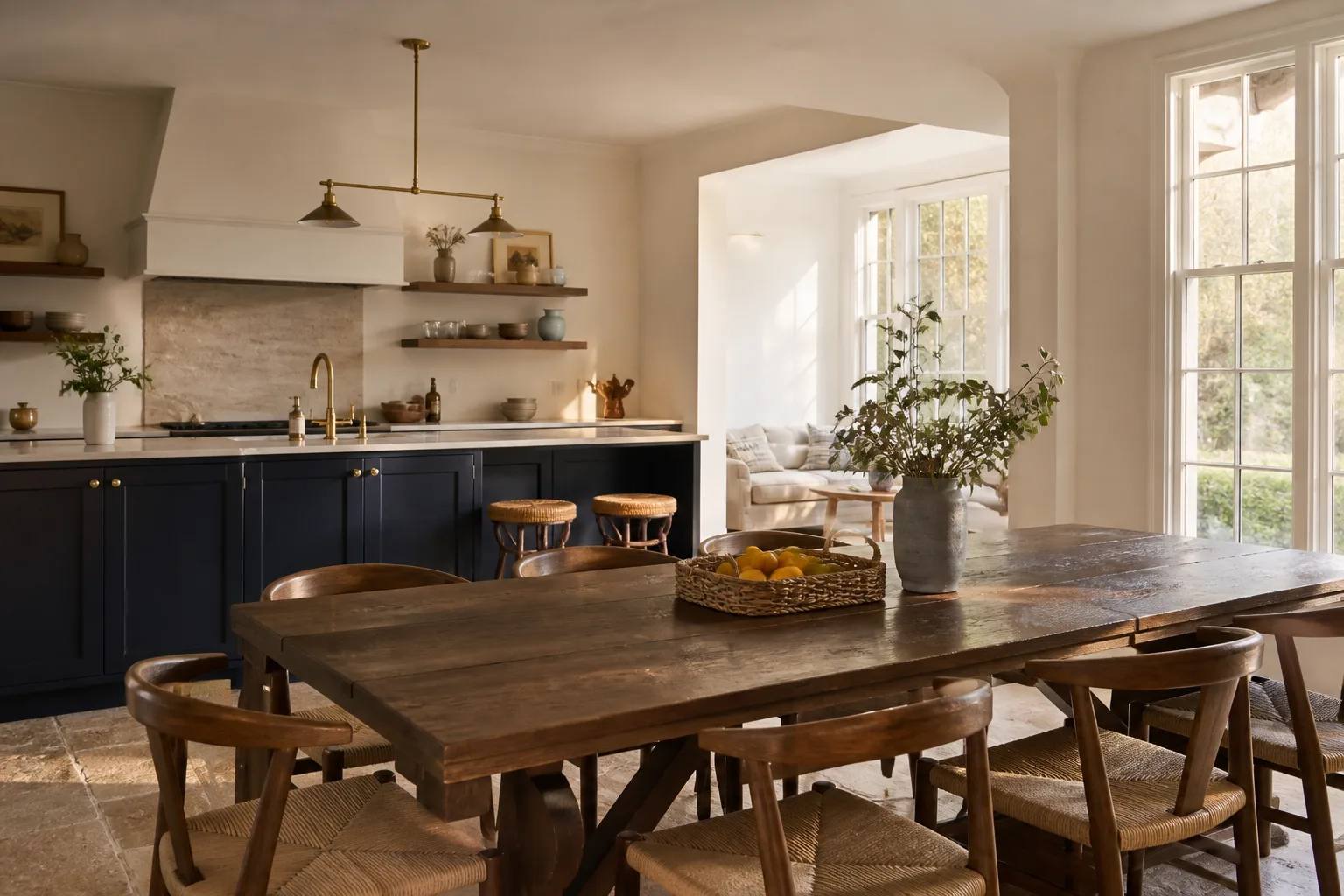
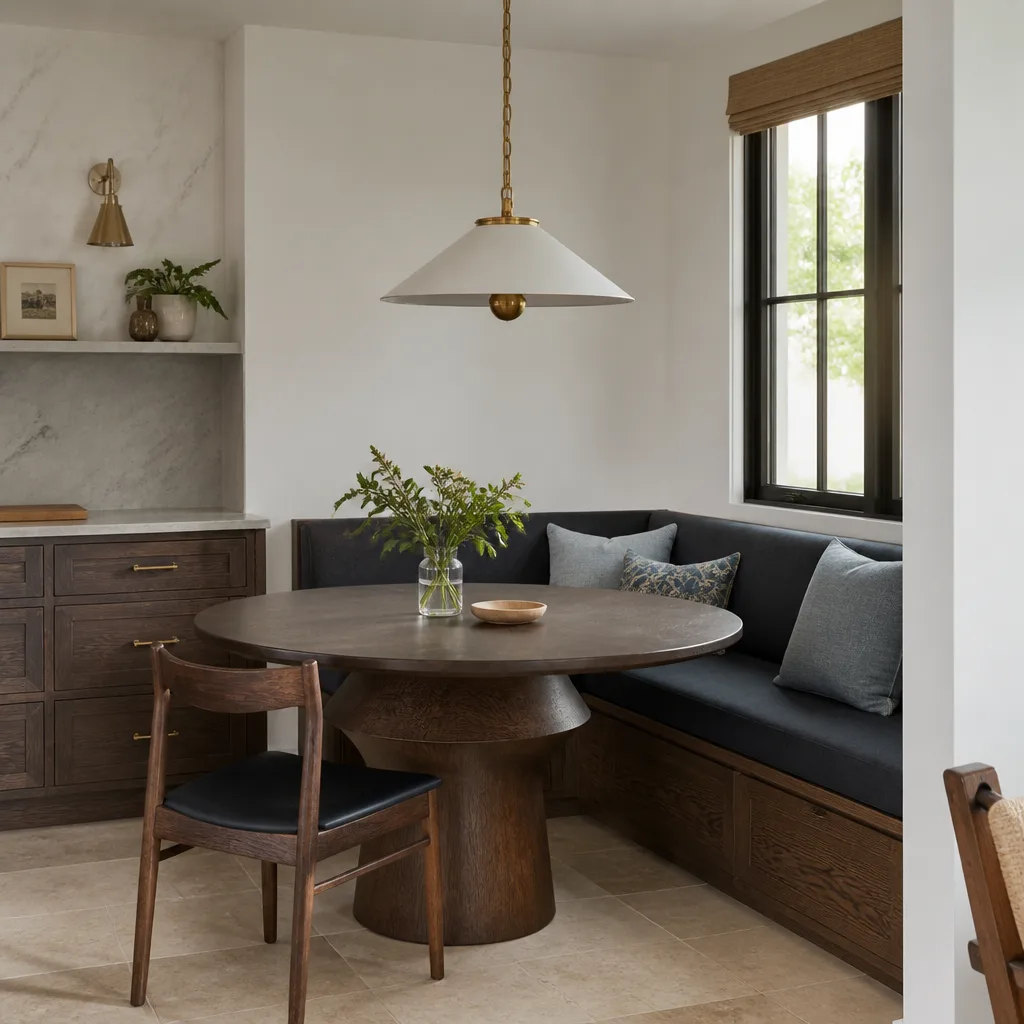
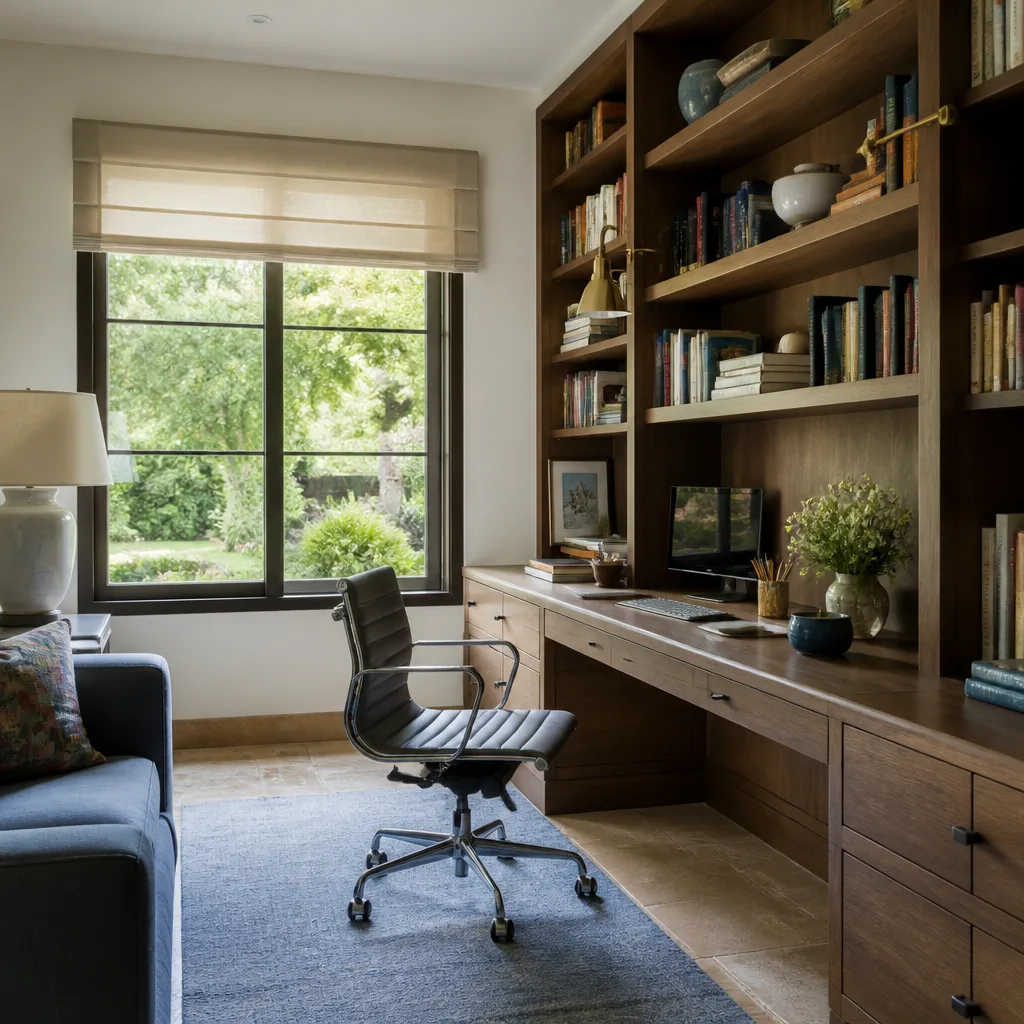
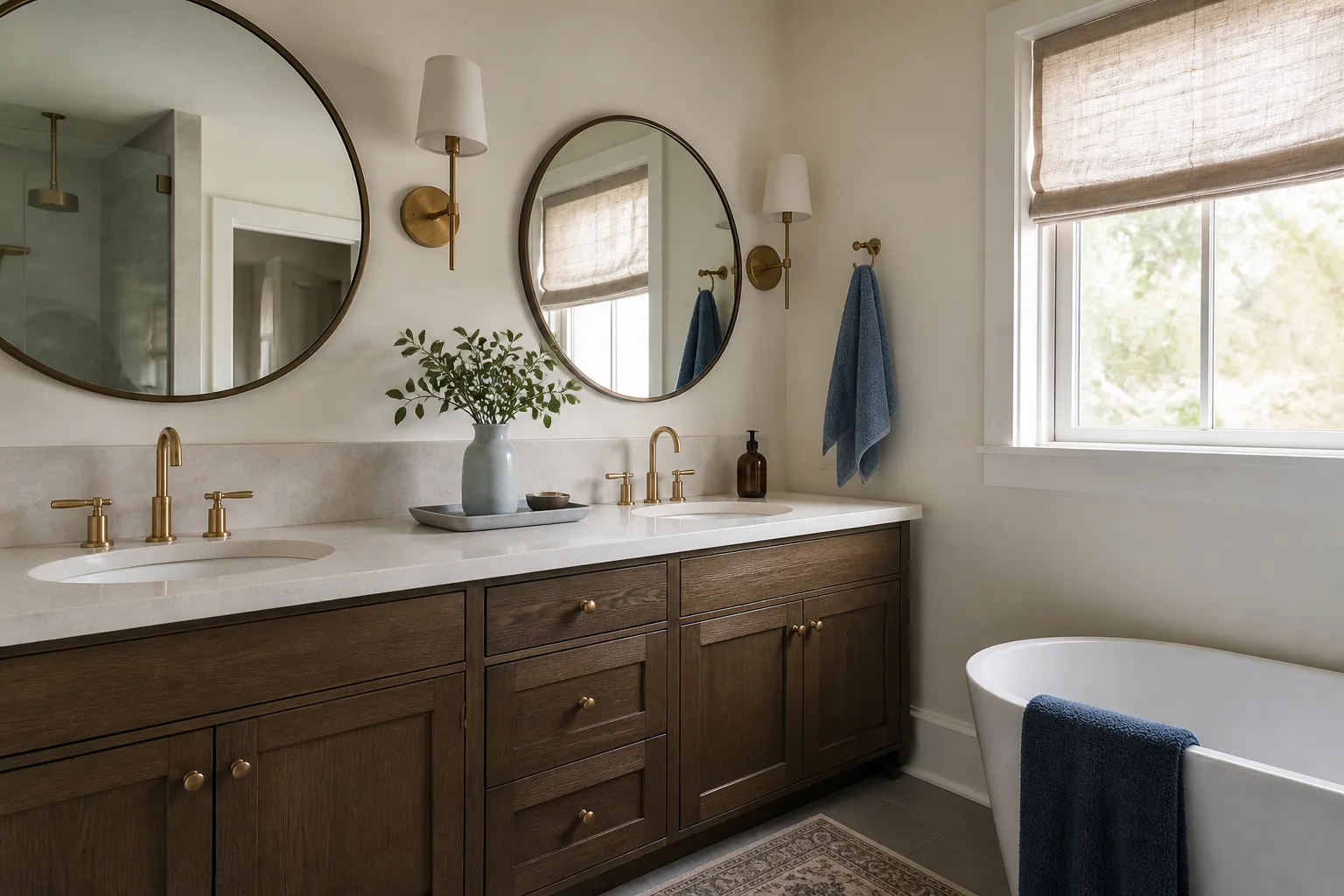
Free written scope consultation - allowances, timeline, and change-order rules on paper before a single trade is scheduled
Caesarstone Home Additions & ADU: The Los Angeles Owner’s Guide
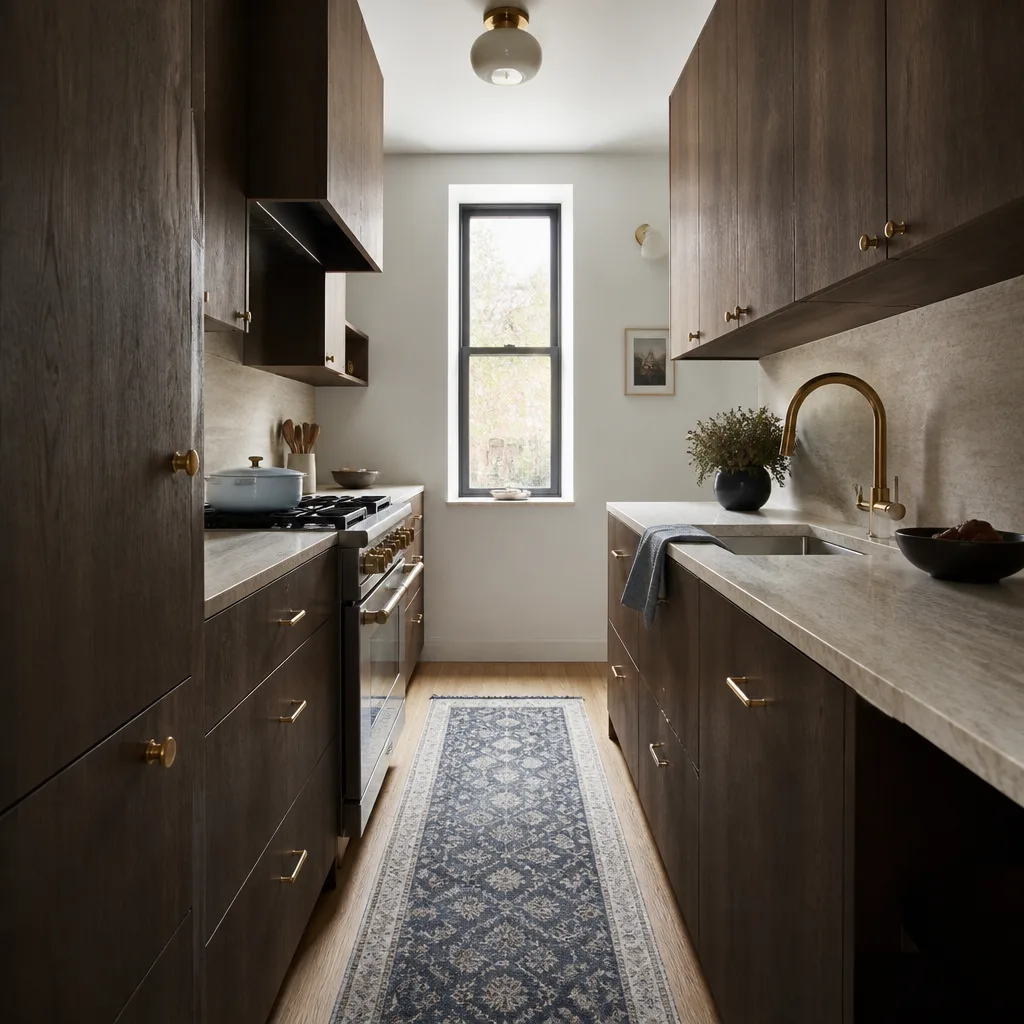
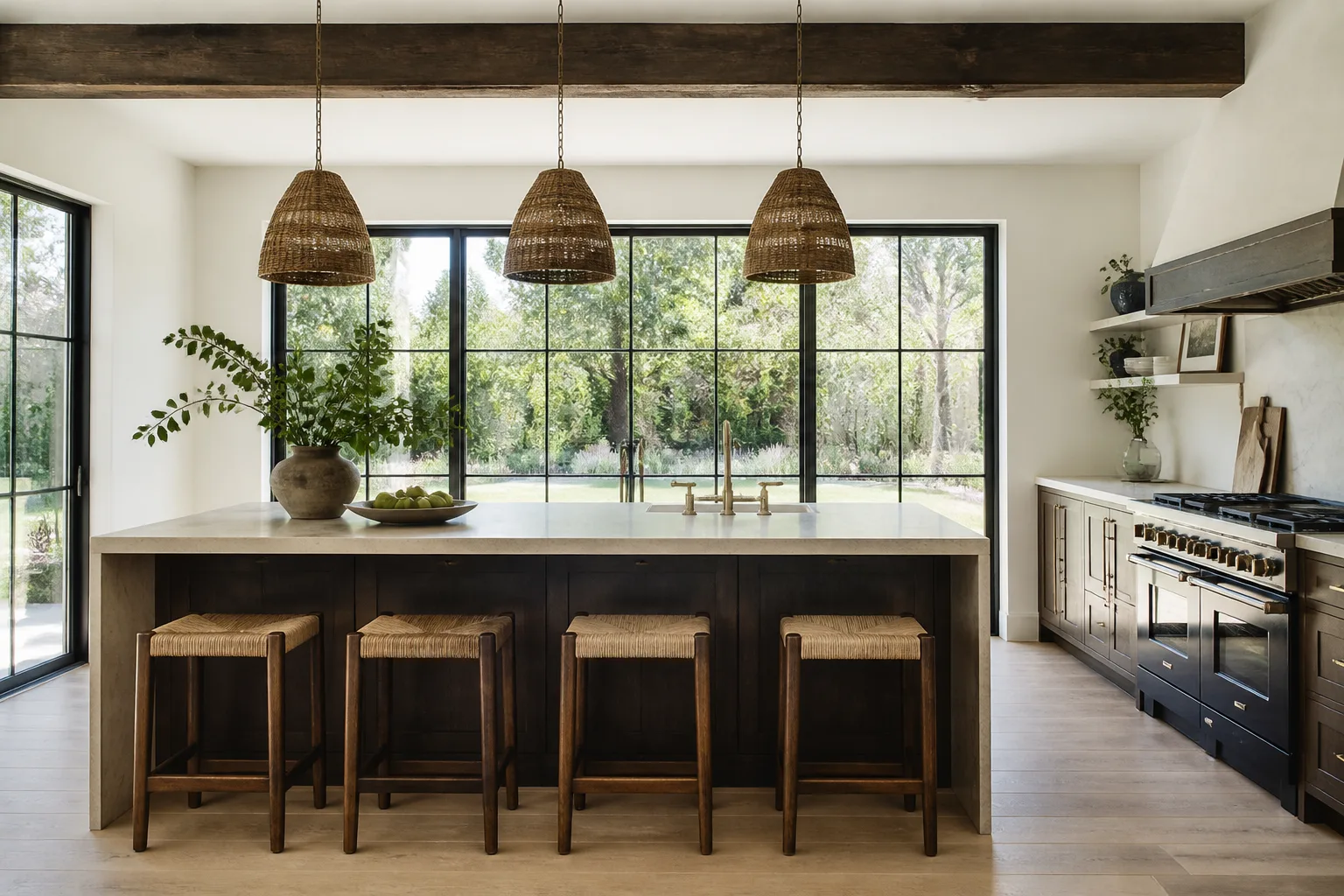
If you’re planning a home addition or ADU in Los Angeles with Caesarstone surfaces, the installed project typically runs $53,100 – $153,400 depending on square footage, utility work, and finish level. We stock and install Caesarstone-compatible slabs, cuts, and edge profiles across Los Angeles, and most Caesarstone material selection happens within the first two weeks of your project’s design phase. Homeowners usually find us after a different contractor quoted Caesarstone but couldn’t tell them the difference between a Concetto and an Outdoor series, or when a previous install developed visible seams and they want the surface done right this time.
Which Caesarstone Models This Applies To
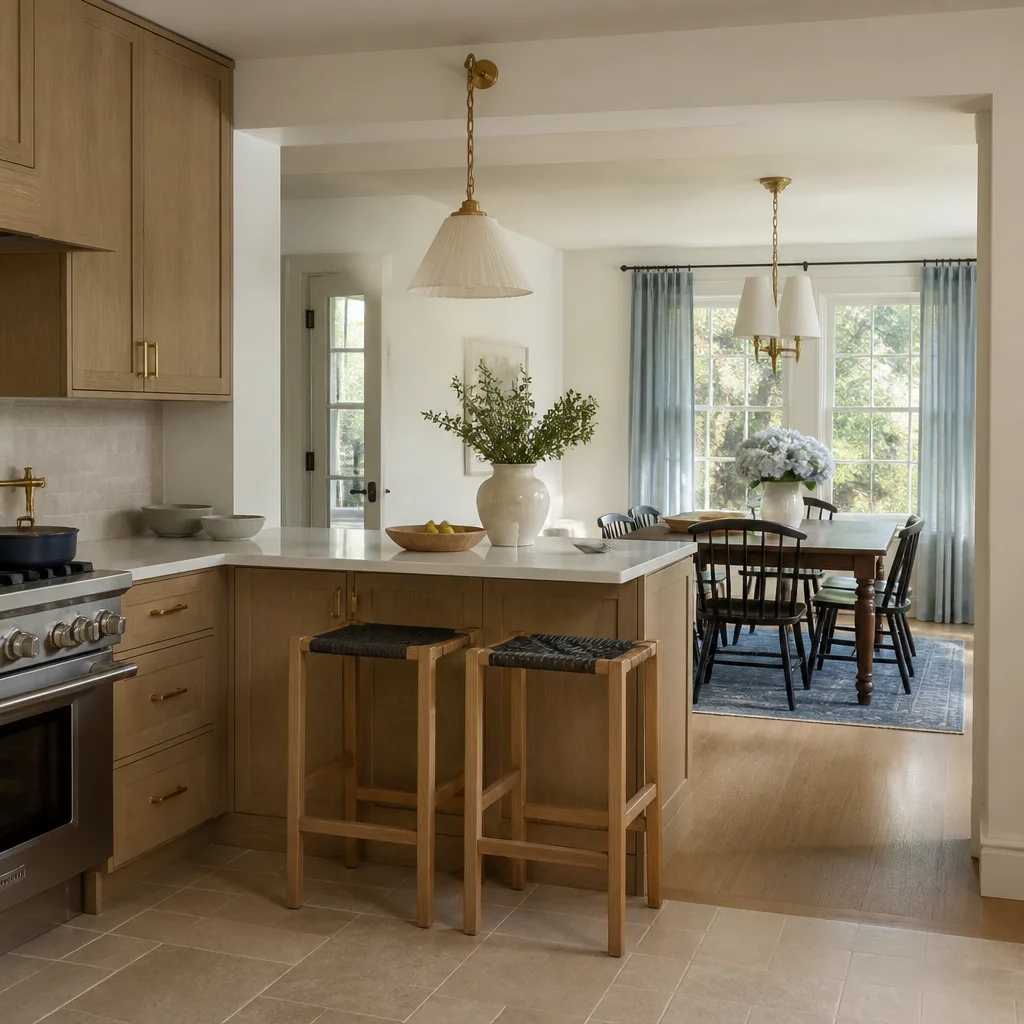
Caesarstone splits its catalog into a few families, and the one you pick changes how we handle your addition or ADU. The Classico and Supernatural series are the most common for Los Angeles home additions: standard ¾-inch (2cm) and 1¼-inch (3cm) thicknesses, predictable pricing, and the widest color range. The Outdoor series is UV-stable and what we recommend for ADU patio counters or exterior kitchens, because standard quartz resins yellow under direct California sun within a few seasons. The Concetto line is semi-precious stone set in resin, beautiful but softer, and we tell Los Angeles clients to think twice before putting it in a rental ADU kitchen. For part matching, check the underside of any existing slab or your original invoice for the model number, which starts with a four-digit code like 5141 (Frosty Carrina) or 6338 (Woodlands, if that’s your surface). Caesarstone changed thickness availability on some Supernatural colors in 2021, so a color you bought in 2019 may now only come in 3cm, not 2cm, which affects how we support overhangs and edge profiles on your addition.
On the OEM-versus-aftermarket question for Caesarstone specifically: Caesarstone doesn’t sell “parts” in the mechanical sense, but what you’re replacing on an addition or ADU project is usually the fabricated slab, the edge profile, or the substrate underneath it. OEM means a slab sourced through Caesarstone’s authorized Los Angeles distributors. Aftermarket equivalents are other quartz brands that mimic a Caesarstone color, and we’re honest about this: Silestone and Cambria make fine products, but color-matching an existing Caesarstone run with another brand is a gamble because quartz veining and base tone vary batch to batch even within the same brand. If you’re extending an existing Caesarstone counter into a new ADU kitchen, we source from the same Caesarstone lot when possible, and when we can’t, we show you the two slabs side by side before we cut anything.
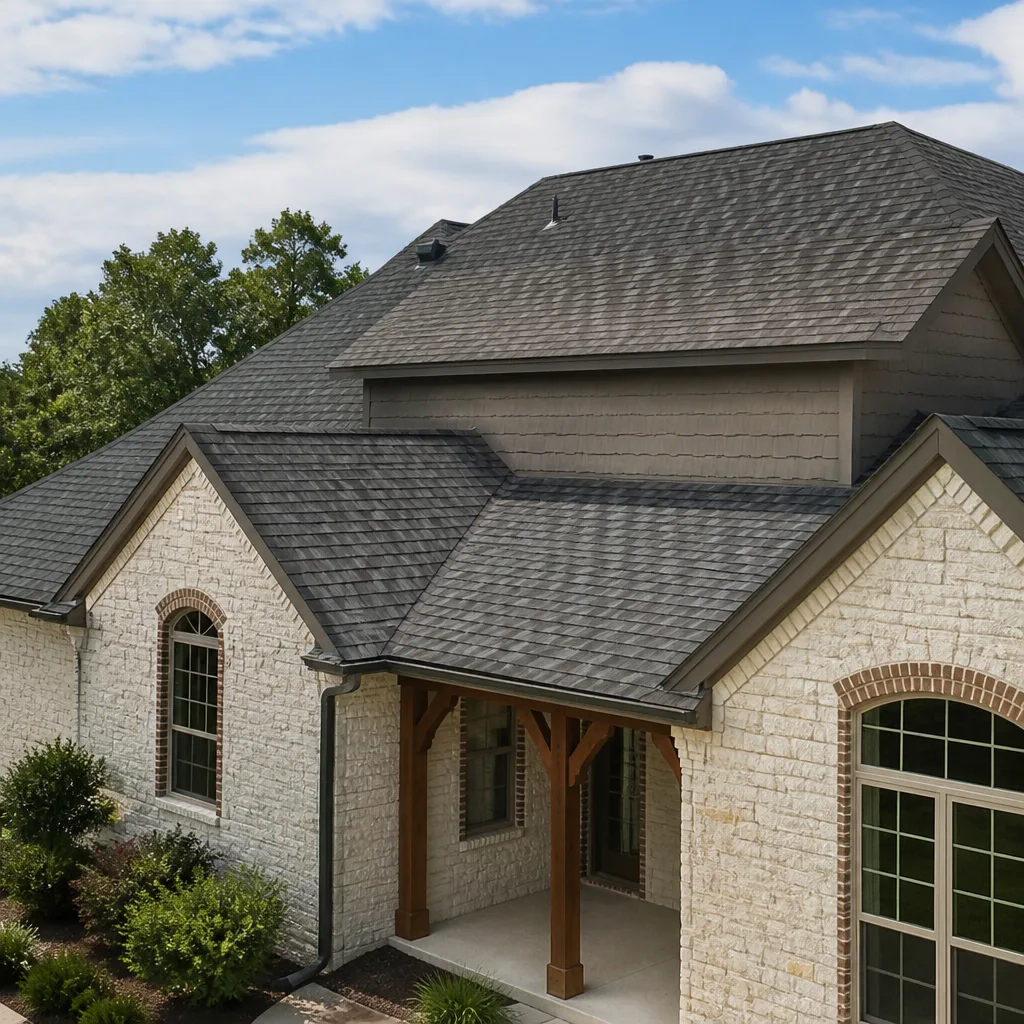
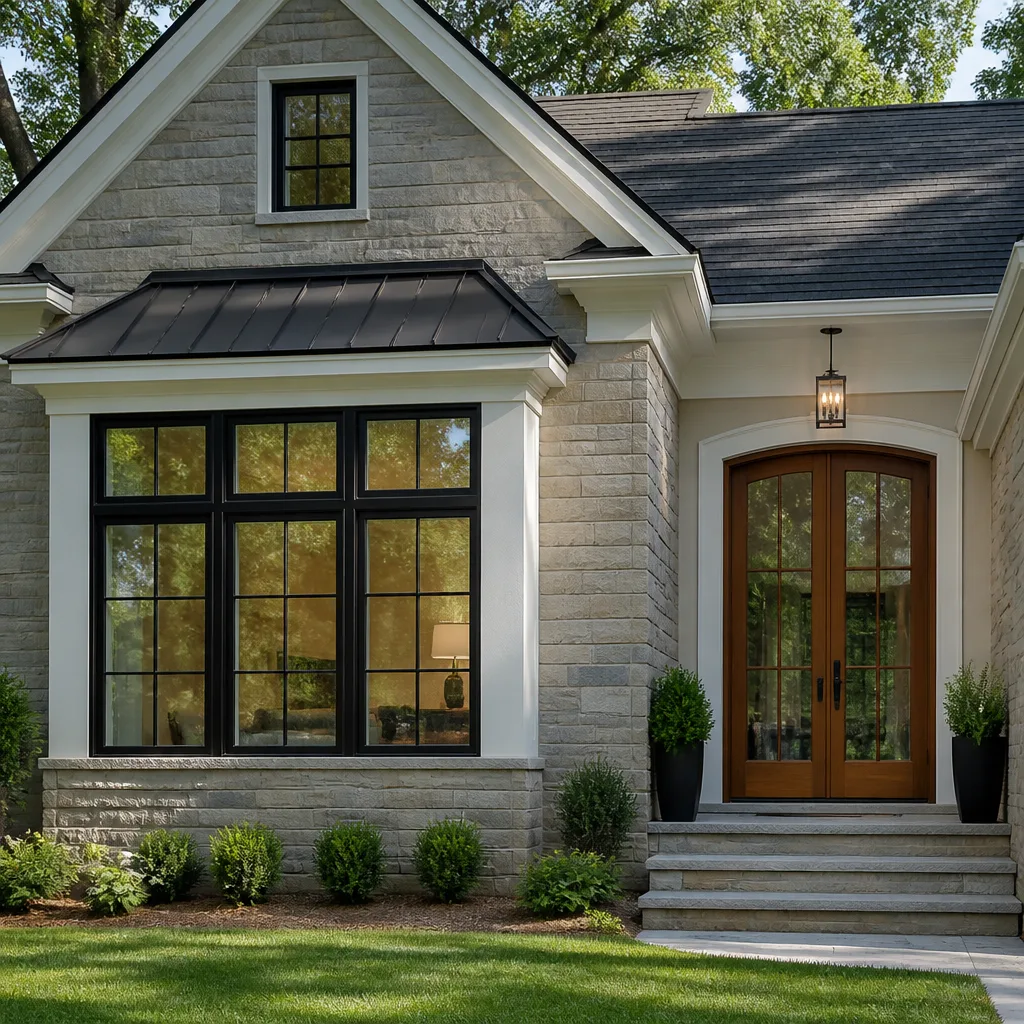
Styles & brands we work with
Signs Your Caesarstone Home Additions & ADU Is Failing
- Seam separation or lifting: Where two Caesarstone pieces meet, the epoxy seam can crack or open if the substrate below moves. In Los Angeles, this often traces to the original installer not shimming the cabinets level before dropping the slab.
- Chipping at the edge profile: Caesarstone is extremely hard, but a sharp impact on a 2cm eased edge can blow out a chip. This is common in ADU kitchens where renters move appliances in and out and a fridge corner catches the counter lip.
- Dulling or hazing in a specific area: Quartz shouldn’t haze, but repeated cleaning with acidic or abrasive products degrades the resin binder. We see this near stovetops where a tenant or owner used a scouring pad for months.
- Staining that won’t lift: Caesarstone resists most stains, but turmeric, red wine, and certain adhesives can penetrate if the surface wasn’t sealed at the factory edge or if someone used paint thinner on it. This is a red flag for rental ADUs.
- Thermal cracking near a cooktop or outdoor grill area: Quartz can’t take direct heat. We’ve seen Los Angeles ADU owners set a hot pan from the range straight onto the quartz and crack it, especially on the thinner 2cm Classico slabs.
See the difference
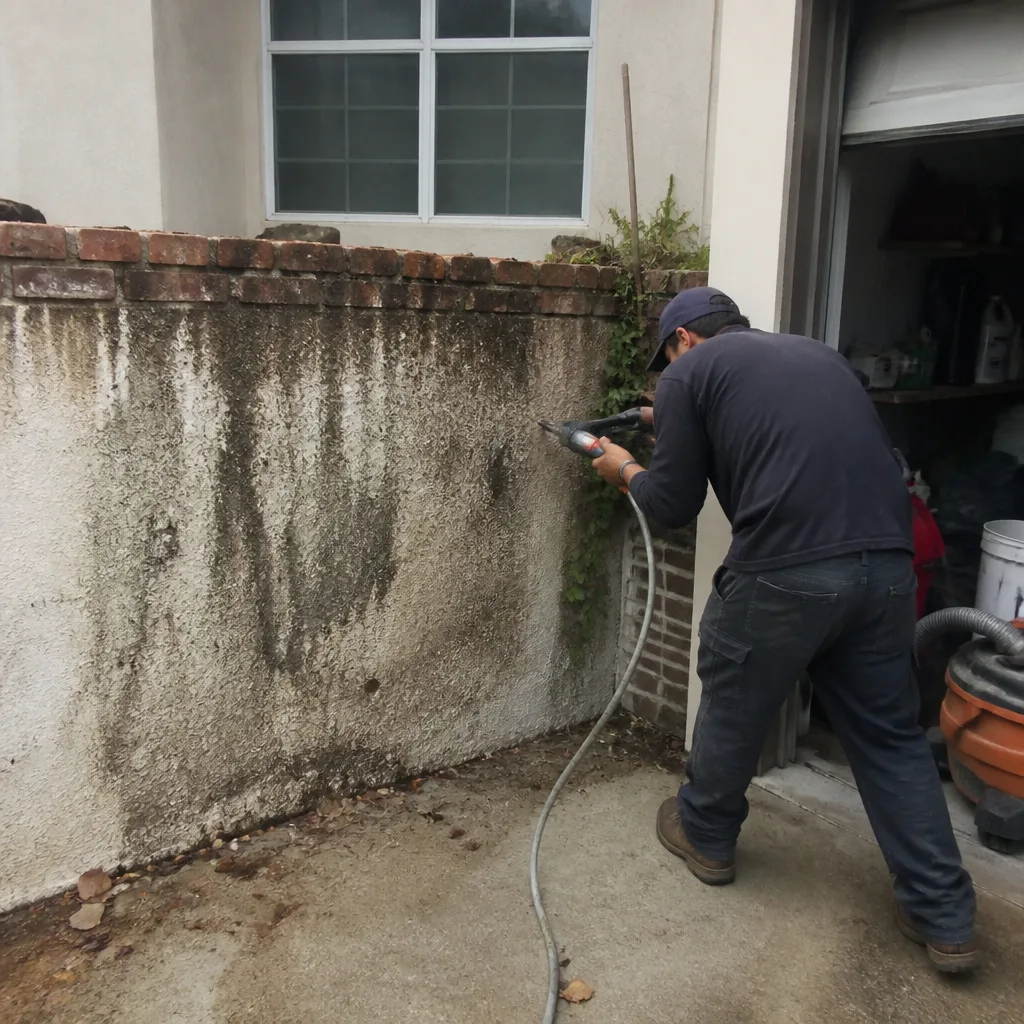 Before
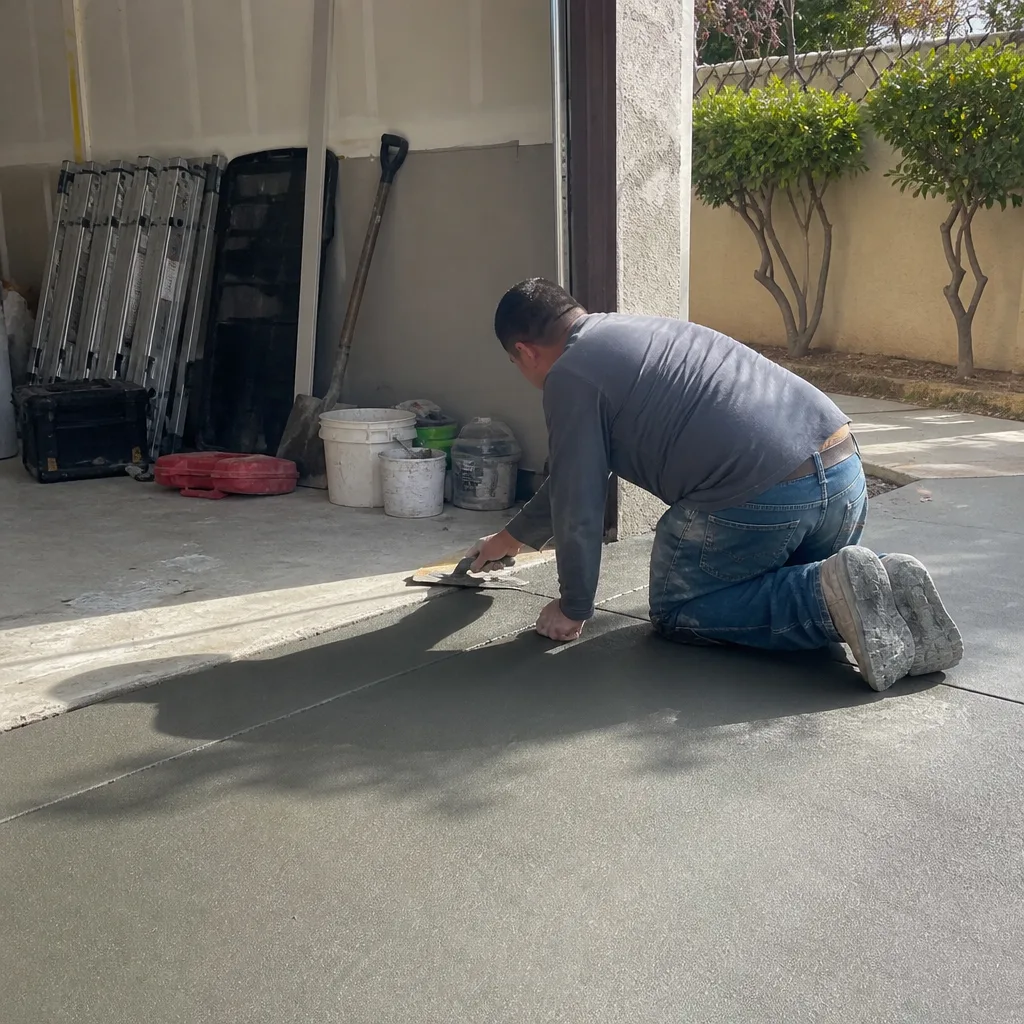 After
After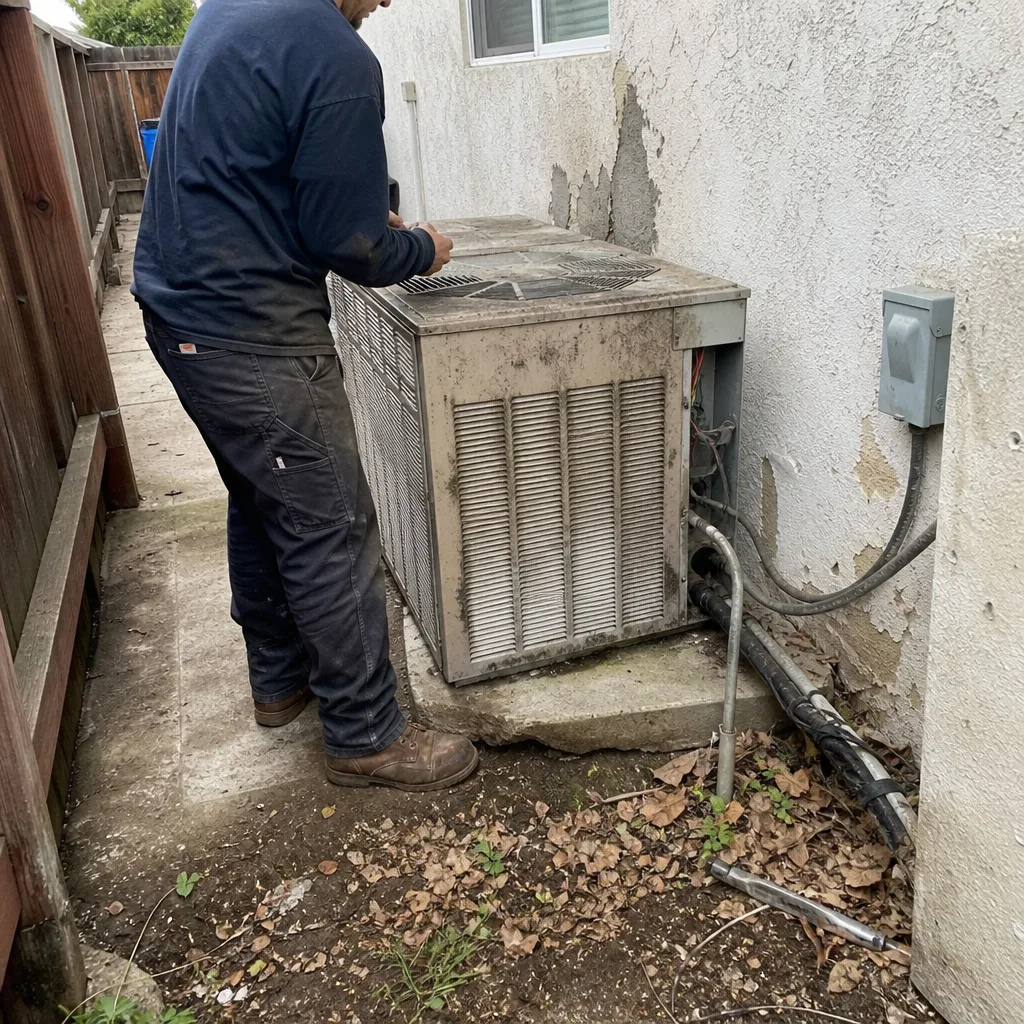 Before
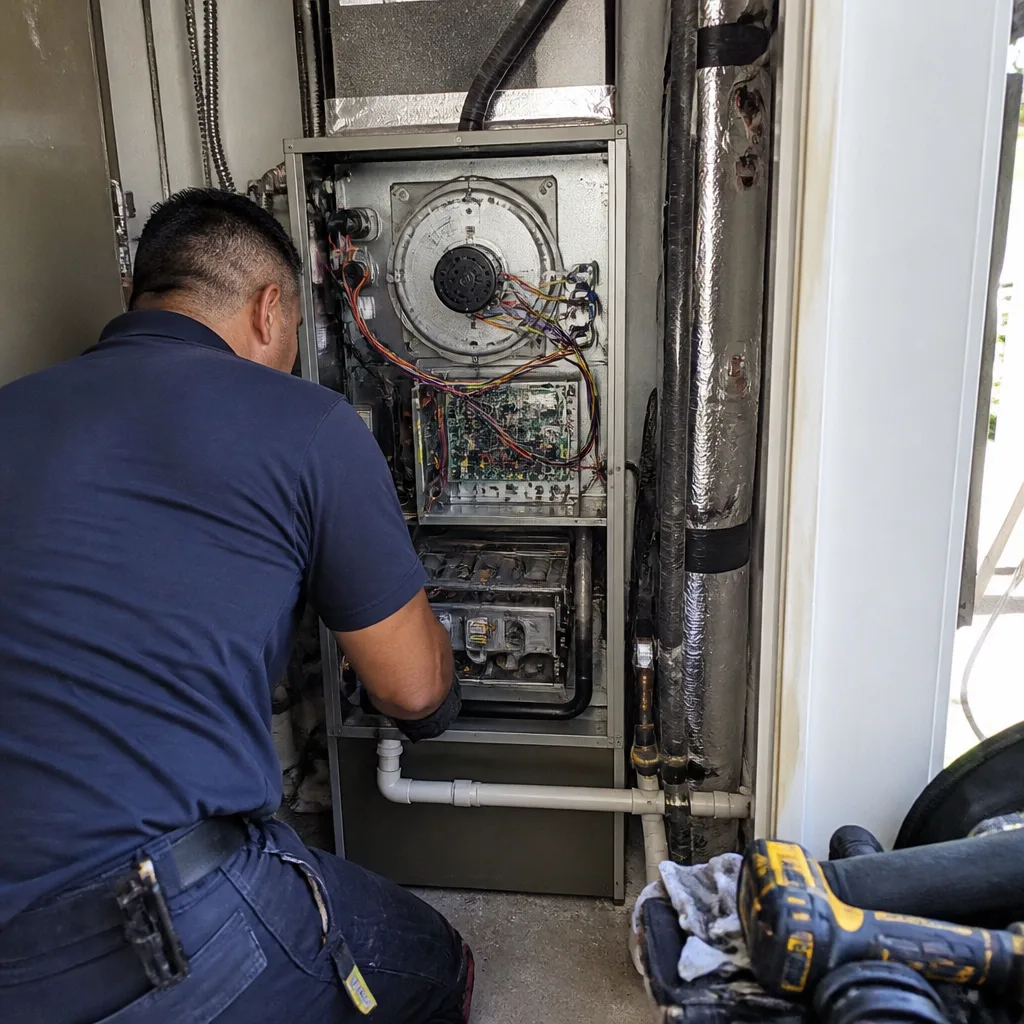 After
After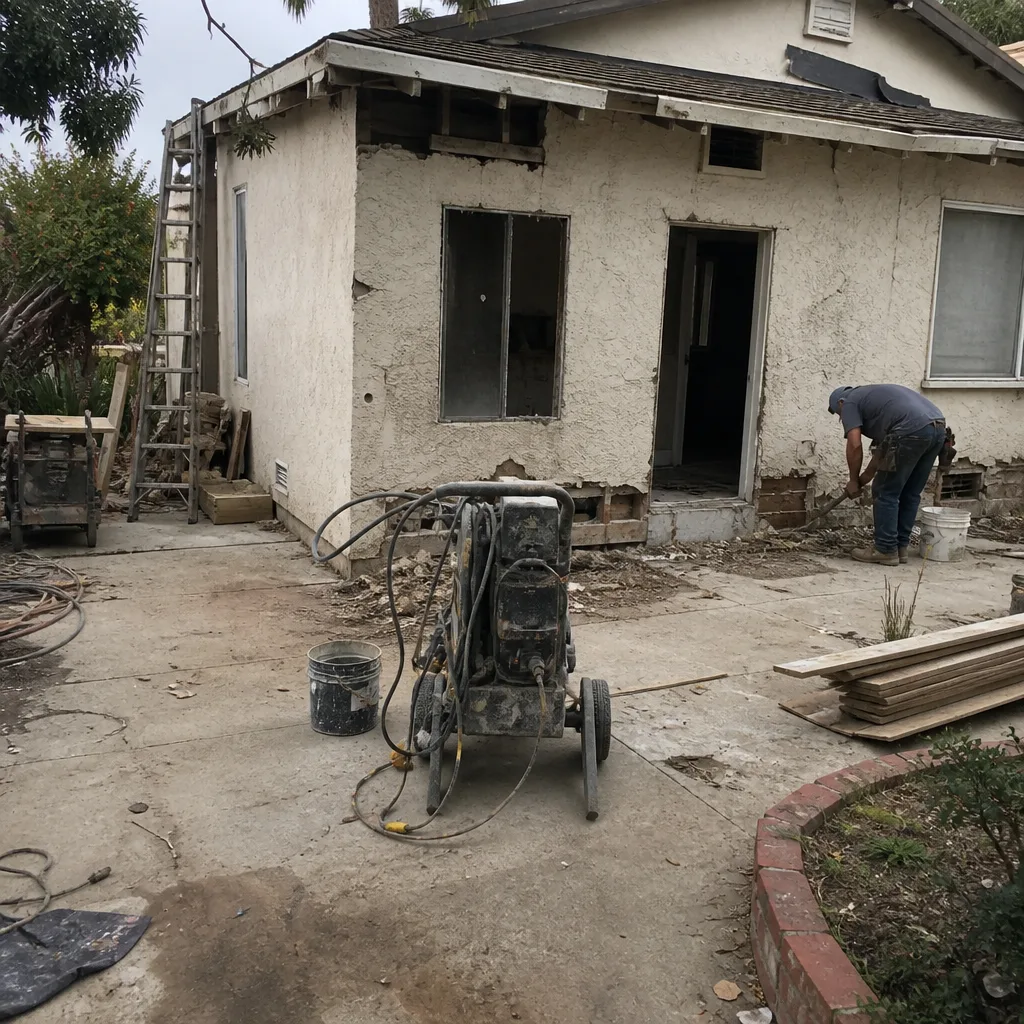 Before
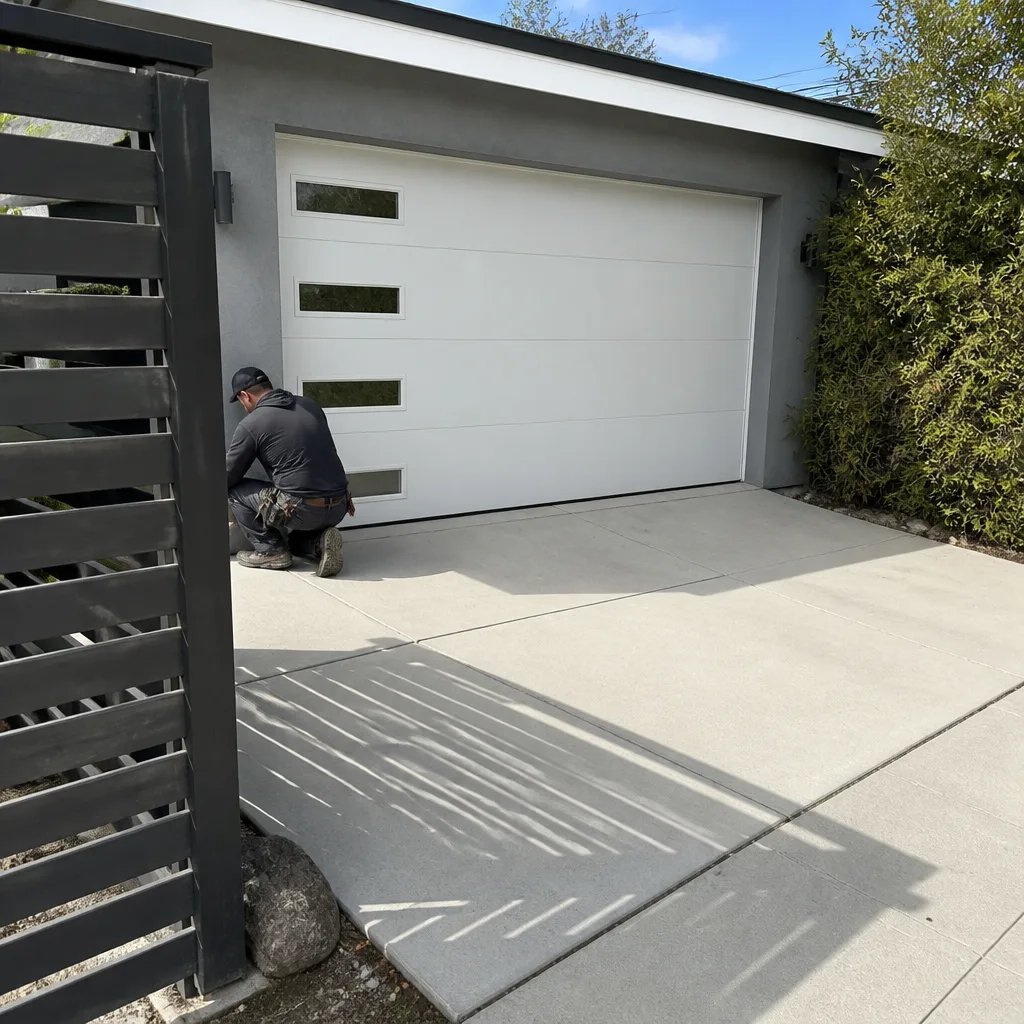 After
AfterReplacement Cost & What’s Included
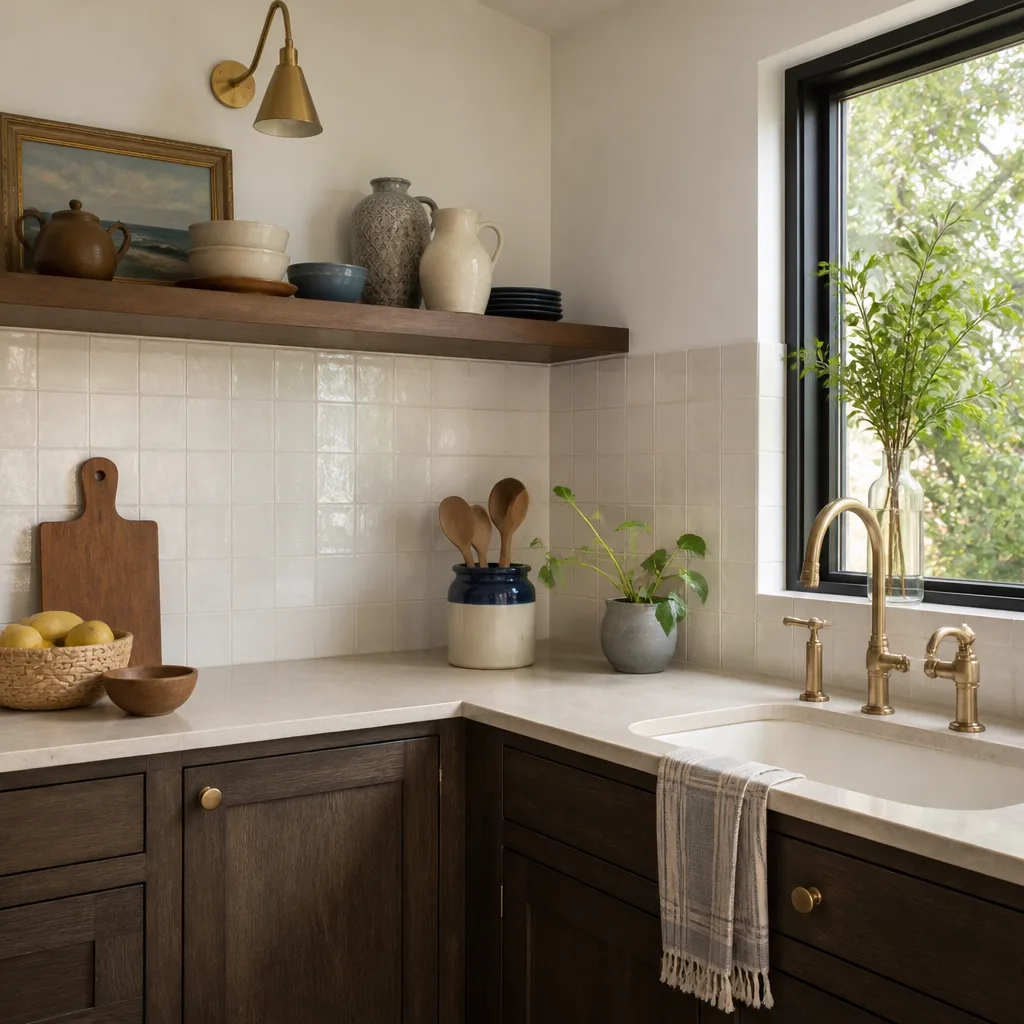
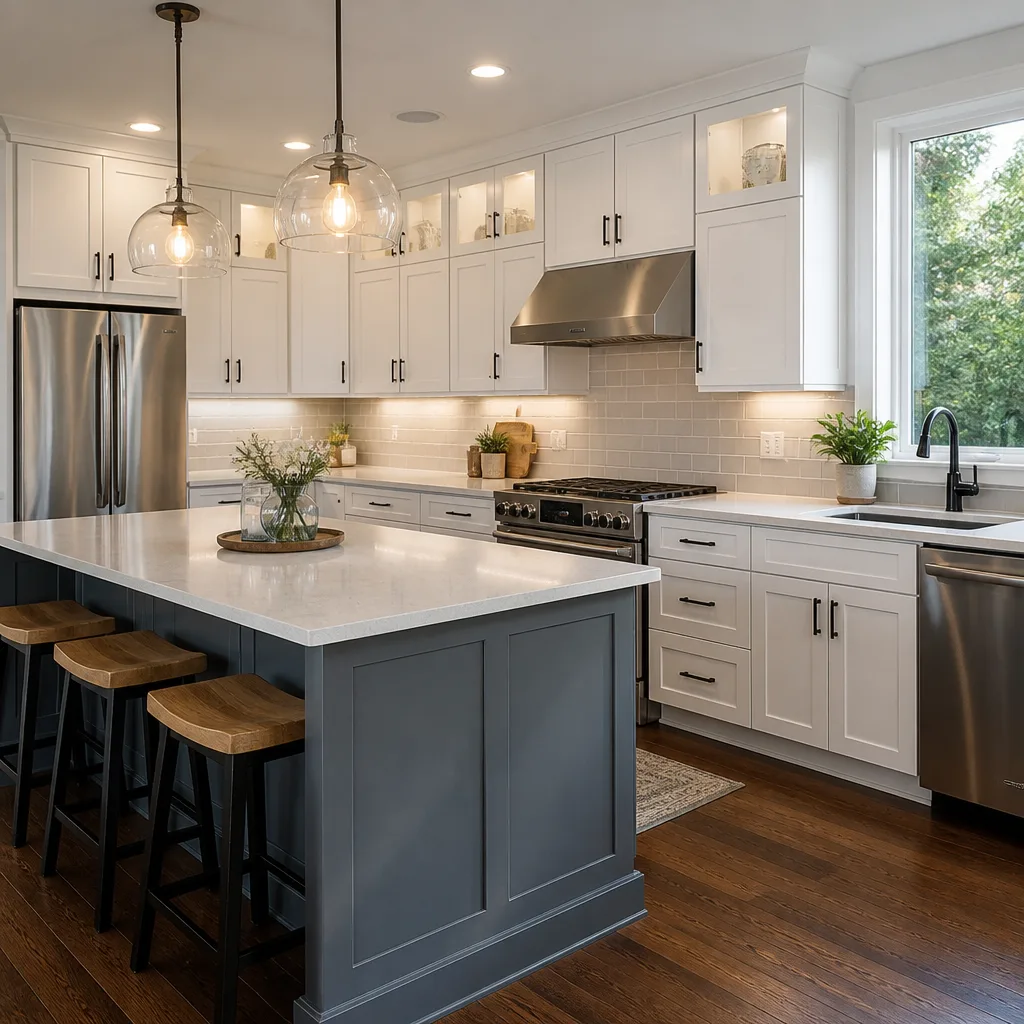
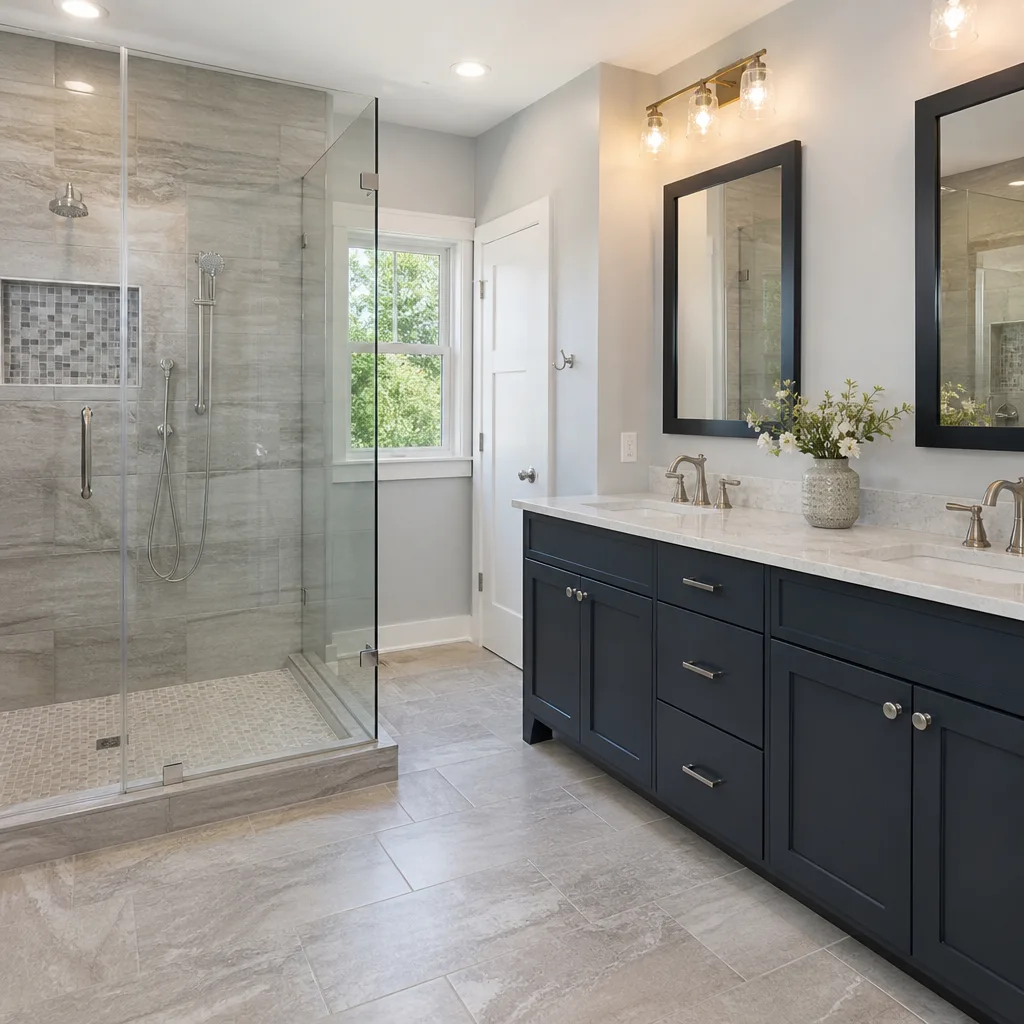
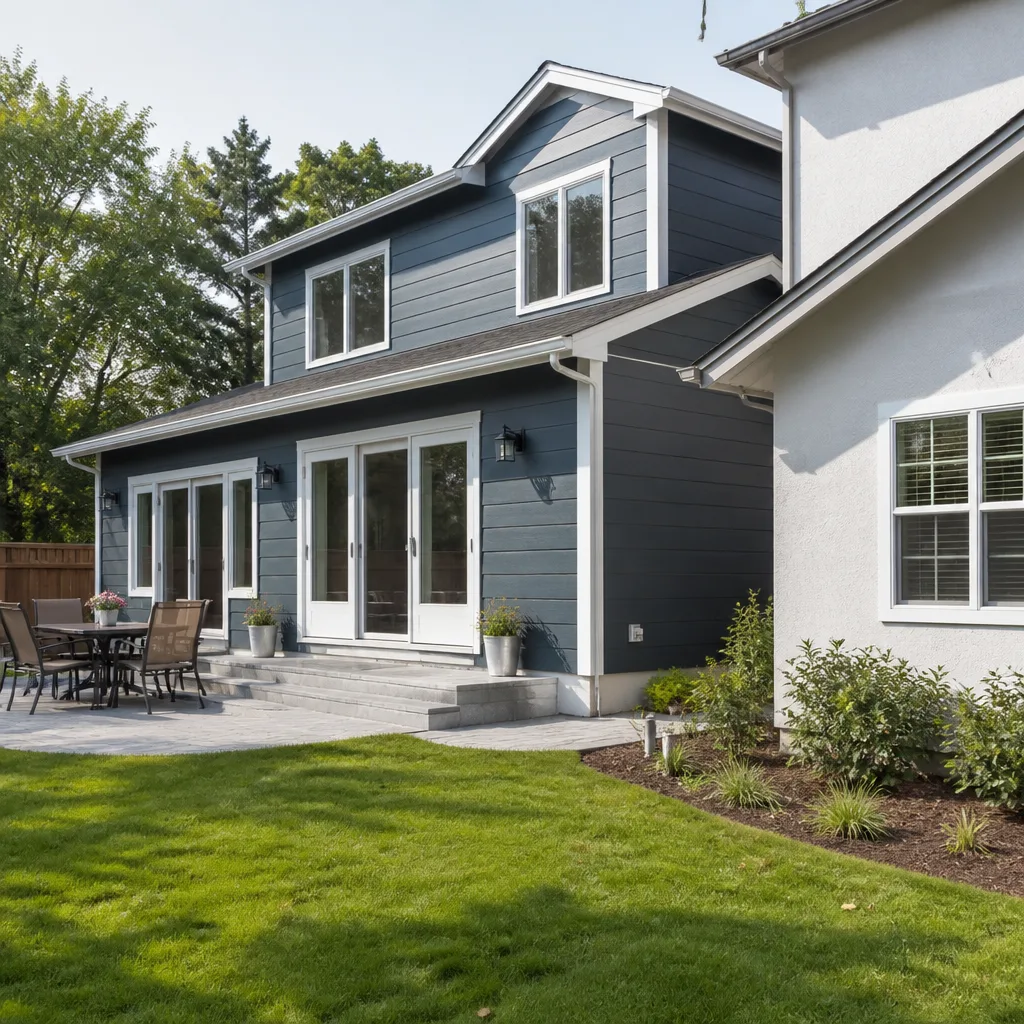
For a Caesarstone home addition or ADU project in Los Angeles, the full installed range runs $53,100 – $153,400. That covers design, permitting, framing, drywall, electrical, plumbing, and the Caesarstone fabrication and install. If you’re only replacing or adding Caesarstone surfaces inside an existing structure, countertop installation alone runs $2,360 – $7,670 in Los Angeles, including slab, cutting, edge profile, sink cutout if needed, and install. What drives the bigger number on additions and ADUs is square footage, foundation type (slab versus raised), utility trenching, and whether the City of Los Angeles requires seismic upgrades on an attached addition. Caesarstone itself varies by series: Classico colors are the most affordable per square foot, Supernatural runs higher, and Outdoor or Concetto materials push the top of the range.
Every Caesarstone project we do in Los Angeles includes a written price before work starts, and the slab quote is line-item: material, fabrication, delivery, install, and the edge profile you chose. If the countertop cracks, chips, or the seam fails due to our workmanship within one year, the 365-Day Done Right Promise covers the fix. Luca Romano grew up in Silver Lake, and he’s been looking at quartz seams long enough to know that most failures aren’t the slab’s fault. They’re substrate problems, and we fix the substrate before we set the stone.
DIY or Call Us?
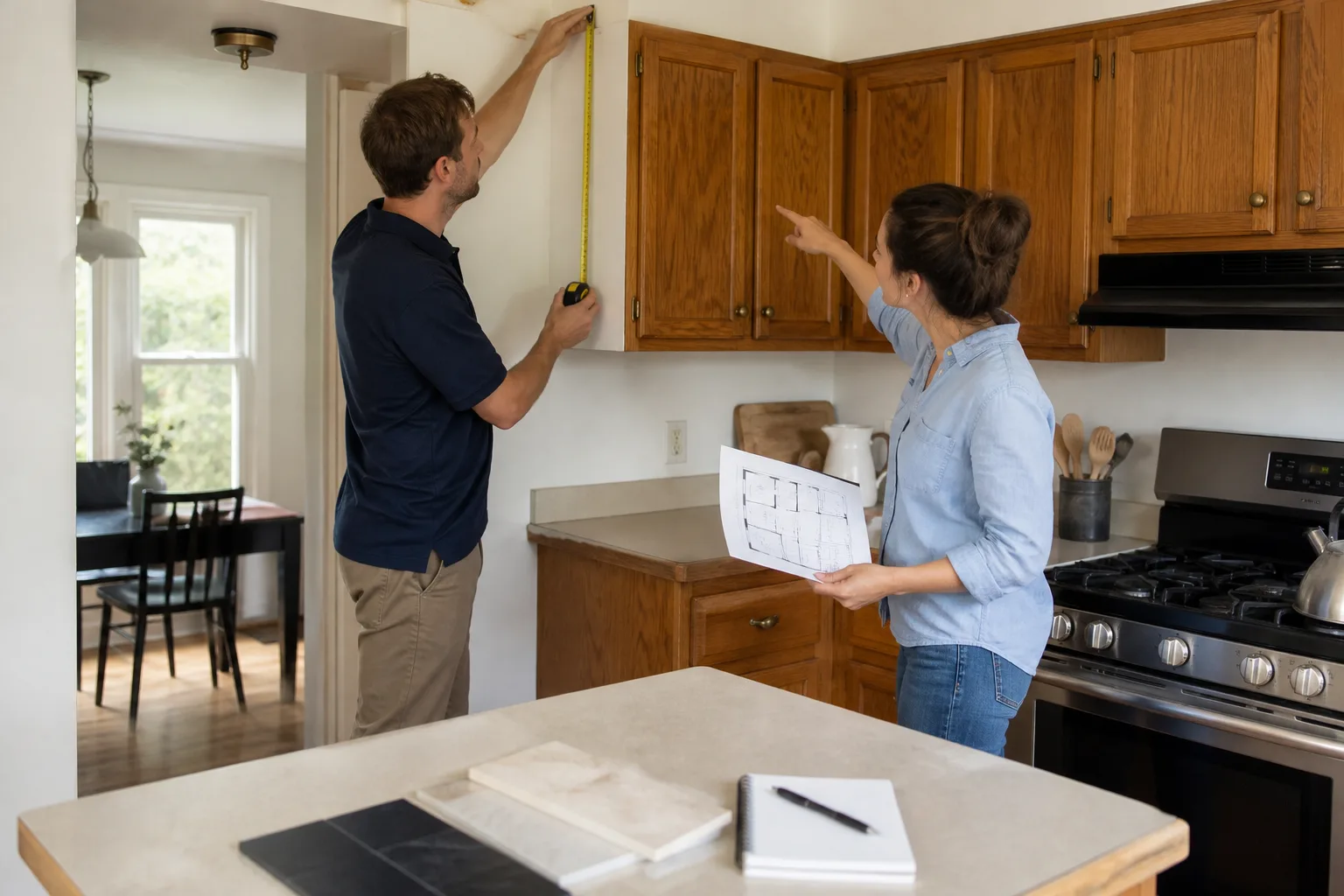
Caesarstone slabs weigh between 15 and 20 pounds per square foot. A 10-foot run can weigh over 700 pounds. That’s not a two-person job, and dropping a slab doesn’t just break the slab, it breaks whatever it lands on, including feet. We don’t recommend homeowners attempt any part of slab handling, cutting, or setting. Quartz dust from cutting is silica, and breathing it is a real health risk. What you can do before calling us: measure the rough length and depth of your existing counters, check the model number printed on the underside or the outside of the original slab packaging, and clear a path from the door to the install area. That’s the useful prep. The rest is ours. If you’re mid-ADU and a Caesarstone piece has cracked or a seam has opened, call (254) 272-5876 and we’ll come look at it. Good work doesn’t need a sales pitch, it just needs to be done right.
FAQs
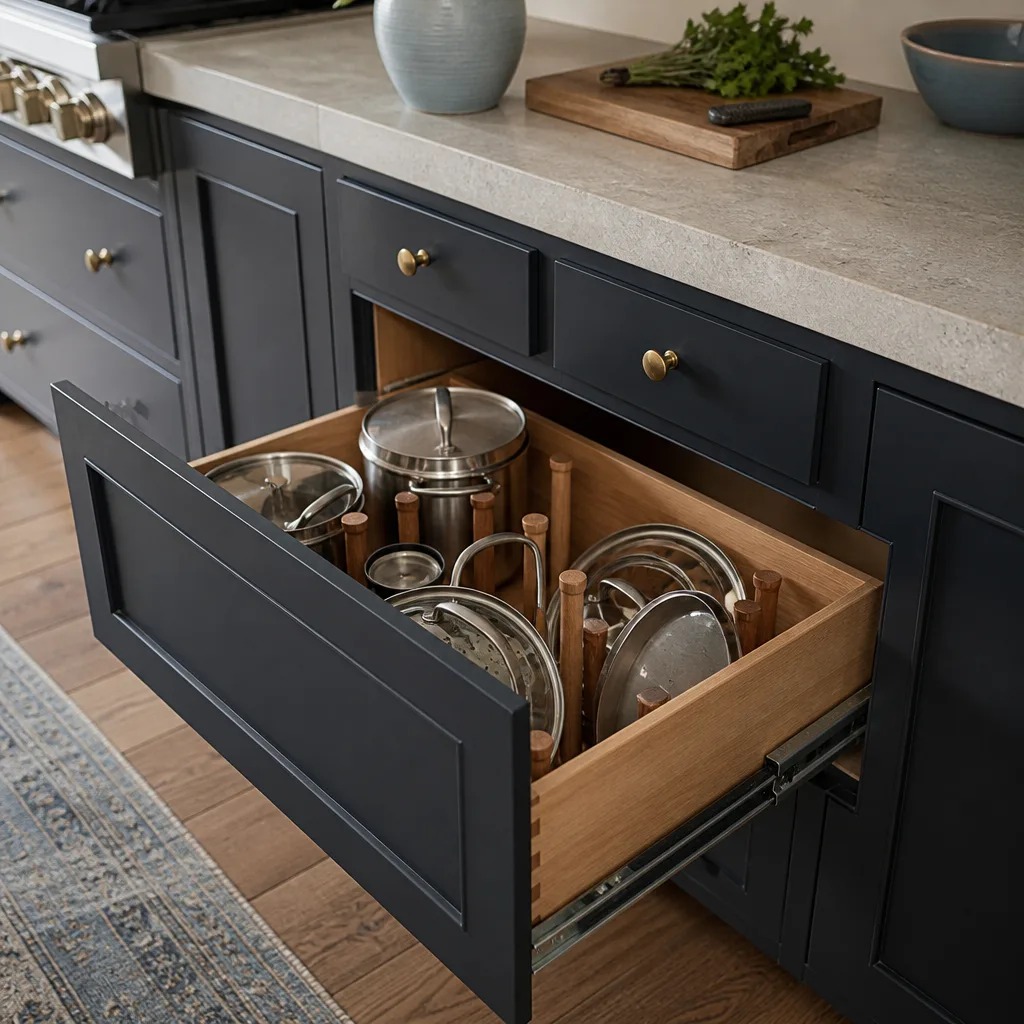
Caesarstone quartz typically lasts 15 to 25 years with normal use, and the Outdoor series holds up longer than painted or wood alternatives in Los Angeles sun exposure. The slab itself rarely fails; what fails is the substrate, seam, or edge after impact or movement.
Small chips and surface scratches can be filled and polished by a fabricator, but a thermal crack or a crack that runs through the full thickness of the slab generally means replacement. Call (254) 272-5876 and we’ll tell you which one you’re looking at before you spend a dollar.
Once the slab is templated and fabricated, the physical install takes one day for a standard ADU kitchen. Fabrication after template usually runs 5 to 10 business days depending on the Caesarstone color and edge profile.
We source Caesarstone through authorized Los Angeles distributors and stock a rotating selection of Classico and Supernatural colors in the most-requested Los Angeles finishes, with Outdoor series available on order. If you need a specific color like 5141 Frosty Carrina or 6338 Woodlands, we confirm current lot availability before you approve the slab.
Written by Luca Romano, Owner, Sawyer Remodeling at Sawyer Remodeling, serving Los Angeles and nearby areas.