Free written scope consultation - allowances, timeline, and change-order rules on paper before a single trade is scheduled
CGI Driveway & Pavers: The Los Angeles Owner’s Guide
CGI driveway and paver systems in Los Angeles generally run $8,260 to $21,240 for a full paver driveway installation, and most CGI-compatible paver repairs land between $400 and $1,800 depending on how many units failed and what’s underneath them. We keep common CGI paver profiles and edge restraints on our trucks, so a typical Los Angeles repair is one visit, not three. The way most homeowners find out they have a problem is a paver that’s sunk half an inch, a corner that’s cracked loose, or a drainage channel that suddenly holds water where it used to shed it.
Here’s the thing most CGI owners don’t realize until it’s too late: the paver itself rarely fails first. The base underneath does. LA’s freeze-thaw cycle isn’t the issue here, it’s our clay soil and the way it swells after winter rains, then contracts hard through August. That movement is what cracks pavers, shifts edges, and makes a driveway look ten years older than it is.
Which CGI Models This Applies To
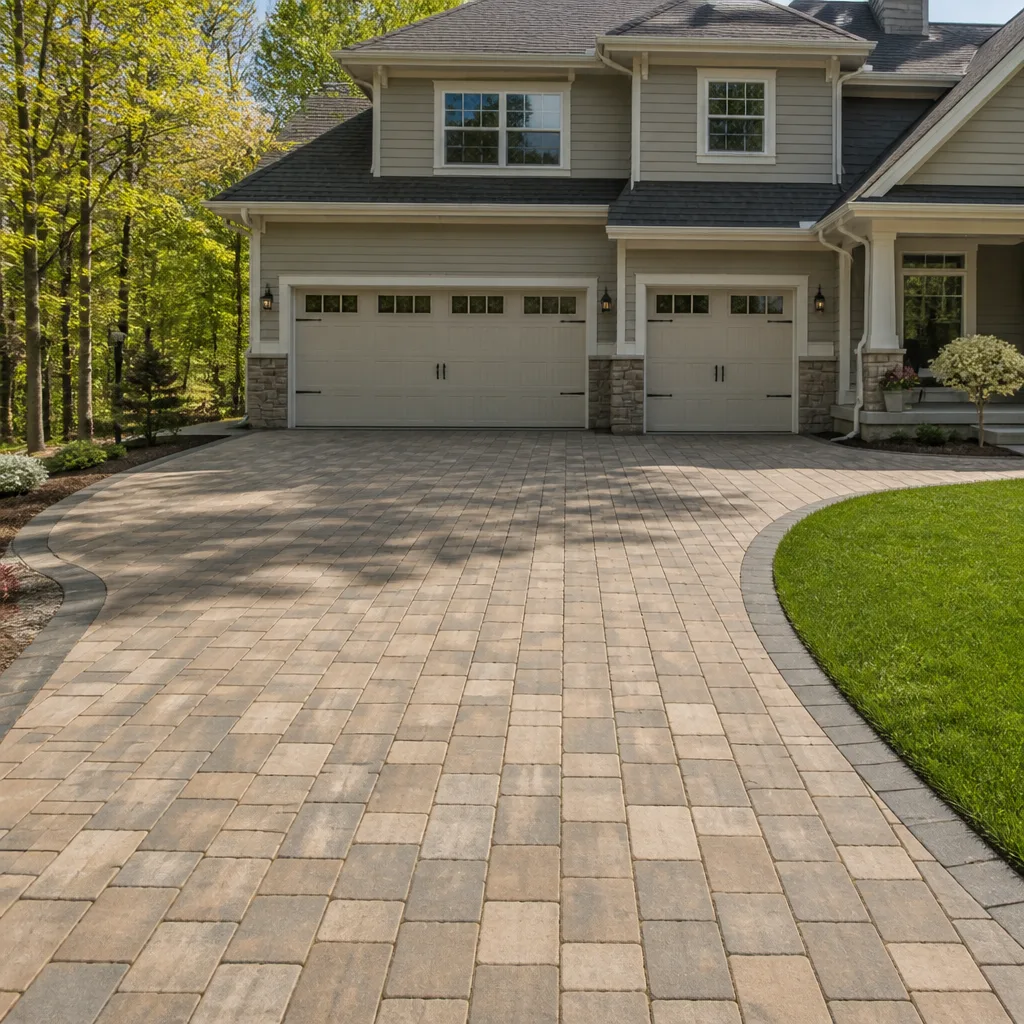
CGI’s driveway and paver line breaks into a few distinct families, and the part you need depends on which one you’ve got. The Perma-Edge and StoneCrest series use interlocking concrete pavers in 60mm and 80mm thicknesses; the 60mm is rated for foot traffic and light vehicles, the 80mm for full-size trucks and RVs. The Pavestone-by-CGI line runs a 2-3/8″ profile that matches most standard paver heights. If you’re replacing a single unit, measure the thickness first, because a 60mm paver sitting in an 80mm course will sink within a season.
The compatibility gotcha we see in Los Angeles: CGI changed its edge restraint design around 2018, and the older aluminum edging doesn’t interlock with the newer polymer restraints. So a “simple edge repair” on a 2015 install can turn into replacing the entire border run if you don’t know what you’re looking at. One more thing: CGI pavers use a beveled interlock that’s slightly different from Belgard or Calstone. A generic paver from a big-box store will fit the hole but won’t lock the same way, and you’ll feel it shift underfoot within a year.
On the OEM-versus-aftermarket question: for CGI pavers, we recommend OEM for anything load-bearing, meaning the driveway itself or a walkway that sees a lot of foot traffic. For decorative borders or accent pieces, a quality aftermarket equivalent from a local LA paver supplier is usually fine and saves real money. The key is matching the height and the bevel. Sawyer Remodeling is an independent service provider, and we’re not affiliated with CGI or its distributors; we just know the product line well enough to match parts correctly the first time.
Styles & brands we work with
Signs Your CGI Driveway & Pavers Is Failing
- A paver has sunk or tilted more than a quarter inch. This almost always means the base compacted unevenly or water is washing fines out from underneath. In LA, it usually starts after a heavy rain season followed by a dry spell.
- Cracks running across multiple pavers in a line. That’s not a paver problem; that’s a base or substrate failure. Individual pavers crack from impact, but a line of cracked units means the ground is moving beneath them.
- Water pooling where it used to drain. CGI driveway systems are designed to shed water, and when the slope flattens out or a low spot forms, you’ve got base erosion underway. The longer it pools, the worse the base gets.
- Edging that’s pulled away from the driveway edge. The restraint system holds the whole field in compression. When it fails, the outer pavers start drifting, and you’ll see gaps open up along the border within weeks.
- Sand or fine material washing out between joints. In Los Angeles, this is the silent killer. Joint sand locks the pavers together, and when it erodes, every paver in that section starts moving independently. You’ll hear a hollow click when you walk on it.
See the difference
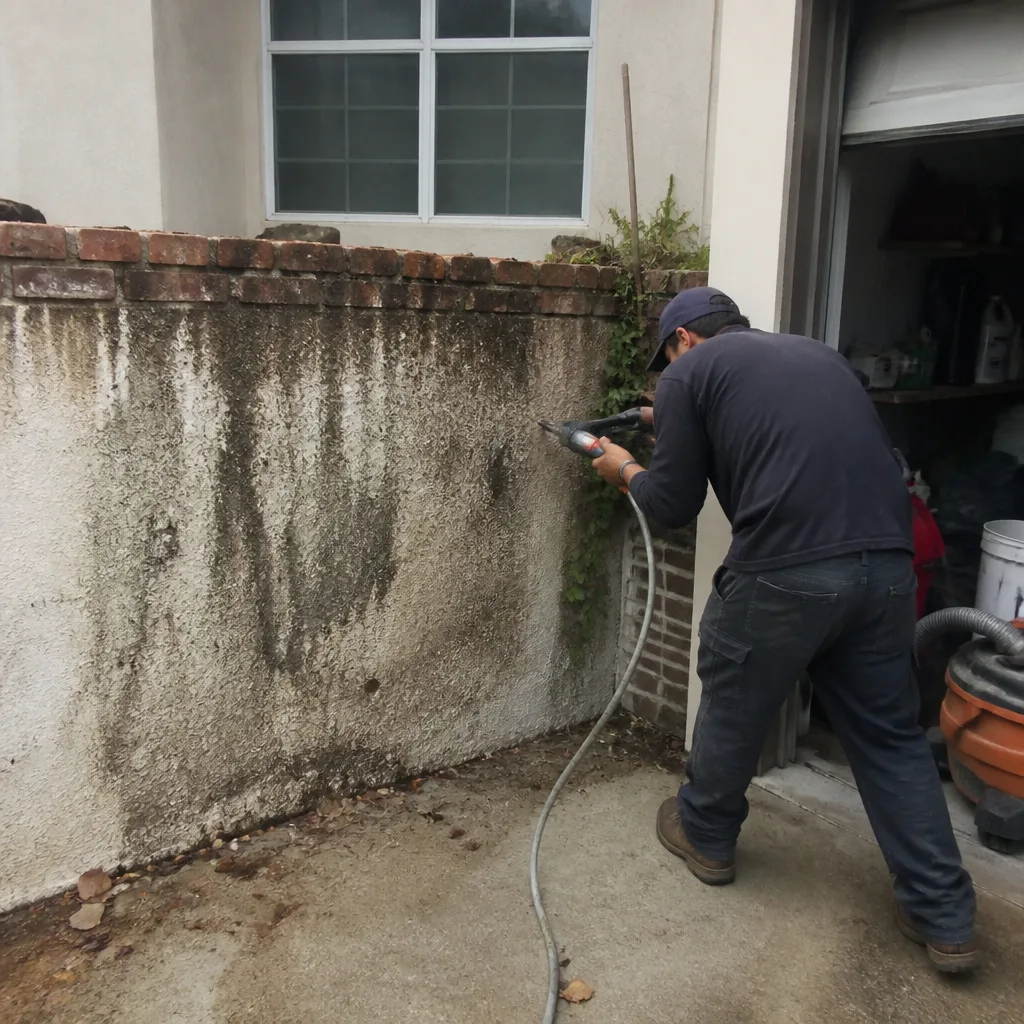 Before
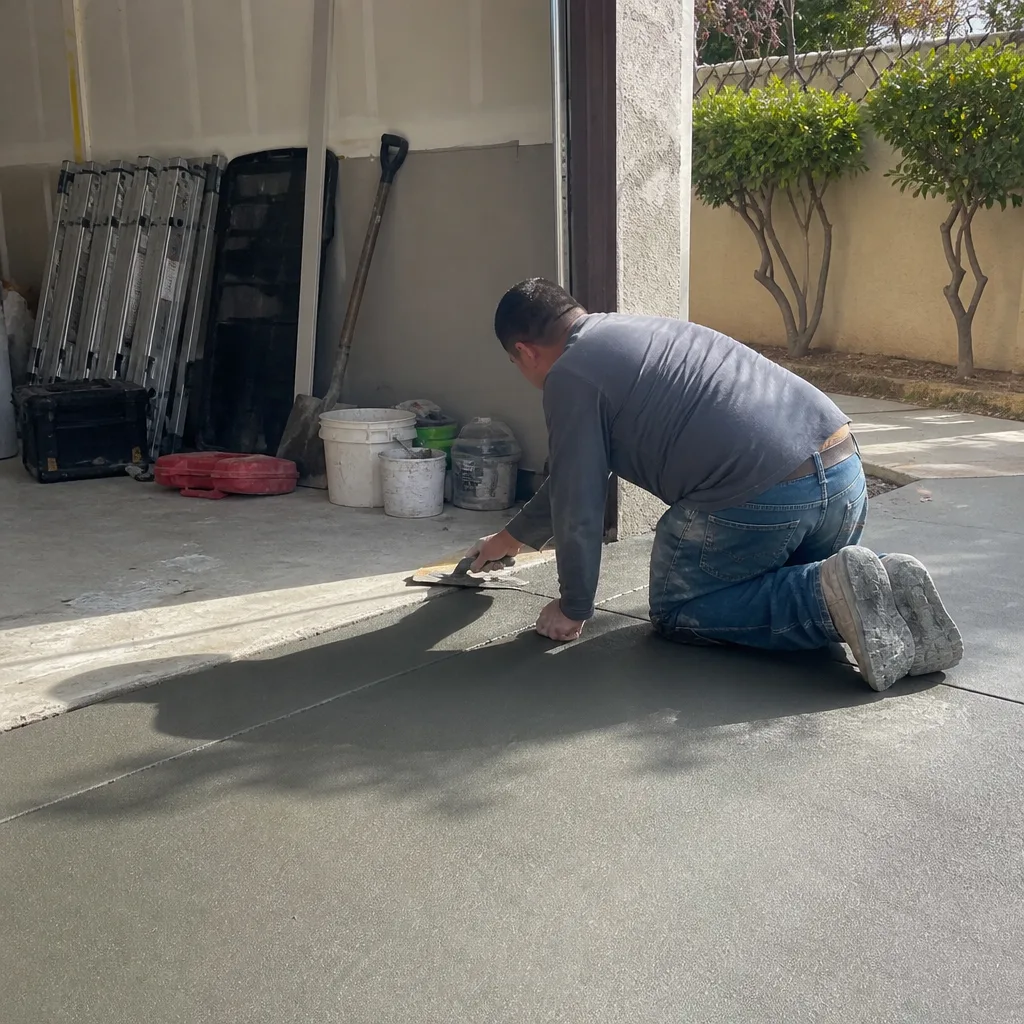 After
After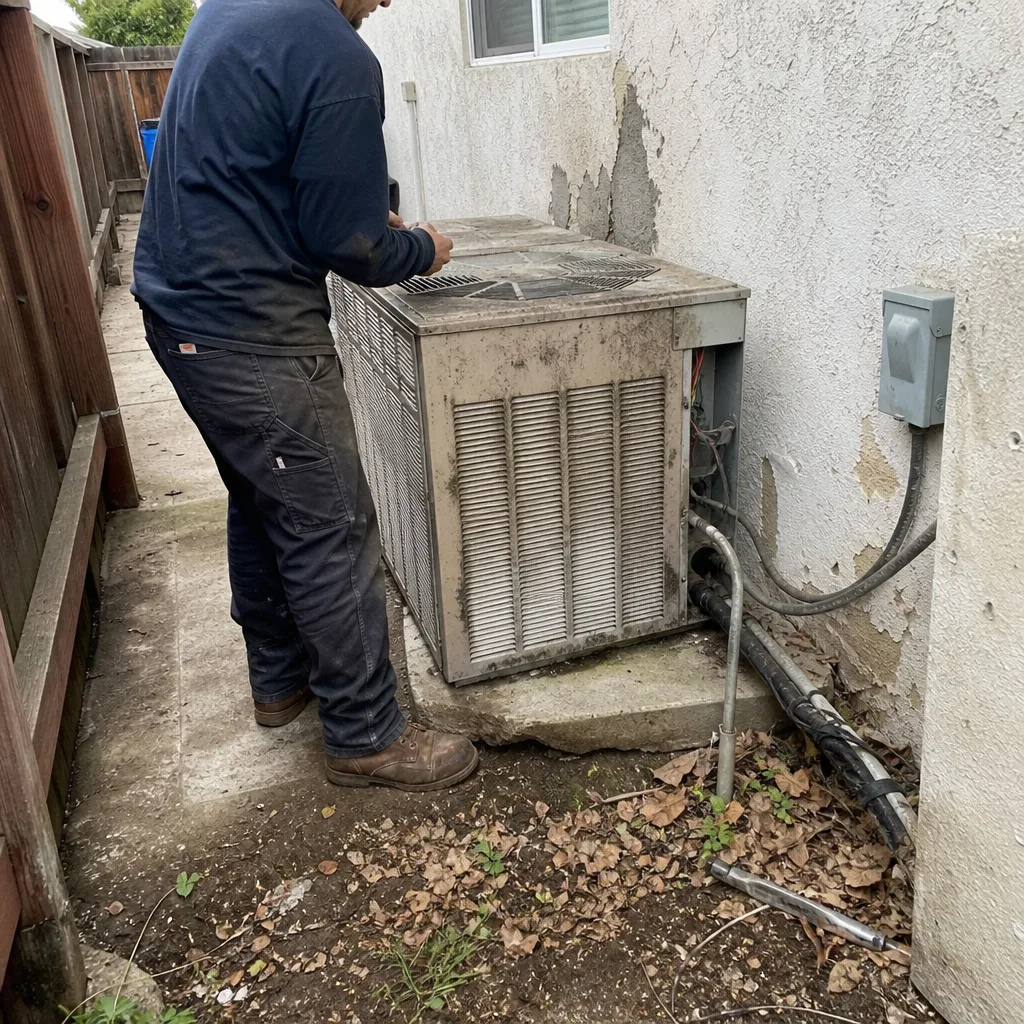 Before
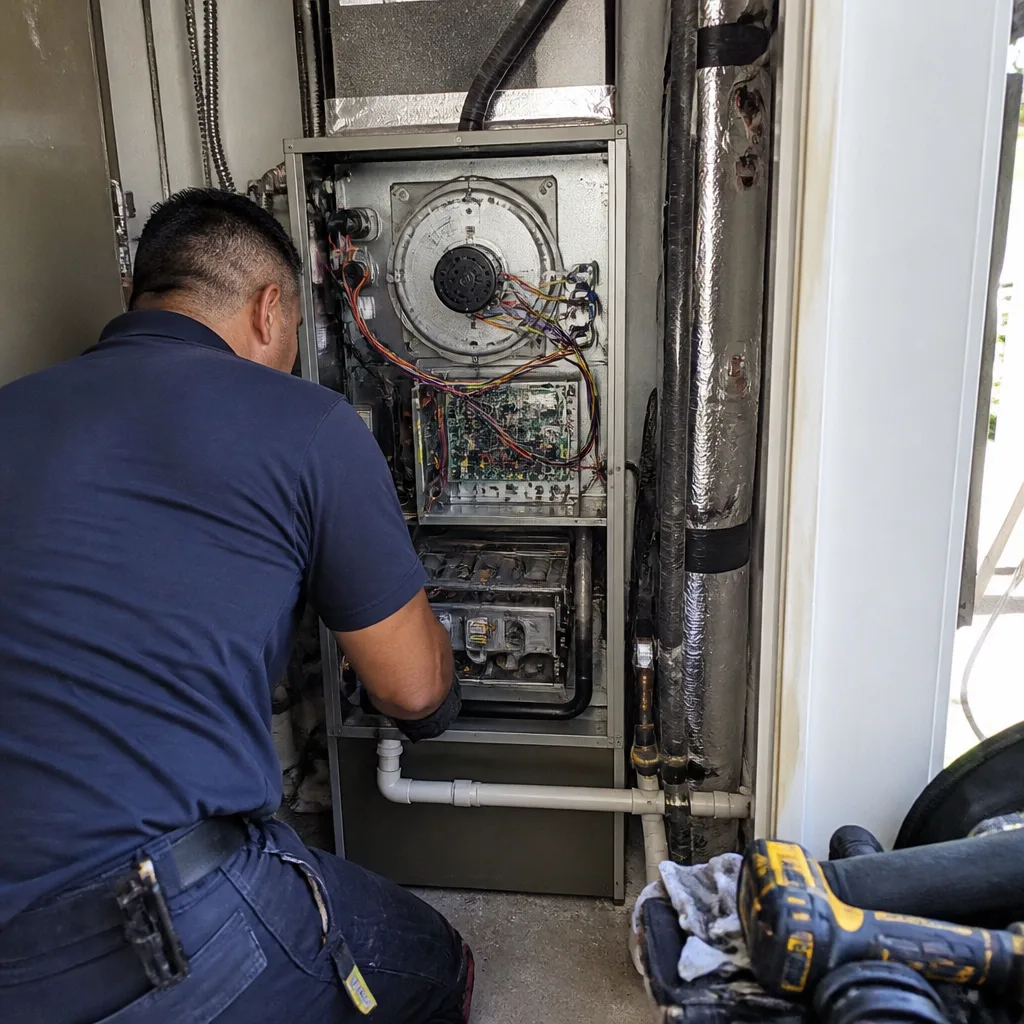 After
After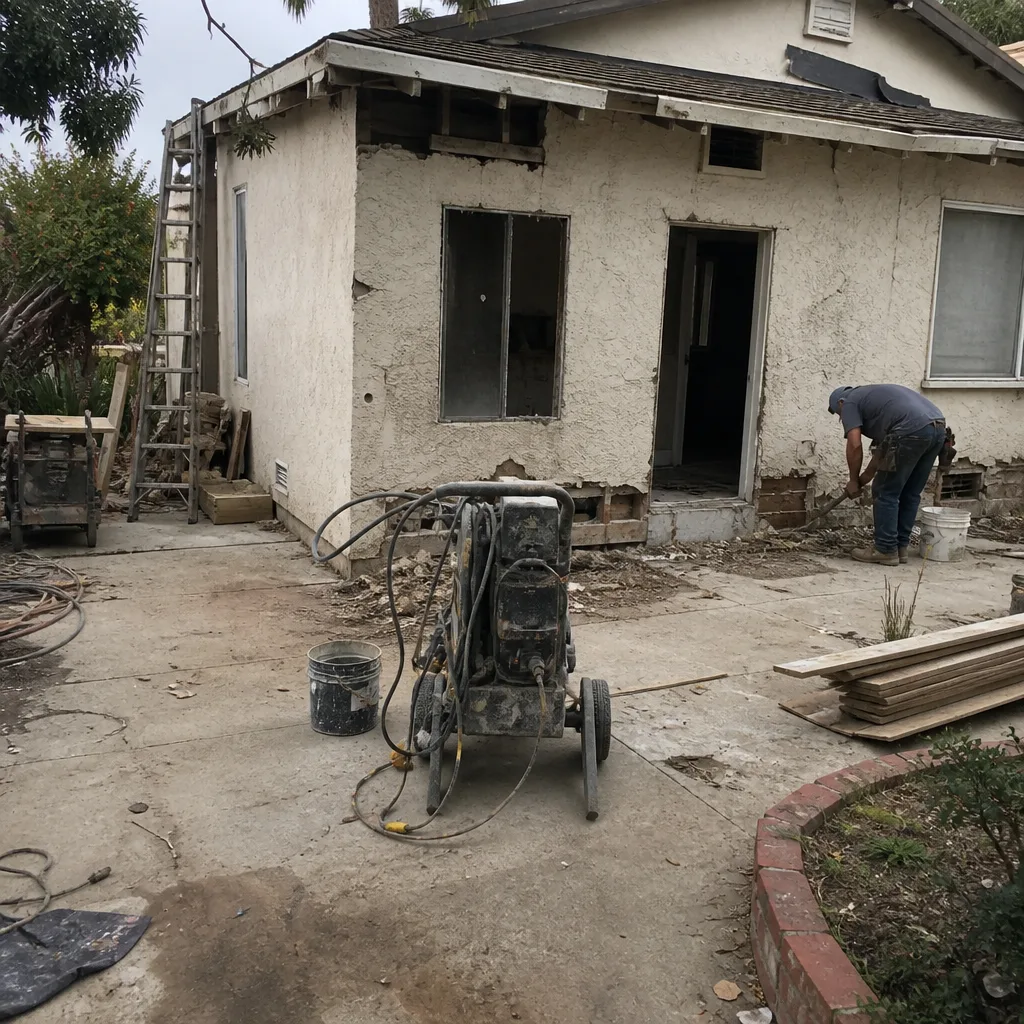 Before
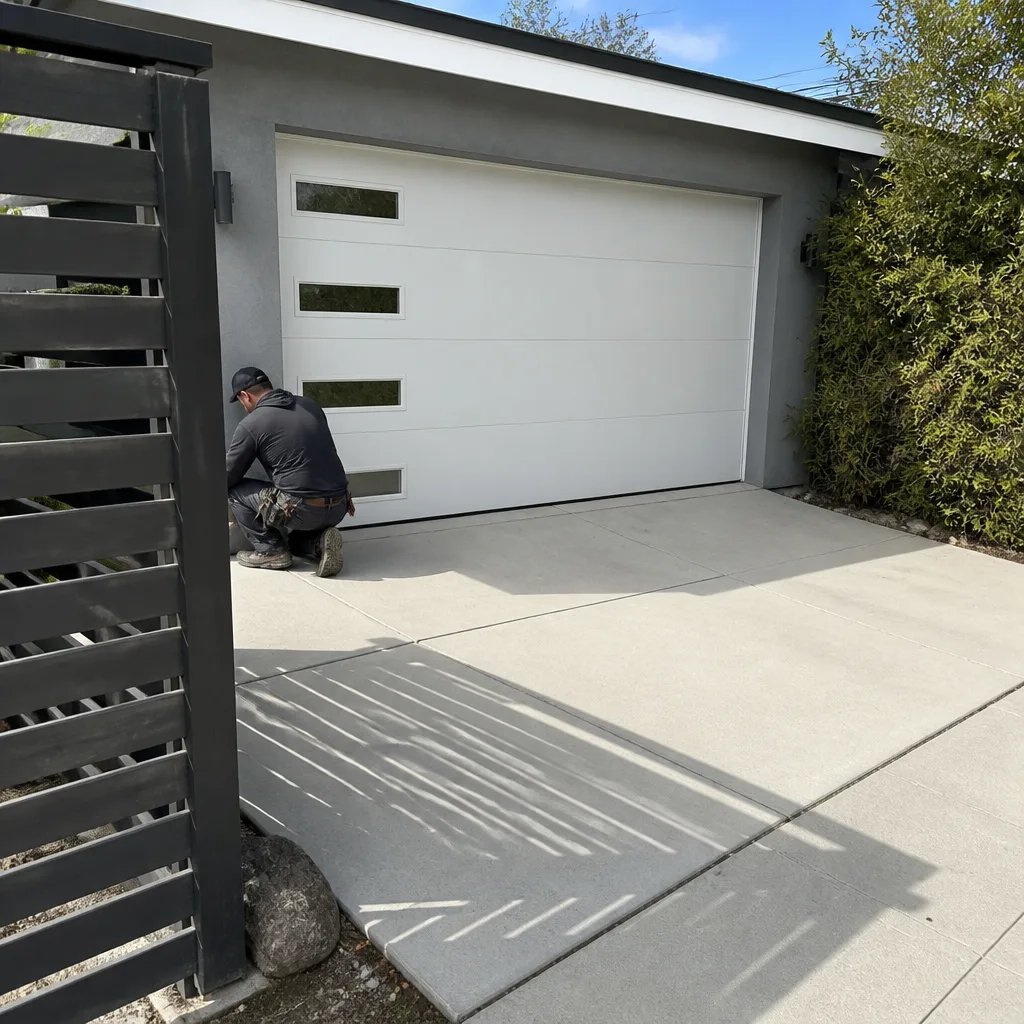 After
AfterReplacement Cost & What’s Included
A full CGI paver driveway installation in Los Angeles runs $8,260 to $21,240 depending on square footage, access, and how much base work is needed. A partial repair of a failing section typically runs $400 to $1,800. The range is driven mostly by what’s underground: if the existing base is still sound, we can lift, re-level, and re-sand in a day; if the base has washed out or compacted poorly, we’re rebuilding it from scratch, and that’s where costs climb.
Every estimate we write includes the pavers, base material, edge restraints, joint sand, haul-away of failed material, and the labor to install it. It’s a written price before any work starts, and that price is the price, no change orders at the door. The work is covered by our 365-Day Done Right Promise, meaning if the repair fails within a year, we come back and make it right at no charge. We also pull permits where Los Angeles County requires them, and we handle the inspection.
DIY or Call Us?
A homeowner can safely check a few things: walk the driveway and mark any paver that rocks underfoot, note where water pools after a rain, and look at the edge restraint to see if it’s pulled loose. Those observations help you describe the problem accurately, and they’ll help you spot a contractor who’s guessing. What you shouldn’t do is pull up and reset a handful of pavers yourself, especially on a load-bearing driveway. If you don’t re-compact the base properly, you’ll create a low spot that gets worse every year, and a mismatched paver height will damage tires and trip people.
The honest truth on most CGI driveway repairs in LA: the diagnosis is the hard part. The fix itself is usually straightforward once you know what’s actually failing. If you want a straight answer and a price that doesn’t move, call us at (254) 272-5876. We’ll come out, tell you what’s wrong, and write you a number.
FAQs
CGI driveway pavers in Los Angeles typically last 20 to 30 years when the base is built correctly, and the failures we see are almost always base-related, not paver-related, with the first signs of trouble usually appearing between years 8 and 12 in clay soil areas like the San Fernando Valley and parts of the Westside. The pavers themselves are rated for decades of UV exposure, which matters in a city with 300 sunny days a year. If your pavers are failing before the decade mark, the base is the culprit. Call (254) 272-5876 for a free estimate, and we’ll tell you exactly what’s happening underneath.
A cracked CGI paver can usually be replaced individually, not repaired, because concrete pavers don’t patch cleanly and any repair will show within a year of Los Angeles sun and rain. If the crack is isolated to one or two units, replacement is quick and cheap. If cracks run in a line across multiple pavers, the problem is structural and replacing individual units won’t hold. Call (254) 272-5876 and we’ll take a look; the estimate is free either way.
A typical CGI driveway section repair in Los Angeles takes one day for the lift, re-level, and re-sand work, and two to three days if the base needs to be excavated and rebuilt with proper compaction. We schedule the work around LA’s dry season when possible, because compacting base in wet clay soil is a losing game. Call (254) 272-5876 and we’ll give you a firm timeline with your written estimate.
We stock the most common CGI Perma-Edge and StoneCrest profiles in 60mm and 80mm thicknesses on our trucks, along with matching edge restraints and joint sand, so most Los Angeles repairs are completed same-visit without a second trip. Less common colors and the older pre-2018 edge restraint designs usually require a one- to two-week order from a local distributor. Call (254) 272-5876 and we’ll confirm what’s on the truck before we even come out.
If your CGI driveway is failing, don’t wait until the base washes out completely and the repair doubles in scope. Call Sawyer Remodeling at (254) 272-5876 for a free estimate. We’ll send a technician who knows CGI pavers, give you a written price before any work starts, and back the whole thing with our 365-Day Done Right Promise. Luca Romano started swinging tools in this city over two decades ago, and the work we’re known for is the kind that holds up. Good work doesn’t need a sales pitch, it just needs to be done right.
Written by Luca Romano, Owner, Sawyer Remodeling at Sawyer Remodeling, serving Los Angeles and nearby areas.