Free written scope consultation - allowances, timeline, and change-order rules on paper before a single trade is scheduled
Plant Prefab Windows & Doors: The Los Angeles Owner’s Guide
Plant Prefab windows and doors in Los Angeles are typically proprietary or spec-matched units built around the home’s modular wall assemblies, so repair or replacement is rarely a grab-anything-at-the-home-center job. Most owners we work with land here after discovering failed weather seals, a warped panel, or a slider that no longer locks. Installed replacement work in Los Angeles generally runs $5,310–$17,700 for windows and can reach higher for full door systems, with the specific number driven by size, glazing spec, and what the original Plant Prefab wall framing allows. We stock common Plant Prefab-compatible glazing units, rollers, and locking hardware, and in many flat, accessible installations we’re on-site within a day or two of your call to (254) 272-5876.
The way most homeowners discover the failure is quietly, over time. You notice the window fogs. The door doesn’t close square anymore. A draft that wasn’t there last winter. In Los Angeles, the two silent killers are UV exposure and marine-layer moisture, especially in neighborhoods closer to the coast like Playa del Rey or Mar Vista. Seals harden, gaskets shrink, and powder-coated frames start to oxidize where the salt air sits. It happens slowly enough that you don’t see it until one day the window won’t lock or the door rubs hard against the jamb.
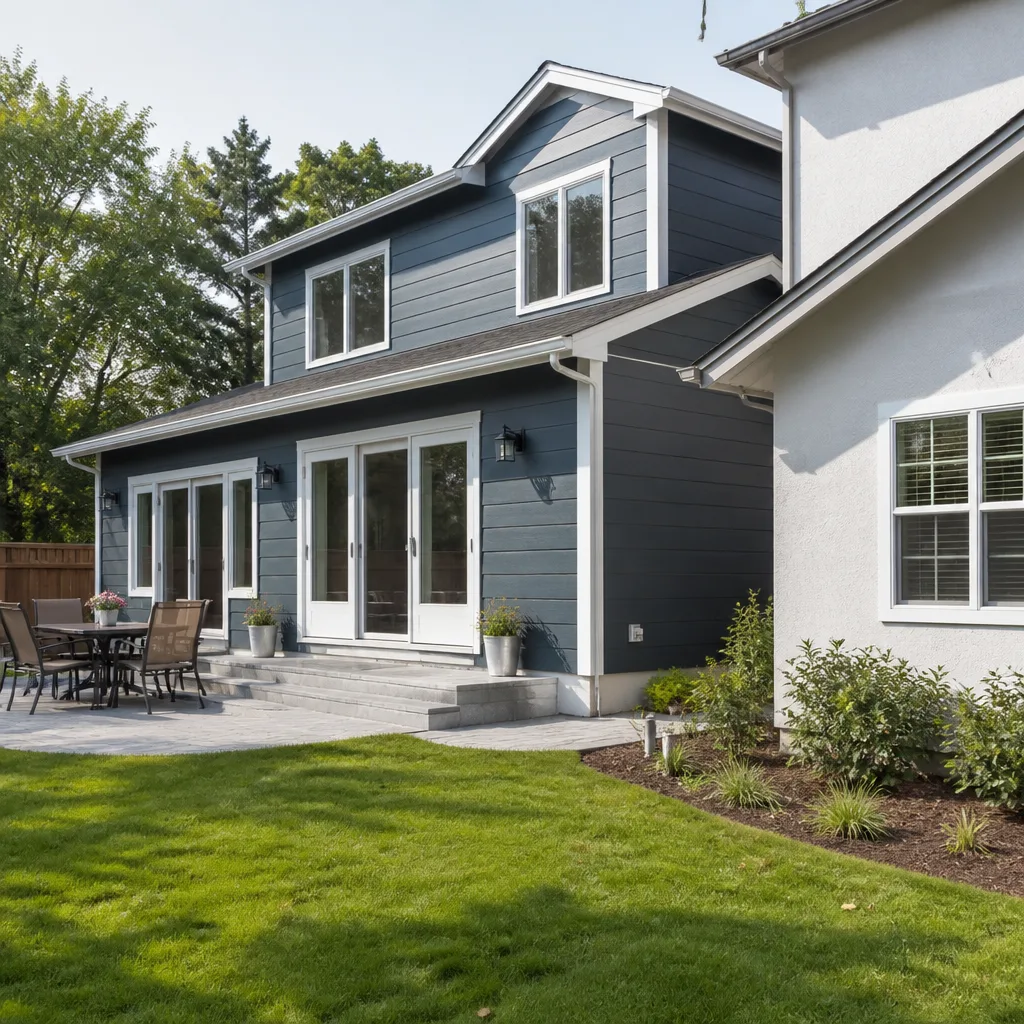
Three things separate a Plant Prefab window or door replacement from a standard window swap. First, the rough openings are modular-built, which means they’re often square and predictable, but the original nail fins and flashing details were factory-set, so a sloppy tear-out can damage the surrounding cassette panel. Second, many Plant Prefab wall assemblies use specific reveal and trim profiles that off-the-shelf units won’t match without careful shimming and casing work. Third, the glazing specs are usually Lean-Certified or better, so matching U-factor and SHGC matters more here than on a typical 1960s stucco box in the Valley.
Which Plant Prefab Models This Applies To
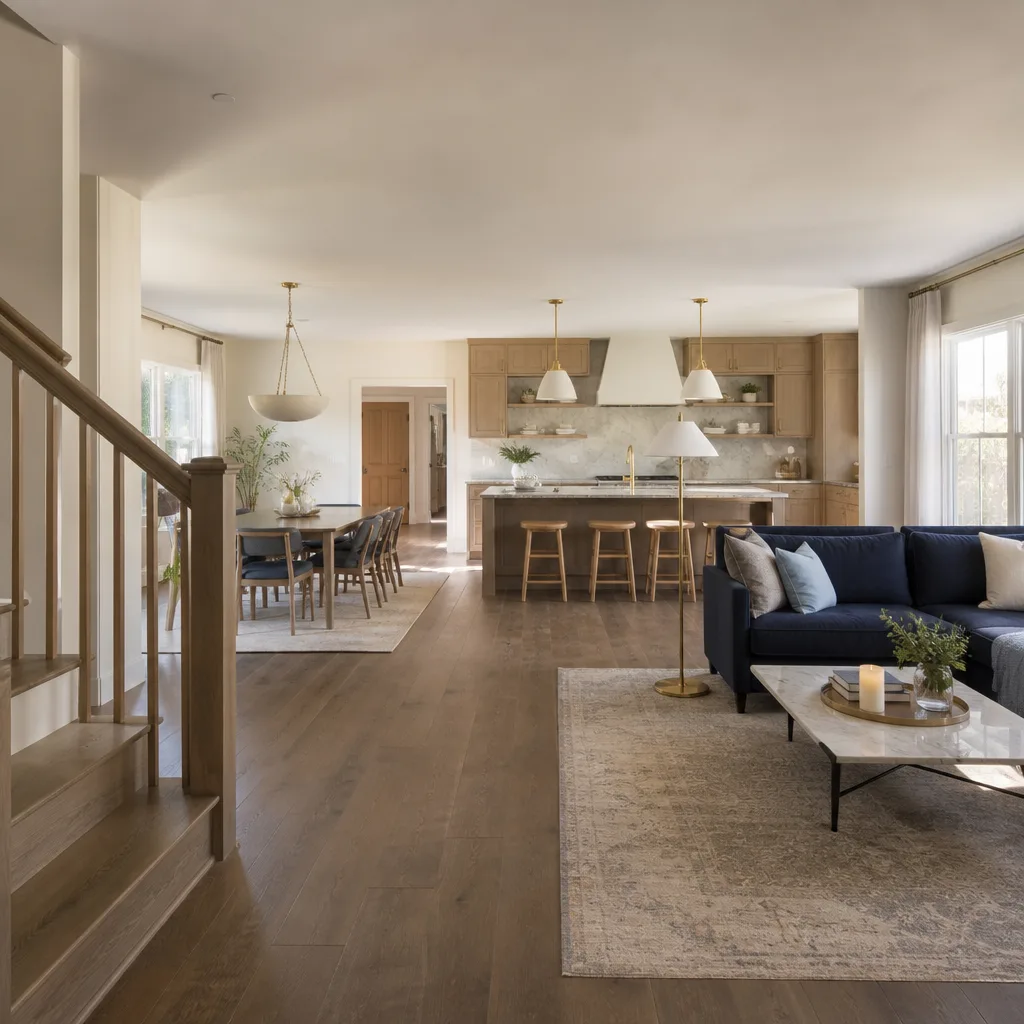
Plant Prefab has produced several home lines over the years: the LivingHome series, the newer Plant Panels and Plant Modules program, and a run of custom ADUs and accessory structures across greater Los Angeles. The window and door packages differ by generation and build year, but most use either Andersen 100 Series, Fleetwood aluminum, or a custom European tilt-turn in the high-performance models. Door hardware tends toward Schlage or Baldwin. If you have the original project binder or the online spec sheet from Plant Prefab, the door and window schedules are usually in the architectural set, identified by unit codes like W-01, D-03, or similar.
The fast way to identify what you have is to look for the manufacturer’s etch on the glass corner or the small sticker on the frame or sash. Every major manufacturer etches the brand, the year, and the glazing code into the glass itself. That code matters because it tells us the Low-E type and argon fill, and that’s the difference between a replacement pane that matches the rest of the home and one that looks correct but performs half as well. Get us a photo of that etching and the rough opening dimensions, and we can usually identify the unit and its compatibility before we schedule the site visit.
The OEM-vs-aftermarket decision for Plant Prefab specifically comes down to whether the original manufacturer still produces that exact frame profile. Andersen and Fleetwood both have long production runs, so many units are still available new. When a profile has been discontinued, we move to a quality equivalent with the same glass pack and thermal spec. For doors, budget a full-frame replacement when the rot or racking has gone into the rough opening, but a slab swap or hardware rebuild is entirely workable when the frame is still sound. One gotcha we see repeatedly: owners replacing a single window in a tight row have to match the frame depth and sightlines or the exterior will never look right from the sidewalk.
Styles & brands we work with
Signs Your Plant Prefab Windows & Doors Is Failing
- Fog between the glass panes. The seal on the insulated glass unit has failed and argon has leaked out, leaving normal room air between the panes. In Los Angeles, this is a moisture-driven process, and once the fog appears, it doesn’t clear up on its own. The fix is glass replacement, not a whole new window.
- A slider or casement that grinds, squeaks, or sticks. Rollers and operator hardware wear out after years of fine dust and coastal grit working into the tracks. The heavier the panel, the faster they fail, and a sticking door is often the first sign the rollers are about to go completely.
- You can see daylight or feel air moving around the gasket. Weatherstripping and compression gaskets flatten over time, especially on the west-facing walls that take full afternoon sun. A visible gap is a heat leak in summer and, when June gloom rolls in, a moisture entry point.
- The door or window has dropped and rubs the frame. This is usually a hinge or roller adjustment issue at first, but when the frame itself has shifted or the hinges are pulling out of the jamb, it’s a structural repair. Door panels on some Plant Prefab modules are heavy enough that a worn bottom pivot lets the panel sag.
- The frame shows white oxidation or pitting on the aluminum. Powder coat on coastal-facing metal fails from salt exposure and UV, especially on windows without overhangs. Once the coating is breached, the raw aluminum underneath corrodes and the glazing gasket can get pushed out of the channel.
See the difference
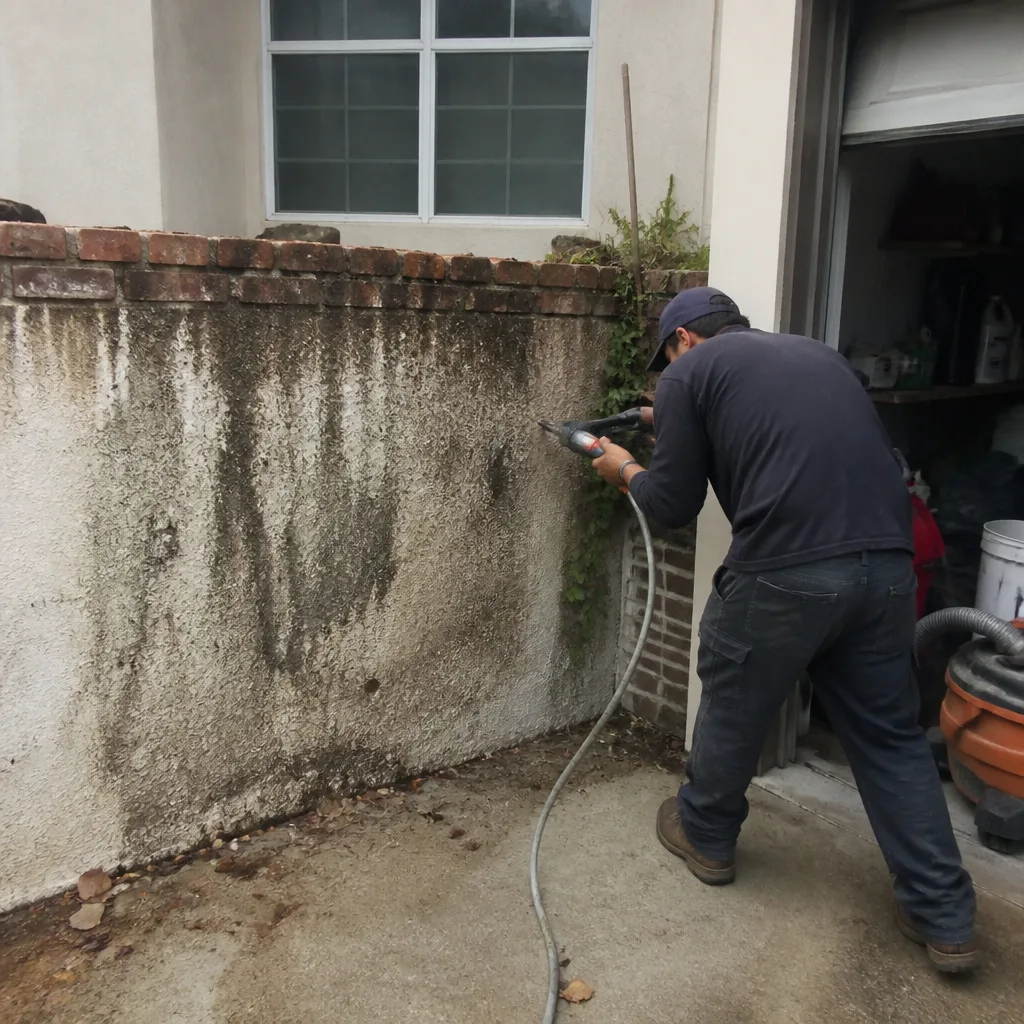 Before
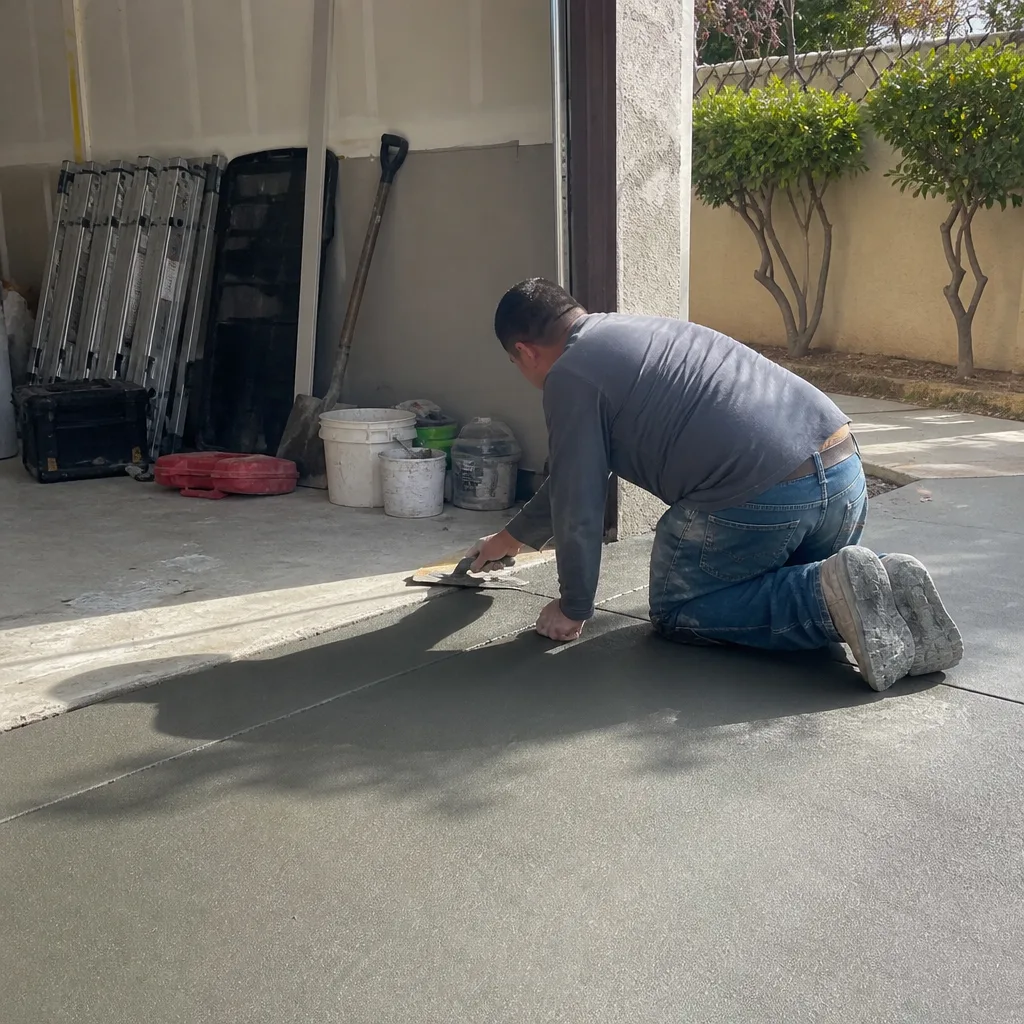 After
After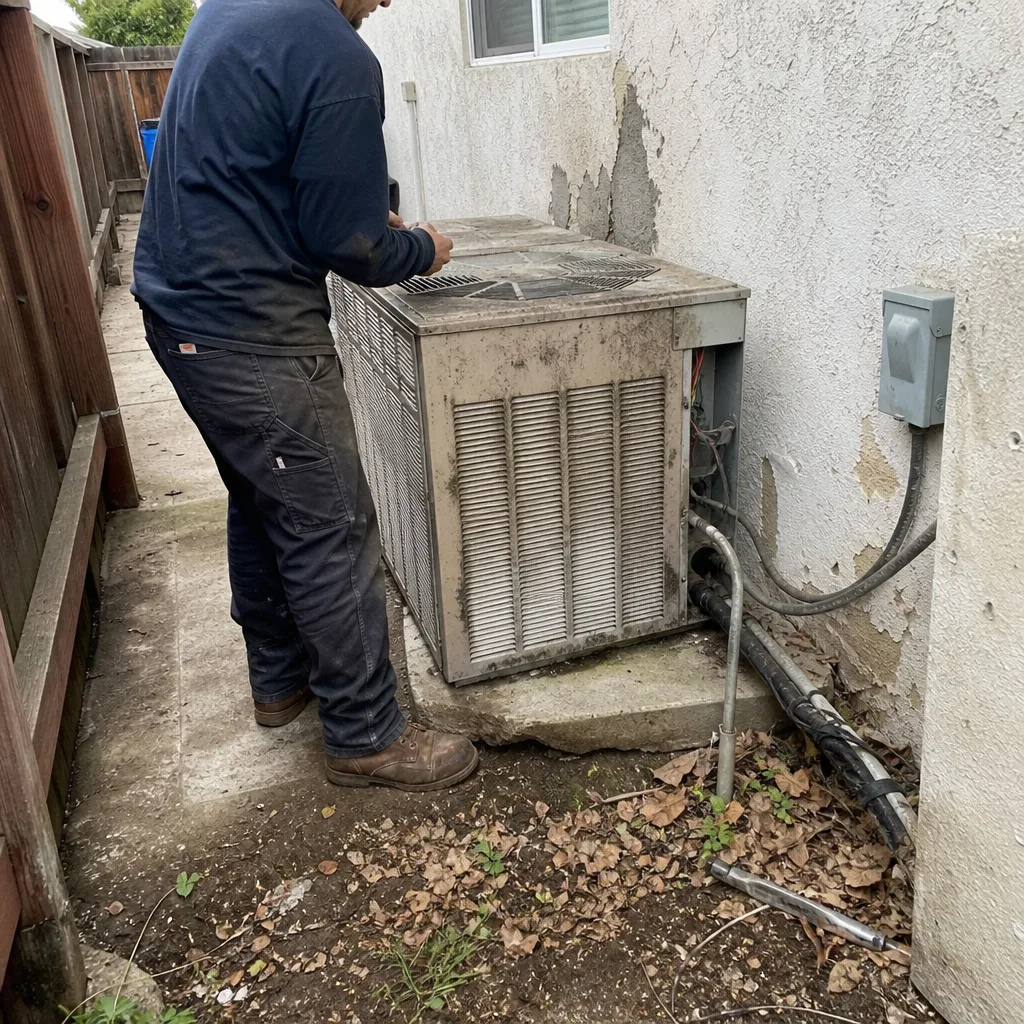 Before
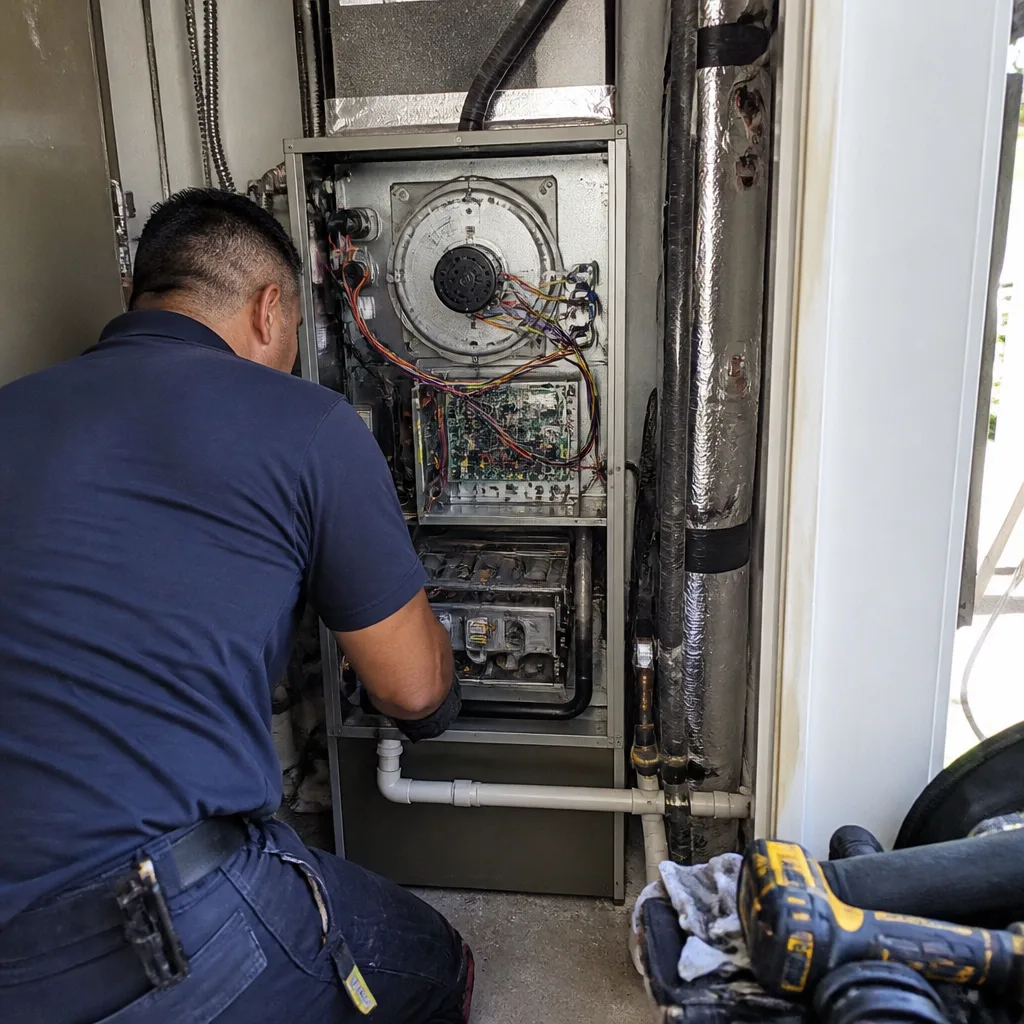 After
After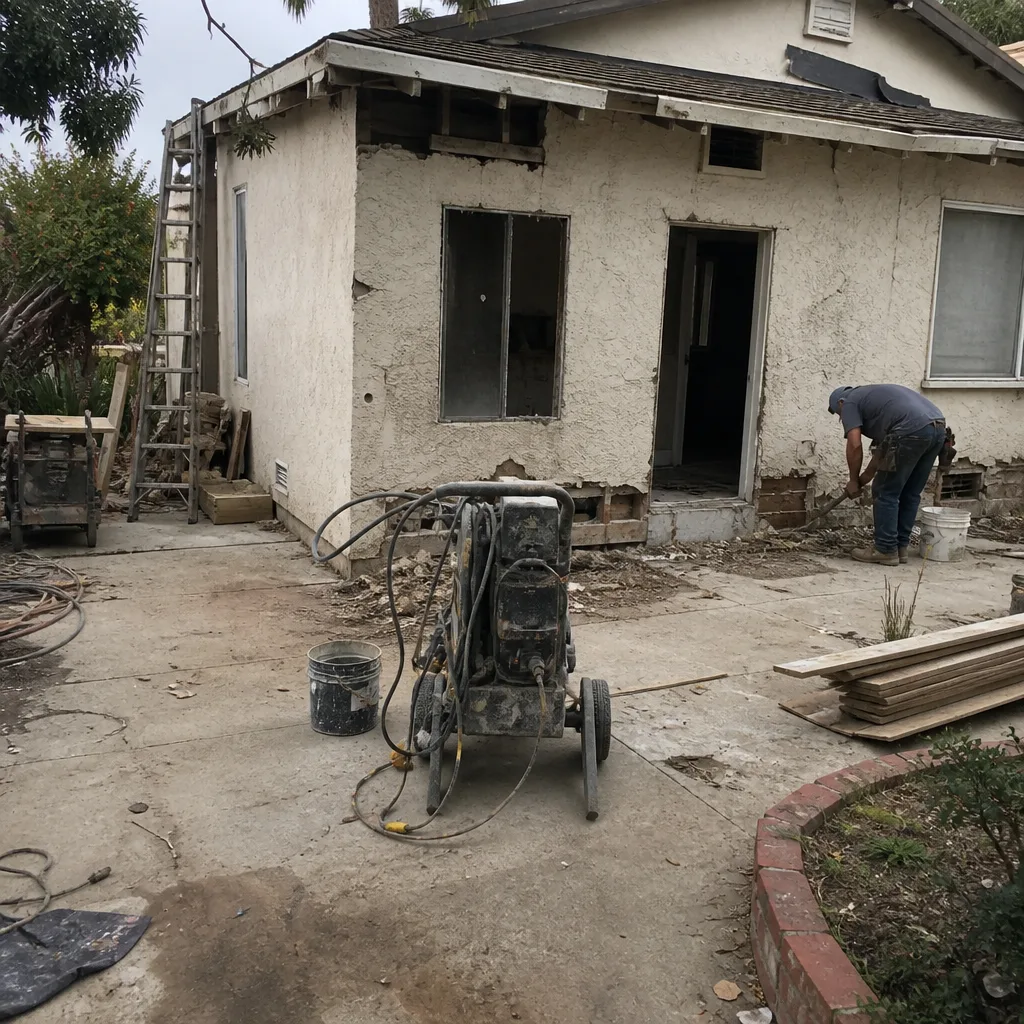 Before
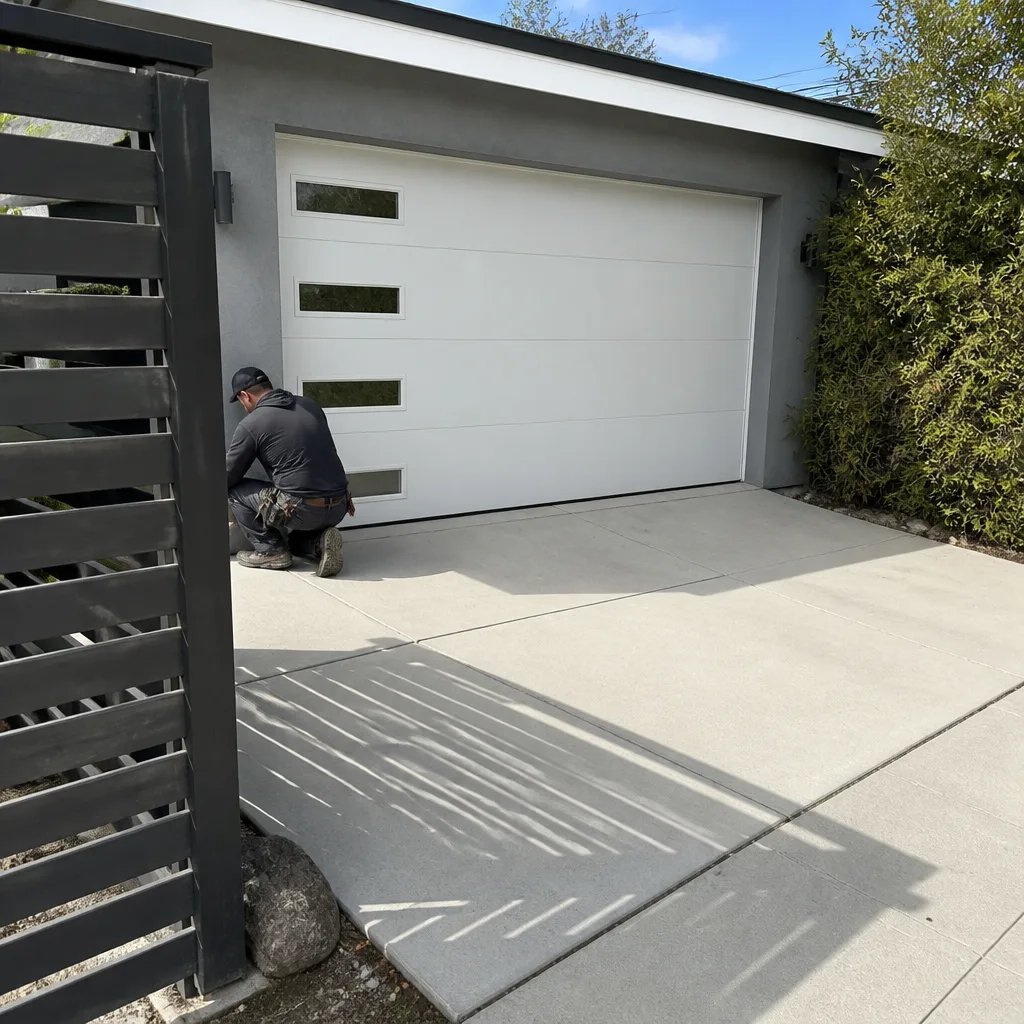 After
AfterReplacement Cost & What’s Included
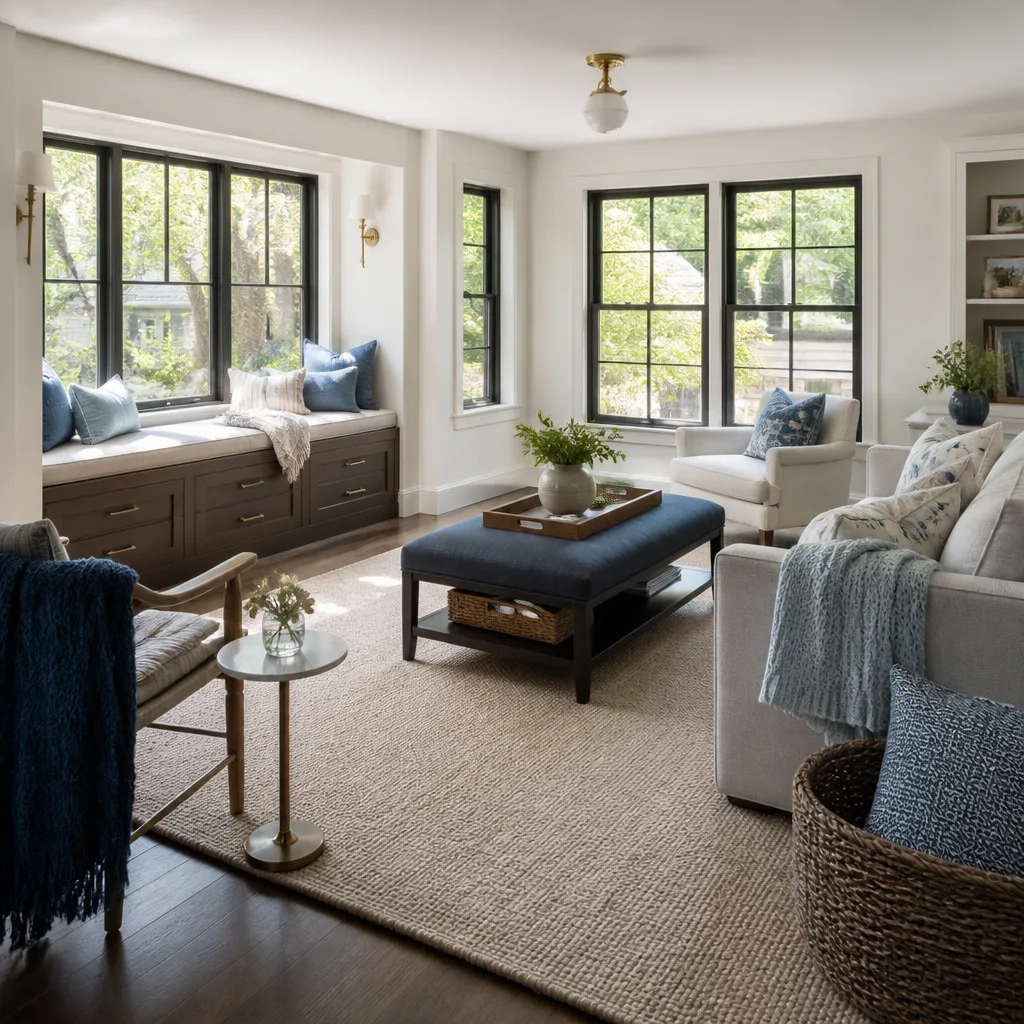
Window replacement on a Plant Prefab home in Los Angeles runs $5,310–$17,700 depending on the number of units, the frame type, and whether we’re swapping glass only or pulling the entire window. Single-unit glass replacements are on the lower end, while a full multi-window package with matching sightlines and high-performance glazing lands at the top. Door replacements and slider rebuilds fall into similar territory, with full door systems typically sitting in the upper half of that range.
What moves the price: unit size, the glass spec you need to match, whether the rough opening needs repair, and access conditions. A second-story window on a hillside lot in Echo Park costs more than a ground-floor window in a flat Culver City backyard. Every written price includes the parts, the labor, the flashing and sealant work, haul-away of the old unit, and a written warranty on the work. It also includes the inspection and the cleanup. If the number changes once we open the wall, you hear about it before the change happens, and you approve it in writing before a tool moves. That’s the Relay Visibility Guarantee on every job we do.
DIY or Call Us?
For the glazing and doors on a Plant Prefab home, there’s very little I’d put on a DIY list. Checking the weep holes for blockages, cleaning roller tracks, and tightening loose handle screws are all safe owner tasks. But anything involving a gas-filled insulated glass unit, the spring tension in a tilt-turn mechanism, or a patio door panel that weighs over a hundred pounds should be left to someone who does this for a living. Panels like that can sheer a finger or break a foot when they slip the track. Not a scare tactic, just a fact.
What we see most from well-intentioned fixes is a YouTube-driven afternoon that ends with a cracked vinyl corner or a door leaning worse than it did that morning. If the symptom is fog, noise, air, or a lock that fights you, call us at (254) 272-5876. We will tell you over the phone whether it sounds like a repair or a replacement, and the estimate is free.
FAQs
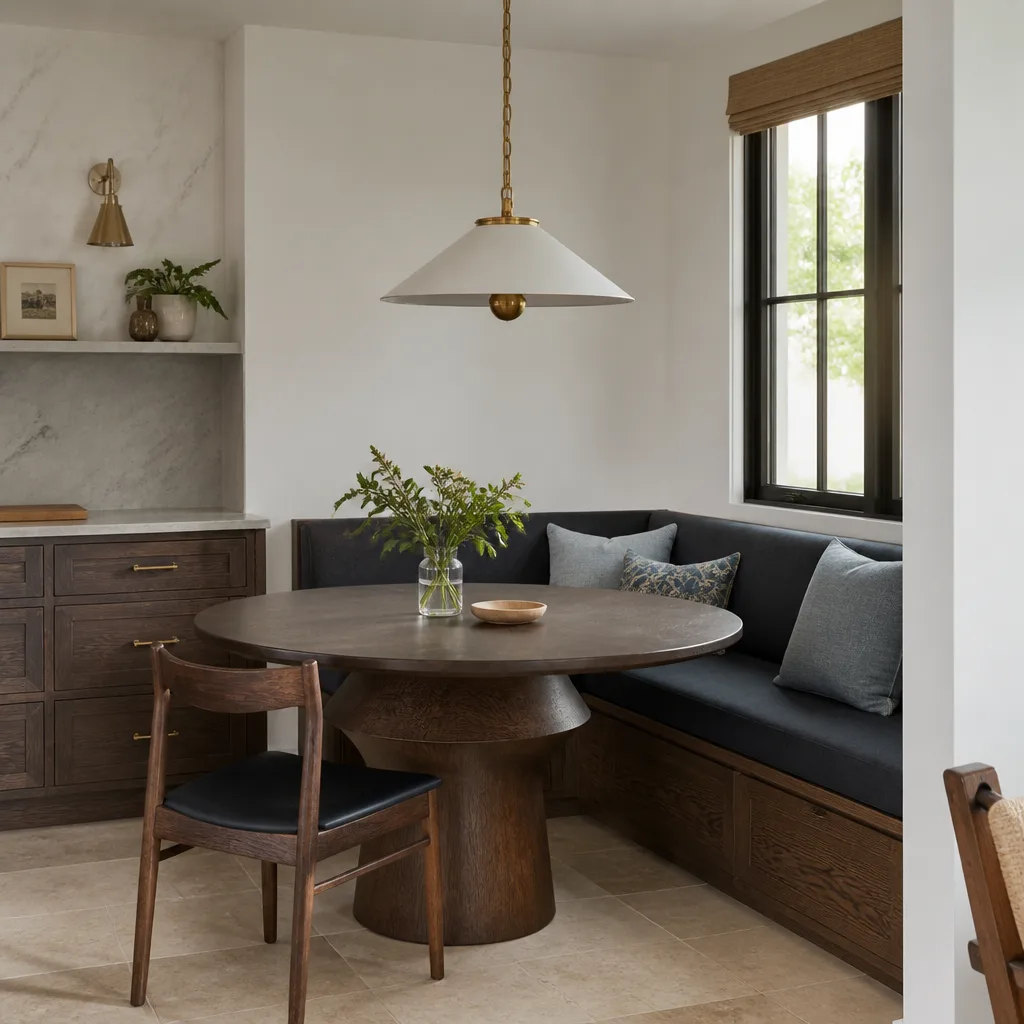
A factory-installed Plant Prefab window or door will typically run 15–25 years in Los Angeles before the seals, gaskets, or rollers need real attention, with sun-facing and coastal units wearing out faster than shaded inland ones. The insulated glass unit inside the frame is the wear item, and it’s replaceable, so the frame can often outlive the glass. Call (254) 272-5876 and we’ll eyeball the wear for free.
Yes, in many cases we can replace the insulated glass unit, rebuild the hardware, or re-gasket the frame without pulling the whole window or door. If the frame is square and sound, a repair is faster and cheaper. If the frame has corroded or the rough opening has rot, replacement is the honest answer. Call (254) 272-5876 and we’ll give you a straight recommendation.
A single window glass replacement usually takes a couple of hours on site, while a full-frame window or door replacement typically runs a half day to a full day per opening. Special-order units can add a week or two for the manufacturer to build and ship, and we handle the ordering the day you approve the written price. Call (254) 272-5876 for a timeline on your exact situation.
We carry the most common rollers, locking hardware, gaskets, and insulated glass options in our Los Angeles service vehicles, so the bread-and-butter repairs move quickly. Niche or discontinued profiles get special-ordered, and we also stock compatible parts for KraftMaid, Cambria, and Silestone lines elsewhere in the remodel. Call (254) 272-5876 and we’ll check the truck before we schedule the drive.
Written by Luca Romano, Owner, Sawyer Remodeling at Sawyer Remodeling, serving Los Angeles and nearby areas.