Free written scope consultation - allowances, timeline, and change-order rules on paper before a single trade is scheduled
Silestone Home Additions & ADU: The Los Angeles Owner’s Guide
If you’re planning a home addition or ADU in Los Angeles with Silestone surfaces, the installed cost typically lands between $53,100 and $153,400 depending on square footage, foundation work, and finish level. Most owners contact us when they’ve either outgrown their current footprint or want rental income from an accessory dwelling unit, and they need a contractor who can handle the structural work plus the Silestone countertops, backsplashes, and wet-bar surfaces in one coordinated job. You’re here because you want real numbers, honest timelines, and someone who won’t ghost you after the deposit clears. That’s what we do.
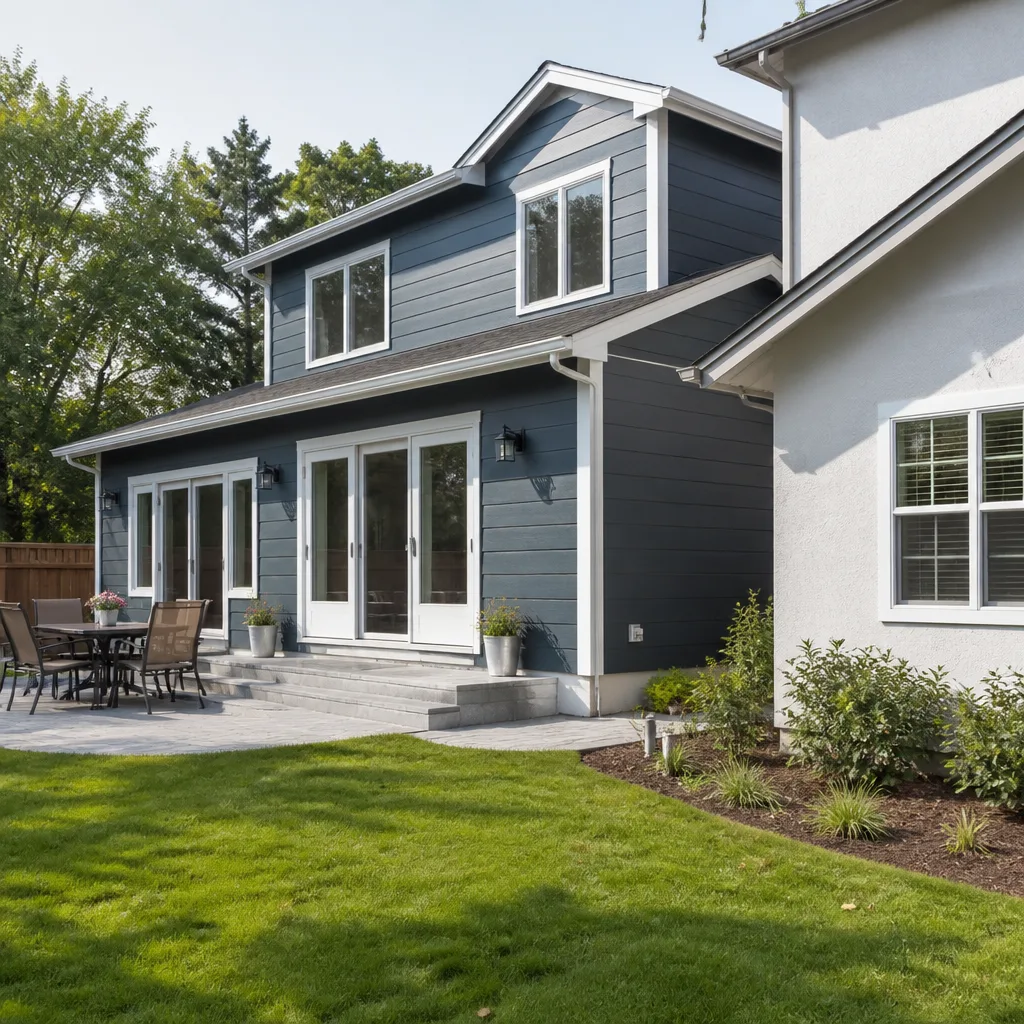
We’re an independent Los Angeles contractor, not affiliated with Silestone, but we install their quartz surfaces on additions and ADUs every month. A Silestone slab in an ADU kitchen or bathroom looks the same as it does in a main house, but the substrate and support details matter more in a backyard unit because the structure moves slightly with Southern California’s clay soil. Our team accounts for that before the first slab gets cut.
Which Silestone Models This Applies To
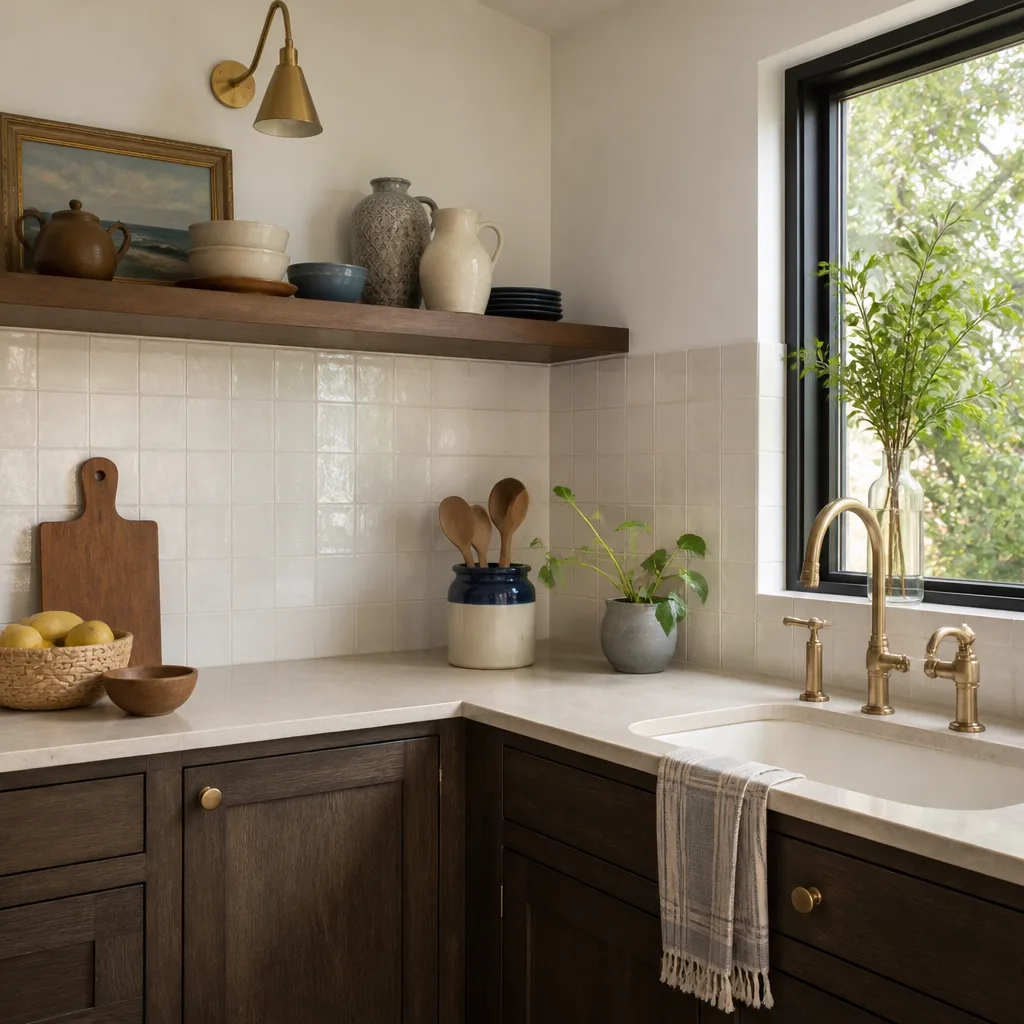
Silestone’s quartz line covers a lot of ground: the Classic series, the Urban series with its veined patterns, and the loft-inspired Eternal series. For an ADU or home addition, the surface you pick has to work harder than it would in a guest bathroom. You’re cooking on it, placing hot pans, cutting limes for drinks, and probably renting the unit out at some point. Quartz holds up, but the color choice matters: lighter Silestone colors hide everyday wear better than dark high-gloss finishes that show every fingerprint and water spot under LED strips.
The real compatibility gotcha in Los Angeles is slab size. Silestone standard slabs run about 120 by 55 inches, which is fine for a galley-style ADU kitchen but can leave a visible seam on a large island in a full-scale addition. We plan seams around the template, not the other way around. If your design calls for a 9-foot island, you’re looking at two slabs and a matched seam. We’ll show you where it lands before we cut. For matching purposes, keep the Silestone batch number from your original install if you’re extending a counter run into a new addition. Batch-to-batch color drift is minor but real.
Styles & brands we work with
Signs Your Silestone Home Additions & ADU Is Failing
- Cracking near the sink or cooktop cutout. Quartz doesn’t flex like laminate. If the fabricator didn’t leave enough material at the front and back rails, or the cabinet underneath settled on Los Angeles’s expansive clay, stress concentrates at the narrowest points.
- Seam separation more than a hairline. We see this in ADUs built on pier-and-beam foundations that shift seasonally. A properly installed seam moves as one surface. One that opens means the substrate underneath is flexing independently of the slab.
- Chipping along the front edge. Silestone edges are dense but they’re not armor. A dropped cast-iron pan or a tenant yanking a heavy drawer into the overhang will chip it. Small chips are repairable; we do that work regularly.
- Staining that won’t lift with standard quartz cleaner. Silestone is non-porous relative to granite, but it’s not stain-proof. Red wine, turmeric, and hair dye left overnight can ghost into the surface, especially on white or light gray colors.
- Water pooling at the backsplash joint. If the caulk line fails or the wall behind the backsplash wasn’t floated flat, water gets behind the slab and eventually shows up as discoloration at the bottom edge.
See the difference
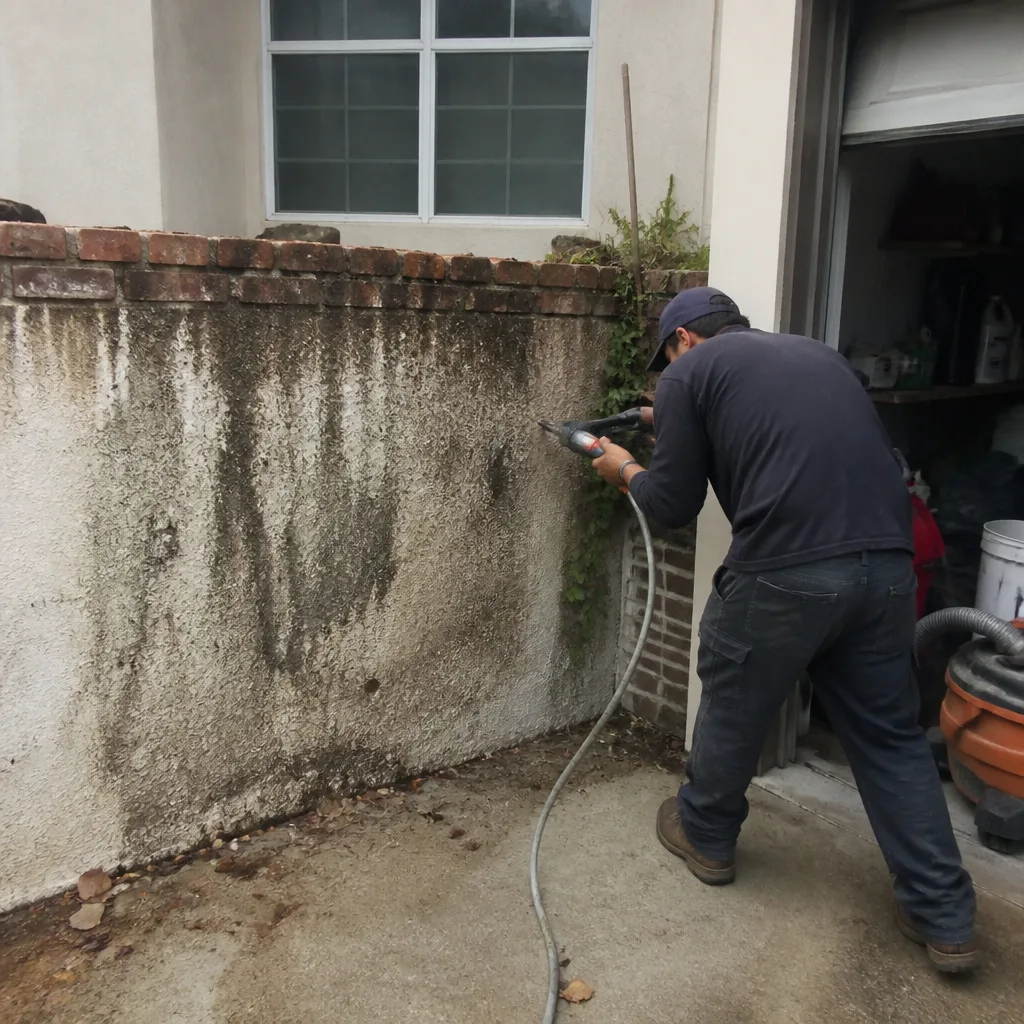 Before
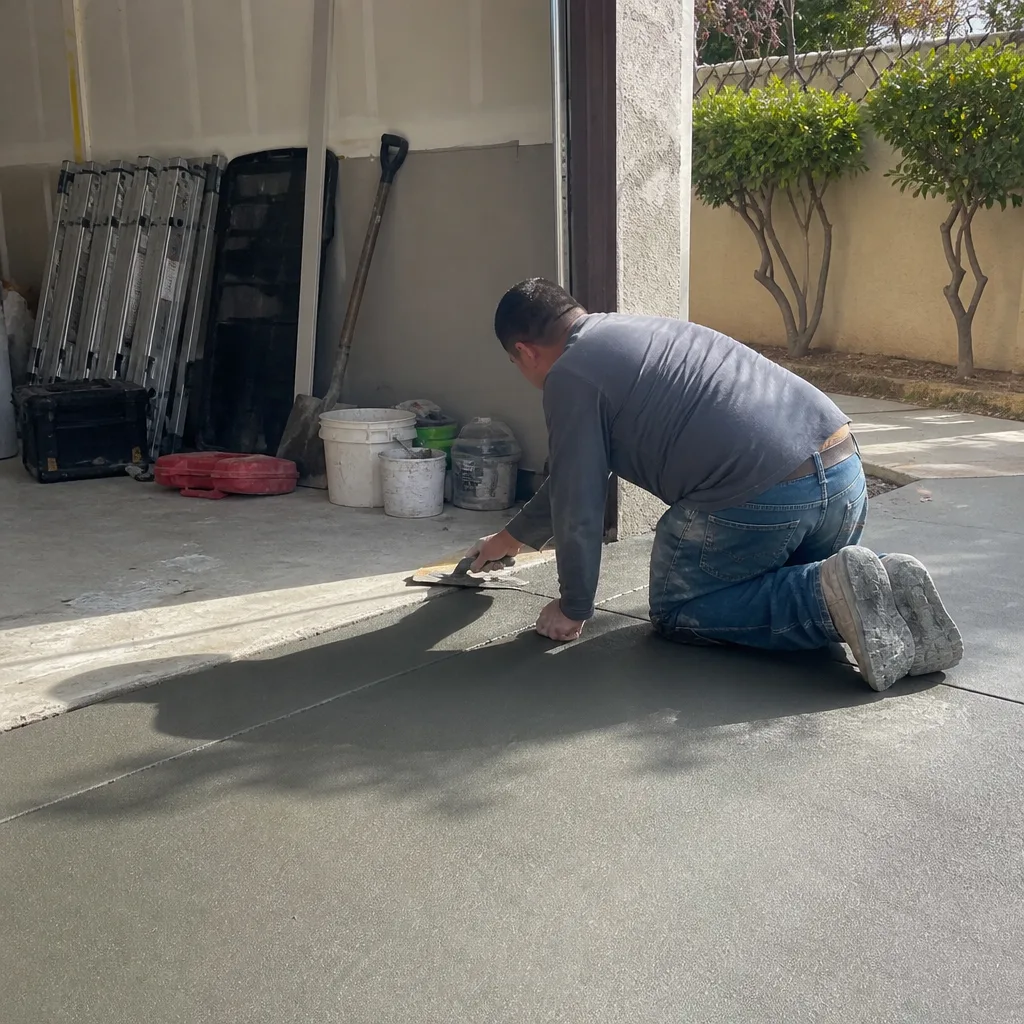 After
After Before
 After
After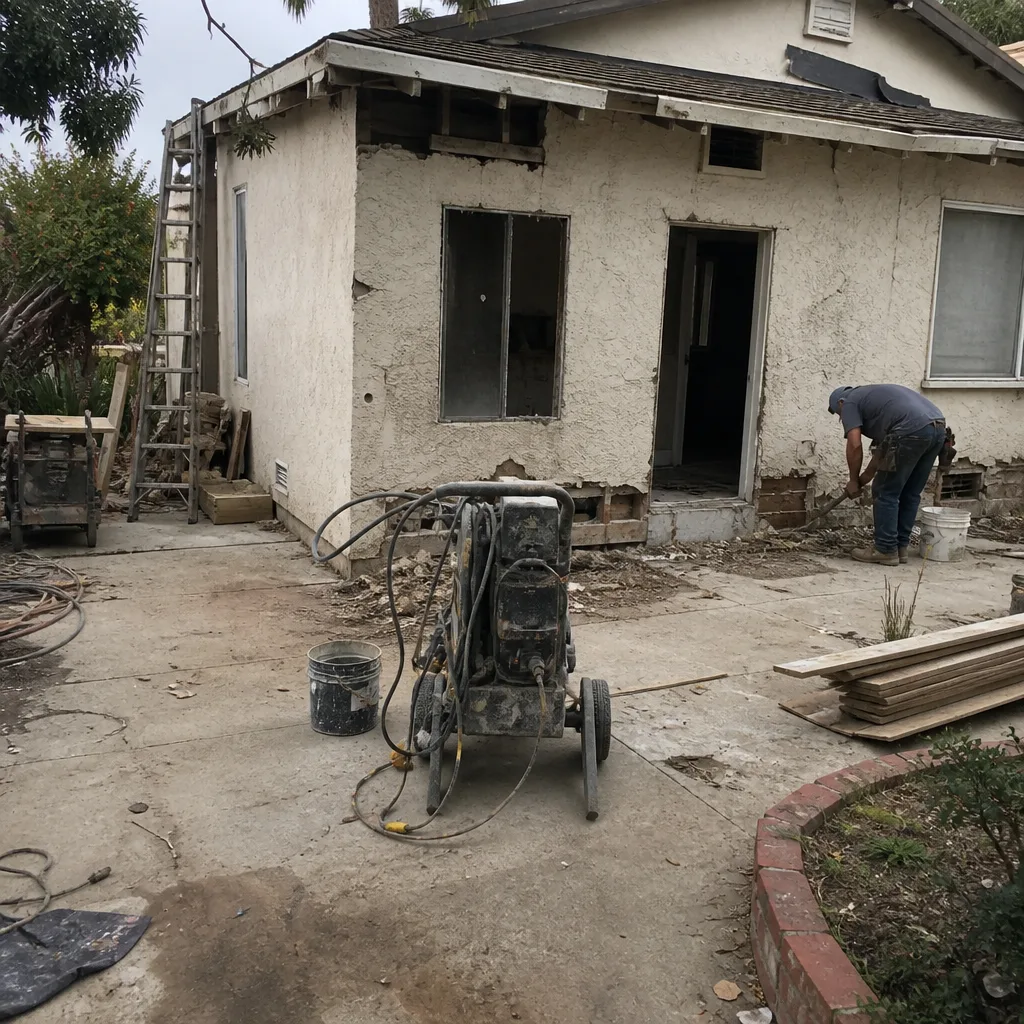 Before
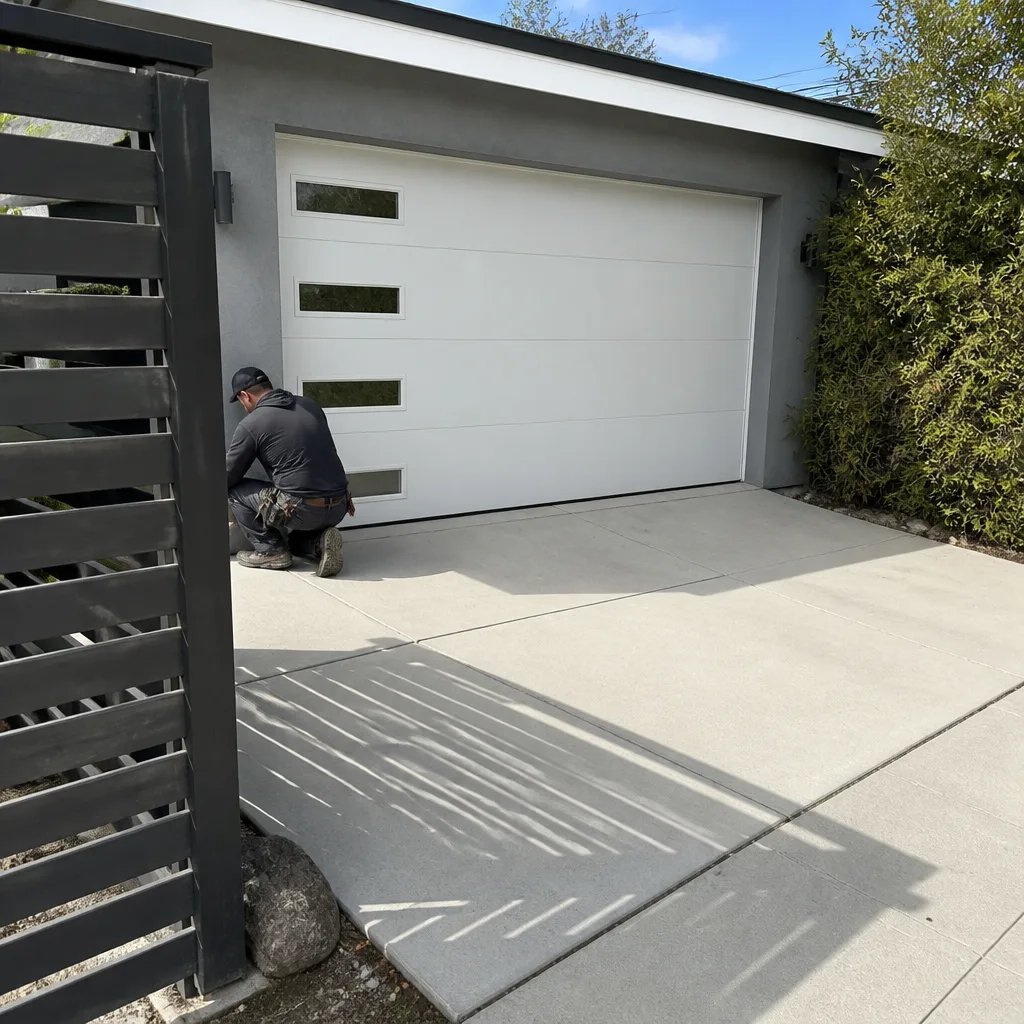 After
AfterReplacement Cost & What’s Included
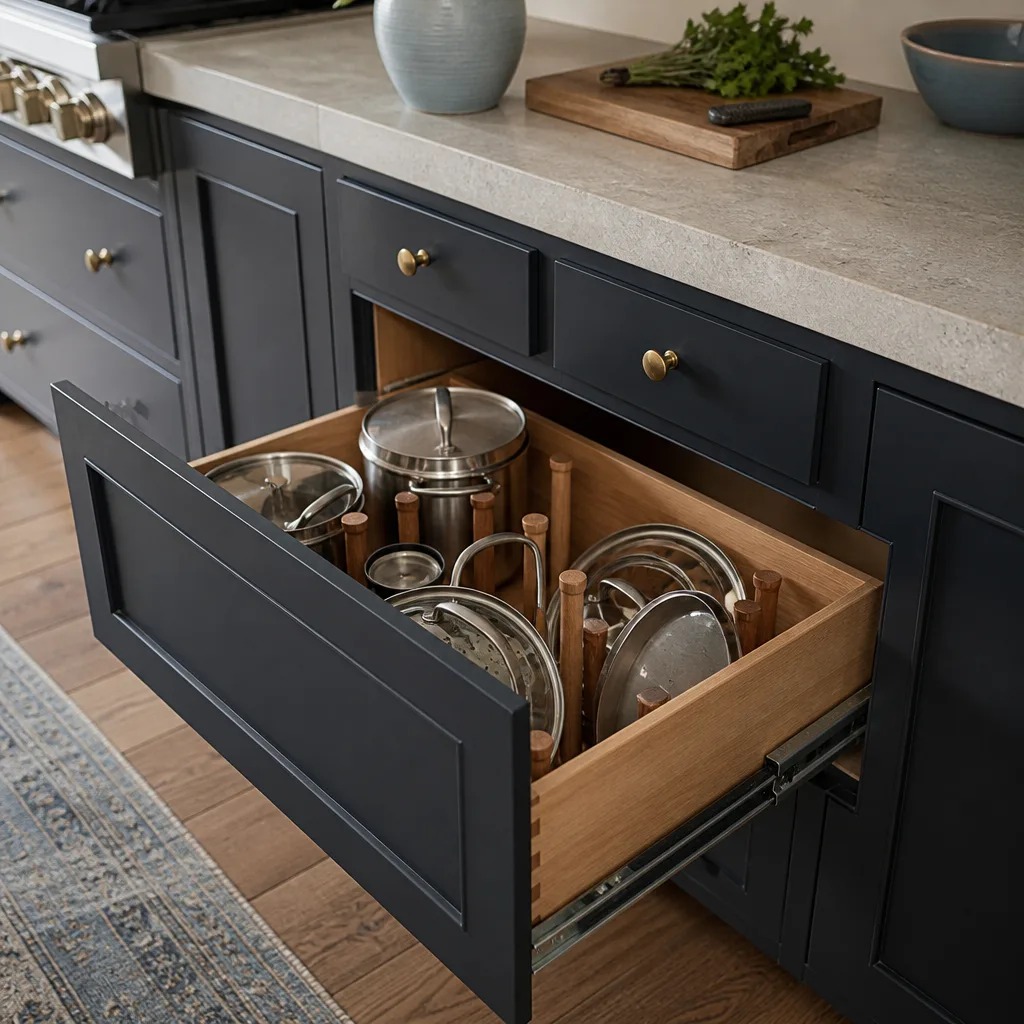
For Los Angeles, a home addition or ADU build with Silestone finishes runs $53,100 to $153,400 installed. The wide range comes down to site conditions: is your lot flat or on a slope, do you need a new foundation or is a converted garage slab usable, and how much plumbing and electrical has to run from the main house to the new structure. Silestone countertops themselves account for roughly $2,360 to $7,670 of that total for a typical kitchen, with backsplash adding $945 to $2,950 depending on the profile and square footage.
Our written price includes the slab, templating, fabrication, edge profile, installation, seam work, and haul-away of the old surface if we’re replacing. You get one number before we cut anything, and that number is what you pay. The 365-Day Done Right Promise covers the install for a full year: if a seam opens or an edge chips under normal use, we return and fix it, no invoice attached.
DIY or Call Us?
There’s no honest DIY version of installing Silestone on a home addition or ADU. Fabricating quartz requires a CNC or bridge saw, diamond tooling, and a shop floor that can handle a 600-pound slab. Even templating it yourself with a cardboard cutout goes wrong in ways that cost more than the install: a template that’s off by a quarter inch means the slab doesn’t seat against the wall, and you’ve bought a second slab because quartz can’t be trimmed down like wood.
What you can do is measure your existing run and mark where outlets, faucets, and the sink sit, then call us with those numbers at (254) 272-5876. We’ll walk you through what fits standard slabs, what needs a seam, and what it costs before you commit to anything. Good work doesn’t need a sales pitch, it just needs to be done right.
FAQs
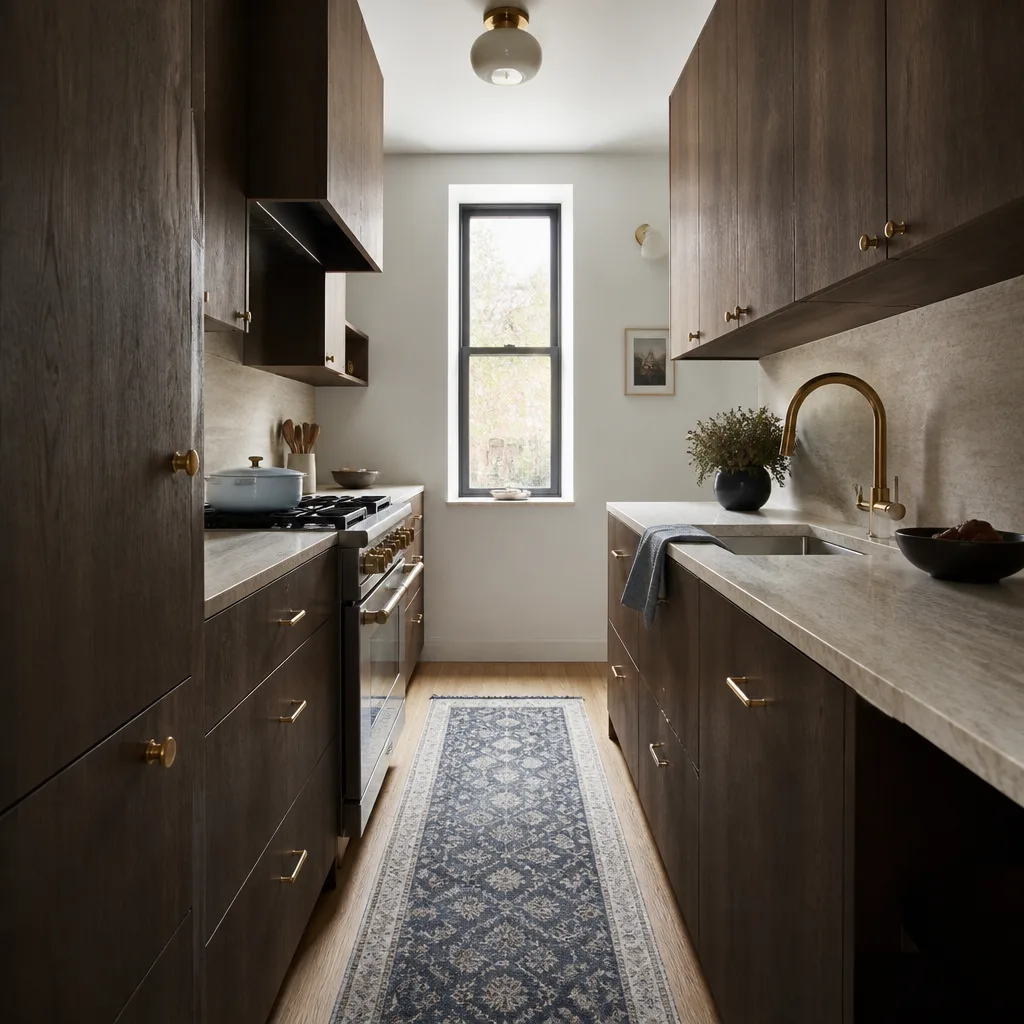
Silestone quartz in a Los Angeles ADU or addition typically lasts 25 to 30 years before showing meaningful wear, and the surface itself rarely fails; it’s usually the substrate, seam, or edge that needs attention first. Here in Southern California, UV exposure matters less for quartz than it does for solid surface, since Silestone doesn’t yellow the way some acrylics do, but direct sun on an outdoor cooking area will fade darker colors over a decade plus. Call (254) 272-5876 if you want an honest assessment of what can be refinished versus replaced.
A hairline crack in a low-stress area can be color-matched and filled so it’s barely visible, but a crack near a sink cutout or cooktop usually means the slab is under tension and will crack again. We’ll tell you which situation you have before recommending any work; replacing one run is sometimes cheaper than chasing a recurring crack for years. Estimates are free.
From template to installed countertop, expect 7 to 14 days in Los Angeles, depending on slab availability and whether we’re matching an existing color batch. The physical install itself is one day. ADU projects move faster than whole-home additions because the footprint is smaller and there are fewer seams to fabricate. Call (254) 272-5876 for a schedule that accounts for current slab lead times.
We work directly with Los Angeles slab yards that stock Silestone, so we can check current availability, pull the batch you want, and handle the entire supply chain from yard to your ADU. You don’t need to order anything yourself. We also work with surfaces from KraftMaid, Cambria, and Kohler if you’re comparing brands for the same project.
Written by Luca Romano, Owner, Sawyer Remodeling at Sawyer Remodeling, serving Los Angeles and nearby areas.