







Free written scope consultation - allowances, timeline, and change-order rules on paper before a single trade is scheduled
Do I Need a Permit for My Project?
What’s Happening
Most remodeling projects that change the structure, electrical system, plumbing, or mechanical systems of your home require a permit from your local building department. If you’re asking this question, there’s a good chance your project falls into that category, and skipping the permit is a risk that can follow you for years.
Permits exist for one reason: to make sure the work is inspected and meets the building code that applies where you live. That matters to you as a homeowner, not just to the government. Work done without a required permit can create real problems down the line, including failed home sale inspections, insurance claim denials, and the very real possibility that unpermitted work has to be torn out and redone. If a contractor tells you permits aren’t necessary for a job that clearly needs one, treat that as a red flag. At Sawyer Remodeling, your local team pulls the permits that belong to the project, full stop. It’s part of what we mean when we say the price is in writing before anything starts.
Why It Happens

The Scope Crosses a Code Threshold
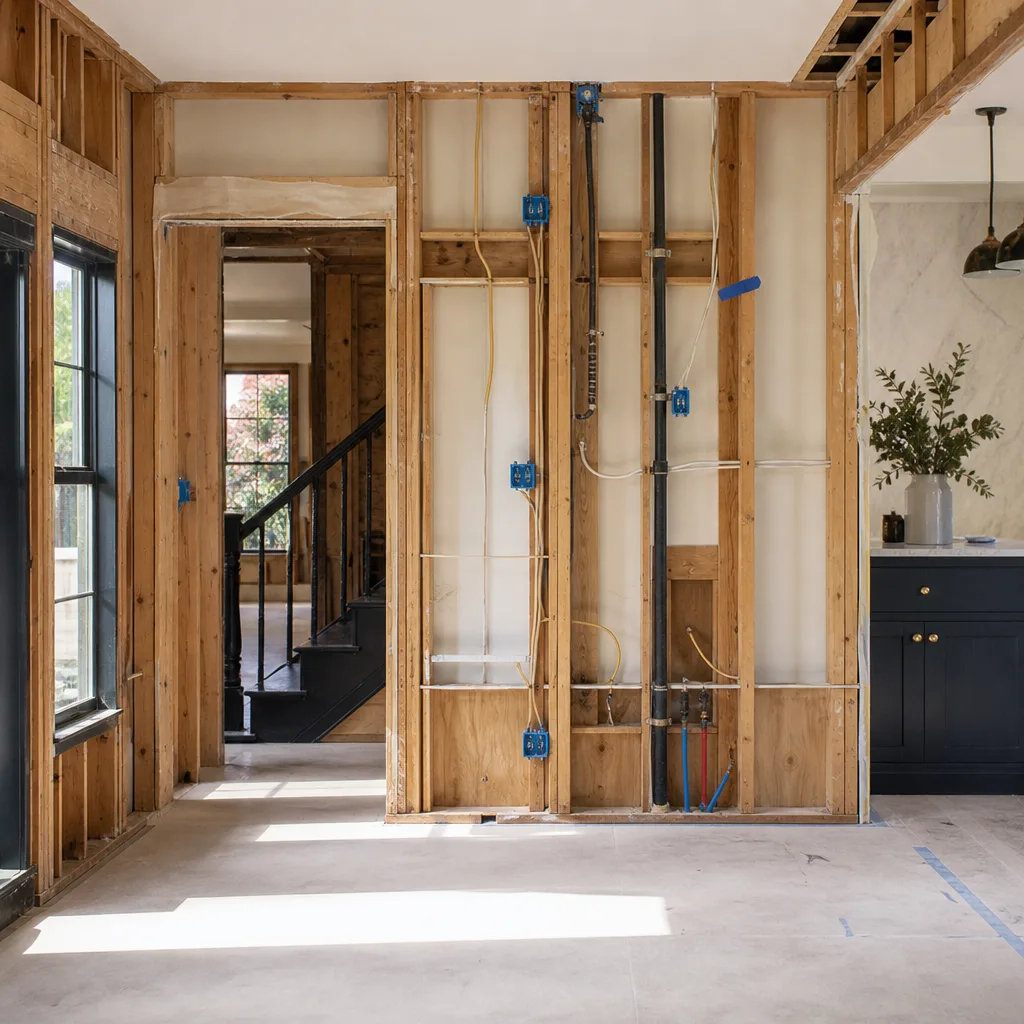
Building codes draw a line between cosmetic work and structural or system-level work. Swapping a faucet or repainting a room almost never needs a permit. Moving that same faucet because you’re reconfiguring the bathroom layout is a different conversation. If your project touches the framing, adds or relocates electrical circuits, moves or adds plumbing rough-in, or changes the HVAC configuration, you’ve crossed the threshold. Your contractor should know this before the first nail goes in.
You’re Adding Square Footage or a New Room
Any addition to the footprint of your home, whether it’s a full room addition, a bump-out, or an enclosed porch conversion, will need a permit in virtually every jurisdiction. The same applies to converting a garage or basement into finished living space. These projects change the assessed structure of the home, and inspectors will want to sign off on the framing, insulation, egress, and any new systems before walls close.
The Electrical or Plumbing Work Is More Than a Swap
Replacing a light fixture for a like-for-like swap typically doesn’t require a permit. Installing a new circuit, adding a subpanel, relocating a breaker, or running new plumbing rough-in to a new location almost always does. The way to tell: if the work requires opening walls to access wiring or pipes, and if it changes where things are rather than just replacing what’s already there, assume a permit is involved until a licensed professional tells you otherwise.
The Project Affects the Exterior Envelope
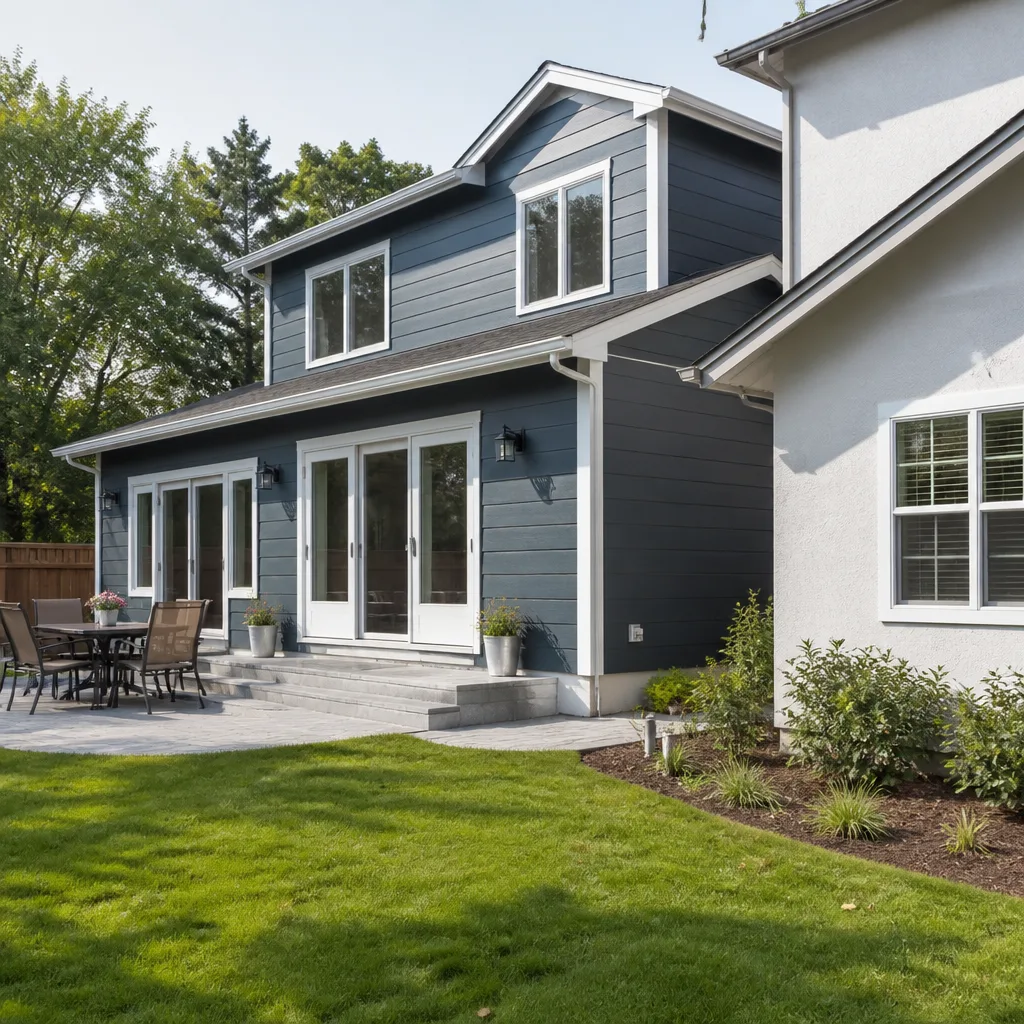
Roofing, window replacement, and siding work have permit requirements that vary more than interior work does, but they’re far from automatic “no.” A full tear-off and reroof frequently requires a permit so the decking and underlayment can be inspected. New windows that change the opening size need a permit in most areas. If you’re replacing siding on a home with older sheathing underneath, a permit gets an inspector on site before the new material goes up, which protects you from hidden problems being covered over.
Styles & brands we work with






What to Do Right Now
- Write down exactly what your project involves. Make a plain-language list of every trade that gets touched: framing, electrical, plumbing, HVAC, roofing. The more specific you can be, the faster your local Sawyer Remodeling team can tell you what’s required.
- Do not let any work start without knowing the permit status. Once walls close or materials go up, determining what’s behind them becomes a much bigger and more expensive problem. Pause any active work until you have a clear answer.
- Photograph the existing conditions right now. Before anything is opened up, get photos of every wall, ceiling, floor, and fixture area that the project will affect. These are your before photos, and they’re worth keeping regardless of how the project goes.
- Do not attempt to inspect or modify electrical panels, gas lines, or anything under structural load yourself. These components are genuinely dangerous. If you’re not sure what you’re looking at, stop and call a professional. This is exactly the kind of thing where curiosity can turn into a serious injury.
- Call your local Sawyer Remodeling team and describe the project scope. Your local team knows what permit requirements typically look like in your area and can walk you through what will be needed before the estimate is written.
See the difference
 Before
 After
After Before
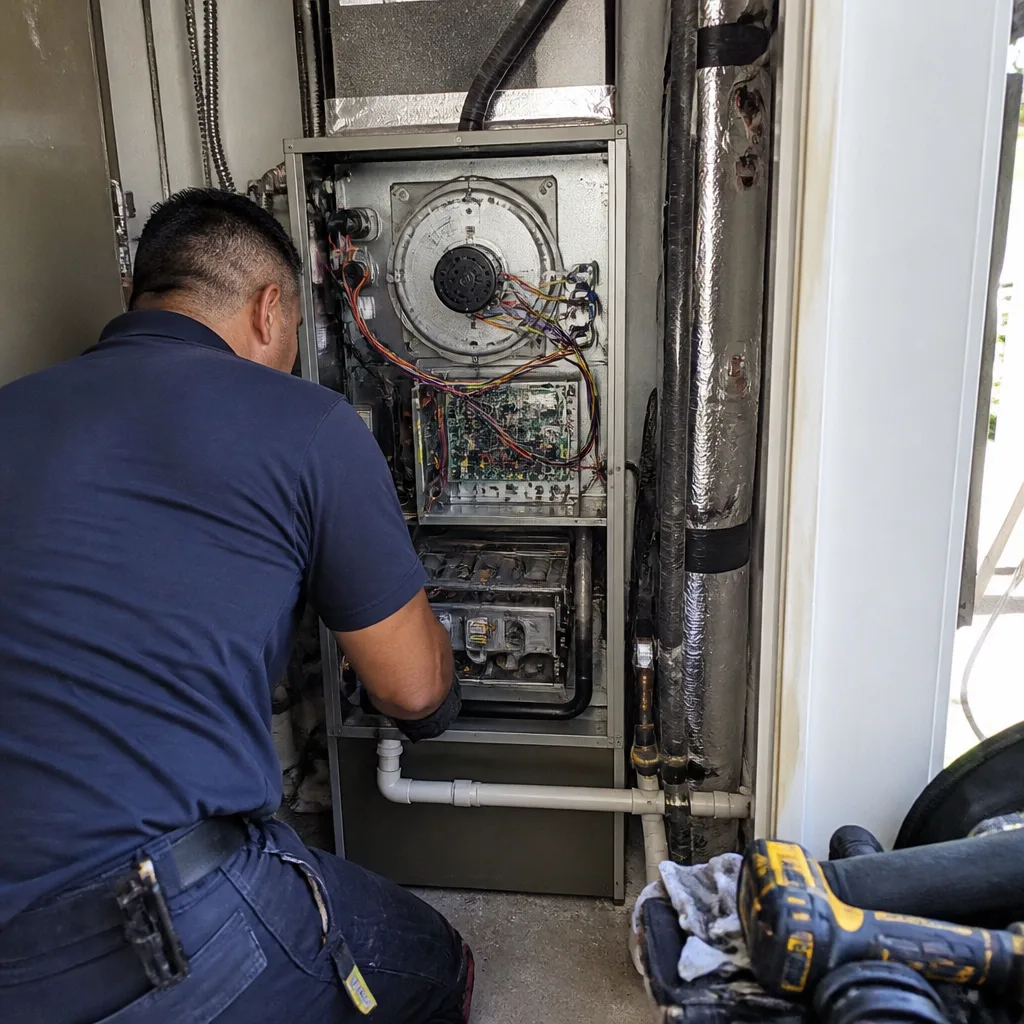 After
After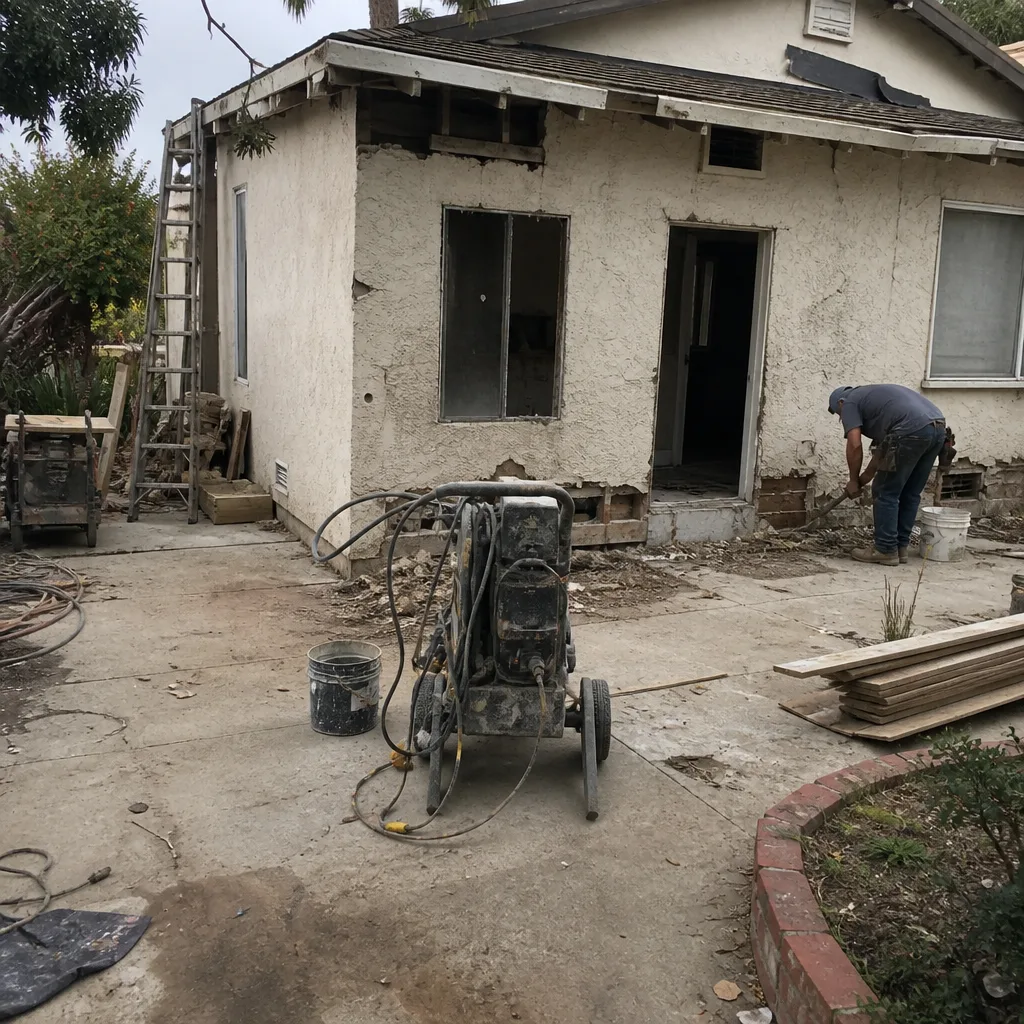 Before
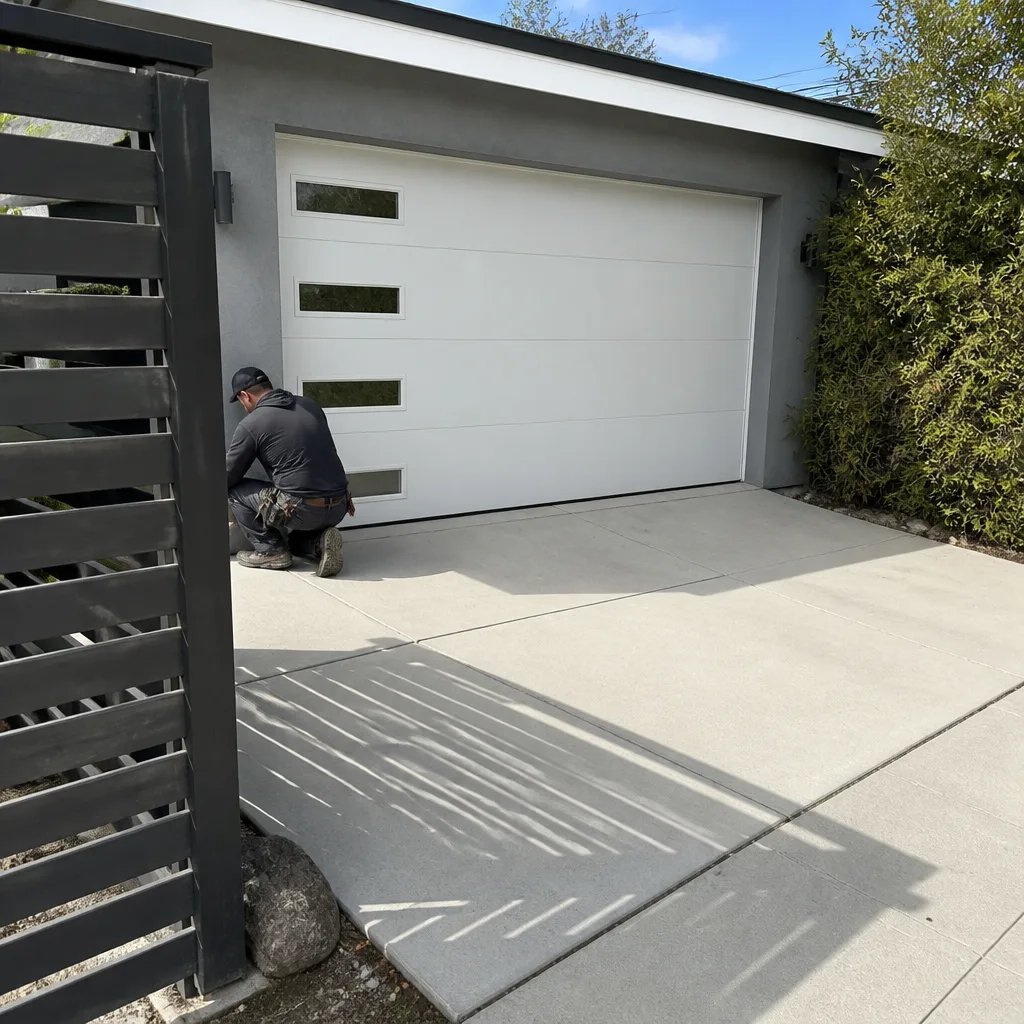 After
AfterHow We Fix It

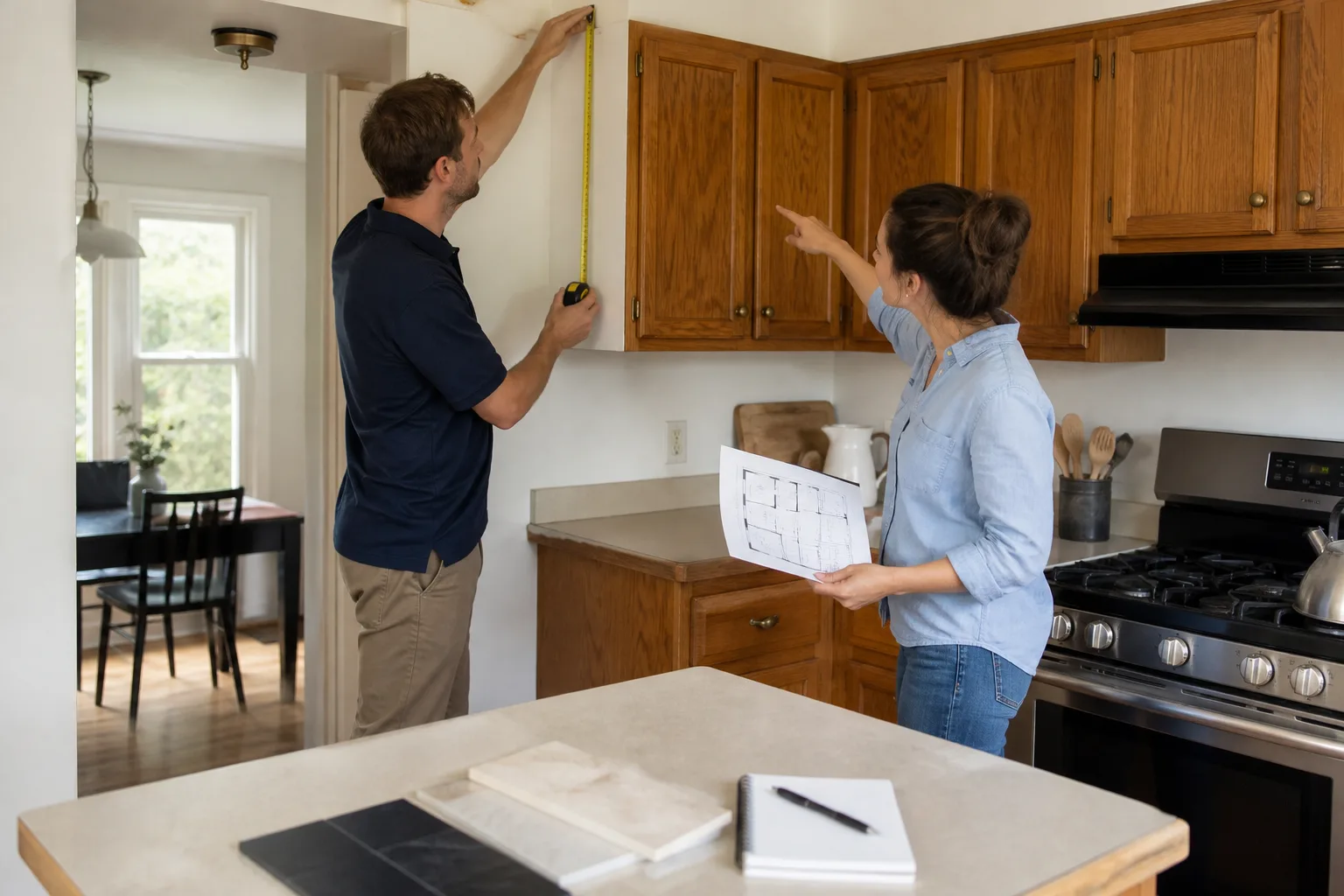
When your local Sawyer Remodeling team arrives for your free estimate, permit requirements are part of the conversation from the first minute, not an afterthought on invoice day. We review the scope, identify what trade work is involved, and build any required permits into the written price you receive before anything starts. That’s the Relay Standard, and it doesn’t have a footnote.
For a bathroom remodel, that typically means pulling a building permit that covers plumbing, electrical, and any structural changes to the floor or walls. For a larger renovation, it means coordinating the full permit set so inspections happen at the right stages and work doesn’t get covered before it’s been signed off.
The work covered by this page falls under our General Contractor, Bathroom Remodeling, and Home Renovation services. Every project is backed by the 365-Day Done Right Promise: if it’s not done right, we make it right, and that’s in writing. Your written estimate comes first. No surprises on the invoice.
Frequently Asked Questions
Skipping a required permit means the work was never inspected and has no official record with your local building department. When you sell the home, the buyer’s inspector or their lender may flag unpermitted work, which can delay or kill the sale. In some cases, the remedy is tearing out finished work so it can be inspected, which is dramatically more expensive than pulling the permit in the first place. It can also create complications with homeowners insurance if the unpermitted work is related to a claim.
Permit timelines vary by jurisdiction, and your local Sawyer Remodeling team accounts for that in the project schedule from the start. In most cases, a straightforward residential permit doesn’t add weeks to a project. It adds scheduled inspection windows, which we build into the timeline so the work moves in the right order. We also handle the permit application so you don’t have to navigate that process yourself.
If work has already started without a permit that was required, it’s urgent. Stop the work and call us at (254) 272-5876. Continuing adds more unpermitted work on top of what’s already there and makes the situation harder to resolve. If the project hasn’t started yet, you have time to get the permit question answered correctly before a single tool comes out, which is exactly the right moment to call.
Reach out to your local Sawyer Remodeling team at (254) 272-5876 and someone will pick up, no voicemail loops or callback queues. Availability for an in-person estimate depends on your local team’s schedule, but calls are answered by a live person around the clock, so you can at least start the conversation immediately and get a visit scheduled. Remodeling projects are planned work, and we’ll get a time on the calendar that works for you.
Get It Fixed

Call (254) 272-5876 or book online. Your local Sawyer Remodeling team will review your project scope, walk you through the permit picture, and put a written price in your hands before any work starts. No guessing, no surprises, no voicemail.
Written by Luca Romano, Owner at Sawyer Remodeling, serving homeowners nationwide since 2005.
What Our Customers Say
"Booked a kitchen consult online and got a project timeline in the app. Crew texted each morning with the day's plan. Cabinets, counters, and backsplash look great."
- Erin K."Home renovation with a new layout. Permits and inspections were all tracked online."
- Nolan R."Crew cleaned up each day. Swept and wiped down the work area every evening, which I did not expect."
- Joy B.