Last updated October 9, 2026





Free written scope consultation - allowances, timeline, and change-order rules on paper before a single trade is scheduled
Seasonal Construction Care for Los Angeles: Year-Round Homeowner’s Guide
October is when Los Angeles homes are under the most stress, and almost no maintenance calendar reflects that. While the rest of the country is raking leaves and winterizing pipes, we’re watching Santa Ana winds peel back roofing and waiting for the first rain to expose every gap that summer dried open. This guide replaces the generic four-season checklist with the actual Los Angeles calendar: a dry fire season, a wet season, and the short windows between them when construction work goes best.
Quick Answer
Los Angeles home maintenance runs on a two-season system, not four. Fire season prep happens September through November: clearing defensible space, checking roof and vent screens, and sealing gaps that embers find. Rain season prep happens November through March: cleaning gutters after leaves drop, inspecting flashing after the first real storm, and fixing drainage during dry breaks. The weeks between Santa Ana season and the first rain, usually late October to early November, are the single best window for exterior work like painting, caulking, and roofing. For more on what to watch for, see our Bathroom Remodeling Warning Signs Every Homeowner Should Know.
Styles & brands we work with

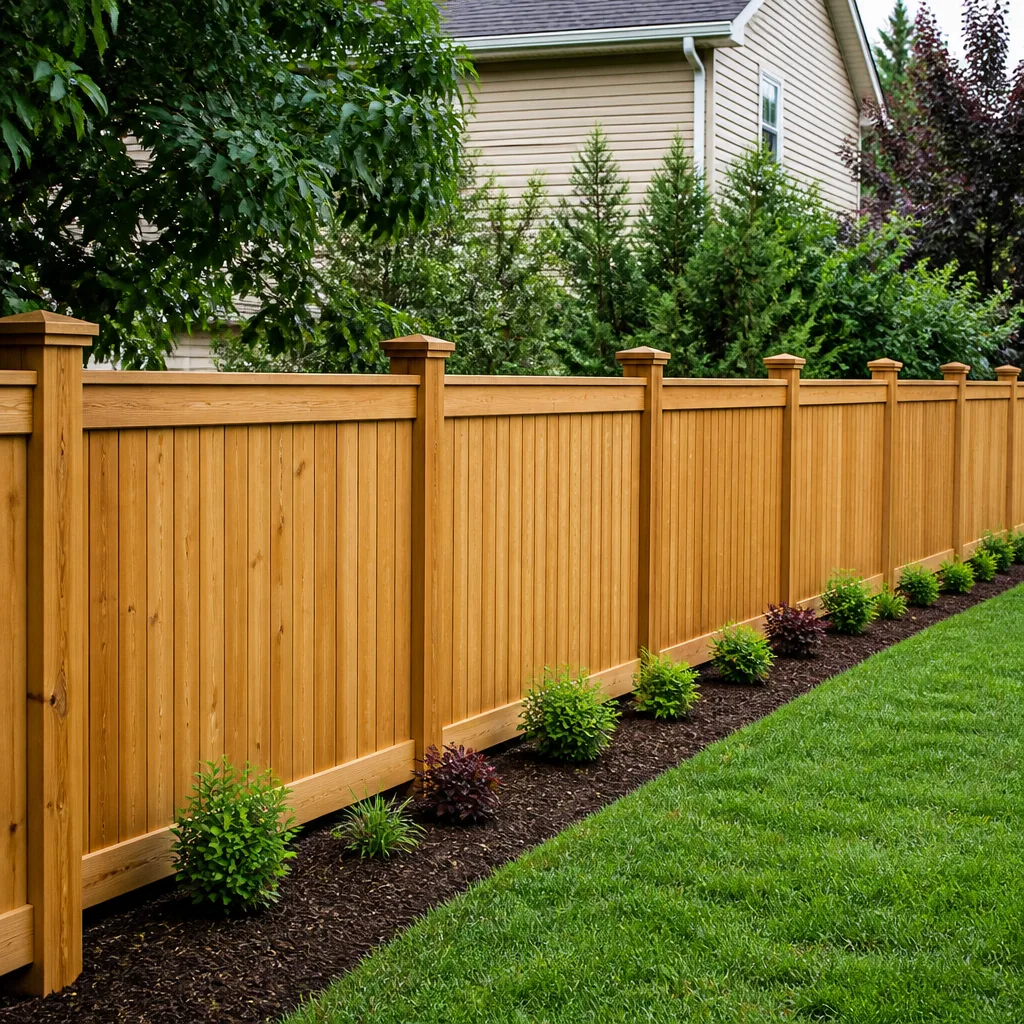
Table of Contents
- The Two-Season Reality of Los Angeles
- Fire Season Prep: September Through November
- Rain Season Prep: November Through March
- Why Post-Rain Inspections Matter More in LA
- The Best Construction Windows by Task
- Roofing, Gutters, and Drainage for Feast-or-Famine Rain
- Santa Ana Season: What It Does to Your Home
- Los Angeles Code and Permit Considerations
The Two-Season Reality of Los Angeles
If you’ve lived in Los Angeles through one full year, you’ve felt it: the city doesn’t do spring thaw or fall frost. It does months of zero rain, then a few weeks where the sky opens up, then back to dryness. What that means for your house is simple. Materials expand and contract on a schedule driven by heat and marine layer moisture, not by a calendar. Wood framing, stucco, caulk, and roofing all respond to that pattern.
The marine layer complicates things further. Coastal neighborhoods like Santa Monica, Venice, and Playa del Rey hold overnight moisture through May and June. Inland areas like the Valley, Glendale, and Pasadena bake hard from June through October. A paint job that goes on perfectly in Sherman Oaks in July could fail prematurely on a Westside home in the same month because the substrate never fully dried. Treating Los Angeles like a four-season city means you’ll paint at the wrong humidity, caulk before the rain when you should caulk after, and clear gutters in spring when the real debris falls in late fall.
Here’s what actually drives your maintenance calendar:
- Heat and UV exposure from June through October degrade exterior materials, especially on south-facing and west-facing walls.
- Marine layer moisture from May through July keeps coastal homes damp overnight, which slows paint curing and promotes mildew.
- Santa Ana winds from September through November stress roofing, gutters, vents, and anything loose on the exterior.
- Rain, when it comes, hits hard and fast between November and March, exposing every gap that the dry months hid.
If you want a home maintenance schedule that actually works here, you have to plan around those four forces, not around equinoxes and solstices.
Fire Season Prep: September Through November
Fire season in Los Angeles is no longer a fringe concern. Every fall, Santa Ana winds combine with vegetation that has been drying since April, and the result is a stretch where one ember can turn into a neighborhood-level event. Your home’s construction and maintenance choices directly affect how vulnerable it is.
Here’s the strategic sequence we recommend, in order of impact:
- Clear defensible space. Remove dead vegetation within 30 feet of the structure. Trim tree branches that overhang the roof. Keep shrubs and ground cover low and green if possible.
- Inspect and repair roof gaps. Embers don’t need an open window. They need a gap. Check for loose shingles, lifted flashing, and gaps around chimneys, vents, and skylights. If you have tile roofing, check for broken or shifted tiles.
- Screen all vents. Attic vents, crawl space vents, and gable vents need 1/8-inch metal mesh screens. This is a Los Angeles building code requirement in wildfire-prone zones, but it’s good practice everywhere.
- Seal gaps in exterior walls and eaves. Caulk or foam any gap larger than 1/8 inch. Pay attention to where utilities enter the house, and where siding meets trim.
- Check your garage door seal. Embers slip under very small openings. A garage door with a tight bottom seal and no gaps at the sides is a real fire-safety improvement.
If you have wood siding or wood-shake roofing, your fire risk is significantly higher than with stucco or fiber cement. James Hardie fiber cement siding is a common upgrade we specify on Los Angeles homes specifically because it holds up better in fire conditions than cedar or T1-11 plywood.
Rain Season Prep: November Through March
Rain season in Los Angeles is unlike rain season anywhere else. The city gets most of its annual rainfall in a handful of heavy events. A single atmospheric river can drop more water in 48 hours than the previous six months combined. That means your drainage and waterproofing systems don’t need to handle a slow, steady drizzle. They need to handle a flood.
Here’s the priority list we give homeowners before the first major storm:
- Clean gutters and downspouts. Most LA tree species drop leaves in late fall, not early fall. Wait until late November or early December to clean gutters, or you’ll do it twice. Check that downspouts extend at least 5 feet from the foundation.
- Inspect roof flashing. Flashing failures are the number one source of roof leaks in Los Angeles, especially around chimneys, skylights, and where roof planes change pitch. A visual inspection after the first small rain can catch problems before the big storms arrive.
- Check exterior caulking. Gaps around windows, doors, and trim that opened during the dry months will let water in during a heavy storm. Caulk fails more often in Los Angeles than in wetter climates because the material is constantly expanding and contracting in the dry heat.
- Test drainage. Walk your property during the first real rain and watch where water flows. Look for pooling against the foundation, runoff heading toward the house instead of away, and downspouts that overflow.
- Inspect interior signs of water. Stains on ceilings, musty smells, bubbling paint, and warped baseboards are all signs water already found a way in. Address these before the next storm, not after.
One detail that catches a lot of Los Angeles homeowners off guard: flat and low-slope roofs are common here, especially on mid-century homes and additions. These roofs drain differently than pitched roofs and are far less forgiving if debris blocks the drains. If your home has a flat roof, make sure someone checks the roof drains and scuppers before every major storm.
Why Post-Rain Inspections Matter More in LA
Most home maintenance advice tells you to inspect before it rains. That’s good practice, but in Los Angeles, the inspection that matters more is the one you do after. Here’s the logic: our rain events are so infrequent that a leak can go undetected for months. A small gap in flashing that lets water in during a February storm might not show visible interior damage until April, when the dry heat causes the trapped moisture to expand and blister paint or warp drywall. Pre-rain inspections catch visible gaps. Post-rain inspections catch damage that has already happened and tells you where to look for more.
Here’s the specific post-rain checklist we recommend after the first major storm of the season:
- Check ceilings and upper walls for stains, especially in corners and around recessed lights. Water follows the path of least resistance, and the visible stain is often far from the actual leak source.
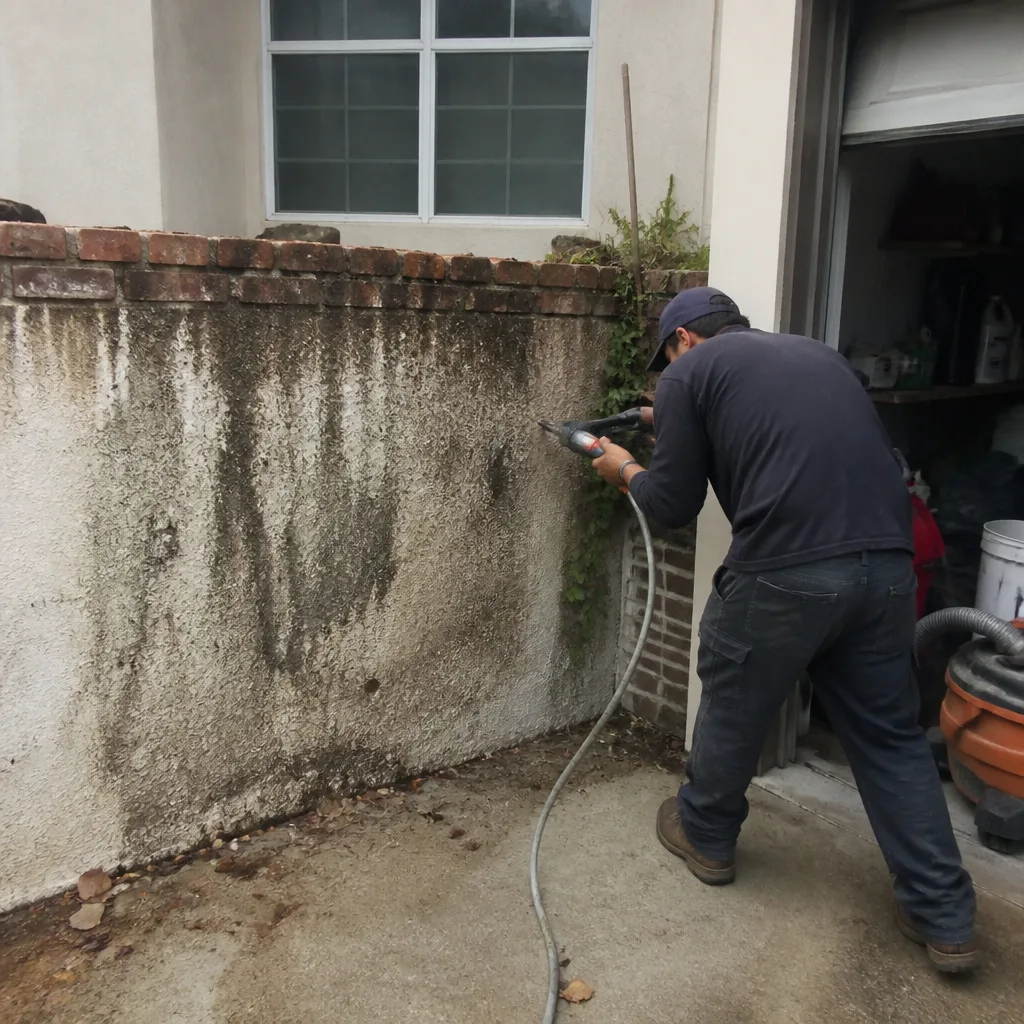
- Walk the exterior and look for peeling paint, lifted stucco, or darkened areas that indicate water saturation. These areas will fail further if not addressed before the dry season.
- Look at the foundation perimeter for pooling or erosion. In Los Angeles, many homes sit on hillsides or have raised foundations. Rain that pools against a foundation can do more damage in one season than a decade of dry weather.
- Check attic and crawl space for moisture. This is the most overlooked step. Moisture in these spaces leads to mold, which in Los Angeles is more of a dry-weather problem than people think. Our climate doesn’t naturally dry out a wet crawl space.
- Inspect window and door seals for swelling, gaps, or water staining on the interior casing.
The post-rain window also matters for scheduling repairs. If you catch a leak right after a storm, you have a clear dry window to fix it properly. If you wait until the next rain season, you’re gambling that the damage won’t worsen through another dry summer.
The Best Construction Windows by Task
In Los Angeles, timing a construction project well is the difference between a smooth job and a fight with the weather. Here’s how we think about the year, based on nearly two decades of remodeling work under The Relay Standard.
Exterior Painting and Caulking: October to Early November
The best window for exterior paint and caulk in Los Angeles is the stretch after the worst heat breaks and before the first significant rain. For most neighborhoods, that’s late October through early November. The air is dry enough for proper curing, the marine layer has mostly burned off, and temperatures are moderate. Avoid painting from late May through early July along the coast, since morning marine layer moisture creates exactly the wrong curing conditions. Inland, avoid painting from July through September unless the surface is shaded, since 100-degree surface temperatures cause paint to flash-dry and fail prematurely.
Roofing: October Through December
Roofing work in Los Angeles works best in fall and early winter. The days are cool enough for proper asphalt shingle sealing, and you’re getting the roof done before the heaviest storms. If you’re replacing a roof, GAF and CertainTeed both offer shingle lines designed for high-UV environments, which matters in Los Angeles more than in most markets. Avoid scheduling roofing during the hottest stretch from July through September if you can; hot shingles are more fragile to walk on, and asphalt doesn’t seal well in extreme heat.
Interior Remodeling: Year-Round, With Two Caveats
Interior work like Bathroom Remodeling Maintenance Schedule: What to Do and When and home renovation can be done any month in Los Angeles. The two caveats: first, if your project touches the roofline or exterior walls, schedule around the same windows as roofing and painting. Second, if your home sits on a hillside with poor drainage, avoid scheduling a full gut remodel during the rainiest stretch from January through early March. Heavy rain can complicate exterior access and foundation work.
What the Weeks Between Santa Ana and First Rain Are For
The stretch between when Santa Ana winds taper off and when the first real storm arrives is roughly late October through mid-November. This window is excellent for exterior painting, caulking, roofing, and stucco repair. It’s also the worst window for tasks that create dust or debris that would need cleanup after a wind event. If you’re doing a full exterior repaint, finish before the first rain, but plan for the possibility of touch-up work if a storm rolls through mid-project.
Roofing, Gutters, and Drainage for Feast-or-Famine Rain
Los Angeles drainage systems sit dry for months, then get asked to carry a year’s worth of water in a few days. That’s the feast-or-famine reality. Here’s how to keep the three systems that matter most in working order:
Roofing
Your roof is the first line of defense in a city where it might wait eight months between rain events. Common roof types in Los Angeles include asphalt shingle, tile, and flat or low-slope built-up roofing. Each has weak points that the dry season aggravates. Asphalt shingles dry out and become brittle. Tile roofs shift slightly, opening gaps between tiles. Flat roofs develop cracks at seams and flashings as the material expands and contracts. All three should be inspected in late fall, after the Santa Ana winds have had their shot at loosening whatever they could.
Gutters
In most parts of the country, gutters clog with leaves every fall. In Los Angeles, the timing is different. Our major tree species, including sycamores, oaks, and jacarandas, drop leaves and flowers on inconsistent schedules. The golden rule: inspect gutters after the first wind event of October, and again after the first real rain of November or December. If you have mature trees near the house, install gutter guards. They’ll pay for themselves in a city where gutter cleaning is an easy thing to forget for eight months straight.
Drainage
Most Los Angeles homes don’t have a basement, which means drainage problems show up differently than in other parts of the country. Instead of a flooded basement, you’ll see water against the garage slab, erosion on a hillside, or moisture in a crawl space. The fix usually involves adjusting downspout extensions, re-grading soil, or installing a French drain. These aren’t DIY-friendly projects in most cases. Getting drainage wrong means the water ends up against your foundation or your neighbor’s property, and in Los Angeles, that becomes a legal conversation fast.
Santa Ana Season: What It Does to Your Home
Santa Ana winds are the defining weather event of Los Angeles home maintenance. They blow hot, dry air from the high desert toward the coast, sometimes gusting past 60 miles per hour in the passes and canyons. They happen most often between September and November, but they can arrive as early as August and as late as January. Here’s what they actually do to a house:
- Lift and loosen roofing materials. Shingles, tiles, and flashing that were fine in July can be compromised by a single strong Santa Ana event.
- Stress fences, gates, and anything attached. Wooden fences and gates take the brunt of sustained wind. Loose posts fail, and a fallen fence section can damage whatever it lands on.
- Blow debris into gutters and roof valleys. Dry leaves, twigs, and palm fronds pile up in October and early November, creating the perfect fuel load if a fire starts nearby and clogging drainage before the rains arrive.
- Dry out exterior wood. Deck boards, siding, and fascia dry and crack more during Santa Ana season than any other time of year. That cracking opens gaps for water later.
The constructive upside to Santa Ana season: it’s the best time for exterior caulking and painting, because the air is bone dry and surfaces cure properly. Professional painters in Los Angeles know this, and it’s one of the reasons October and November book up fast for exterior work.
Los Angeles Code and Permit Considerations
Los Angeles has one of the most complex building code environments in the country, and it changes constantly. Three areas matter most for seasonal maintenance:
Wildfire Zone Requirements
If your home sits in a designated Very High Fire Hazard Severity Zone, which includes large portions of the Santa Monica Mountains, the Verdugos, and the foothill communities from Pasadena to Sylmar, you’re subject to specific requirements for vent screens, roof coverings, and defensible space. These aren’t suggestions. They’re code. Working with a general contractor who knows the current Los Angeles Fire Department and LADBS requirements is the difference between passing inspection and doing the work twice.
Retrofit and Soft-Story Requirements
Los Angeles has mandatory seismic retrofit programs for certain building types, including soft-story apartment buildings and pre-1980 wood-frame structures. If your seasonal inspection turns up foundation cracks or structural issues, the fix may trigger retrofit requirements. That’s not a reason to avoid the inspection. It’s a reason to know what you’re looking at before you call someone.
Permits for Exterior Work
Most seasonal maintenance, like gutter cleaning, caulking, and painting, doesn’t require a permit. But roofing replacement, drainage system work that changes grading, and any structural repair always do. In Los Angeles, unpermitted roof work can become a problem when you sell, and unpermitted drainage work can become a liability if it redirects water onto a neighbor’s property. If you’re uncertain, call LADBS or talk to a contractor who works in the city regularly. Sawyer Remodeling handles permit applications as a standard part of any project that requires them, so if you’re unsure whether your job needs a permit, call us and we’ll tell you straight.
Common Mistakes to Avoid
- Following a Midwest seasonal calendar. Los Angeles doesn’t have fall leaf season in September or spring thaw in March. Clean gutters in late fall and inspect roofs after Santa Ana season, not on someone else’s calendar.
- Painting exterior surfaces during marine layer season. If you’re within a few miles of the coast and you paint in May or June, you’re asking for adhesion failure. The morning moisture doesn’t just slow the paint, it prevents proper curing.
- Waiting until it rains to check for leaks. By the time water shows up inside your home, the leak has been working for weeks. Inspect after the first storm, and don’t assume a dry ceiling means no problem.
- Ignoring drainage until it becomes a neighbor dispute. In Los Angeles, water that runs off your property and damages a neighbor’s home or hillside can become a legal and insurance problem. Fix drainage before it becomes a lawsuit.
- Doing fire prep in December. Fire season prep is useless if it happens after the Santa Ana winds have already started. September and October are the months for clearing defensible space and checking vent screens.
- Skipping the post-rain crawl space inspection. Crawl space moisture in Los Angeles doesn’t dry out on its own the way it does in drier climates. Skip the inspection and you’re inviting mold, rot, and structural damage.
- Caulking before the rain instead of after. New caulk is only as good as the substrate underneath. If moisture is already in a gap, sealing over it traps the water inside. This is a frequent source of premature paint and stucco failure in Los Angeles.
See the difference
 Before
 After
After Before
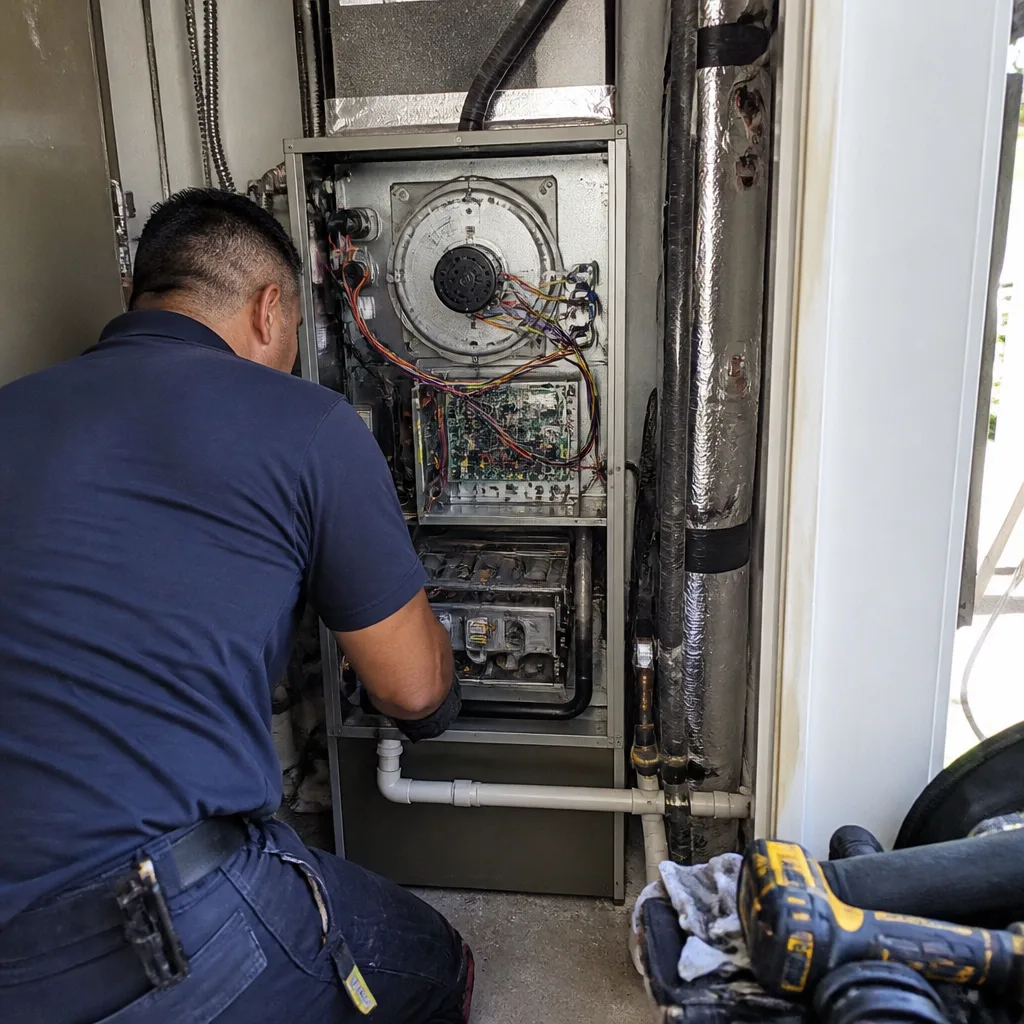 After
After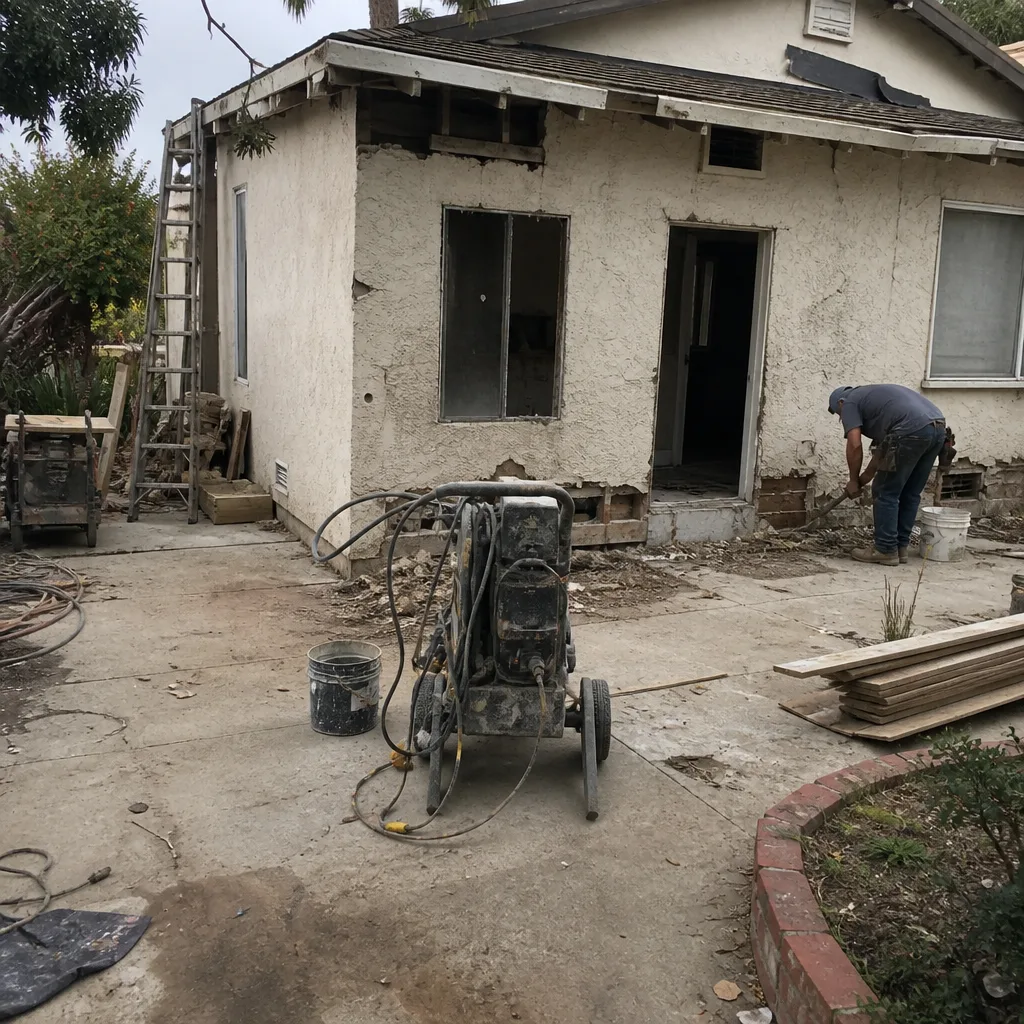 Before
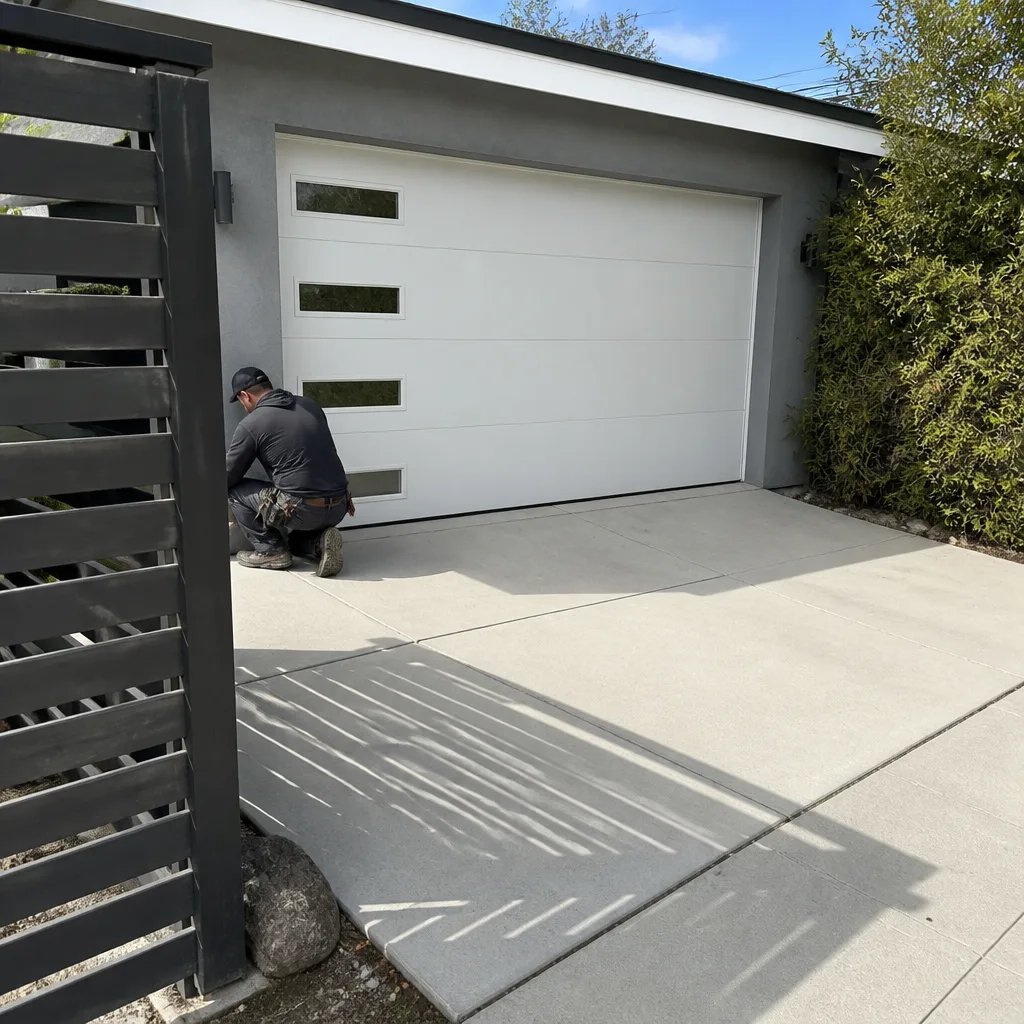 After
AfterWhen to Call a Professional
Some seasonal maintenance is genuinely DIY-friendly: clearing gutters, checking downspouts, trimming vegetation, and looking for visible cracks. But when you see signs of water inside your home, structural movement, roof damage, or drainage problems that involve grading changes, it’s time to bring in someone who does this work every day. At Sawyer Remodeling, we handle home renovation, bathroom remodeling, and larger structural or exterior projects across Los Angeles. For more guides & resources, visit our blog. Our process includes a written price before any work starts, live arrival time tracking, and before-and-after photo updates, so you always know who is coming, when they’ll arrive, and what it costs. Sawyer Remodeling offers free estimates in Los Angeles – call (254) 272-5876.
Frequently Asked Questions
For typical single-family homes in Los Angeles, seasonal maintenance costs break down roughly like this: gutter cleaning runs $150 to $400 depending on home size and access, roof inspections run $200 to $500, exterior caulking and sealing runs $500 to $2,000 depending on scope, and drainage work like French drains or re-grading can run $2,000 to $8,000 or more. A full roof replacement in Los Angeles typically ranges from $12,000 to $35,000 depending on roof type and materials. Call (254) 272-5876 for a written estimate tailored to your specific home.
No. Under The Relay Visibility Guarantee, every Sawyer Remodeling project gets a written price before any work begins, and the number on the invoice is the number you approved. Change orders only happen if you ask for additional work, and any change is priced in writing before the work starts.
Yes. Sawyer Remodeling handles permit applications through LADBS as a standard part of any project that requires a permit, including roofing replacement, structural work, and drainage system changes. We don’t ask you to pull permits yourself or suggest that work be done without them. If you’re unsure whether your project needs a permit, call (254) 272-5876 and we’ll tell you straight.
Timelines depend on scope. A roof inspection or gutter cleaning takes one visit. Exterior caulking and sealing typically takes one to three days. A full roof replacement usually takes one to two weeks. Drainage system work can take three days to two weeks depending on excavating and grading involved. Before your project starts, you’ll get a written timeline along with your written price, and we’ll send photo updates as the work progresses. Call (254) 272-5876 to get a specific timeline for your project.
October through December is the best window for roof replacement in Los Angeles. Temperatures are moderate enough for proper shingle sealing and the heaviest storms haven’t yet arrived. Avoid mid-summer if possible; the extreme heat makes roofing materials brittle and slows installation. If your roof is actively leaking, don’t wait for the ideal month. Call (254) 272-5876 and we’ll assess whether a temporary repair makes sense until a full replacement can be scheduled.
Ceiling stains, bubbling paint, warped baseboards, musty smells, and visible moisture in a crawl space are all signs that water has already entered your home. In Los Angeles, these problems don’t self-correct during the dry season. Trapped moisture behind walls and under floors continues to cause mold and rot even after the rain stops. If you see these signs after a storm, schedule an inspection with a contractor who can trace the water source. Call (254) 272-5876 for a free estimate.
The Bottom Line
Los Angeles home care works on a two-season system: fire season prep from September through November, and rain season prep from November through March. The weeks between Santa Ana season and the first real storm are prime time for exterior painting, caulking, and roof work. Post-rain inspections catch what pre-rain checks miss, especially in a city where eight dry months can hide a leak until the next storm exposes it. Drainage problems here become legal problems faster than almost anywhere else in the country. And if you’re uncertain whether a problem is cosmetic or structural, get a professional assessment before the damage compounds. Sawyer Remodeling has served Los Angeles since 2005, and every project runs under The Relay Visibility Guarantee. Call (254) 272-5876 to schedule a free estimate.
Written by Luca Romano, Owner at Sawyer Remodeling, serving Los Angeles since 2005.