Last updated October 9, 2026







Free written scope consultation - allowances, timeline, and change-order rules on paper before a single trade is scheduled
Construction Emergency Preparedness Guide for Los Angeles Homes
After the 2023 and 2024 atmospheric rivers, thousands of Los Angeles homeowners learned a brutal lesson: storm damage to unpermitted additions wasn’t covered by their insurance, and they found out when the adjuster was already standing in their living room. The house that seemed like a bargain, or the converted garage that worked fine for ten years, became a six-figure liability overnight. This guide is built around what we’ve seen on the ground in Los Angeles: earthquake cracks, post-fire debris assessment, flood-triggered foundation movement, and the scramble that happens when a house becomes the emergency. You’ll learn what to check before you re-enter, how to document damage the way adjusters actually need, which repairs you can legally do yourself, how to spot a disaster-chasing contractor, and what to have stored offsite before anything goes wrong.
Quick Answer
Construction emergency preparedness for Los Angeles homes means having three things ready before an earthquake, flood, or fire event: a structural inspection baseline (photos and records proving your home’s condition), a documented emergency contact list including a licensed general contractor, and a clear understanding of DIY vs Professional Bathroom Remodeling: What’s Safe to Do Yourself and which emergency repairs require permits and professionals. In the first 24 hours after an event, your job is documentation and safety assessment, not rushed repairs. Structural evaluation, gas line checks, and any work on foundations, load-bearing walls, or electrical service panels should always be handled by a licensed California contractor.
Styles & brands we work with






Table of Contents
- The First 24 Hours: Structural Inspection Checklist After an Earthquake
- How to Document Construction Damage for Insurance Claims
- Which Emergency Repairs You Can Do Yourself vs. Which Require a Licensed Contractor
- How to Spot a Disaster-Chasing Unlicensed Contractor
- Pre-Emergency Documentation: What to Store Offsite Before Anything Happens
- Los Angeles-Specific Risks: Earthquakes, Debris Flows, and Flood Zones
- The Permit Reality: How Unpermitted Work Affects Emergency Repairs in LA
- How to Vet a Licensed Contractor Before You’re in Crisis Mode
The First 24 Hours: Structural Inspection Checklist After an Earthquake
After a significant earthquake in Los Angeles, re-entering your home before checking for structural damage is the single most dangerous thing you can do. The shaking may have compromised load paths in ways that aren’t visible from the curb. Here’s the sequence we walk clients through, and it’s the same checklist our own team uses when we assess earthquake repairs in neighborhoods from Echo Park to the Valley.
- Check from the outside first. Walk the perimeter and look for a shifted foundation line, cracks in stucco radiating from window corners, a chimney that’s leaning or separated from the roofline, and any new gap between the house and the ground. If the house is off its foundation even a half inch, do not enter. Call a structural engineer or licensed general contractor.
- Look for the “soft story” tell. Los Angeles has thousands of older apartment buildings and single-family homes with tuck-under parking or large garage openings. If you see diagonal cracking in the walls above a garage door, or the garage header has dropped, the lateral load path failed. That’s an immediate structural concern.
- Check gas and water lines before any electrical switch is touched. If you smell gas, or hear hissing near the meter, shut off the gas at the meter only if you know how and only if it’s safe to reach. Do not flip light switches, use a flashlight that sparks, or plug anything in.
- Inspect interior shear walls. In Los Angeles building code, plywood shear wall panels do the heavy work of keeping a house upright in a quake. Look for nail heads that have popped, drywall cracks at diagonal angles through corners, and doors that suddenly won’t latch. A door that won’t close in a frame that worked yesterday means the wall moved.
- Document everything before you move or clean anything. Photos, video, notes with timestamps. Insurance adjusters need to see the post-event condition before you start shoveling debris or patching drywall.
In our experience, the homeowners who call us within the first 48 hours after an earthquake get faster insurance resolutions and avoid the expensive mistake of repairing cosmetic damage while structural issues continue to settle.
How to Document Construction Damage for Insurance Claims
The documentation you create in the first hours after damage determines how much your insurance company pays, how fast, and whether you get to choose your own contractor. Insurance adjusters in Los Angeles see thousands of claims after a major event, and the claims that get approved first are the ones with clear, timestamped, organized evidence. Here’s what actually matters.
What to photograph, in order:
- Wide establishing shots. Each damaged area needs a full-room photo showing context, not just a close-up of a crack. Adjusters need to see where in the house the damage is.
- Mid-range and close-up shots. For a crack, photograph it with a ruler or coin for scale. For water damage, photograph the water line on the wall, the floor material, and the source if visible.
- Sequential documentation. If a crack is growing, photograph it every 12 hours from the same angle. Growth is the difference between “cosmetic” and “structural” in a claim.
- Your home’s pre-existing condition. If you have photos of the area from before the event, include them. This is why the pre-emergency documentation section below matters.
Beyond photos, keep a written log: the date and time you first noticed damage, what you were doing, any aftershocks, any water intrusion, and every person you spoke with at the insurance company, including their name and what they told you. This is what separates a claim that gets paid in 30 days from one that gets fought for six months.
One thing homeowners in Los Angeles often don’t know: you are legally allowed to do “reasonable temporary repairs” to prevent further damage, and the cost is generally reimbursable under your policy. That means if a window is broken, you can cover it with plywood and submit the receipt. You cannot, however, start the permanent repair before the adjuster sees the damage, or you risk the claim being denied. The line is: prevent worsening, don’t begin restoration.
Which Emergency Repairs You Can Do Yourself vs. Which Require a Licensed Contractor
Construction Permits, Codes & Inspections in CA: What You Need to Know draws a clear line between homeowner-permitted work and work that requires a licensed contractor, and that line does not move just because there’s an emergency. In fact, the emergency makes the line more important. Unpermitted emergency repairs can void your insurance claim, and if a repair fails and hurts someone, you’re personally liable.
Repairs a homeowner can legally do in Los Angeles without a contractor:
- Temporary weatherproofing: boarding up broken windows, tarping a roof leak, sandbagging doorways
- Shutting off utilities: gas, water, and electrical main disconnects
- Removing debris from non-structural areas
- Minor drywall patches under 10 square feet in non-structural walls
- Replacing a broken light fixture only if the circuit can be de-energized at the breaker
Repairs that require a licensed contractor regardless of emergency status:
- Any work on a structural wall, beam, header, or foundation element
- Gas line inspection or repair: after an earthquake, gas line integrity must be verified by a plumber with a C-36 license or a licensed plumbing contractor
- Electrical panel work or wiring repairs: any energized work requires a C-10 electrical contractor
- Roof repairs that involve structural decking, not just shingle replacement
- Any repair that requires a permit: structural changes, foundation underpinning, retaining wall replacement over 3 feet, and most fire damage restoration
One misconception we hear often: “I’m handy, I can fix that crack in the foundation.” A foundation crack in a post-earthquake Los Angeles home is not a caulk-and-paint fix. It’s a sign that the ground moved under your house, and the repair requires maybe underpinning, maybe pier replacement, maybe a full elevation survey. We’ve been called in after homeowners spent $3,000 “fixing” a crack that was actually a symptom of a $40,000 foundation issue that kept spreading.
How to Spot a Disaster-Chasing Unlicensed Contractor
Every weather event in Los Angeles brings them out: pickup trucks with out-of-state plates, magnetic door signs that peel off, and door-knockers with “extra materials from a job down the street.” These are not contractors. They’re salespeople in work boots, and they cost Los Angeles homeowners millions every year. Here’s how to separate a licensed contractor from a disaster chaser.
Red flags that mean walk away:
- No California contractor’s license number on the truck, business card, or estimate. In California, the license number must appear on all advertising. Ask to see the physical license or verify it at CSLB (Contractors State License Board) online.
- A demand for a deposit larger than 10% or $1,000, whichever is less. California law caps the deposit a contractor can request before work begins.
- Pressure to sign today because “someone else is looking at the same repair.” Legitimate Los Angeles contractors are busy after a disaster, but they don’t use high-pressure sales tactics on someone whose house just cracked.
- No written estimate, or a written estimate that’s vague about scope. “Fix foundation, $25,000” is not a scope of work. You need line items.
- Out-of-state plates combined with a local address that turns out to be a PO box or a UPS Store.
What a legitimate Los Angeles contractor will do differently:
- Give you their license number without being asked, and it verifies as active on the CSLB website
- Provide a written estimate with a defined scope, before any money changes hands
- Pull permits for the work. A contractor who suggests “we can do it without a permit, it’ll save you money” is putting you at risk with the city of Los Angeles and your insurance company
- Show up in a company vehicle with permanently lettered graphics, not magnetic signs
We’ve been part of the Sawyer Remodeling team since 2005, and every estimate we write includes a written price before a single tool is picked up, under The Relay Visibility Guarantee. That’s not a marketing line; it’s the minimum standard for operating in Los Angeles after a disaster.
Pre-Emergency Documentation: What to Store Offsite Before Anything Happens
The homeowners who recover fastest from construction emergencies in Los Angeles are the ones who did paperwork before the ground shook. This section tells you exactly what to put in a fire-safe box, a bank safe deposit box, and a cloud drive, so that when the adjuster asks “what was the condition of the house before the event?” you have an answer with proof.
Create three copies of everything: one physical in your home’s fire-safe, one physical offsite (safe deposit box or a relative’s house), and one digital in the cloud.
What goes in the package:
- Full photo documentation of your home’s current condition. Every room, every exterior wall, foundation line, roof, water heater, electrical panel, and gas meter. Photograph from multiple angles with a timestamp. Update annually.
- All permit records and final inspection sign-offs. If you bought a home with an addition or remodel, pull the permits from the Los Angeles Department of Building and Safety (LADBS) and store the record. If permits don’t exist for work on your house, you need to know that now, not after the earthquake when the insurance adjuster finds out.
- Your current insurance policy declaration page, with coverage limits and exclusions highlighted. Pay specific attention to earthquake coverage (separate from standard homeowners insurance in California), flood coverage (also separate), and any rider for code upgrade compliance after a loss.
- Contact information for a licensed general contractor, plumber, and electrician you’ve already vetted. The worst time to start researching a contractor is the day after the earthquake. You’ll be making decisions in a hurry, and disaster chasers know it.
- A copy of your home’s floor plan, even a rough one. After a fire or flood, adjusters reconstruct from floor plans. If you don’t have one, sketch it and photograph every wall with measurements.
We tell every client we work with on a remodel or renovation in Los Angeles: the single most valuable document in an emergency is the photo you took of your foundation line last year, before the crack happened. That photo is the difference between “new damage” and “pre-existing condition,” and it’s worth tens of thousands of dollars.
Los Angeles-Specific Risks: Earthquakes, Debris Flows, and Flood Zones
Los Angeles is not one disaster profile. The hazards in San Pedro are different from the hazards in Woodland Hills, and both are different from the hazards in the hills above Glendale. Understanding which risks apply to your specific address changes what you prepare for and what you document.
Earthquake risk, by geography. The San Andreas Fault runs roughly 30 miles northeast of downtown LA, but the city has at least 40 active faults running beneath and near its neighborhoods. The Puente Hills fault, which runs from Orange County through the San Gabriel Valley toward Hollywood, is considered by seismologists to be the highest-risk fault for the Los Angeles basin, because it’s directly underneath the densest residential areas. A major rupture on the Puente Hills fault would shake the sediment-filled basin hard, and it’s why Los Angeles building code has the seismic retrofit ordinances it does.
Flood and debris flow risk. The 2023 and 2024 storms were not anomalies. Los Angeles is built on an alluvial plain with a network of concrete flood control channels, but the hillside neighborhoods above the city are prone to debris flows after fire seasons strip the vegetation. Post-fire debris flow is a documented killer in Los Angeles, and it’s why burn scar areas get mandatory evacuation orders during heavy rain. If your home is in a hillside area that burned in the last five years, your flood risk is elevated even if you’re outside a FEMA flood zone.
Wildfire-adjacent construction risk. Homes in the Santa Monica Mountains, the Verdugos, and the canyons above Malibu and Pacific Palisades are at direct flame risk, but the construction emergency extends well beyond the flame front. Smoke infiltration through attic vents, ember intrusion through gable vents, and the structural weakening of stucco and wood members from fire retardant drops are all repair scenarios we’ve assessed.
The practical takeaway: pull your address’s hazard map from the California Geological Survey and the City of Los Angeles’s Zone Information and Map Access System (ZIMAS). Know your fault zone, your flood zone, and your fire severity zone. That information changes your insurance conversation and your emergency planning.
The Permit Reality: How Unpermitted Work Affects Emergency Repairs in LA
This is the single most expensive surprise in Los Angeles real estate, and it happened to hundreds of homeowners after the 2023-2024 storms. Here’s the scenario: you bought a house with a converted garage that was done before you moved in, or a sunroom addition that was advertised as “permitted” but wasn’t. When the storm damages that addition, the insurance adjuster pulls records, finds no permit, and denies the claim for that portion of the structure. You are now personally liable for repairing work that was done years before you owned the house.
The city of Los Angeles has been aggressive about permit enforcement since the early 2000s, but thousands of unpermitted additions, garage conversions, and patio enclosures remain in the housing stock. They’re not all dangerous, but they are all uninsurable for the structure itself, and they can complicate emergency repairs.
What to do right now:
- Pull your home’s permit history from LADBS online. It’s free and takes 15 minutes.
- Compare what’s on file with what exists at the house. If there’s a room that doesn’t show on the permit record, that’s an unpermitted addition.
- If you find unpermitted work, talk to a licensed general contractor about the legalization process before you need an emergency repair. Legalizing a garage conversion is a long process involving as-built drawings, structural verification, and LADBS approval, but it’s far cheaper than a denied insurance claim after an earthquake.
In our experience, the legalization process for a typical unpermitted addition in Los Angeles runs between $15,000 and $50,000 depending on what needs to be brought up to code. That sounds expensive until you compare it to the cost of a denied claim on a $200,000 structure.
How to Vet a Licensed Contractor Before You’re in Crisis Mode
We’ve already covered how to spot the unlicensed door-knockers after an event. This section is about vetting the contractor you hope to call before anything happens, because the contractor who was already vetted, already trusted, and already on your phone is the one who gets called first and shows up fastest.
The vetting process we recommend for Los Angeles homeowners:
- Verify the CSLB license status. The license number should be active, with no pending disciplinary actions, and the license holder’s name should match who you’re talking to.
- Ask about their last five projects in your area. A contractor who works in Los Angeles regularly will name neighborhoods: Silver Lake, Mid-City, Tarzana, El Sereno. A contractor who’s vague about where they work is either new, or not local.
- Ask about their insurance, specifically workers’ compensation and general liability. In California, any contractor with employees must carry workers’ comp. If they don’t, and a worker gets hurt on your property, you’re liable.
- Ask for a written estimate on a small project first. The estimate tells you everything about how they work. Is it line-itemed? Does it specify materials by brand, or just say “tile” and “fixtures”? Does it include a timeline? Does it include a process for change orders?
- Ask what their process is when something goes wrong. Every contractor has callbacks. The difference is whether they answer the phone and whether they have a written guarantee. We operate under a 365-Day Done Right Promise: if it’s not done right, we make it right, and it’s backed in writing on every project. That’s a conversation your contractor should be willing to have.
As a general contractor serving Los Angeles, Sawyer Remodeling works under The Relay Standard: a live arrival time tracking, photo updates before and after, a written price before any work starts, and a digital invoice you pay from a link. That standard matters most when you’re not in crisis mode, because when the emergency happens, you already know exactly who’s coming and what it costs.
Common Mistakes to Avoid
- Starting permanent repairs before the adjuster documents the damage. You can tarp a roof and board a window, but if you begin replacing drywall or pouring concrete before your insurance company has documented the loss, you’re giving them a reason to deny the claim. Document everything first.
- Hiring the first contractor who shows up at your door. After a big Los Angeles weather event or earthquake, the door-knockers are usually unlicensed and gone within 60 days. They’re not going to warranty their work, and you’ll never find them when it fails.
- Assuming your insurance covers everything. Standard homeowners insurance in California does not cover earthquakes, floods, or debris flows without separate policies or riders. The time to read your declaration page is before the event, not after the adjuster explains what’s excluded.
- Ignoring small cracks because they seem cosmetic. A hairline crack that grows during aftershocks is a structural signal, not a cosmetic one. Photograph it, mark it, and if it widens, get a professional assessment.
- Allowing a contractor to skip permits on “temporary” repairs. In the city of Los Angeles, unpermitted structural work is never temporary. When you sell, the unpermitted repair becomes your problem, and in a disaster recovery scenario, your insurance company can use it to deny future claims.
- Skipping the pre-emergency documentation because it’s tedious. The hour you spend photographing your foundation and pulling your permit record now is worth more than any supply you can buy after the fact. We see the difference in claim outcomes every time a big event hits Los Angeles.
- Trusting a verbal estimate in an emergency. If it’s not in writing, it doesn’t exist. A legitimate Los Angeles contractor puts the price in writing before any work starts. A disaster chaser won’t.
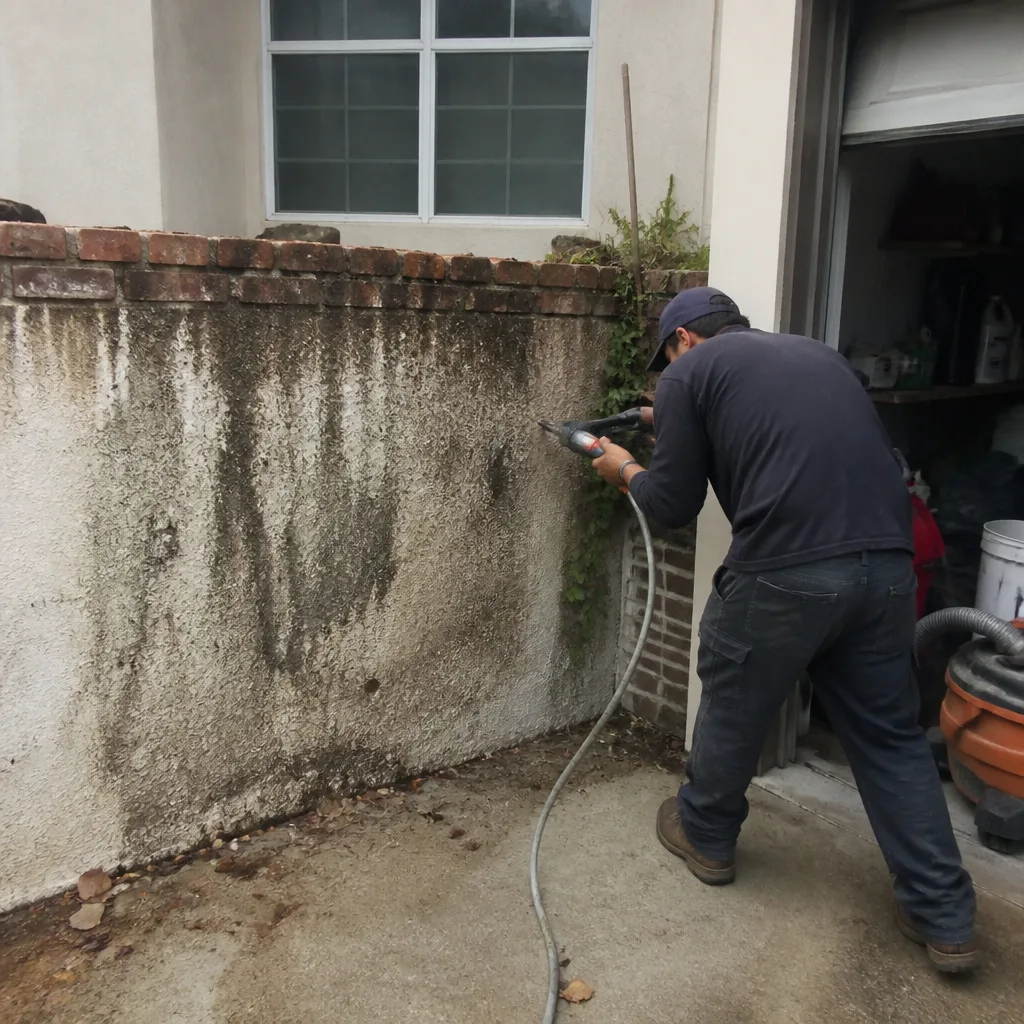
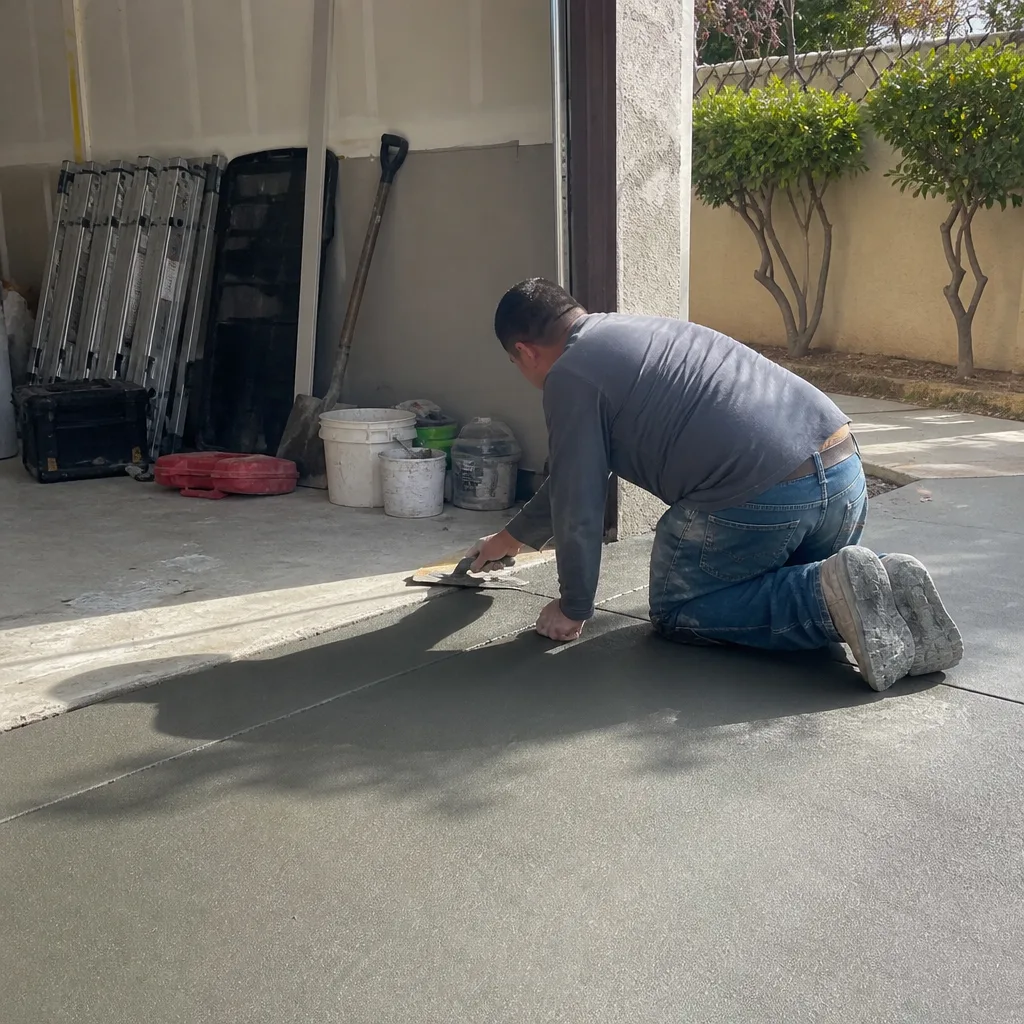
See the difference
 Before
 After
After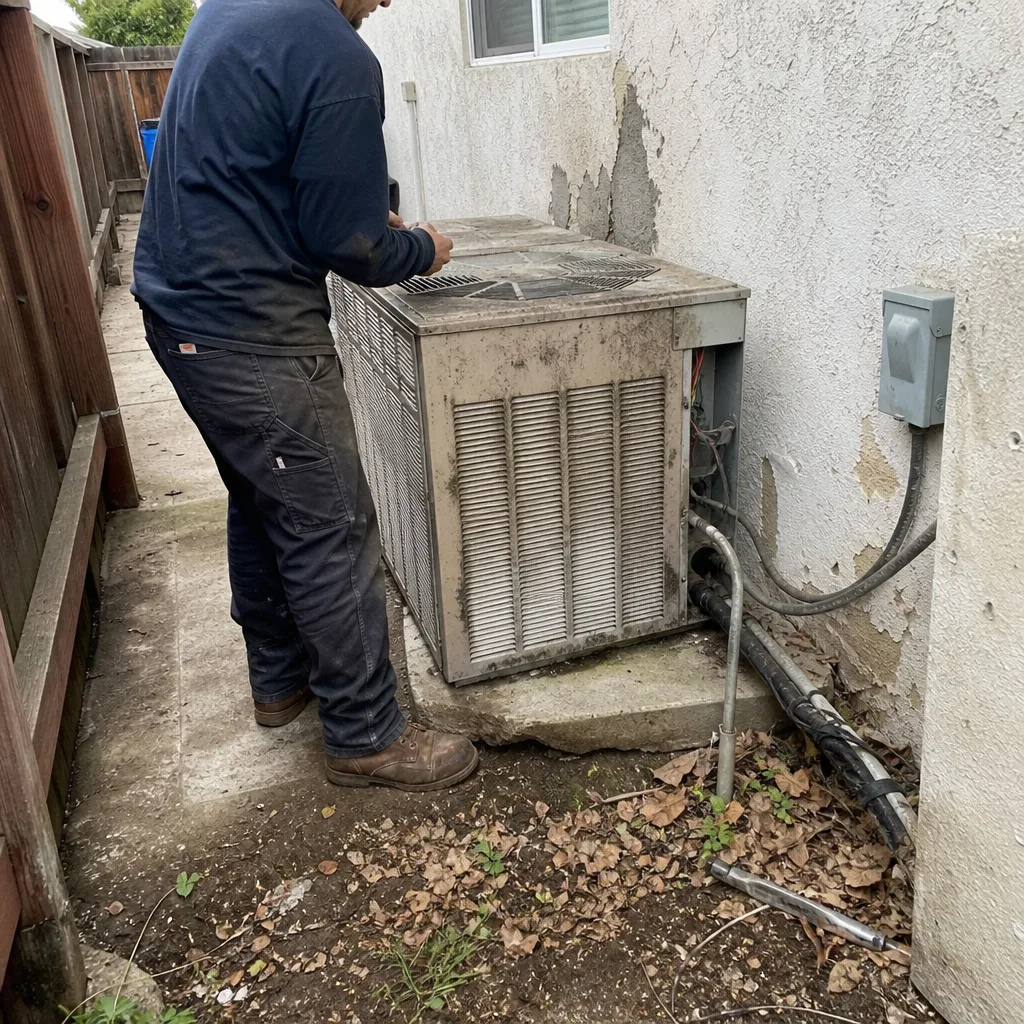 Before
 After
After Before
 After
AfterWhen to Call a Professional
Call a professional if you see any of these: foundation cracks wider than 1/8 inch or growing, a wall that’s off plumb (leaning) by more than a degree, a gas smell you can’t locate, water intrusion through a foundation crack after a storm, a roof that’s visibly sagging, or any electrical symptom like sparks, burning smell, or breakers that trip repeatedly. These are not DIY situations, and in Los Angeles, they’re also not situations where you have time to wait out the insurance process before getting a structural assessment. Sawyer Remodeling offers free estimates in Los Angeles, and our team includes general contractor services as part of the Sawyer Remodeling home team. Call (254) 272-5876 for a free estimate on any structural repair, water intrusion, or post-disaster assessment. If it’s a gas or electrical emergency, contact your utility first, then call us to coordinate the repair.
Frequently Asked Questions

Foundation repair in Los Angeles typically runs $15,000 to $60,000 depending on scope: a simple crack injection might be $2,000 to $5,000, while full foundation bolting and cripple wall bracing under a seismic retrofit ordinance can run $15,000 to $35,000, and a full foundation replacement on an older home can exceed $60,000. These are ballpark figures, not quotes; every house is different. Call (254) 272-5876 for a written estimate specific to your damage. Estimates are free.
No. Standard homeowners insurance in California excludes earthquake damage entirely. You need a separate earthquake insurance policy, typically through the California Earthquake Authority (CEA) or a private carrier, with deductibles ranging from 10% to 25% of your dwelling coverage. Most Los Angeles homeowners go without it because the premium and deductible are high, but after a major quake, the out-of-pocket cost of a full rebuild without coverage can run into the hundreds of thousands. Check your policy before you need it.
Yes, you can do temporary mitigation work: removing standing water, running dehumidifiers, cutting out wet drywall to prevent mold, and boarding up broken entries. What you cannot do is begin the permanent restoration, including structural framing, electrical, or plumbing work, without a licensed contractor and the appropriate permits. If you’re in a flood zone and the damage is substantial, call a licensed general contractor to assess before the drywall goes back. Sawyer Remodeling offers free estimates for water damage restoration scope in Los Angeles.
Pull your permit history from the Los Angeles Department of Building and Safety (LADBS) online using your address or property identification number. Compare the permitted footprint on file with the actual footprint. If there’s a room, addition, or converted space that doesn’t appear in the permits, that work was likely done without approval. A licensed contractor can also do a visual assessment and flag suspicious areas, but the LADBS record is the authoritative source. Unpermitted work affects your insurance and your ability to sell, so it’s worth knowing before an emergency.
Document it before you do anything else. Photograph the crack from multiple angles with a ruler for scale, note the time, and check whether it’s growing. If it’s growing, if the house is off its foundation, or if you see gas or water leaks, call a licensed general contractor to assess immediately. If it’s stable and cosmetic, you can monitor it, but any crack wider than 1/8 inch deserves a professional look. In Los Angeles, post-earthquake structural assessments run $500 to $1,500 for a full report. Call (254) 272-5876 and we can help you determine if a full assessment is warranted.
Yes. Sawyer Remodeling is a licensed general contractor serving Los Angeles since 2005, and we handle post-earthquake structural repairs, flood and water intrusion repairs, and general construction emergency response. We operate under The Relay Visibility Guarantee: a written price before any work starts, live arrival time tracking, and before-and-after photo updates on every project. Call (254) 272-5876 for a free estimate or to get on our vetted contractor list for your pre-emergency plan. Learn more about our work as a General Contractor in Los Angeles.
The Bottom Line
Construction emergencies in Los Angeles are not a matter of if, but when. The difference between a homeowner who recovers fast and one who’s fighting an insurance denial for a year comes down to what was done before the ground shook or the water rose: permit records pulled, foundation photographed, contractor vetted, and the line between DIY and professional work clearly understood. For more guides & resources, see our blog. Do that work now. It takes one weekend. And if you’re already past the emergency and standing in a cracked house, don’t guess: call a licensed Los Angeles contractor, get a written estimate, and document everything before you touch it. A disaster is expensive enough without making it worse with a bad decision in the first 48 hours.
Written by Luca Romano, Owner at Sawyer Remodeling, serving Los Angeles since 2005.