Last updated October 9, 2026
Free written scope consultation - allowances, timeline, and change-order rules on paper before a single trade is scheduled
The Complete Home Renovation Guide for Los Angeles Homeowners
Here’s a statistic that should stop you cold: The City of Los Angeles Department of Building and Safety processes roughly 200,000 permit applications a year, and in 2023 the wait for a standard residential inspection stretched past eight weeks in some districts. Homeowners who pull permits themselves sometimes wait months for an inspection that a contractor’s existing relationships and scheduling channels can fix in a week. This Home Renovation guide is built for Los Angeles homeowners who want to renovate without learning these lessons the hard way. You’ll learn what triggers a permit, what seismic rules apply to your house, how ADU laws have changed what’s possible, what renovation actually costs in LA, and how to verify any contractor before they step foot in your home.
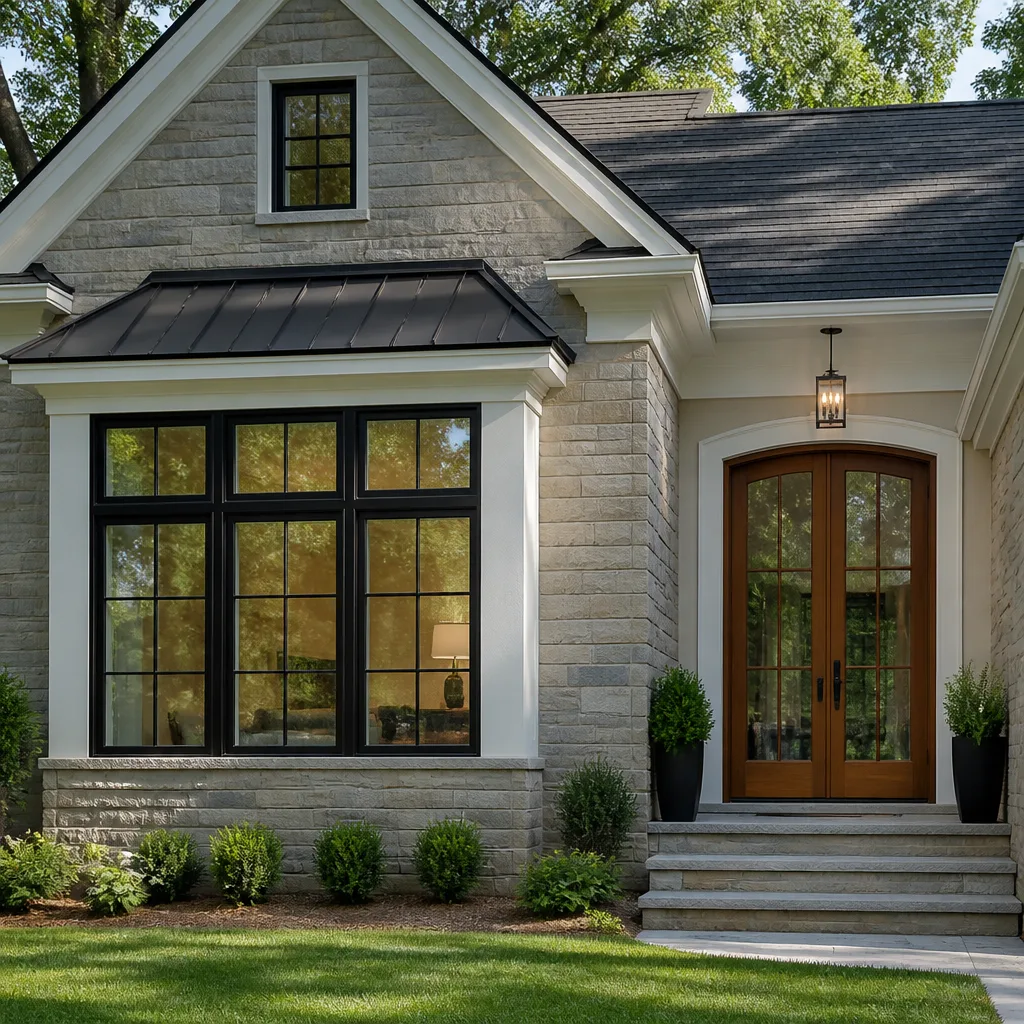
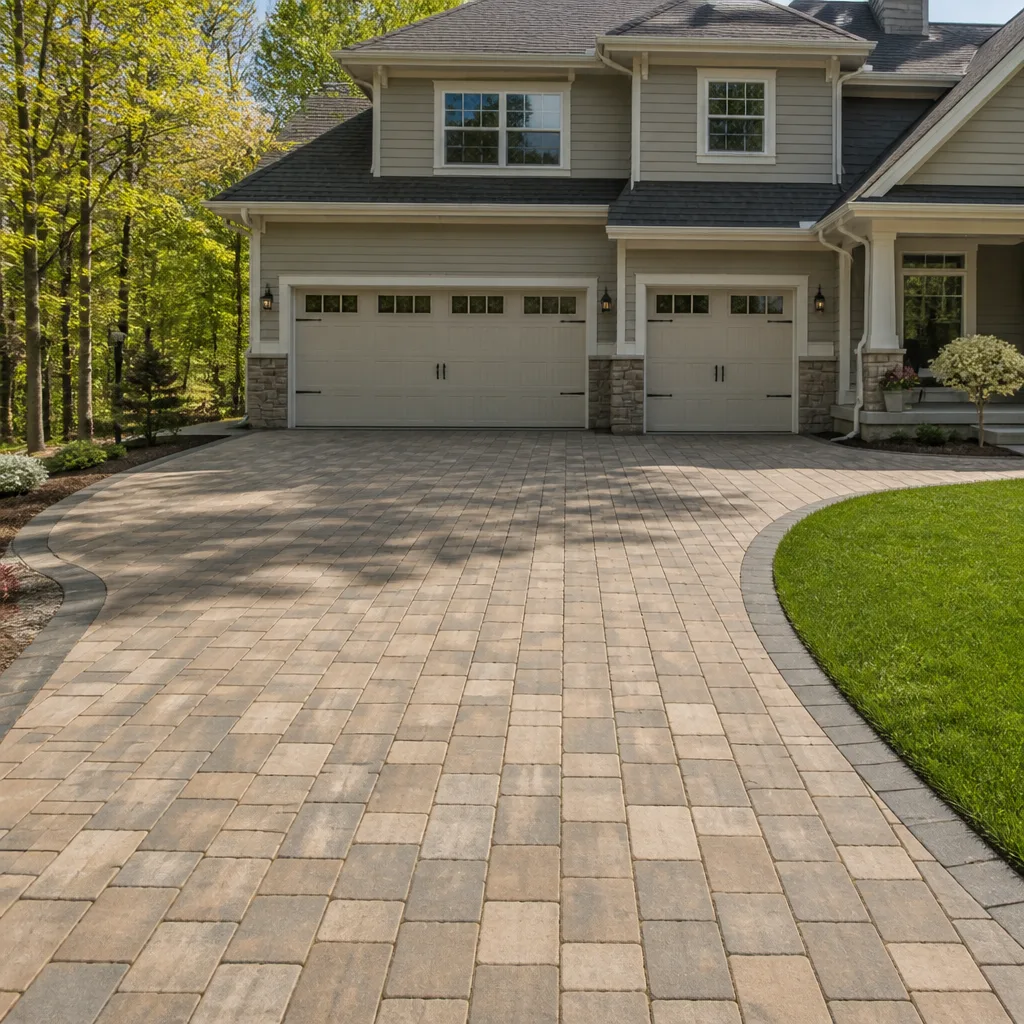
Styles & brands we work with

Quick Answer
Renovating a home in Los Angeles means navigating the LADBS permit system, complying with California seismic retrofit requirements for older homes, and budgeting 15 to 30 percent above national averages for labor and materials. Most kitchens run $250 to $450 per square foot, bathrooms $300 to $500 per square foot, and additions $350 to $600 per square foot depending on finish level and site conditions. Before hiring anyone, check their license on the CSLB website, confirm their insurance, and get a written price before work starts.
Table of Contents
- Understanding LA Permits: What Actually Triggers One
- Seismic Retrofits and Older LA Homes
- ADU Laws and What They Mean for Your Renovation
- Contractor Licensing in California: The CSLB Check
- What Renovation Actually Costs in Los Angeles
- The Renovation Process Step by Step
- Common Mistakes to Avoid
- When to Call a Professional
- Frequently Asked Questions
- The Bottom Line
Understanding LA Permits: What Actually Triggers One
The LADBS portal at ladbs.org is where every Los Angeles renovation permit application starts. But the first question isn’t how to apply. It’s whether you need a permit at all, and who pulls it: you or the contractor. The answer affects your liability and your timeline.
In Los Angeles, you generally need a permit for any work that changes the structure, the electrical system, the plumbing, or the mechanical systems. That means moving a wall, adding a bathroom, rewiring a room, moving a gas line, or replacing a water heater all require permits. You do not need a permit for cosmetic work: painting, flooring, countertops, cabinet refacing, or swapping a faucet for a new one in the same location.
Here’s a breakdown of common projects and whether they trigger an LADBS permit in Los Angeles:
- Kitchen remodel with layout change: Permit required. Moving the sink or range means moving plumbing and possibly gas lines, which triggers both plumbing and electrical permits.
- Bathroom remodel with fixture moves: Permit required. Moving a toilet or shower drain requires a plumbing permit and inspection.
- Cosmetic kitchen refresh (same layout, new surfaces): No permit required. New countertops, backsplash, and refaced cabinets don’t change structure or systems.
- Adding a bedroom or converting a garage: Permit required, and in most cases a zoning review, since LA zoning codes dictate setbacks, lot coverage, and parking requirements.
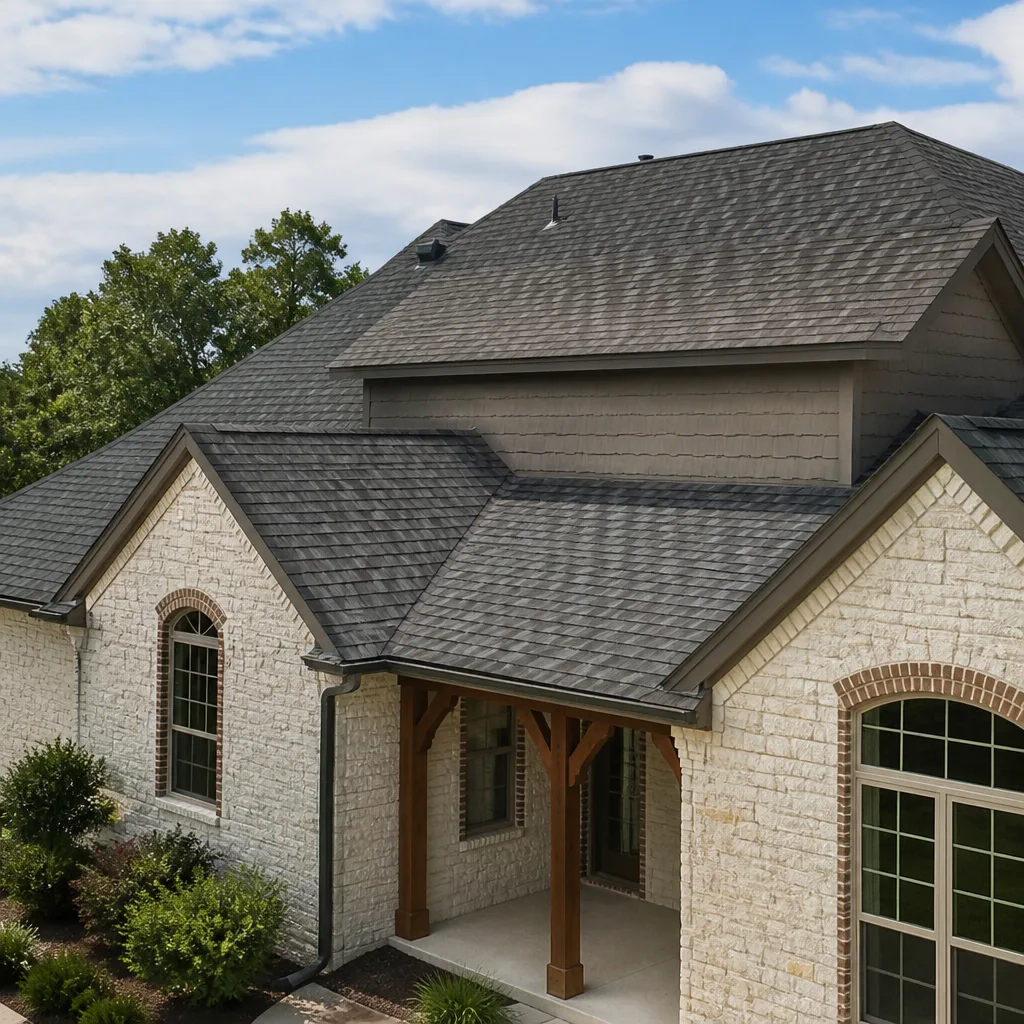
- Replacing a roof: Permit required for full tear-offs. A simple overlay of a second shingle layer is sometimes allowed without a full permit, but LA building code limits you to two layers total.
- Replacing a water heater: Permit required. This surprises many homeowners, but LA requires it for earthquake strapping compliance.
Now here’s the liability question. If you pull the permit yourself, you’re legally the “owner-builder” on the project. That means you’re responsible for the work meeting code, you’re on the hook for worker injuries if someone gets hurt on your property, and you’re the one the city contacts when an inspection fails. If you have a licensed contractor pull the permit, they carry the liability, their license is on the line with the city, and they schedule the inspections. The tradeoff: a contractor who pulls the permit is also the one who has to fix anything an inspector flags. That’s how it should work.
One more LA-specific wrinkle: some neighborhoods are in designated Historic Preservation Overlay Zones, which means even exterior paint colors and window replacements need additional review. If your home is pre-1940 and sits in a neighborhood like Hancock Park or Angelino Heights, check your HPOZ status on the LADBS site before you plan anything exterior-facing.
Seismic Retrofits and Older LA Homes
If your Los Angeles home was built before 1980, earthquake retrofitting isn’t optional planning. It’s a set of code requirements that can alter what a renovation project can include. And if you’re already opening walls for a remodel, that’s the cheapest time to do the retrofit work.
Los Angeles passed a mandatory retrofit ordinance in 2015 that targets two categories: soft-story buildings (typically apartments with parking on the ground floor) and non-ductile concrete buildings. Single-family homes are generally not covered by the mandate, but that doesn’t mean you get a pass. Here’s what matters for a house.
A typical pre-1980 Los Angeles home has a raised foundation with a short wood-framed wall called a cripple wall between the foundation and the floor. When an earthquake hits, the house can slide off the foundation if it isn’t bolted down, and the cripple wall can collapse sideways if it lacks plywood shear panels. A seismic retrofit addresses both: foundation bolting and cripple wall bracing.
If you’re renovating a pre-1980 home, especially one with a raised foundation, plan on a retrofit budget. Here are realistic LA numbers:
- Basic retrofit on a 1,200 square foot home: $5,000 to $8,000 for foundation bolting and cripple wall bracing, assuming no structural damage discovered during the work.
- Retrofit combined with a remodel in the same area: Reduce the retrofit cost by 20 to 30 percent, since the framing is already exposed and the crew is already on site.
- Full retrofit with foundation repair: $15,000 to $30,000 if the foundation has cracked or settled, which is common in older homes in neighborhoods like Silver Lake and Echo Park where hillside soil shifts over time.
There are also retrofit incentives. The California Earthquake Authority runs a program that offers grants up to $3,000 for qualifying homes, and some Los Angeles zip codes have additional local rebate programs. If you’re planning a renovation that opens foundation-level walls anyway, the retrofit is a smart add-on that your future buyer or insurance company will appreciate.
One thing we tell every homeowner with an older Los Angeles house: if your contractor suggests skipping the retrofit to save money, ask whether they carry earthquake coverage on their own insurance. That usually ends the conversation.
ADU Laws and What They Mean for Your Renovation
California’s ADU laws changed everything for Los Angeles homeowners. Since 2020, state law has largely preempted local restrictions, meaning cities like Los Angeles can’t say no to an accessory dwelling unit on your property as long as it meets basic size and setback rules. That means a garage conversion, a backyard cottage, or a second-story addition you previously couldn’t imagine is now legally possible on most LA lots.
The classic renovation scenario is the detached two-car garage. Under current California ADU law, you can convert that garage to a one-bedroom ADU as long as you replace the parking lost, and even that replacement requirement has been loosened significantly in recent years. In many cases, you don’t need to add a covered parking space at all if your property is within half a mile of public transit or in a historic district. That covers a huge swath of Los Angeles.
Here’s what the current rules allow in Los Angeles:
- Maximum size: 1,200 square feet for a detached ADU, with additional allowance for attached units depending on the primary home’s size. You can also build up to 800 square feet with no lot coverage limits in most single-family zones.
- Setbacks: Four feet from side and rear property lines for detached ADUs. Attached ADUs follow the same setbacks as the main house.
- Height: 16 feet for detached ADUs, 18 feet if the property is within half a mile of transit or if the ADU is above a garage.
- Parking: Not required if the property is within half a mile of a transit stop, in a historic district, or if the ADU is built within the footprint of an existing garage.
- Permit timeline: LADBS is required by state law to review ADU permit applications within 60 days. If the city doesn’t act, the permit is deemed approved. That’s a meaningful clock.
The renovation implication: if you’re already planning a full home renovation in Los Angeles, an ADU adds rental income or in-law space, but it also adds square footage costs, separate utilities, and a longer permit review. Plan the ADU as part of the full project scope from day one, not as an afterthought. There are also material cost implications: an ADU needs its own kitchen and bath, which means choosing surfaces you can trust. We’ve steered clients toward Cambria or Caesarstone for ADU countertops because the manufacturer warranty follows the slab, not the buyer, and that matters for a rental unit.
Contractor Licensing in California: The CSLB Check
Before you hire anyone for a renovation in Los Angeles, check their license on the California Contractors State License Board website. The URL is cslb.ca.gov, and the license lookup is on the front page. It takes 30 seconds and it’s the single most important thing you can do before signing a contract.
Here’s why this matters in Los Angeles specifically. LA has more licensed contractors than any other city in California, but it also has one of the highest volumes of unlicensed activity reports. The CSLB investigates thousands of unlicensed contractor complaints every year across Southern California, and Los Angeles County is always the top of that list. The penalty for unlicensed contracting over $500 is a misdemeanor, and the CSLB can issue a stop order while the work is in progress, which could leave you with a torn-apart house and an empty bank account.
But the license check isn’t just about making sure the number exists. You need to check the classification. California uses a letter system:
- Class B – General Building Contractor: Licensed to perform and oversee any residential construction project involving two or more unrelated trades. This is what you want for a full home renovation, kitchen remodel, or addition. At Sawyer Remodeling, we operate under this classification, which is why you’ll find our team on our General Contractor in Los Angeles page.
- Class C – Specialty Contractor: Licensed for one specific trade: C-36 is plumbing, C-10 is electrical, C-54 is tile, C-27 is landscaping. A C-27 landscaping license cannot legally perform a bathroom remodel, even if the contractor tells you they can.
- Class A – General Engineering Contractor: Licensed for civil engineering work like retaining walls over a certain height or hillside grading. Most home renovations don’t need this unless you’re doing major excavation.
There are also two other things to check on the CSLB license record. First, look at the workers’ compensation insurance status. If a contractor says they don’t need workers’ comp because they have no employees, that may be true, but if they have employees and no workers’ comp, you could be liable if a worker gets injured on your Los Angeles property. Second, check the bond status. The CSLB requires a $25,000 contractor’s bond, and if a contractor’s bond is canceled, their license is suspended, which means any work they do for you is technically unlicensed work.
This is the baseline we hold ourselves to, and it’s not a high bar. Any contractor who hesitates when you ask for their license number is telling you something. Our license is verifiable on the CSLB site, and every crew member who walks onto a Los Angeles job site has been background-checked before you ever see their face.
What Renovation Actually Costs in Los Angeles
National renovation cost guides are almost useless for Los Angeles. LA labor rates run 20 to 35 percent higher than the national average, and material costs are inflated by transportation and local supply chain realities. If you’re budgeting off a national average, you’re going to be short. Here are the real 2024-2025 Los Angeles numbers we see every week.
Kitchen Remodels
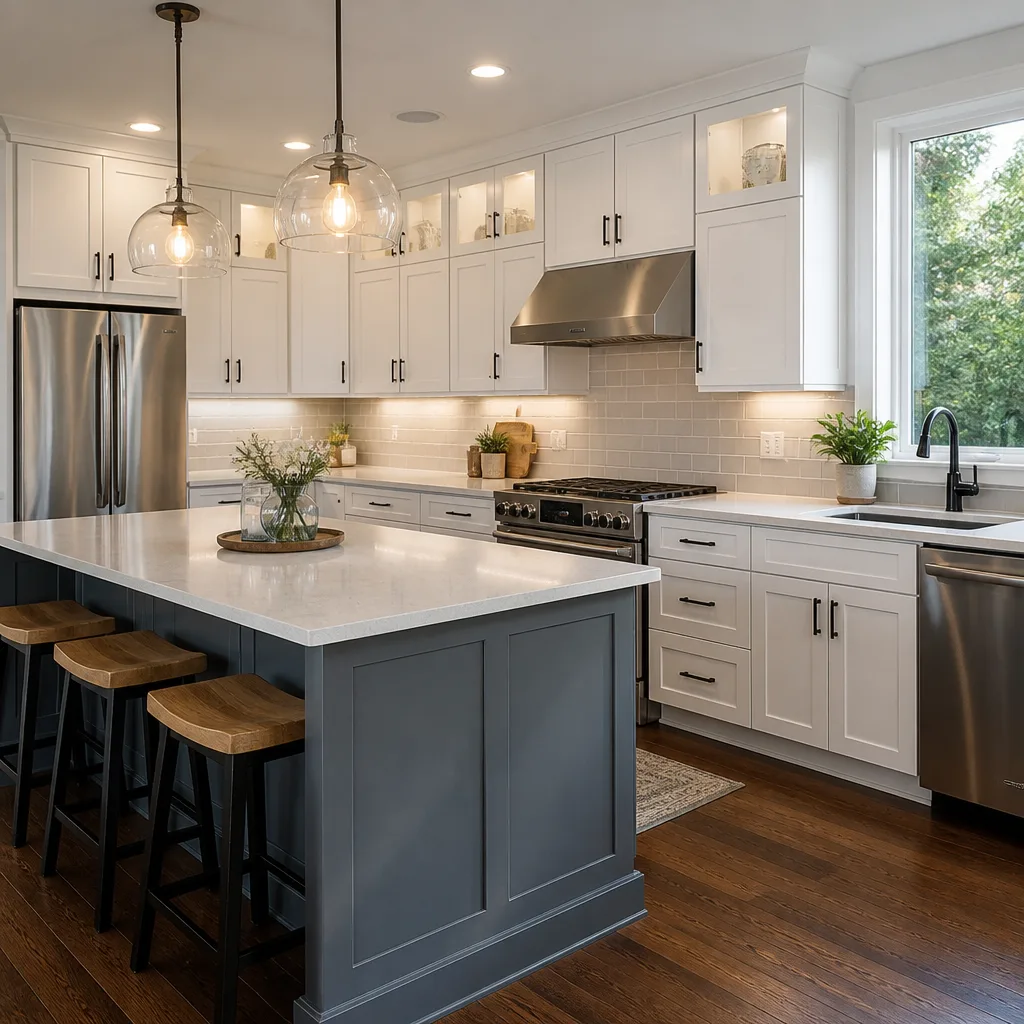
- Minor cosmetic refresh (paint, hardware, lighting, new faucet): $8,000 to $15,000 total. No permits needed.
- Midrange remodel with new cabinets, countertops, appliances, no layout change: $35,000 to $65,000, or $250 to $350 per square foot. KraftMaid or Wellborn cabinets, Cambria or Caesarstone counters, Kohler or Moen fixtures.
- Full gut remodel with layout change, new plumbing, new electrical, custom cabinetry: $65,000 to $120,000, or $350 to $450 per square foot. This is a permit-heavy project with inspections at every stage.
Bathroom Remodels
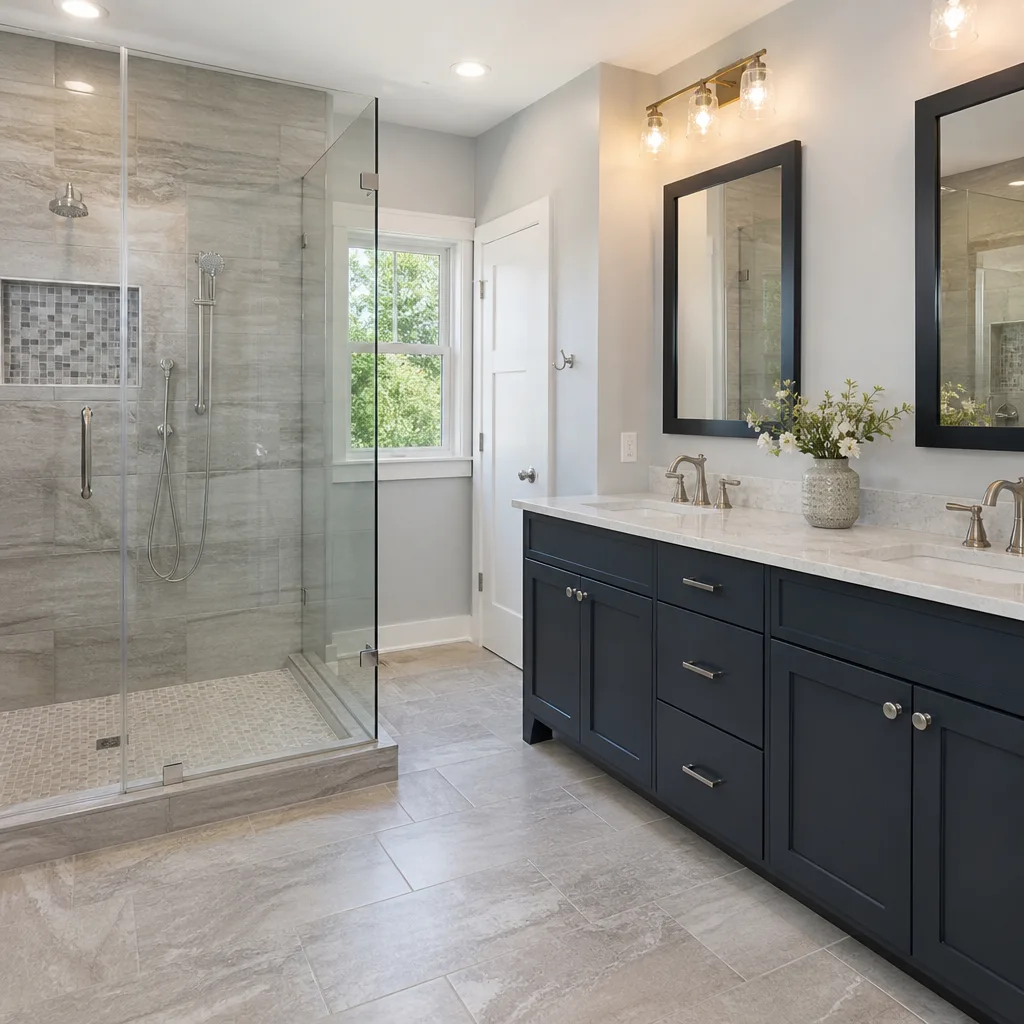
- Cosmetic refresh (new vanity top, faucet, paint, mirror): $7,000 to $12,000.
- Midrange remodel with tile shower, new vanity, new fixtures, no layout change: $25,000 to $45,000, or $300 to $400 per square foot. Kohler or Toto fixtures are typical at this level.
- Full gut remodel with layout change, custom tile, curbless shower, heated floor: $45,000 to $75,000, or $400 to $500 per square foot.
Additions and ADUs
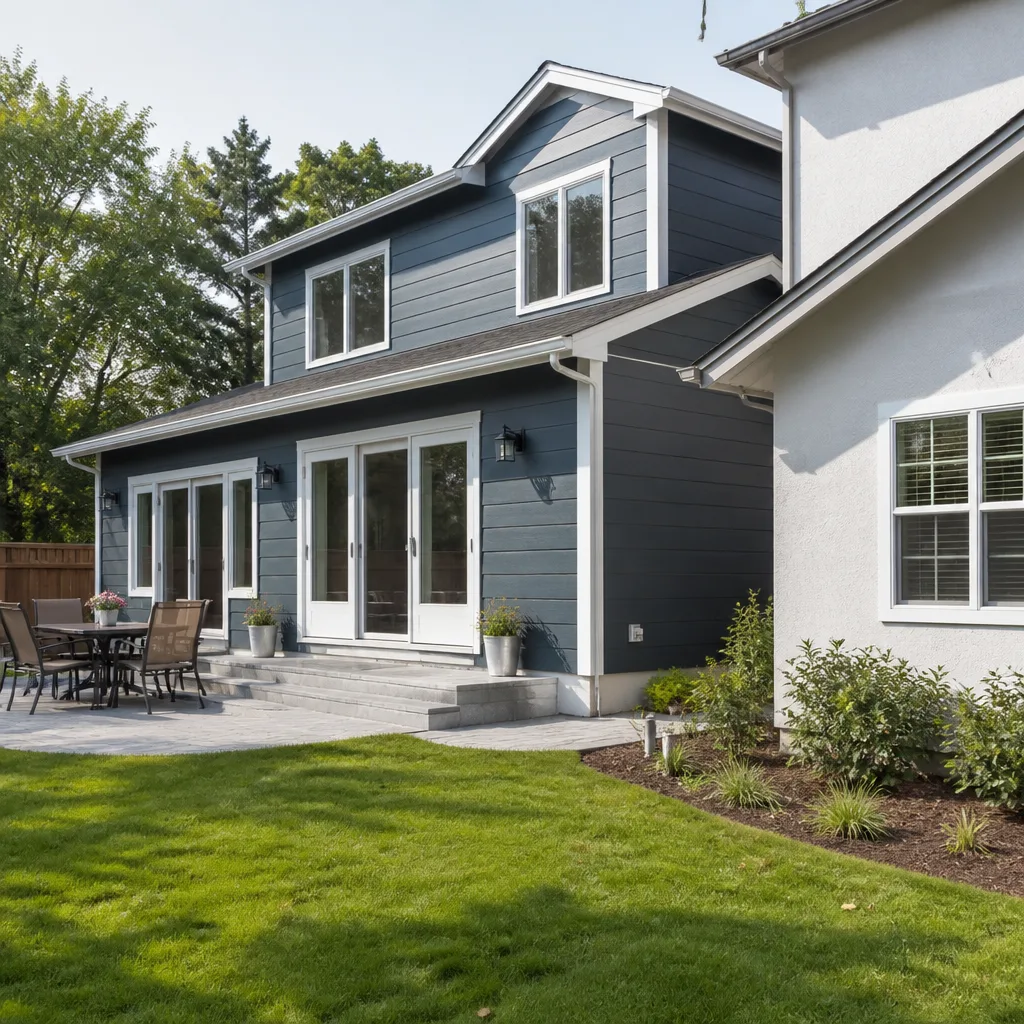
- Detached ADU, 400 to 800 square feet: $150,000 to $300,000, or $350 to $450 per square foot depending on finish quality and site conditions.
- Garage conversion to ADU, existing structure: $80,000 to $150,000, or $250 to $350 per square foot. You’re saving on foundation and framing.
- Full second-story addition, 800 to 1,200 square feet: $300,000 to $550,000, or $400 to $600 per square foot. The higher end reflects structural work to support the new load, which is common in older Los Angeles homes.
These ranges assume no major surprises. In Los Angeles, surprises usually come in three forms: outdated wiring that needs full replacement, sewer lines that need relining or repair, and termite damage hidden inside walls. A pre-1980 home in Los Angeles has a decent chance of hitting at least one of these. Budget 10 percent of the project total as a contingency, and if you don’t use it, you’ve come in under budget. If you’d like an exact number for your specific project, check out our Home Renovation in Los Angeles page for typical project timelines and pricing methodology, then call us for a free written estimate.
The Renovation Process Step by Step
Here’s the full sequence of a typical Los Angeles home renovation, from the first call to the final inspection. This assumes a permitted project like a kitchen remodel or bathroom remodel with fixture moves.
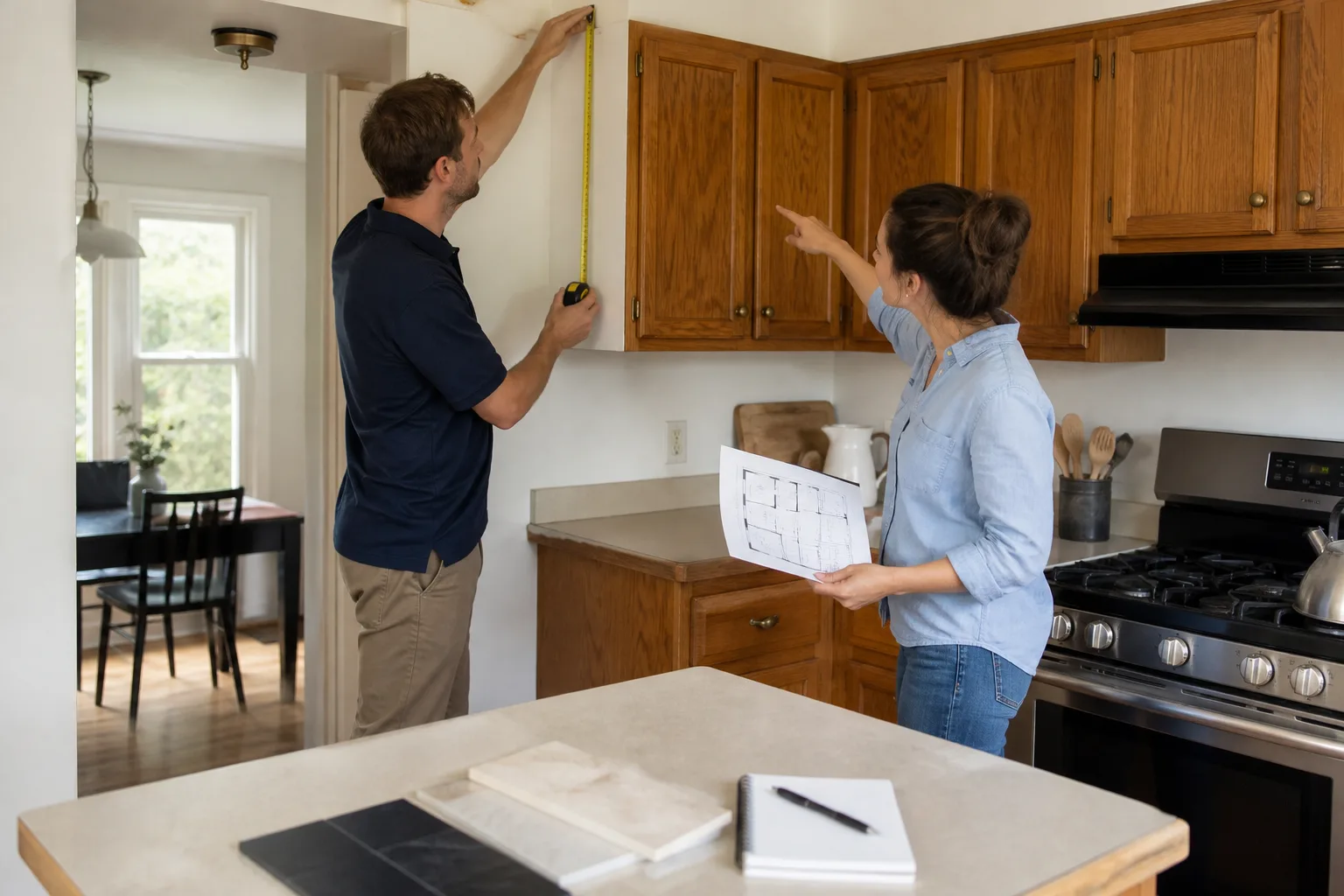
- Scope and written estimate: A contractor visits your home, measures, and provides a written price before any work starts. You should never have to chase an estimate. At Sawyer Remodeling, the written price is part of our standard process; it’s not an upgrade.
- Contract and deposit: California law caps residential contractor deposits at 10 percent of the total project price or $1,000, whichever is less. If a contractor asks for more than that before work starts, walk away. That’s a CSLB violation.
- Permit application: The contractor submits plans and permit application through the LADBS online portal. For a standard kitchen or bath remodel, plan review typically takes 2 to 6 weeks. For an ADU or addition, it can take 8 to 12 weeks.
- Demolition: The existing fixtures, surfaces, and sometimes walls come out. This is where hidden damage gets discovered. Good contractors tell you what they found the same day, with photos.
- Rough-in: New plumbing, electrical, and HVAC run before the walls close. This is the most inspection-heavy phase: the city checks the work before it’s covered.
- Drywall and finishes: Walls close, tile goes up, cabinets install, counters template and fabricate. This phase runs 3 to 6 weeks for a kitchen or bath.
- Final inspection: The city inspector visits to confirm the work matches the approved plans. Once this passes, the permit is finalized and the work is officially legal.
- Walkthrough and warranty: You walk the project with the contractor, note anything that isn’t right, and get it fixed. Our 365-Day Done Right Promise covers any issues that come up within a full year after closeout, in writing.
For a typical kitchen remodel, this process runs 8 to 12 weeks from first hammer to final inspection. A bathroom remodel is usually 4 to 8 weeks. A full addition or ADU can run 4 to 8 months, largely driven by plan review and inspection scheduling at LADBS. The timeline is a reality of Los Angeles construction; the key is working with a contractor who communicates at every step so you’re never left guessing.
Common Mistakes to Avoid
- Pulling your own permit to save money. You take on personal liability for the work, you’re responsible for worker injuries on your property, and you become the inspector’s point of contact. Let the licensed contractor pull the permit; that’s part of what you’re paying for.
- Skipping the seismic retrofit on a pre-1980 home. The cheapest time to retrofit is when walls are open. Adding it later costs 30 to 50 percent more because you’re paying for demo and repair twice.
- Not verifying the CSLB license before signing. In Los Angeles, unlicensed contractor activity is a year-round problem. The CSLB lookup takes 30 seconds and can save you from a project that gets stop-worked mid-demo.
- Budgeting off national averages. Los Angeles labor and material costs run 20 to 35 percent above the national norm. If you’re working off a generic guide number, you’re underfunding the project before it starts.
- Ignoring the ADU option. Many homeowners pay for a garage refresh when a garage conversion to an ADU would add a rental unit and long-term property value. The math has shifted dramatically in California’s favor since 2020.
- Hiring a specialty contractor for a general project. A Class C tile contractor can’t legally manage a full bathroom remodel. You need a Class B general contractor for any project involving multiple trades.
- Accepting “we’ll figure it out later” pricing. If a contractor won’t put the price in writing before work starts, the invoice will not match the handshake. Written pricing is a non-negotiable. At Sawyer Remodeling it’s been the standard since 2005 under The Relay Visibility Guarantee.
When to Call a Professional
Some renovation projects in Los Angeles are genuinely dangerous to DIY, not because the work is hard but because the stakes are high; our Construction Emergency Preparedness Guide for Los Angeles Homes explains why. Any project that involves moving load-bearing walls, altering gas lines, upgrading an electrical panel, or doing structural work on a hillside home should be handled by a licensed professional, no exceptions. A gas leak in a remodeled kitchen is catastrophic, a bad electrical connection in a wall is a fire waiting to happen, and a misjudged load-bearing wall in a Los Angeles earthquake zone is a life safety issue.
For anything beyond cosmetic work, the professional route is the only route that protects your home, your family, and your investment. Sawyer Remodeling offers free estimates in Los Angeles – call (254) 272-5876 and we’ll put a written price in your hands before any work starts. If you’re planning a bathroom project, our Bathroom Remodeling in Los Angeles page covers specific timelines and material options. And if you’re exploring a larger whole-home project, start at our Sawyer Remodeling home page to see the full scope of what we do.
Frequently Asked Questions
A full home renovation in Los Angeles typically runs $150,000 to $400,000 for a 1,500 to 2,500 square foot home, depending on finish level and whether you’re moving walls or systems. That translates to $150 to $250 per square foot for a whole-home renovation. Los Angeles labor and material costs run 20 to 35 percent above national averages. Call (254) 272-5876 for an exact written estimate on your specific home and scope.
You need a permit in Los Angeles for any kitchen remodel that moves plumbing, electrical, or gas lines, or changes the floor plan. A cosmetic refresh that keeps the same layout and replaces only surfaces and fixtures generally doesn’t require a permit. If you’re unsure whether your project triggers a permit, call LADBS or a licensed contractor before you start. We can tell you in one phone call whether your project is permit-triggered.
Detached ADUs in Los Angeles require four-foot setbacks from side and rear property lines. Attached ADUs follow the same setbacks as the primary residence. If your ADU is being built within the footprint of an existing garage, additional setback relief applies in many cases. The exact zoning rules depend on your lot, so a site visit is the best way to get a definitive answer.
Go to cslb.ca.gov and enter the contractor’s name or license number in the license lookup tool. Confirm that the license is active, the classification matches your project type (Class B for full renovations), and the workers’ compensation and bond status are both current. If anything is missing or suspended, do not sign a contract. This takes 30 seconds and it is the single most important step in hiring anyone in Los Angeles.
It should not, if the contractor’s pricing is truly written and specific. Unexpected conditions like termite damage or outdated wiring can increase the cost, but those should be documented, communicated immediately, and agreed to in writing before any additional work proceeds. A contractor who quotes a low number and then changes the price mid-project without justification is not operating under a written-price standard. Our process at Sawyer Remodeling is simple: the written price you approve is the price on the invoice, and any changes are separate line items you sign off on first.
A kitchen remodel in Los Angeles typically takes 8 to 12 weeks from start to final inspection. A bathroom remodel runs 4 to 8 weeks. Additions and ADUs can run 4 to 8 months, largely due to LADBS plan review and inspection scheduling. The timeline is set by the permit process more than the construction itself. Working with a contractor who communicates at every step is the difference between a project that feels smooth and one that feels like it’s being managed by smoke signals.
The Bottom Line
Renovating a home in Los Angeles is a different sport than renovating anywhere else. The LADBS permit system, the seismic retrofit rules for older homes, the ADU laws that have opened up new possibilities, and the CSLB licensing requirements are all specific to this city, and they all have traps for homeowners who don’t know where to look. Do the CSLB check, budget for LA prices rather than national averages, pull permits through a licensed contractor, and get everything in writing. For more guides & resources, explore our blog. If you do those four things, the renovation will go as smoothly as any project in this city can go. If you skip even one of them, the cost is almost always a delay, a budget overrun, or a legal headache.
Written by Luca Romano, Owner at Sawyer Remodeling, serving Los Angeles since 2005.
See the difference
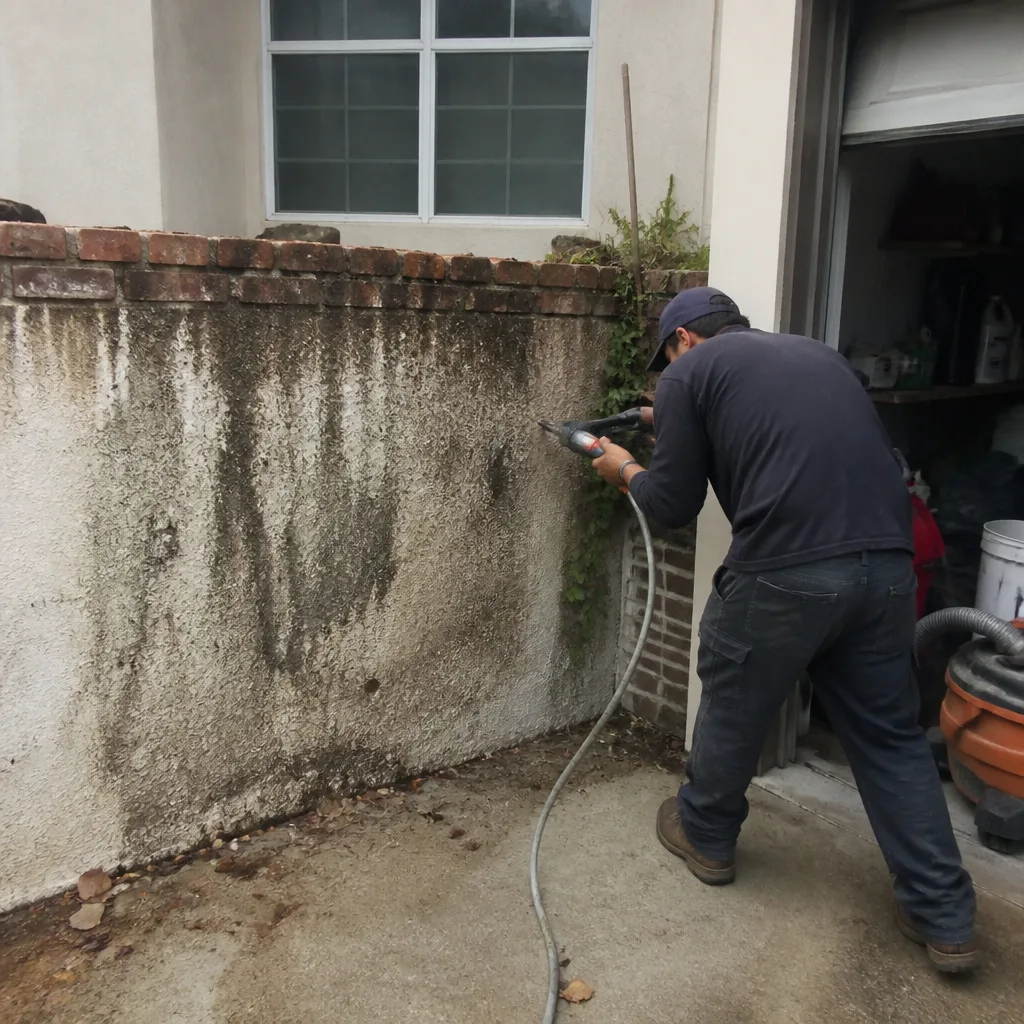 Before
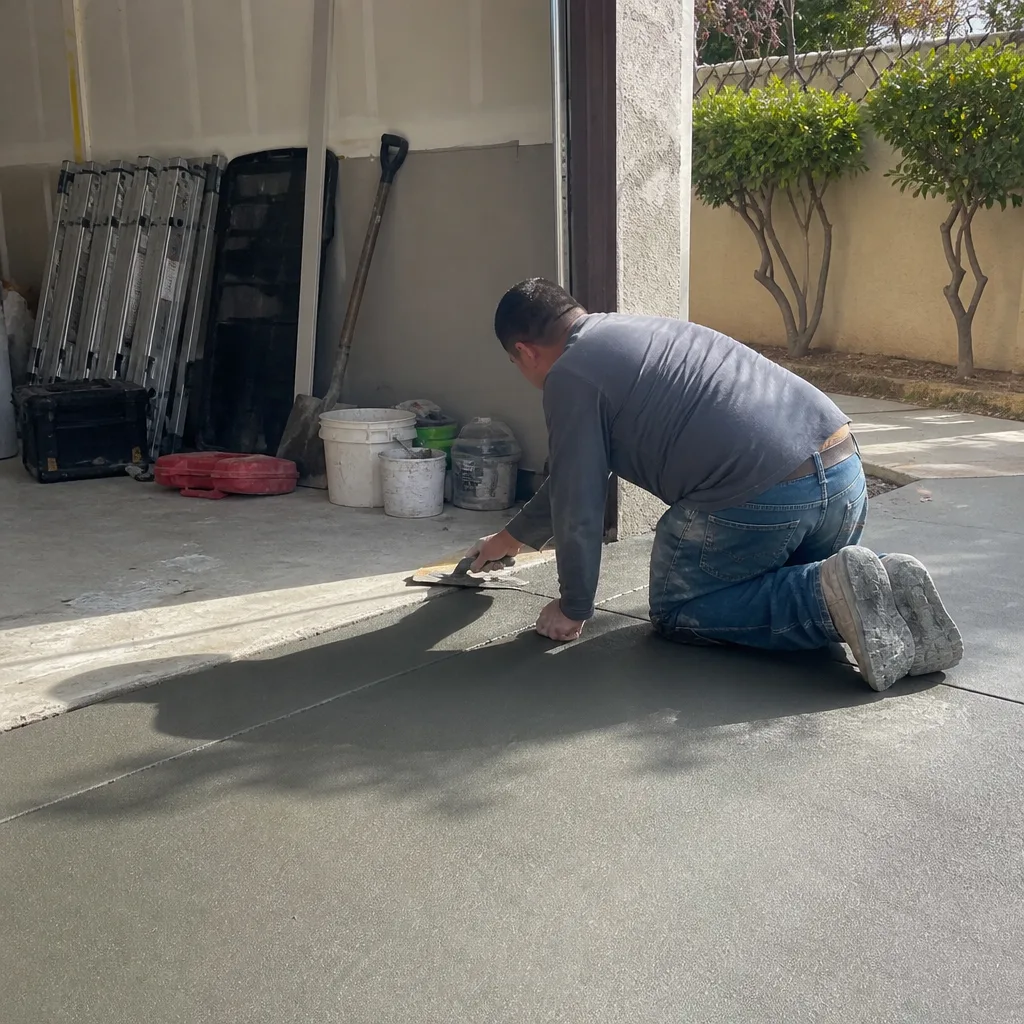 After
After Before
 After
After Before
 After
After