Last updated October 9, 2026







Free written scope consultation - allowances, timeline, and change-order rules on paper before a single trade is scheduled
General Contractor Warning Signs Every Homeowner Should Know
The California Contractors State License Board (CSLB) fields over 20,000 complaints every year. Read that again. Twenty thousand homeowners, in a single state, reaching the point where they file a formal grievance about a contractor. And here’s the uncomfortable pattern that runs through nearly all of them: the homeowner knew something felt wrong in the first phone call or the first meeting, but they couldn’t name what it was. So they signed anyway. In Los Angeles, where remodeling demand is relentless and the contractor pool is enormous, the gap between a great experience and a legal battle often comes down to about six or seven signals you can learn to read before a dollar changes hands. This guide teaches you those signals.
Quick Answer
The strongest warning signs aren’t mid-project disasters, they’re behavioral patterns in the first conversation and the contract review. A quote with no line-item detail, a contractor who resists pulling permits before work starts, a contract that keeps change-order language vague, and slow or verbal-only communication in week one collectively predict cost overruns, delays, and abandonment more reliably than any online review. Train yourself to spot these four patterns before you sign, and you’ll avoid the contractor experiences that produce CSLB complaints in Los Angeles every week.
Styles & brands we work with






Table of Contents
- Why a Quote Without Line-Item Detail Is a Structural Red Flag
- Contract Language That Signals Change Orders Will Be Used as a Profit Mechanism
- How to Use the CSLB License Check Before You Sign
- Why “I’ll Pull the Permit After We Start” Is a Code Violation, Not a Scheduling Preference
- First-Week Communication Patterns That Predict Ghosting
- How Contractors Structure Deposits to Lock You In
- Material Substitution Language and the Supplier Mystery
- Insurance and Bond Gaps That Leave You Exposed
Why a Quote Without Line-Item Detail Is a Structural Red Flag
When a contractor hands you a quote that says “Bathroom remodel: $34,000” and nothing else, you’re not looking at a price. You’re looking at a blank check. A legitimate quote breaks the work into categories: demolition, plumbing, electrical, waterproofing, tile setting, fixtures, finish carpentry, permits, and so on. Each line carries a material allowance and a labor figure. If the quote you’re holding doesn’t do that, the contractor has either not thought through the project carefully enough to price it accurately, or they’ve deliberately left themselves room to reinterpret the number later. Both are problems.
In our work across Los Angeles, we see this most often on mid-size projects where the homeowner has a specific vision but no design documents. A contractor who quotes a single top-line number for a kitchen or bath hasn’t specified which surfaces, fixtures, or finishes that number includes. When you later choose a Cambria quartz countertop instead of a builder-grade laminate, the contractor can claim that was never in the original scope. You now owe more. That’s not a change in the project. That’s a defect in the quote.
Here’s what an itemized quote should include at minimum:
- Demolition and debris removal, with a specific allowance for dump fees and hauling
- Plumbing rough-in and finish, including fixture installation labor
- Electrical rough-in and finish, including fixture and outlet counts
- Waterproofing method and materials, by name where possible
- Tile or flooring material with a per-square-foot allowance, not just a total
- Cabinet sourcing, with a specific line or grade named
- Permit fees as a separate, identified line
- Contingency, stated as a percentage and capped
If your contractor pushes back when you ask for itemization, that’s a signal. The pushback usually sounds like “I can break it out once we’re under contract” or “I’d rather not nickel-and-dime you on line items.” What they’re really saying is that the detailed version won’t survive your scrutiny. A written, line-item price before work starts is not a courtesy. It’s the minimum standard. Sawyer Remodeling operates under a written-price policy for exactly this reason: the number you approve is the number you’ll see on the invoice, because every category is priced before a tool is picked up. Learn more about our General Contractor services.
Contract Language That Signals Change Orders Will Be Used as a Profit Mechanism
Change orders are a normal part of construction. Walls hide things. Rot appears. Pipes are routed where no one expected. A healthy contract anticipates this. A predatory contract hides behind it.
The phrase to watch for is any variation of “additional work to be billed at contractor’s discretion” or “owner shall pay any increase in cost of work as determined by contractor.” That’s not a change-order process. That’s an open line of credit in the contractor’s name. The contract should specify how change orders are priced, how they’re approved, and what happens when the two parties disagree. If it doesn’t, every surprise behind a wall becomes a profit event, and you have no leverage.
What a fair change-order clause looks like:
- Written approval required: No extra work starts until you sign a change order describing the scope, the price, and the schedule impact.
- Market-rate pricing: The contractor prices changes at the same labor and material rates as the original contract, not a premium hidden in the fine print.
- Right to refuse: You can decline a proposed change and request that the original scope proceed unaltered.
- Cap on aggregate changes: If the contractor expects the unexpected, they can price the risk. If they keep the contingency open-ended, they haven’t priced it.
In Los Angeles, where mid-century homes hide knob-and-tube wiring and pre-code plumbing, the surprise-behind-the-wall moment is almost guaranteed. That’s not a reason to sign an open-ended contract. It’s a reason to demand the opposite. A contractor with experience in your type of home should be able to tell you what they typically find, what it typically costs, and how the contract handles it. If they shrug and say “we’ll figure it out when we open it up,” you’re not hiring experience. You’re hiring a process that will discover costs on your dime.
How to Use the CSLB License Check Before You Sign
The single highest-value hour you’ll spend before hiring a contractor in Los Angeles is on the CSLB website. It’s not complicated. It’s not optional. And it reveals information that no online review platform will show you.
Here’s the step-by-step:
- Go to cslb.ca.gov and click “Check a License.” You’ll need the contractor’s license number, which by law must appear on their ads, their truck, and their contract.
- Verify the license is active and current. An expired license is not a technicality. It means the contractor cannot legally work in California, and you lose most CSLB remedies if something goes wrong.
- Check the “workers’ compensation” field. If the contractor has employees and no workers’ comp policy, a worker injured on your property can file a claim against your homeowner’s insurance. You don’t want that.
- Check the “Bond” field. Every California contractor must maintain a $25,000 contractor’s bond. If the bond is lapsed, the contractor is out of compliance.
- Look at the “Complaints” and “Legal Actions” tabs. This is the gold mine. Any CSLB complaint, citation, or arbitration award appears here. A single old complaint doesn’t necessarily disqualify someone. A pattern of recent complaints about the same issue, like abandonment or failure to pay subs, is a disqualifying signal.
- Check the classification. A “B” license covers general contracting. A “C-36” covers plumbing. If you’re hiring a general contractor for a full remodel and their license only covers a specialty trade, they’re not licensed for what they’re selling.
We tell Los Angeles homeowners to run this check even when a referral comes from a friend. Referrals are valuable, but they’re not insurance. The CSLB database is free, takes ten minutes, and shows you things about a contractor’s legal and disciplinary history that no dinner-party recommendation ever will.
Why “I’ll Pull the Permit After We Start” Is a Code Violation, Not a Scheduling Preference
In California, permits must be pulled before the work that requires them begins. Not after. Not during. Before. Any contractor who tells you they’ll start demo on Monday and “get the permit figured out” by mid-week is describing a plan that violates state code and puts your project at risk of a stop-work order from the Los Angeles Department of Building and Safety.
The reasons a contractor suggests pulling the permit later are never about your schedule. They’re about their own:
- They want to start before the permit is approved because they’re booked and they don’t want a gap in their calendar. That’s their problem, not yours.
- They don’t have the license or insurance status to pull the permit in their own name, so they’re hoping to structure it through a sub or an “arrangement.” That’s a red flag on top of a red flag.
- They want to avoid the inspection cycle by burying work that should be inspected. Rough plumbing, electrical, and waterproofing are inspected before they’re covered. Skip the permit, skip the inspection, and no one sees what’s behind your tile until it fails.
- They’re planning unpermitted scope, like converting a garage to living space or adding a bathroom where the drain system can’t legally handle it.
Permits protect you in ways that warranty language never will. An inspector’s sign-off is a third-party verification of work you probably can’t evaluate yourself. When you sell your Los Angeles home, unpermitted work surfaces in the disclosure process and can kill a deal or cut the price. When unpermitted work fails, your insurance company has grounds to deny the claim. The permit is not bureaucracy. It’s your protection. Home renovation in Los Angeles without proper permits is a liability you carry long after the contractor has moved on to the next job.
First-Week Communication Patterns That Predict Ghosting
The contractor who will ghost you mid-project leaves traces in week one. We’ve watched this pattern repeat across Los Angeles for years, and the early signals are remarkably consistent. When you see them in combination, you’re not looking at a busy contractor. You’re looking at a future unanswered text.
Here are the early communication patterns to track:
- Response time stretches before the contract is signed. If it takes three days to get a quote revision during the sales process, it will take three weeks to get a change-order answer once the deposit clears.
- Verbal-only commitments. “I’ll add that to the scope, don’t worry” has no evidentiary value. If a scope change isn’t confirmed in writing, it didn’t happen. Contractors who resist putting things in writing are protecting their option to forget.
- No written confirmation of the schedule. A start date that lives only in conversation is not a start date. The contract should state a start window and a substantive completion window. Without it, “soon” stretches indefinitely.
- The salesperson is not the person who will run your job. Ask who your daily point of contact will be, and get their name and direct number. If the salesperson says they’ll “stay involved,” that’s a hedge. You need the name of the person who will answer calls during construction.
The Relay Visibility Guarantee that our Sawyer Remodeling team runs under exists to eliminate exactly this class of problem: a live arrival time so you’re not waiting through four-hour windows, before-and-after photo updates so you have a visual record, and a written price so there’s no memory contest about what was agreed. For Home Renovation Troubleshooting: Common Problems and How to Fix Them, see our dedicated guide. If a contractor can’t describe how they’ll keep you informed before you’ve hired them, they will not suddenly develop the skill after they’ve been hired.
How Contractors Structure Deposits to Lock You In
California law caps the down payment a contractor can collect at 10% of the project total or $1,000, whichever is less. That’s not a guideline. That’s Business and Professions Code section 7159. Any contractor asking for more than that before work begins is telling you they don’t respect the law that governs their own trade.
The deposit question matters because of what it tells you about how the contractor runs their business. A contractor who asks for 50% upfront is either:
- Under-capitalized and needs your money to buy materials for your job, which means they’re financing their operations on your back
- Signaling that cash flow is tight, which tends to mean they’re juggling multiple jobs and rationing attention
- Planning to keep the money and delay the work, which is the classic abandonment pattern that CSLB complaints are full of
A properly structured payment schedule ties progress payments to completed milestones: rough inspection passed, drywall hung, tile set, fixtures installed. Each payment is tied to something you can see and verify. The final payment, typically 10% or the final milestone, is held until punch-list items are complete and you’ve done a final walk-through.
In Los Angeles, where housing costs mean even a modest remodel is a six-figure project, a 10% deposit is still a meaningful commitment. Don’t let a contractor reframe the legal cap as a sign of distrust. The cap exists because enough California homeowners got burned by large deposits that the legislature wrote the number into law. The contractor who follows it without friction is the one who’s not planning to need your money to stay solvent.
Material Substitution Language and the Supplier Mystery
Read the materials section of a contractor’s contract carefully. If it says “or equivalent” next to every product name, you’re signing up for a mystery. “Kohler faucet or equivalent” means you’ll get a Kohler if the contractor’s supplier happens to have the model in stock. It also means you might get a house-brand faucet from a supply house you’ve never heard of, and the contractor will call it equivalent. It isn’t.
Material substitution language matters because materials are the most visible, most tactile part of the job. In our bathroom remodeling work in Los Angeles, we name the material partners explicitly: Cambria and Silestone for engineered stone, Caesarstone for quartz surfaces, Kohler for fixtures. These aren’t interior-designer flourishes. They’re manufacturer-backed products with warranties and quality control. A generic “premium tile” allowance with no brand, no grade, and no per-square-foot price named in the contract means the contractor has reserved the right to install whatever is cheapest at the supply house on the day they order.
Ask these questions before you sign:
- What specific brands and product lines are included in the quote? “Premium” is not a brand.
- Who supplies the materials? A contractor with standing relationships at named suppliers can show you model numbers and finish options before you commit.
- What happens if the specified product is out of stock? The acceptable answer is: they show you the substitute, you approve it in writing, and the price adjusts down if the substitute costs less.
- What warranties apply to the materials, and who handles a defect claim? Manufacturer warranties are only as good as the installer’s willingness to process them.
- General liability certificate with a current date and adequate limits. For a major remodel in Los Angeles, $1 million per occurrence is a reasonable minimum. The certificate should name the contractor and show the policy period covers your project.
- Workers’ compensation if the contractor has anyone on payroll. Subcontractors should carry their own coverage, and the contractor should be able to show you certificates for the subs who will be on your job.
- CSLB bond status, verified on the license check. A lapsed bond means the contractor is not legally able to contract. It also means any CSLB remedy you’d rely on is not available.
- Builder’s risk insurance, which covers the project itself during construction. Most homeowner policies have limited coverage for major remodels, and a contractor with a proper builder’s risk policy is protecting both of you.
The contractor who can’t answer these questions confidently hasn’t built the supplier relationships that a serious remodeling company depends on. They’re shopping at retail, marking up the receipt, and hoping you don’t ask.
Insurance and Bond Gaps That Leave You Exposed
Every California contractor must carry a $25,000 bond and, if they have employees, workers’ compensation insurance. General liability insurance is not required by the CSLB, which means you have to ask for it. And “ask” doesn’t mean accepting a verbal confirmation. It means seeing the certificate.
Here’s what to verify before signing:
The homeowner who skips this step is relying entirely on the contractor’s integrity. The homeowner who runs the checks has legal recourse, insurance protection, and the CSLB complaint process as a backstop. In our experience, Los Angeles contractors who are legitimate welcome these requests. The ones who get defensive usually have a gap in the paperwork they were hoping you wouldn’t check. General contractors in Los Angeles who operate legitimately have nothing to hide on a certificate of insurance.
Common Mistakes to Avoid
- Hiring the first contractor who gives you a number. Speed to quote is not the same as accuracy of quote. A number that comes fast usually means the contractor didn’t ask enough questions to price the job correctly. You’ll pay for that speed later.
- Signing a contract without a written scope of work. In Los Angeles, where homes range from 1920s Spanish bungalows to 1980s hillside builds, two “bathroom remodels” can be radically different projects. If the scope isn’t written, the contractor decides what the project is.
- Paying too much up front. The 10% or $1,000 cap exists for a reason. Any request above it is a signal.
- Skipping the CSLB license check. Ten minutes of database review beats months of dispute resolution.
- Accepting “or equivalent” language without clarification. You should know what you’re buying, down to the brand and model, before you commit.
- Not getting a written change-order process. The wall behind your 1960s-era Los Angeles shower is going to surprise someone. Make sure the process for handling it is agreed before it’s opened.
- Ignoring communication friction in the sales phase. Slow response now means ghosted later. The pattern starts early.
See the difference
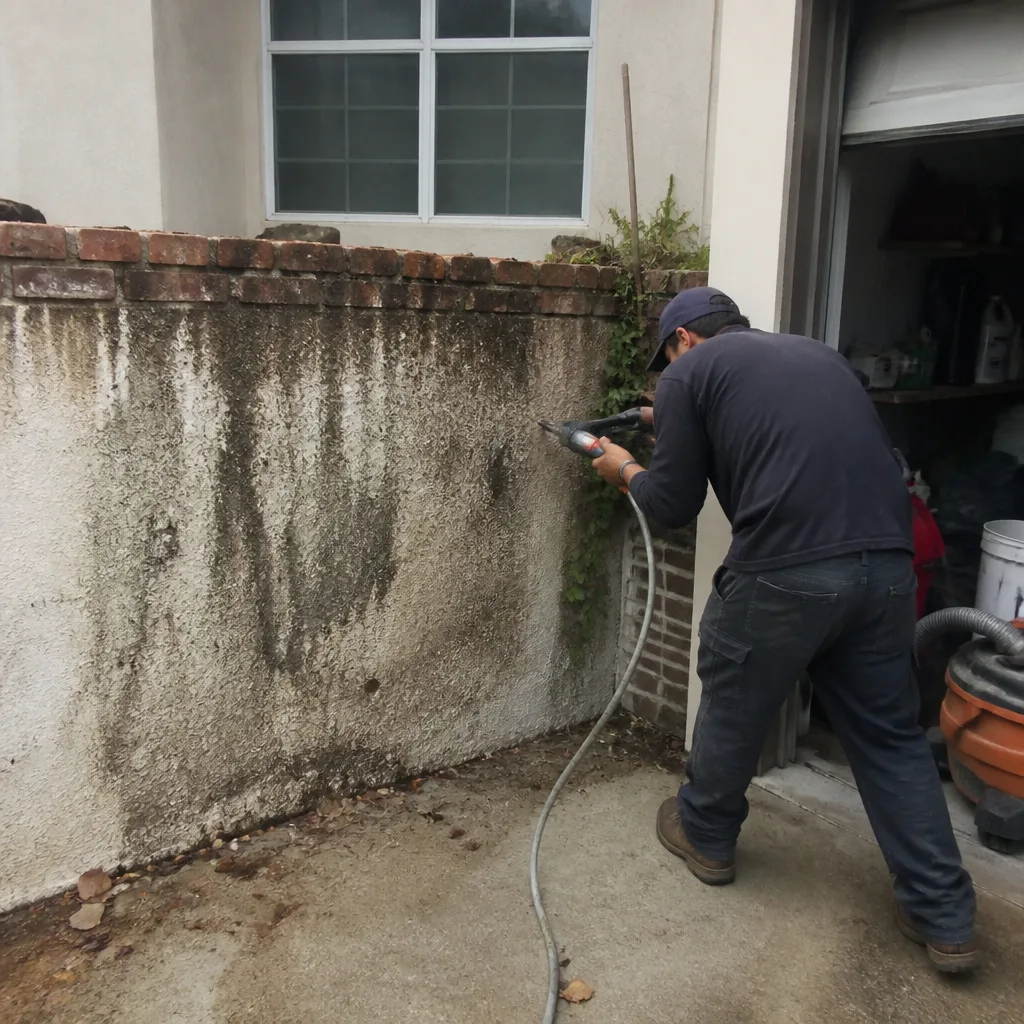 Before
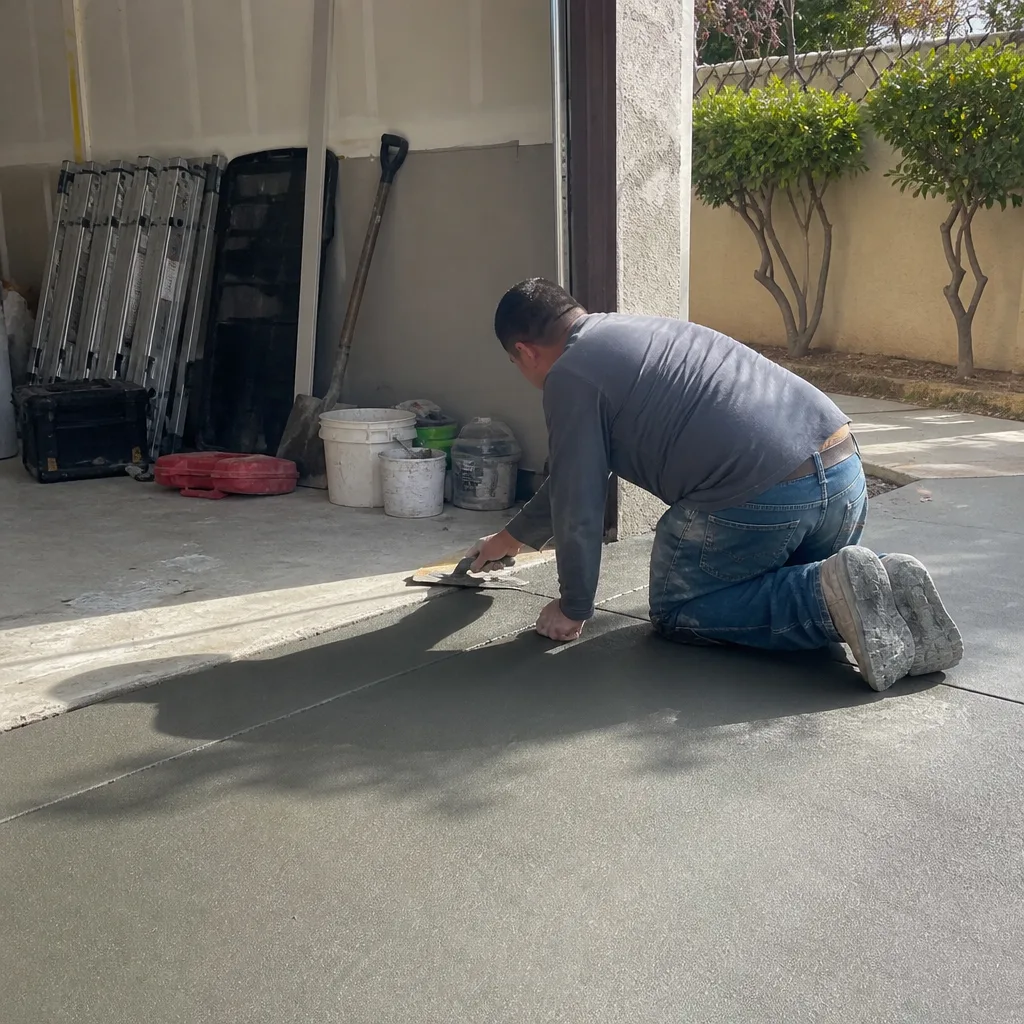 After
After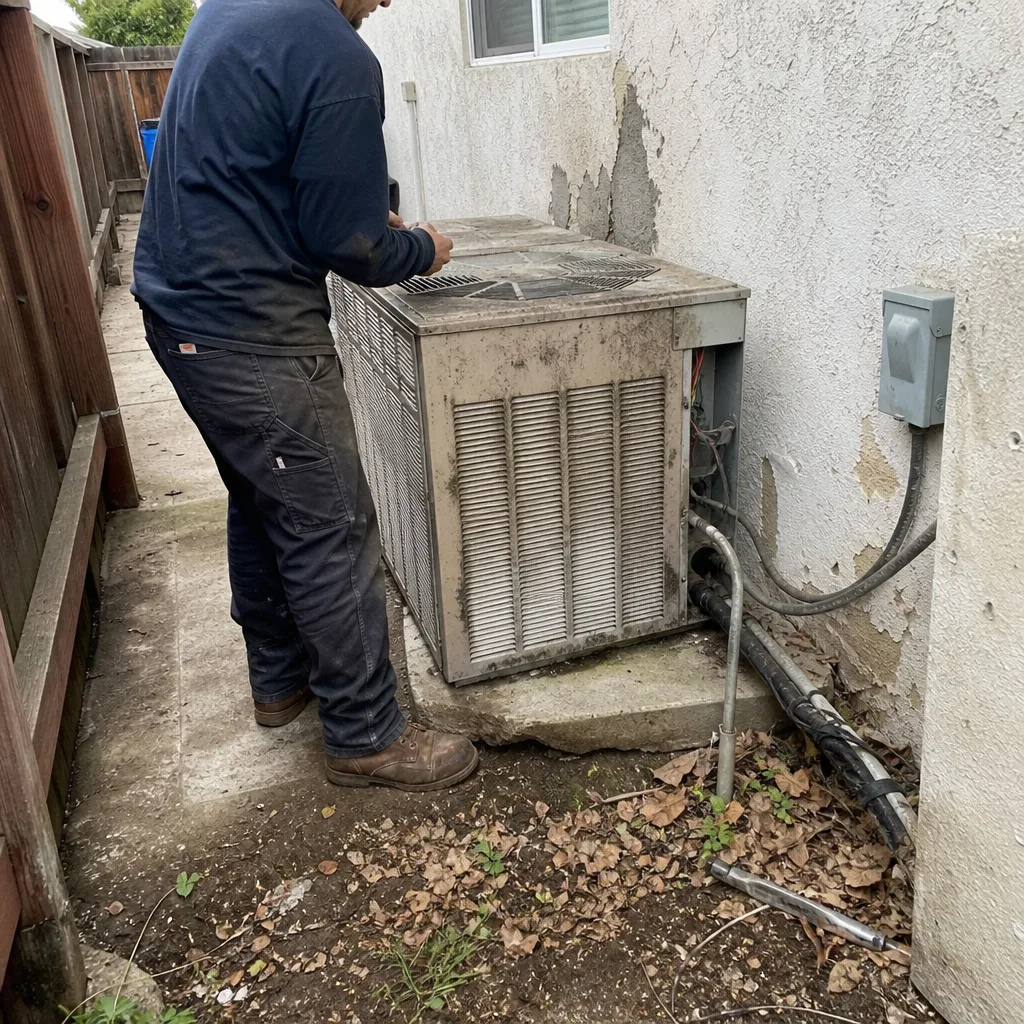 Before
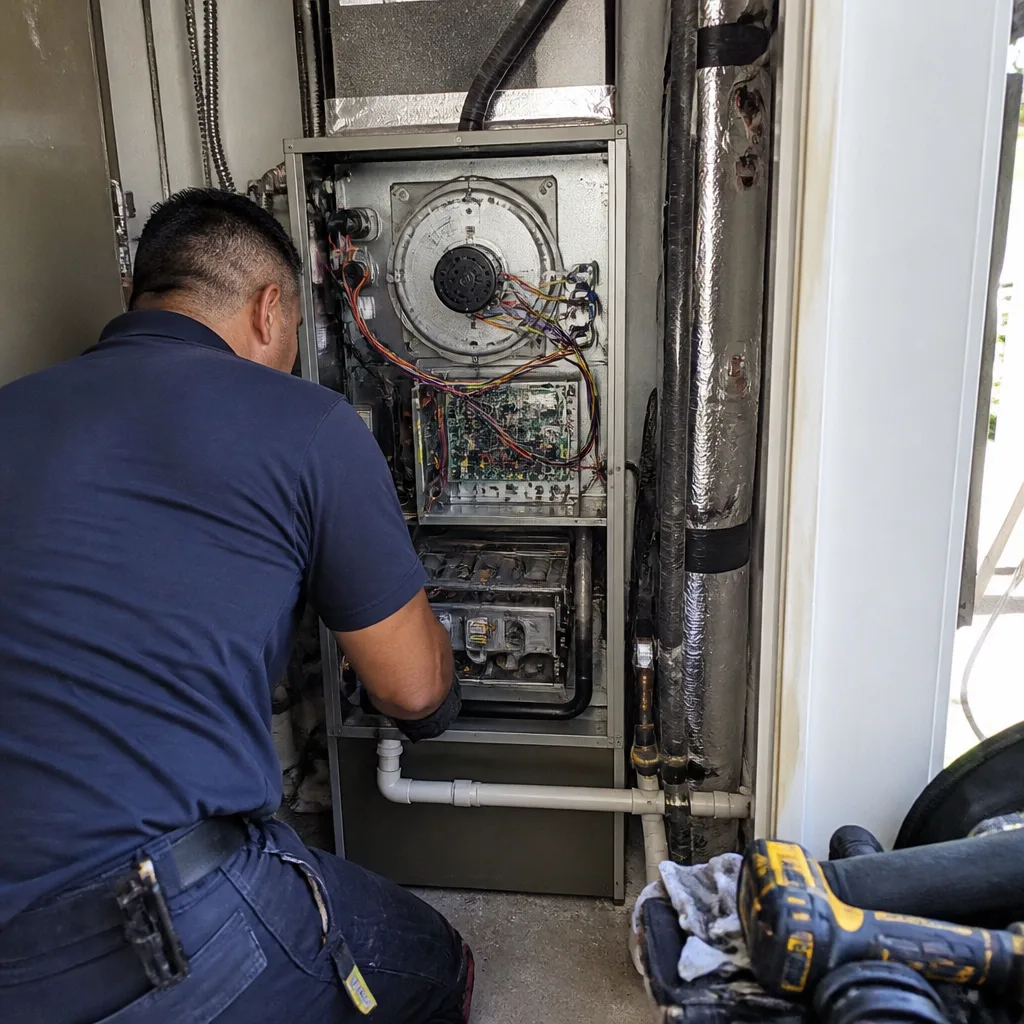 After
After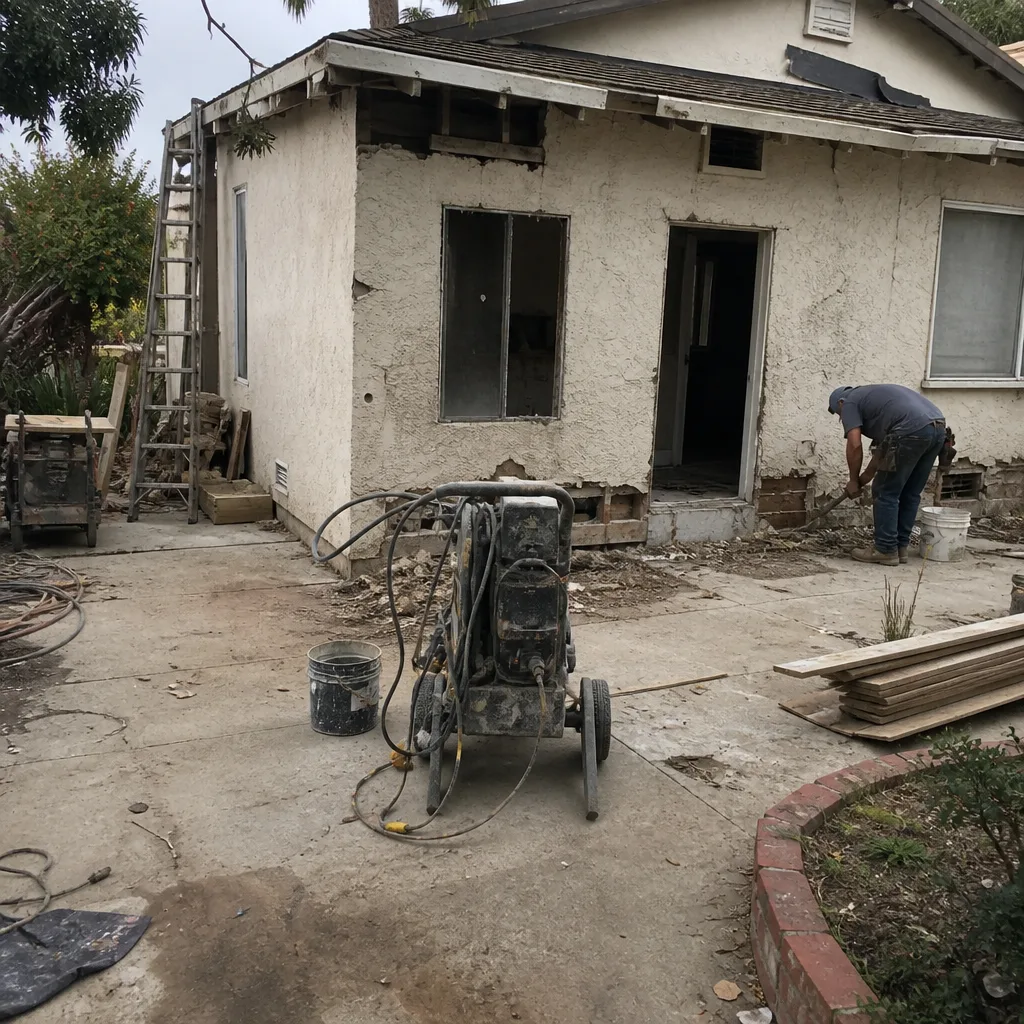 Before
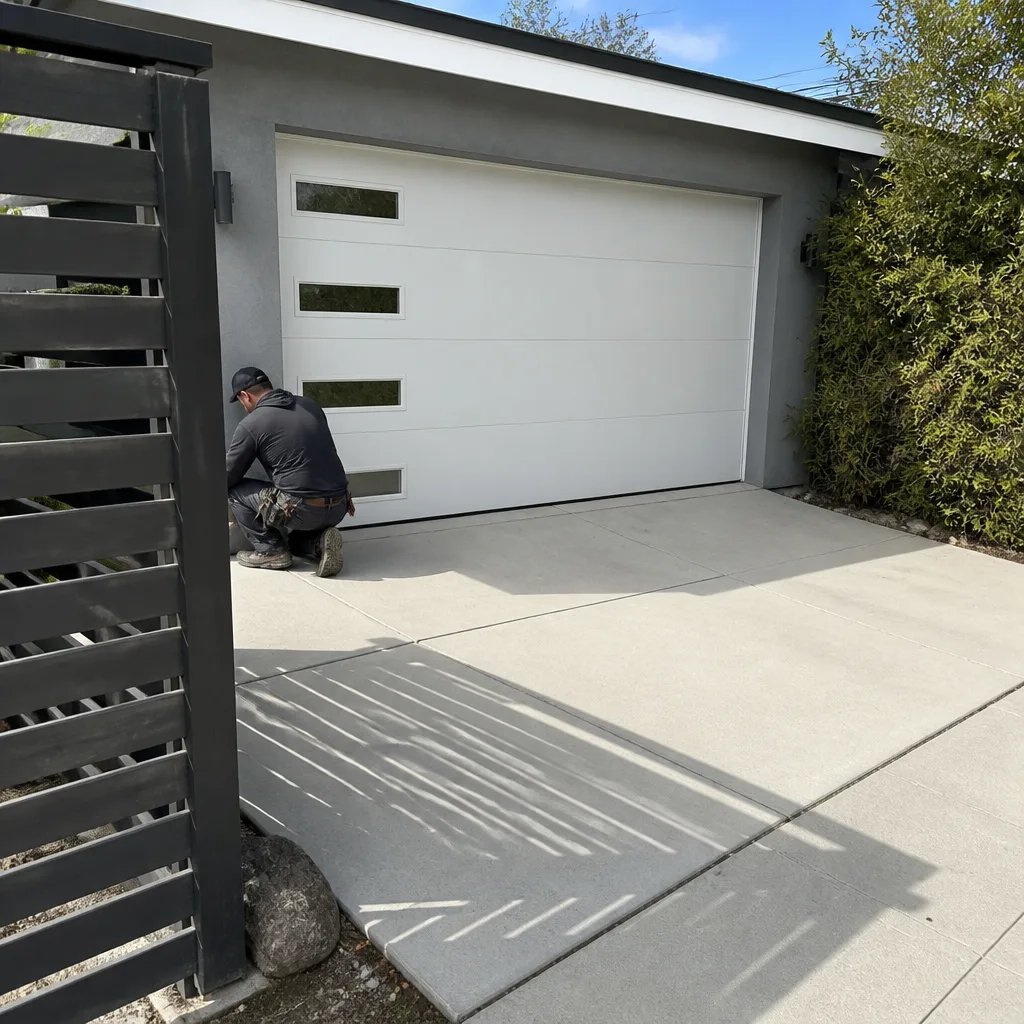 After
AfterWhen to Call a Professional
You’ve probably noticed a theme by now: most of the warning signs in this guide are things you check before you hire. That’s by design. The pre-hire phase is the only point in the process where you hold real leverage. Once the deposit is paid and the contract is signed, every conversation is a negotiation. If you’re planning a remodel in Los Angeles and you want to apply this checklist to your contractor search, Sawyer Remodeling’s bathroom remodeling team in Los Angeles operates under written-price, background-checked-crew, and 365-day accountability commitments that answer most of these questions before you have to ask. Call (254) 272-5876 for a free estimate, and we’ll walk through your project scope with line-item pricing in writing. Or return to the Sawyer Remodeling home page to learn how The Relay Standard runs every job.
Frequently Asked Questions

A quote with no line-item detail. It means the contractor hasn’t priced the specific scope of your Los Angeles project, or they’re leaving room to reinterpret the number later. Either way, you’re at risk of paying more than the quote you approved. Call (254) 272-5876 if you want a written, itemized estimate for your remodel.
A California contractor can collect up to 10% of the project total or $1,000, whichever is less, before work begins. Any request above that is a violation of Business and Professions Code 7159. If a contractor asks for more, that’s a signal about how they run their business.
Yes. Permits must be in place before permitted work begins. “I’ll pull it after we start” is a code violation and a red flag. The Los Angeles Department of Building and Safety can issue a stop-work order, and unpermitted work creates problems when you sell your home or file an insurance claim.
Run a license check on cslb.ca.gov. You’ll see license status, workers’ comp coverage, bond status, CSLB complaints, and legal actions. It’s free and takes about ten minutes. Any contractor who discourages you from running it is giving you an answer.
It means the contractor has reserved the right to substitute a different product, often a cheaper one, without your explicit approval. In our Los Angeles bathroom remodeling work, we name specific brands like Cambria, Silestone, Caesarstone, and Kohler so the quote describes exactly what you’re buying. If a quote is full of “or equivalent” language, ask for specifics before you sign.
Within one business day for routine questions. If response time stretches to two or three days before you’ve signed a contract, expect that lag to multiply once the project is underway. The communication pattern you see in week one is the pattern you’ll get in week eight. Call (254) 272-5876 if you’re looking for a Los Angeles contractor who answers the phone when you call.
The Bottom Line
The contractors who end up in CSLB complaint filings don’t usually hide their warning signs. They show them early: the vague quote, the permit delay, the open-ended change-order clause, the slow response, the “or equivalent” material spec. Homeowners miss them because they don’t know what constitutes a structural problem versus a minor inconvenience. Now you do. Run the license check. Demand line-item pricing. Get the scope in writing. Verify the insurance. Then sign with confidence. For ongoing upkeep, bookmark our Home Renovation Maintenance Schedule: What to Do and When. The pre-hire hour you spend on this checklist is the cheapest insurance you’ll ever buy for a Los Angeles remodel.
Written by Luca Romano, Owner at Sawyer Remodeling, serving Los Angeles since 2005. Explore more guides & resources on our blog.