Last updated October 9, 2026
Free written scope consultation - allowances, timeline, and change-order rules on paper before a single trade is scheduled
Construction Permits, Codes & Inspections in CA: What You Need to Know
Unpermitted work is the number-one reason Los Angeles home sales fall apart in escrow. Not termites, not foundation cracks, not outdated kitchens. The retrofitted bathroom, the wall that vanished to create an open floor plan, the detached studio in the backyard: those are what kill deals. And here’s the part nobody warns you about: most sellers had no idea the work was unpermitted when they bought the house. This guide walks through exactly which projects require permits in Los Angeles, how California’s Title 24 energy code changes what you can build, what inspectors actually look for, and how to fix unpermitted work if you inherited it. For more guides & resources on protecting your home investment, explore our blog. You’ll leave knowing the paper trail that protects your equity.
Quick Answer
Most structural, electrical, plumbing, and mechanical work in Los Angeles requires a permit from LADBS (Los Angeles Department of Building and Safety) or LA County for unincorporated areas. Skipping permits creates legal, insurance, and resale liabilities that surface in escrow or after a loss. Pulling permits correctly costs a few hundred to several thousand dollars depending on project scope, and retroactive permitting is possible but more expensive than doing it right the first time.
Styles & brands we work with

Table of Contents
- Which Projects Actually Require Permits in Los Angeles
- LADBS vs. LA County: Who Issues Your Permit
- How California’s Title 24 Energy Code Changes Your Remodel Scope
- What Happens During a Real Inspection
- How to Retroactively Permit Unpermitted Work
- What Permits Actually Cost in Los Angeles
- Common Mistakes to Avoid
- When to Call a Professional
Which Projects Actually Require Permits in Los Angeles
The honest answer: more than you think. Los Angeles permit requirements are stricter than most California cities, and the list of work that legally requires a permit surprises even experienced homeowners. Here’s the reality we see on job sites across Los Angeles every week.
Any project that changes the structure of your home requires a permit. That includes removing a wall (even a non-load-bearing one, if it has electrical outlets), adding or widening a window opening, cutting into the roof for a skylight, and building any addition. But so does replacing a water heater, re-piping a bathroom, installing new electrical circuits, or changing your panel from 100 amp to 200 amp.
Below is the practical list most Los Angeles homeowners don’t realize requires a permit:
- Water heater replacement – yes, even swapping like-for-like. Requires a plumbing permit and a final inspection. Miss it and your home insurance claim after a leak gets complicated fast.
- Any electrical work beyond fixture swaps – adding outlets, running new circuits, installing a ceiling fan where a light was, upgrading a subpanel. All require an electrical permit.
- Bathroom and kitchen remodels that move plumbing – cosmetic updates (paint, cabinet refacing, new countertops on existing cabinets) don’t need a permit. Moving a drain, changing a water supply line, or relocating a toilet does.
- Window and door replacements – if the rough opening changes size, you need a permit. Same-size replacements typically don’t, but check with LADBS because interpretation varies by inspector.
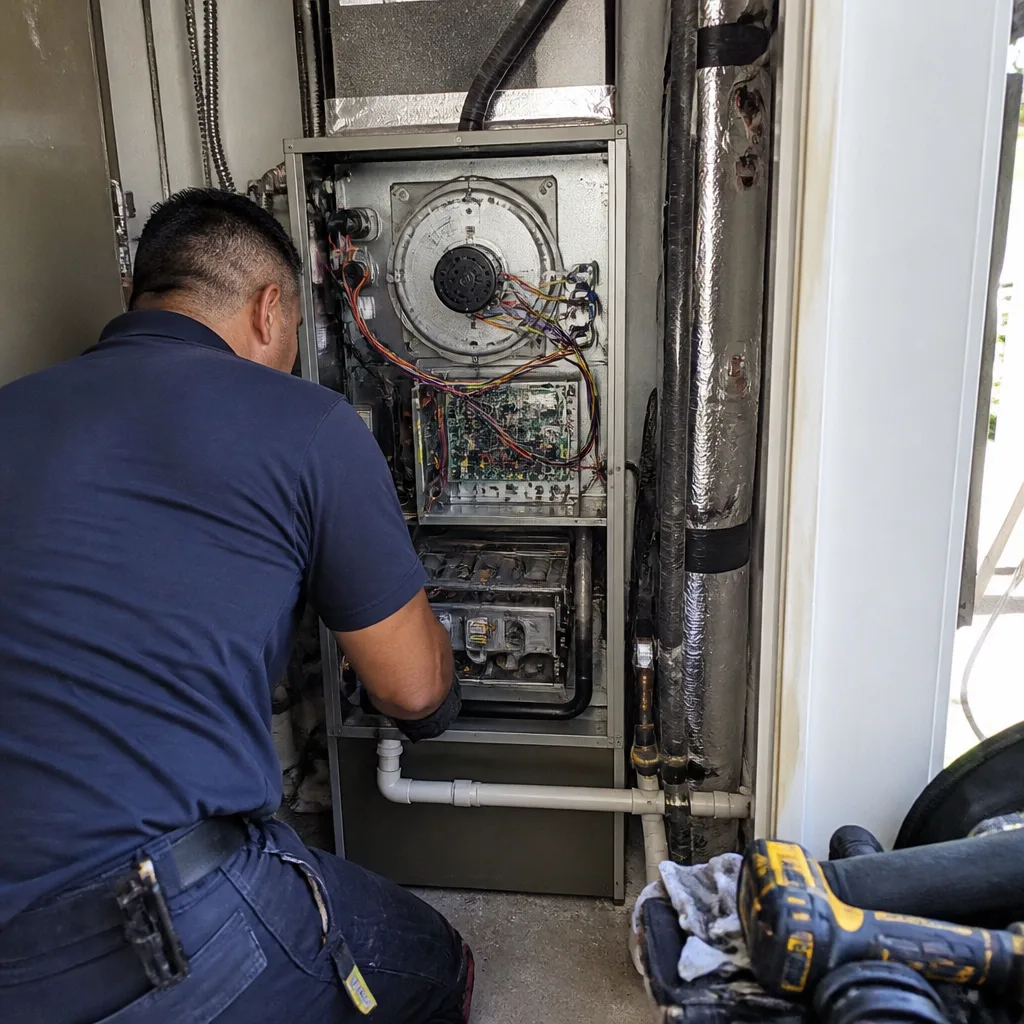
- HVAC replacement or installation – including ductwork. Los Angeles has specific smoke and carbon monoxide detector upgrade requirements triggered by HVAC permits.
- Any structural work – foundation repairs, seismic retrofitting (unless done under the city’s specific earthquake retrofit program), retaining walls over 4 feet, and any change to your roofline.
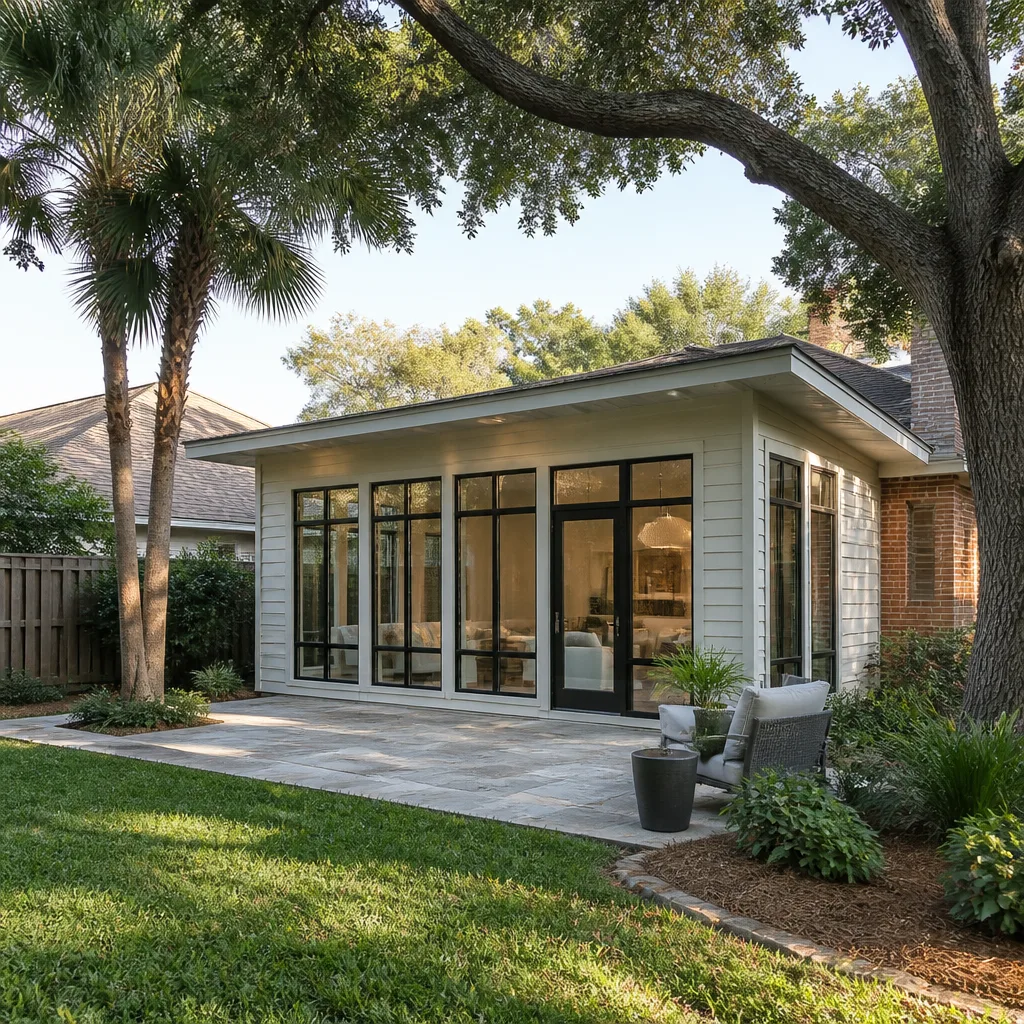
- Accessory structures over 120 square feet – that backyard studio, the ADU, the oversized shed. Los Angeles has a specific ADU ordinance with its own permit path, and it’s faster than standard permits, but you still need one.
The rule of thumb in California: if the work touches a wall, a wire, a pipe, or a roofline, assume you need a permit until LADBS tells you otherwise. Painting, flooring, cabinet refacing, and non-structural trim work are the main exceptions.
LADBS vs. LA County: Who Issues Your Permit
Los Angeles is a patchwork. The city of Los Angeles issues permits through LADBS, with offices in Van Nuys, West LA, the Metro office downtown, and several other locations. But if you live in an unincorporated area, like Universal City, View Park-Windsor Hills, or parts of the Santa Monica Mountains, you’re under LA County Building and Safety, which has a different fee schedule, different inspectors, and sometimes different interpretations of the same state code.
The difference matters more than homeowners realize. LADBS moved to an online-first system several years ago: many simple permits (water heaters, same-size window swaps, some electrical work) can be pulled online through their e-Permit portal without ever visiting an office. LA County’s system is also online, but their plan-check turnaround for larger projects runs about two weeks longer on average based on current workloads.
Here’s the practical breakdown:
- City of Los Angeles residents – LADBS. Check your address on the LADBS website; if it says “City of LA” jurisdiction, you’re under LADBS.
- Unincorporated LA County residents – LA County Building and Safety. You may have a “Los Angeles” mailing address but not be in the city at all. Your address lookup on the county assessor’s site will clarify.
- Other incorporated cities in LA County – Burbank, Glendale, Pasadena, Santa Monica, Long Beach, and about 85 others have their own building departments. Each has its own fee schedule and plan-check process.
For a General Contractor in Los Angeles, knowing which jurisdiction governs a specific address is day-one stuff. A contractor who doesn’t ask your exact address before quoting permit fees hasn’t done this long in this city. The wrong jurisdiction assumption leads to a denied permit application, which costs you time and another filing fee.
How California’s Title 24 Energy Code Changes Your Remodel Scope
California’s Title 24 is the state’s energy efficiency building code, and it updates every three years. The 2022 version took effect January 1, 2023, and the 2025 version is now in the cycle. Title 24 doesn’t just apply to new construction. It applies to remodels, and the threshold for triggering a full Title 24 compliance update is lower than most homeowners expect.
In Los Angeles, here’s what Title 24 means for your remodel in practical terms:
If your project requires a building permit for work that touches more than a certain percentage of the home’s conditioned space, or if you’re changing the building envelope (walls, windows, insulation), the entire house may need to be brought up to current energy standards. That’s called a “trigger event” and it surprises people in Los Angeles more than anywhere in the state because so much of the housing stock was built between 1950 and 1980 with minimal insulation.
Specific Title 24 triggers in Los Angeles include:
- Window and skylight replacements – all replacement windows must meet current U-factor and SHGC (solar heat gain coefficient) ratings. In Los Angeles’s climate zones (6, 8, 9, and 10 depending on exact location), this usually means dual-pane low-E glass.
- Insulation upgrades – if you open up walls in a major remodel, those walls must be insulated to current R-value standards before they’re closed.
- Lighting – when you open a wall or ceiling, the new lighting in that area must be high-efficacy (LED). Kitchens and bathrooms have specific wattage allowances, which means your design decisions about recessed light count matter.
- HVAC changes – if you replace or modify your HVAC system, Title 24 requires duct leakage testing and, in many cases, verification from a certified HERS rater. That’s an additional cost of $300 to $500 on top of the permit.
- Water heating – California’s solar-ready and heat-pump water heater requirements mean a traditional gas water heater swap may not be code-compliant in your Los Angeles home. The state is phasing toward electric heat pump water heaters, and LA city has additional local ordinances around building electrification for new construction.
For a Home Renovation in Los Angeles that touches multiple systems, a Title 24 consultant runs a compliance report using software that models your home’s energy usage. The report costs $500 to $1,200 and is required before LADBS will approve your permit. It’s not optional, and it’s not a fee. It’s a document that proves your home will meet state energy standards.
What Happens During a Real Inspection
Inspection is the part of the process where the work actually gets verified. Here’s the honest sequence, because most Los Angeles homeowners see the permit as a one-time filing and don’t realize inspections are the actual point.
After your permit is issued and work begins, the contractor calls for inspections at specific stages. The inspector’s job is to verify the work matches what was approved on the plans and meets the current California Building Code. They don’t care about your design choices, your cabinet color, or your tile pattern. They care about the things that keep your house from falling down, burning down, or flooding.
A typical bathroom remodel in Los Angeles involves these inspection stages, in order:
- Rough framing inspection – after structural changes and before anything is covered. The inspector checks the framing, strapping, and shear wall nailing pattern.
- Rough electrical inspection – wiring is visible. The inspector checks wire gauge, box fill, AFCI/GFCI protection, and circuit placement. This happens before insulation and drywall.
- Rough plumbing inspection – drains and water lines are visible. The inspector checks venting, slope, and the water test on the drain lines.
- Insulation inspection – if Title 24 triggered insulation requirements, the inspector verifies R-value before drywall covers it.
- Drywall nailing inspection – not always required for small projects, but for any addition or large remodel, the inspector checks screw spacing and seam treatment before tape and mud.
- Final inspection – everything is complete. The inspector walks the finished space, verifies smoke detectors, GFCI outlets, and that all prior inspection corrections were completed.
A red flag that should worry any Los Angeles homeowner: a contractor who says they’ll “handle the inspection” and you don’t need to be there. For a deeper look at warning signs, see our Construction Warning Signs: A Los Angeles Homeowner’s Reference Guide. The inspection report belongs to the property, not the contractor. You should know what passed, what failed, and what corrections were made. If a contractor tells you not to bother, that’s a trust signal worth listening to. At Sawyer Remodeling, every client gets the inspection results in writing as part of the job record. There’s no reason to hide a passing inspection.
How to Retroactively Permit Unpermitted Work
You just found out the previous owner finished their garage without a permit. Or the master bathroom was remodeled in 2016 and there’s no record. The fear is that the city will make you tear it all out. That’s rarely the case, but the process takes longer and costs more than a standard permit.
Retroactive permitting in Los Angeles follows a specific path, and it’s one we’ve guided many clients through:
- Verify what’s actually unpermitted – pull the property’s building records from LADBS. Some work that looks unpermitted was actually permitted under a different permit number or under a general repair permit. Don’t assume.
- Disclose before you buy or before you list – if you’re buying, check the permit history before opening escrow. If you’re selling, the California disclosure forms require you to disclose known unpermitted work. Hiding it creates liability.
- Hire a licensed contractor or architect to document the work – the city requires as-built drawings or a detailed description of what exists. For simple projects (a water heater, a small bathroom), photos and a written description may suffice.
- Open plan check with LADBS or LA County – submit the as-built documentation and pay the plan check fee. The plan checker reviews what’s there against current code. If the work violates code, you’ll get a correction list.
- Make any required corrections – this is the expensive part. A bathroom remodeled in 2016 may have plumbing that’s not vented correctly or electrical that’s not GFCI-protected. You fix what the city flags.
- Call for the final inspection – the inspector walks the space and, if everything is compliant, signs off. You receive a retroactive permit and a certificate of occupancy if applicable.
Cost and timeline in Los Angeles: plan check fees for a retroactive permit typically run 1.5 to 2 times a standard permit because of the as-built documentation required. A retroactive bathroom permit in the city of LA commonly costs $1,500 to $3,000 in fees alone, not including any physical corrections the inspector requires. Timeline: 2 to 4 months from start to finish, mostly waiting on plan check scheduling. It’s slow, but it protects your resale value and keeps your home insurance valid.
What Permits Actually Cost in Los Angeles
Let’s put real numbers on the table. No Los Angeles homeowner should have to call a contractor to know if their budget can absorb the permit cost. Permits in Los Angeles are calculated using valuation-based fee schedules: the city charges a percentage of the estimated construction value. Here’s the practical range based on recent LADBS fee schedules:
- Water heater permit – $80 to $150 total, including inspection.
- Electrical panel upgrade (100A to 200A) – $200 to $400 in city fees, not including the electrical work itself.
- Bathroom remodel (in-place, no structural changes) – $600 to $1,200 in LADBS permit and inspection fees.
- Kitchen remodel (including plumbing and electrical relocation) – $1,200 to $2,500 in city fees.
- Room addition (300-500 sq ft) – $4,000 to $9,000 in LADBS fees, excluding Title 24 compliance and plan check.
- ADU conversion (garage to dwelling unit) – $3,000 to $8,000 in city fees before the new LA ADU fee waiver programs, which can reduce this significantly.
- Title 24 compliance report – $500 to $1,200, paid to a third-party consultant, not the city.
Some counties and cities add a school district fee for additions over a certain square footage. In Los Angeles, LAUSD fees apply to some residential additions and run $4 to $6 per square foot. A 400 sq ft addition can carry $1,600 to $2,400 in school fees on top of everything else. Your contractor should itemize every one of these in your written quote. If they can’t or won’t, that’s the moment to ask harder questions. We put every permit fee in writing before any work starts, because the number on the invoice is the number you approved.
Common Mistakes to Avoid
- Assuming cosmetic work doesn’t need a permit – painting and flooring don’t, but moving a toilet “just a few inches” absolutely does. The pipe doesn’t care about your design intent, and the inspector doesn’t either.
- Letting a contractor “handle the permit after” – permits must be pulled before work starts. “We’ll file it later” is how you end up with an open enforcement case and an inspector who sees work that was already done.
- Not checking jurisdiction before applying – about 15% of Los Angeles-area addresses that look like they’re in the city of LA are actually unincorporated county. The wrong application wastes three to four weeks.
- Ignoring Title 24 until the last minute – the compliance report takes time, and if your remodel triggers energy upgrades, the correction list changes your material choices and your budget. Plan for it from day one.
- Using a contractor whose license doesn’t match the work – a handyman with a business card is not a licensed general contractor. Only a licensed contractor can legally pull permits in Los Angeles, and your permit application requires that license number.
- Buying a home with unpermitted work and not pricing it in – if the square footage isn’t on the assessor’s record, it isn’t in the sale price you should be paying. Unpermitted square footage costs 20 to 40% less per square foot at resale.
- Thinking permits are just a tax – a permit is an inspection trail. It’s the document that proves the electrical work was done by someone who knows what they’re doing, and the only thing that keeps your insurance company from denying a claim after a fire or flood.
When to Call a Professional
If your project touches structure, electrical, plumbing, or mechanical systems, a licensed general contractor should be involved from the permit application forward. Plan check at LADBS is not designed for a first-timer: the application requires technical drawings, the correct forms, and sometimes multiple rounds of corrections that eat weeks. A homeowner who hasn’t done this before typically spends two to three times longer getting a permit approved than a licensed contractor who files these applications weekly.
If you’ve discovered unpermitted work on a home you own or are buying, call a professional before you call the city. The retroactive permit process is navigable, but it’s much smoother with someone who has done it before and knows exactly what the LADBS plan checker will flag. For any remodel in the greater Los Angeles area, Sawyer Remodeling offers free estimates with every permit fee itemized in writing. Call (254) 272-5876 and we’ll walk you through what your specific project requires before you spend anything.
See the difference
 Before
 After
After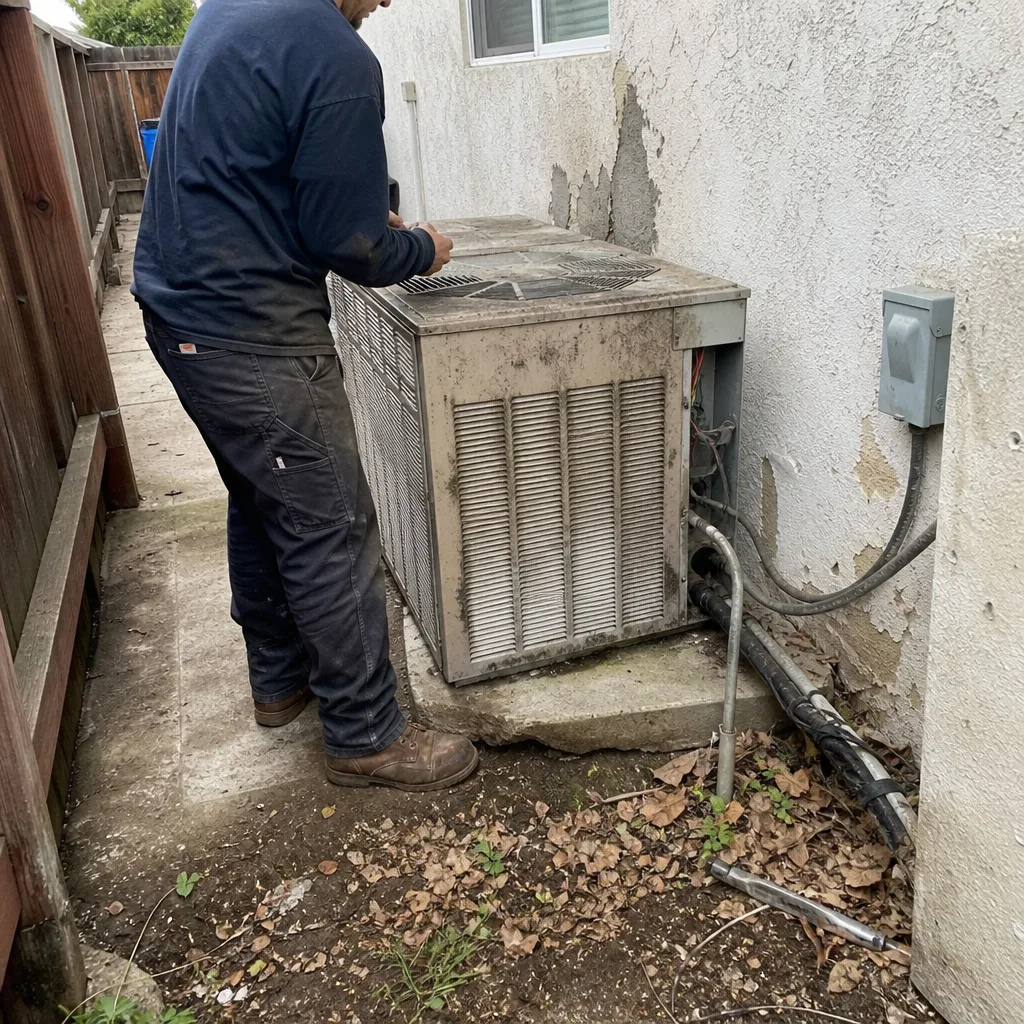 Before
 After
After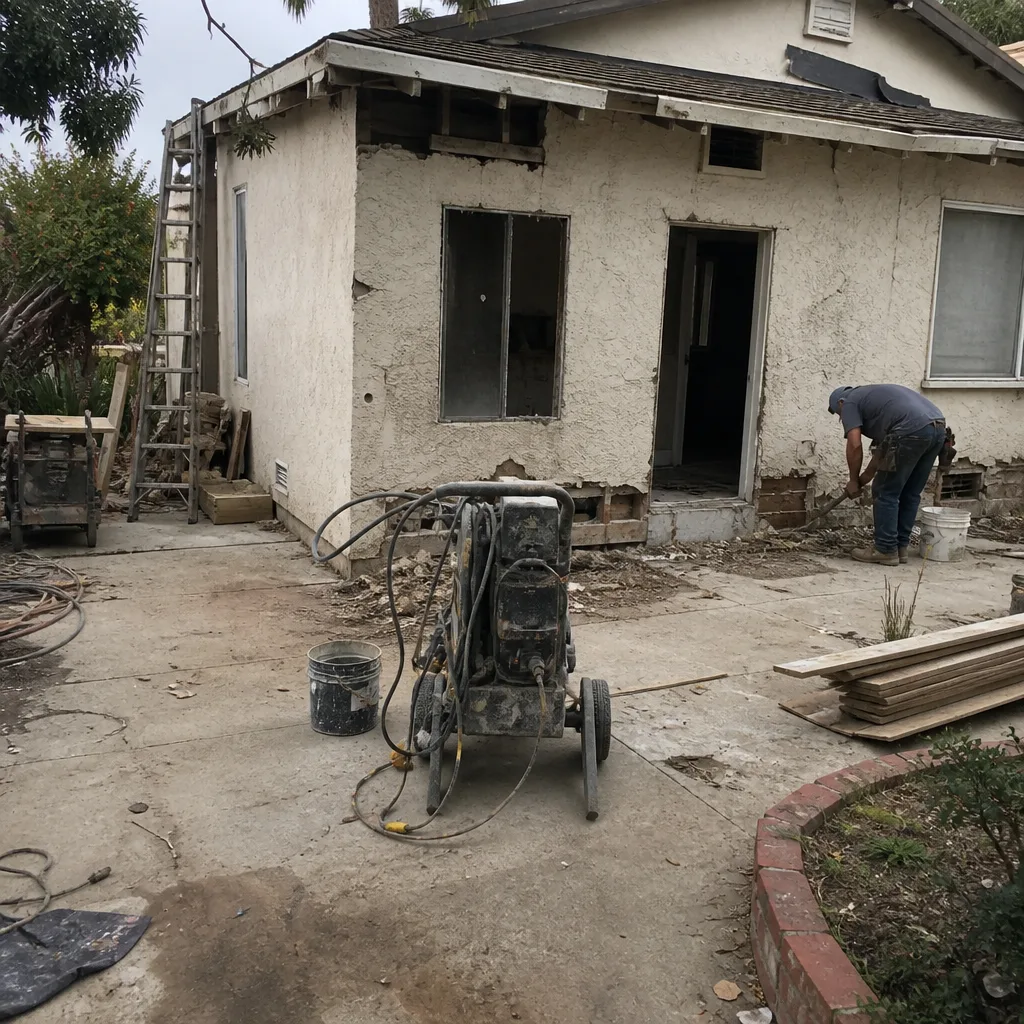 Before
 After
AfterFrequently Asked Questions
If the remodel moves plumbing, changes wiring, or alters walls, yes. A cosmetic refresh with paint, new vanities on existing plumbing, and same-location fixture swaps typically does not. Moving a toilet, adding a shower where none existed, or running new circuits always requires a permit from LADBS or LA County. Call (254) 272-5876 and we’ll tell you exactly what your scope triggers.
Most residential permits in Los Angeles range from $80 for a water heater swap to $9,000+ for a large addition. A typical bathroom remodel permit runs $600 to $1,200 in LADBS fees. The cost is based on your project’s estimated construction value, which is why a detailed written quote from your contractor matters when the plan checker calculates fees.
Yes, but it almost always costs you. State law requires disclosure, buyers routinely demand price reductions to account for the risk, and some lenders will not finance a home with unpermitted additions. Many Los Angeles escrows fall apart specifically over unpermitted work discovered during the inspection contingency period. Retrofitting the permit before listing usually costs less than the price concession you’ll give at the negotiating table.
Simple permits (water heaters, electrical panel swaps, same-size window replacements) can be issued same-day through LADBS’s online e-Permit portal. Permits requiring plan check, including most remodels and additions, take 3 to 8 weeks in the city of LA depending on workload. LA County plan check runs about two weeks longer on average. Retroactive permits take 2 to 4 months.
LADBS typically issues a notice of violation and gives you a window to legalize the work through the retroactive permit process. Fines are uncommon for a first-time owner-initiated correction. The real risk is when unpermitted work is discovered after a fire, flood, or structural failure: your insurance may deny the claim, and that’s a financial loss that makes the permit fee look trivial.
It depends on the trigger event. Replacing windows, changing the building envelope, or touching lighting in a bathroom or kitchen often triggers Title 24 requirements even on small projects. The compliance report costs $500 to $1,200 and is required before LADBS approves the permit. A licensed contractor can tell you upfront whether your scope triggers it. Our free estimate includes that answer, no guessing. Call (254) 272-5876.
The Bottom Line
California’s permit system isn’t bureaucracy for its own sake. It’s the paper trail that proves your home’s electrical work won’t start a fire, your plumbing won’t flood the neighbor below, and your addition won’t collapse in the next earthquake. It keeps your insurance valid, your resale value intact, and your escrow from falling apart. In Los Angeles, where unpermitted work sinks more home sales than any other single factor, doing it right the first time is the cheapest option. If you’re planning a remodel and want every permit fee in writing before work starts, call Sawyer Remodeling at (254) 272-5876. See what we do at Sawyer Remodeling home, or get specific about Bathroom Remodeling in Los Angeles.
Written by Luca Romano, Owner at Sawyer Remodeling, serving Los Angeles since 2005.