Last updated October 9, 2026







Free written scope consultation - allowances, timeline, and change-order rules on paper before a single trade is scheduled
Choosing the Right Construction Brand: A Buyer’s Guide for Los Angeles
Most Los Angeles remodeling companies have polished websites and no written process. The photos look great, the reviews read well, and then the actual project starts and you discover the “team” is one guy with a truck, a Squarespace template, and a subcontractor he’s never met. This guide-and our Complete General Contractor Guide for Los Angeles Homeowners-teaches you how to evaluate what’s actually behind the logo before you sign a contract. We’ll walk through the questions that separate companies running real operational systems from marketing fronts, and we’ll show you exactly what to look for in a Los Angeles market where permits, hillside codes, and coastal weather create challenges contractors from other cities never face.
Quick Answer
The right Los Angeles remodeling company has three things you can verify before signing: a written price guarantee with real accountability terms, a communication system that gives you live updates and a named contact, and a track record of completed projects in LA-specific conditions, not just aggregate review scores. Ask for the written process on the first call. If they can’t produce one, walk away.
Styles & brands we work with
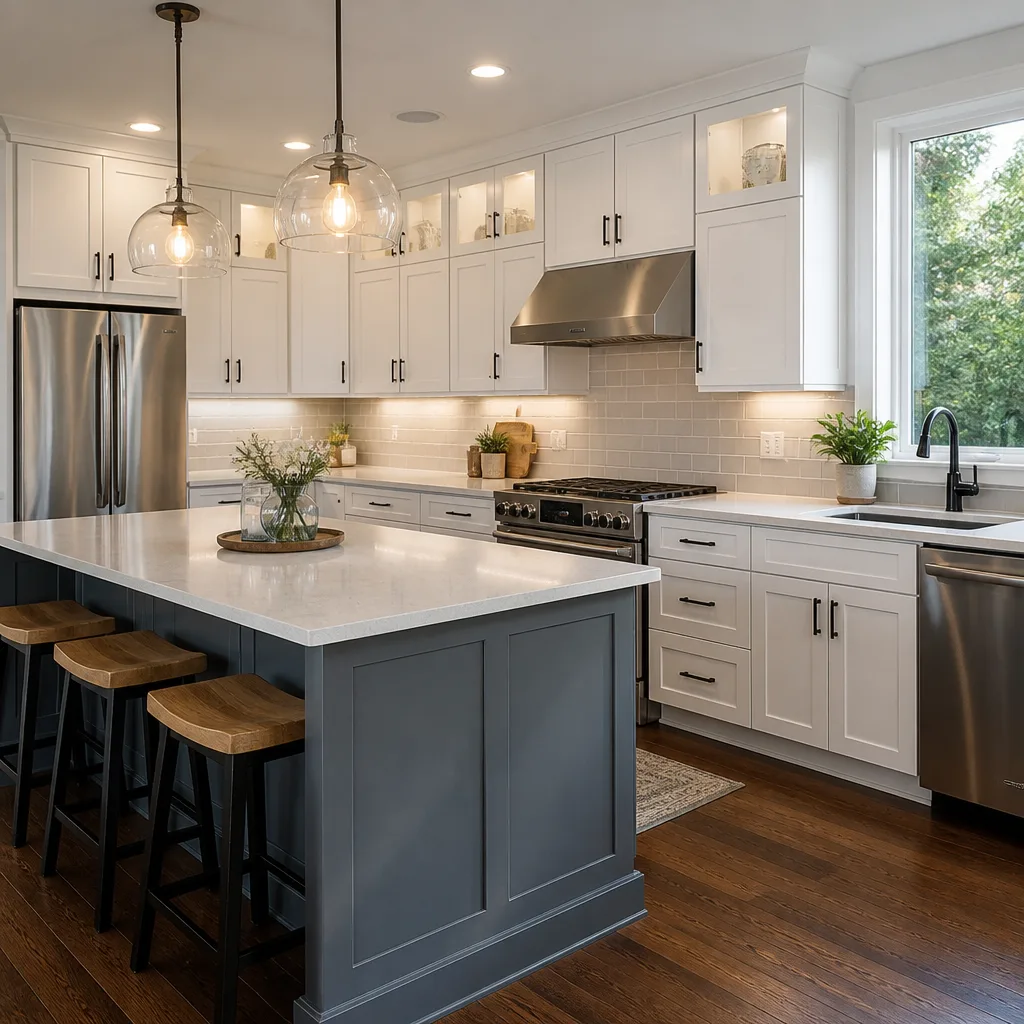
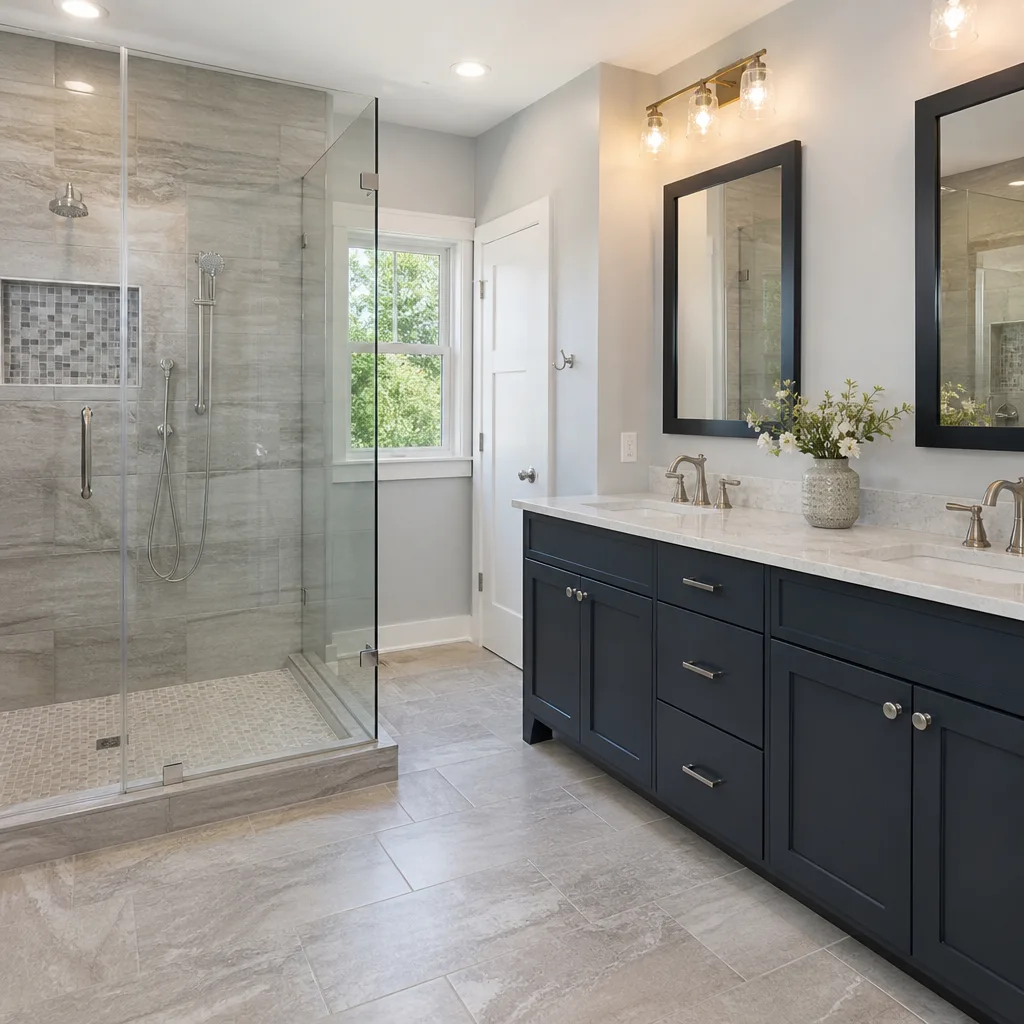
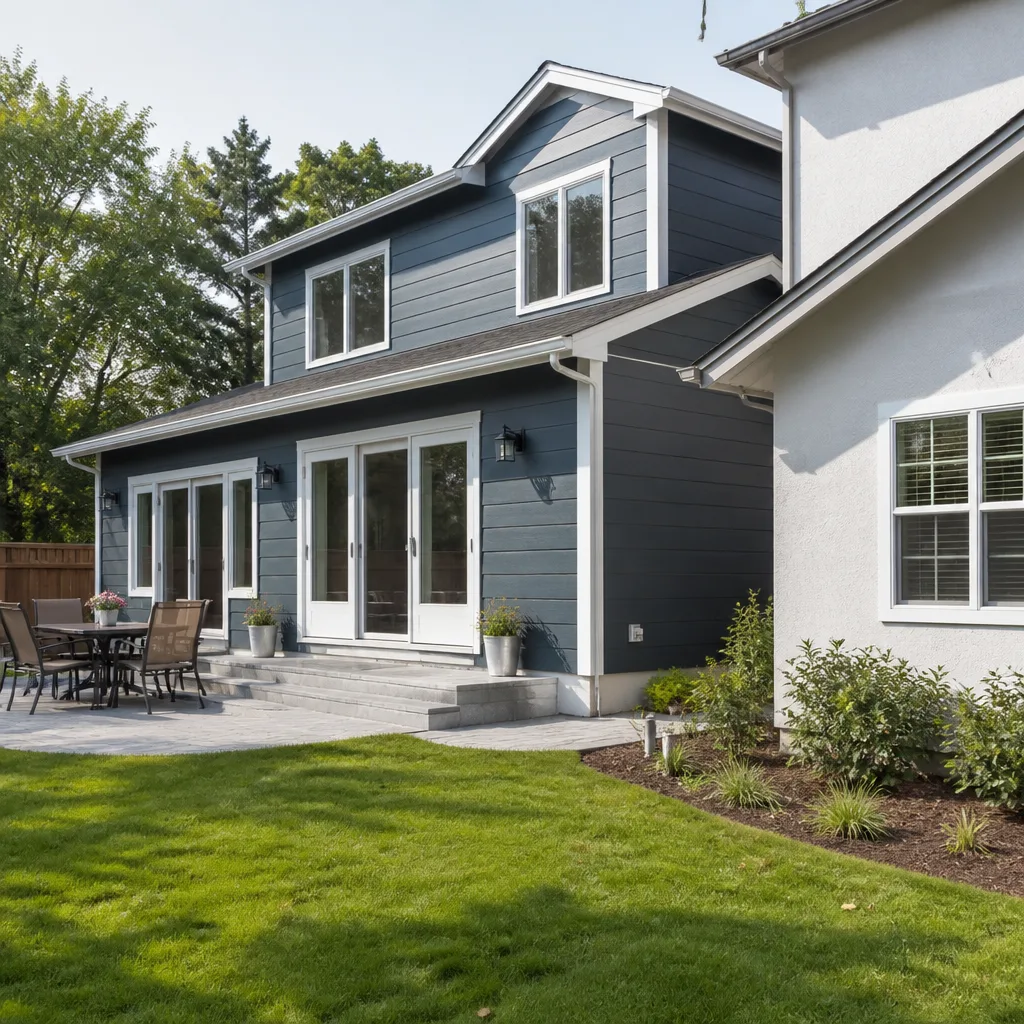




Table of Contents
- The Brand vs. The Operation: What You’re Actually Buying
- The Written Price Guarantee: How to Tell if It Has Teeth
- Communication Infrastructure: What Real Systems Look Like
- Verifying a Track Record in Los Angeles, Not Just Online
- The First Call: Questions That Separate Process From Promises
- Material Brands and Why They Matter in LA
- Common Mistakes to Avoid
- When to Call a Professional
- Frequently Asked Questions
The Brand vs. The Operation: What You’re Actually Buying
When you hire a general contractor in Los Angeles, you’re not buying a logo. You’re buying an operating model. That’s the distinction most homeowner guides miss, and it’s the one that predicts whether your project finishes on time or limps along for six extra months.
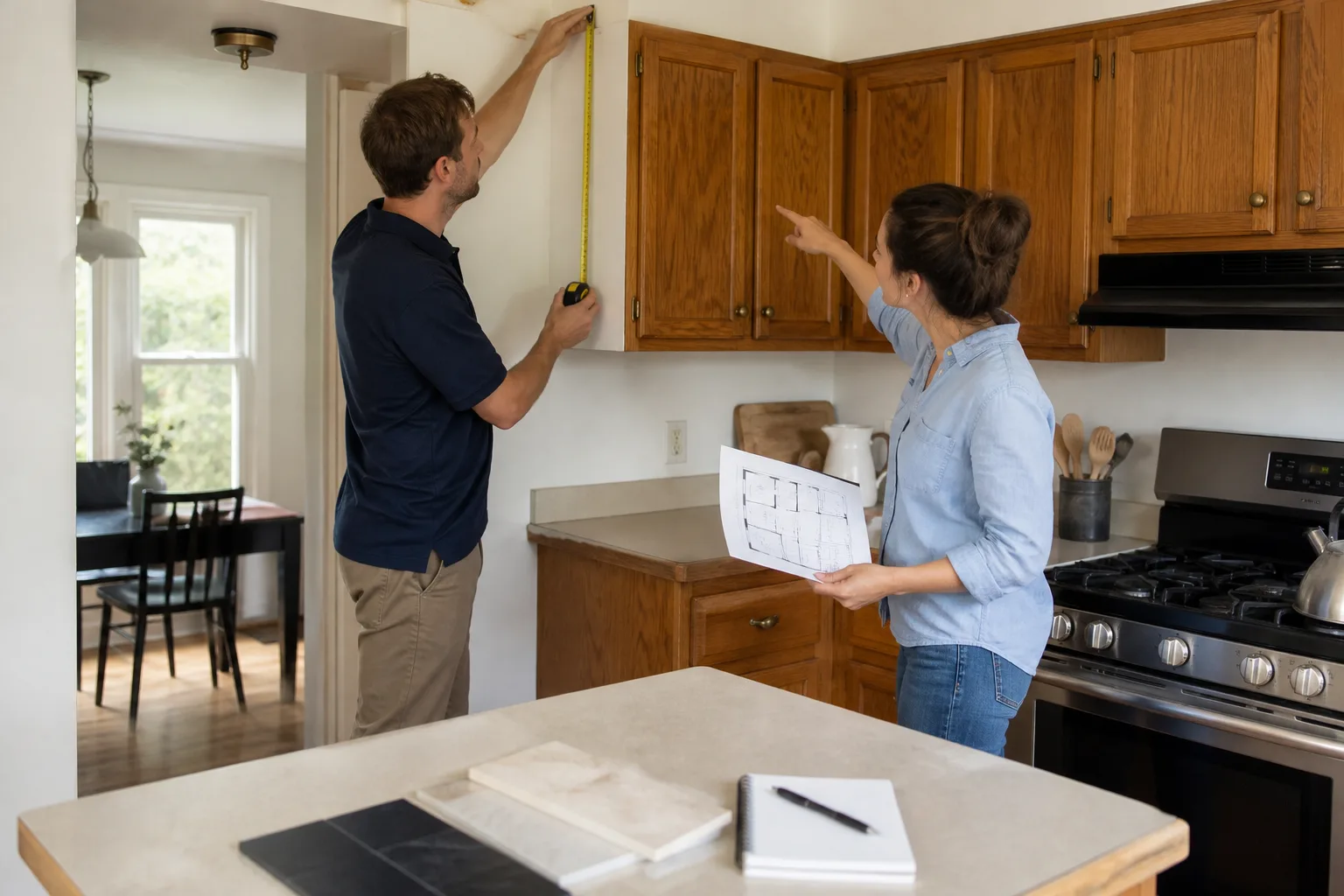
Here’s what that means in practice. A remodeling company with real infrastructure has documented processes for the unglamorous stuff: how change orders get approved, how invoices get sent, how scheduling conflicts get resolved, what happens when a material arrives damaged. A one-person operation with a strong Instagram presence may do beautiful work, but their “process” is whatever they remember to do that week. Both can look identical from the outside.
In our experience across nearly two decades in Los Angeles, the gap shows up fastest in three places:
- Written documentation. Companies with systems produce written estimates, written schedules, written warranties. Companies without systems produce verbal promises.
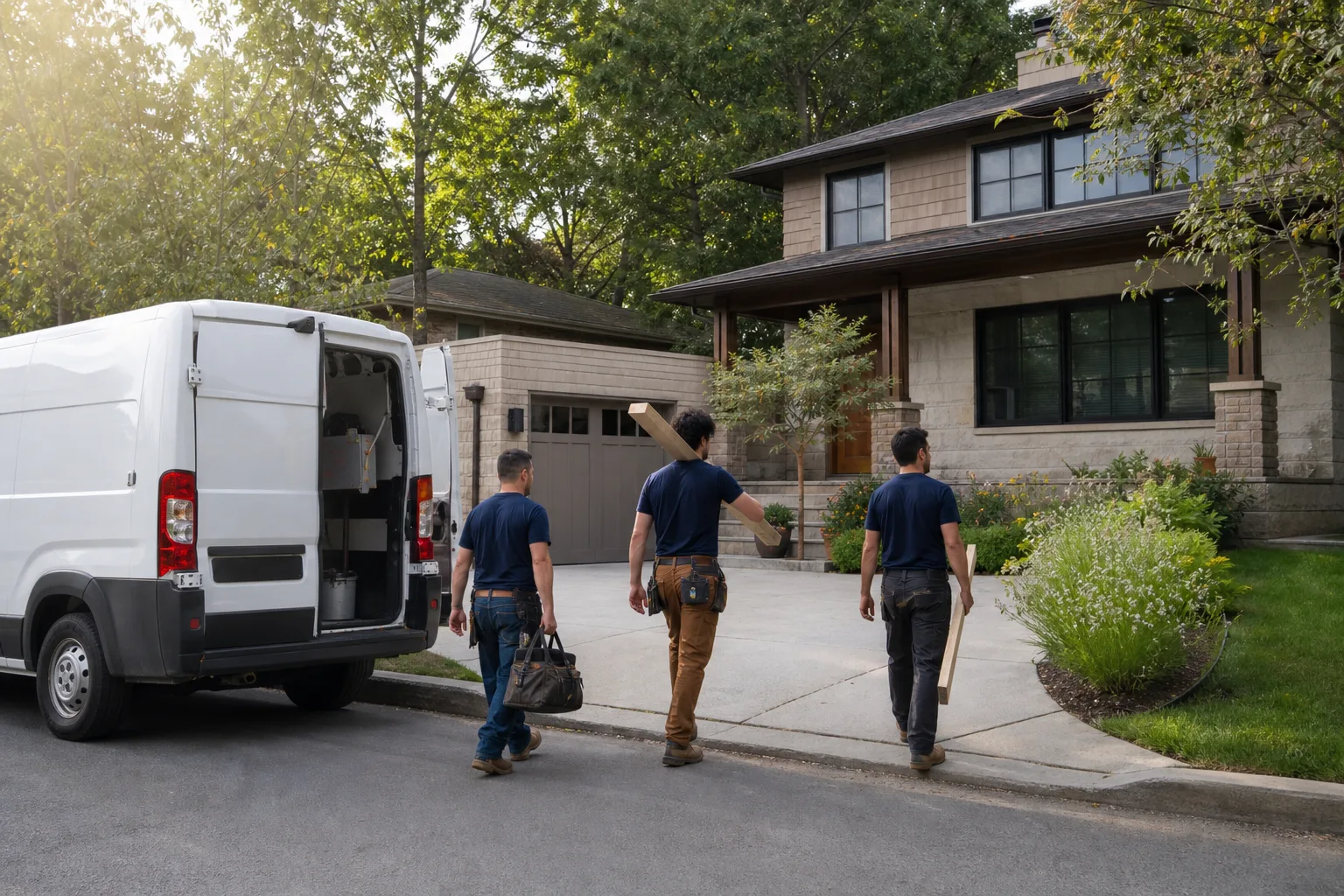
- Named contacts. A real operation can tell you who your project manager is on day one. A one-person show can’t, because that person is also doing the demo work.
- Scaled accountability. When something goes wrong, which it occasionally does on any remodel, a company with process has a defined fix. A company without process has a phone call that may or may not get returned.
Sawyer Remodeling operates under The Relay Standard, which means we put the price in writing before work starts, give you live arrival times, and send before-and-after photo updates. That’s not marketing language. It’s the operating system we’ve run since 2005.
The Written Price Guarantee: How to Tell if It Has Teeth
A low estimate is easy to make. A written price that doesn’t change is hard. That’s why the written price guarantee is the single most useful filter when choosing a remodeling company in Los Angeles, and it’s also the claim most likely to be faked.
Here’s how to test whether a price guarantee is real or just words:
- Ask what happens when the price changes. Every remodel has surprises behind the walls. A real guarantee specifies how change orders work: you approve the new number in writing before work continues, or you don’t pay it. A fake guarantee just says “we’ll keep you informed.”
- Ask what the guarantee covers. Materials? Labor? Both? For how long? If the answer is vague, the guarantee is vague.
- Ask if the guarantee is in the contract. If it’s not a written clause, it’s not a guarantee. It’s a sales tactic.
- Ask who backs it. A company with manufacturer-backed material partnerships, like the ones we hold with Kohler, Moen, KraftMaid, and Cambria, has a warranty chain that extends beyond their own word.
Our 365-Day Done Right Promise is a full year of accountability after the project closes. If something isn’t done right, we make it right. That clause goes in writing on every project. No exceptions, no fine print, no “we’ll take a look when we can.”
Why does this matter more than a low estimate? Because in the Los Angeles market, where labor and material costs are both high, the cheapest bid usually hides the most change orders. A company that knows its costs and stands behind them in writing is telling you something real about how they run projects. A company that lowballs and then “discovers” problems is telling you something too.
Communication Infrastructure: What Real Systems Look Like
The average Los Angeles homeowner manages their life from a phone. They track their groceries, their kids, their flights, and their finances in real time. Then they hire a contractor and suddenly they’re back in 1995, waiting by the landline for a callback that never comes.
A remodeling company with real communication infrastructure doesn’t make you chase them. The systems are visible from the first call:
- Live answers. When you call, a person picks up. Not a voicemail loop, not a callback queue, not a text-automation that says “we’ll get back to you within 48 hours.” A live person, 24/7.
- Live arrival times. You know when the technician is arriving before they arrive, not a four-hour window that burns your whole day.
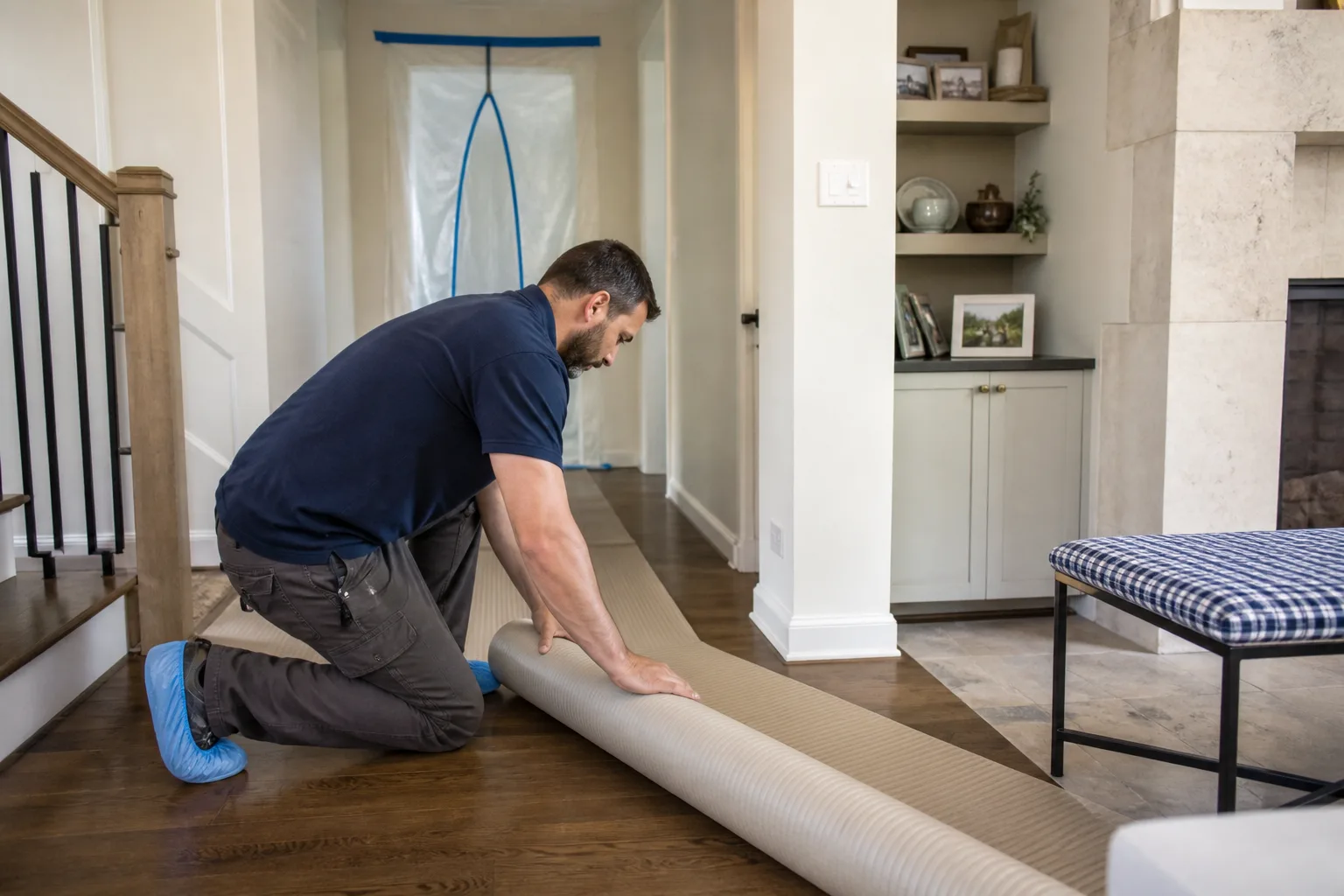
- Photo updates. If you’re not home during the work, you get before-and-after photos so you can see progress without driving back across the city.
- Digital invoicing. You pay from a link, you see the line items, and the number matches what you approved. No paper, no surprises, no “I’ll email it later.”
- A dedicated contact. One named person who knows your project and answers your questions. Not a rotating cast.
This is the part most homeowners don’t think to ask about because they’ve never seen it done well. But once you’ve experienced a company that actually communicates, you’ll never go back to the alternative. We run every project through The Relay Visibility Guarantee: you know who’s coming, when they arrive, and what it costs, all confirmed before work begins.
Verifying a Track Record in Los Angeles, Not Just Online
Review scores aggregate. They can be gamed, bought, or inflated by one good year five years ago. They don’t tell you whether a company understands Los Angeles specifically. And Los Angeles is a specific place to build.
Here’s what a real LA track record looks like, and how to verify it:
- LA-specific code knowledge. Los Angeles has its own building codes, seismic requirements, and permit processes that differ from Orange County, the Valley, or anywhere else. A contractor who’s done 50 projects in LA knows what the bathroom remodeling inspectors in your specific district actually check. A contractor who just moved here doesn’t.
- Hillside and foundation experience. Homes in Silver Lake, Echo Park, and the Hollywood Hills sit on unstable soil, steep grades, and old foundations. Retrofitting under those conditions is not entry-level work.
- Climate-specific material choices. Coastal moisture, Santa Ana winds, and intense UV exposure mean certain materials fail faster in LA than they would in other markets. A company with LA experience specs materials that hold up here.
- Neighborhood-specific permits. Pasadena, Santa Monica, Beverly Hills, and unincorporated LA County all have different planning departments with different timelines and quirks. Knowing which permit office you’re dealing with changes how the schedule gets built.
Ask a prospective contractor: “What’s the weirdest permit issue you’ve dealt with in LA?” If they have a story, they’ve done the work. If they look confused, you’re their LA learning curve.
The First Call: Questions That Separate Process From Promises
You can tell more about a remodeling company in one 15-minute phone call than in an hour of reading their website. The key is asking questions that require a specific, verifiable answer. Vague responses to specific questions are the tell.
Here’s the exact list we recommend:
- “Can you send me a written process document before the first site visit?” This is the single most revealing question. A company with systems has one. A company without systems says something like “we’ll walk you through everything when we meet.”
- “Who will be my point of contact during the project?” If the answer is a name and a role, good. If the answer is “whoever’s on the job,” you’re hiring a game of phone tag.
- “How do change orders work?” The correct answer: you approve the new price in writing before work continues. The wrong answer: anything vague about “keeping you informed.”
- “What happens if something breaks six months after the project closes?” The correct answer references a written warranty with specific terms. The wrong answer references their “commitment to quality.”
- “Can you give me the names of two homeowners in Los Angeles who finished projects this year?” Recent, local, referable clients. If they can’t produce them, something’s off.
- “What’s included in your estimate, and what’s not?” A real answer lists line items. A fake answer says “everything you need.”
Write the answers down. Compare them across companies. The pattern will be obvious.
Material Brands and Why They Matter in LA
Material selection is where remodeling companies quietly cut corners. You spec a beautiful kitchen, and six months later the faucet is corroding and the countertop is chipping because the contractor swapped in the cheapest option that looked similar in the showroom.
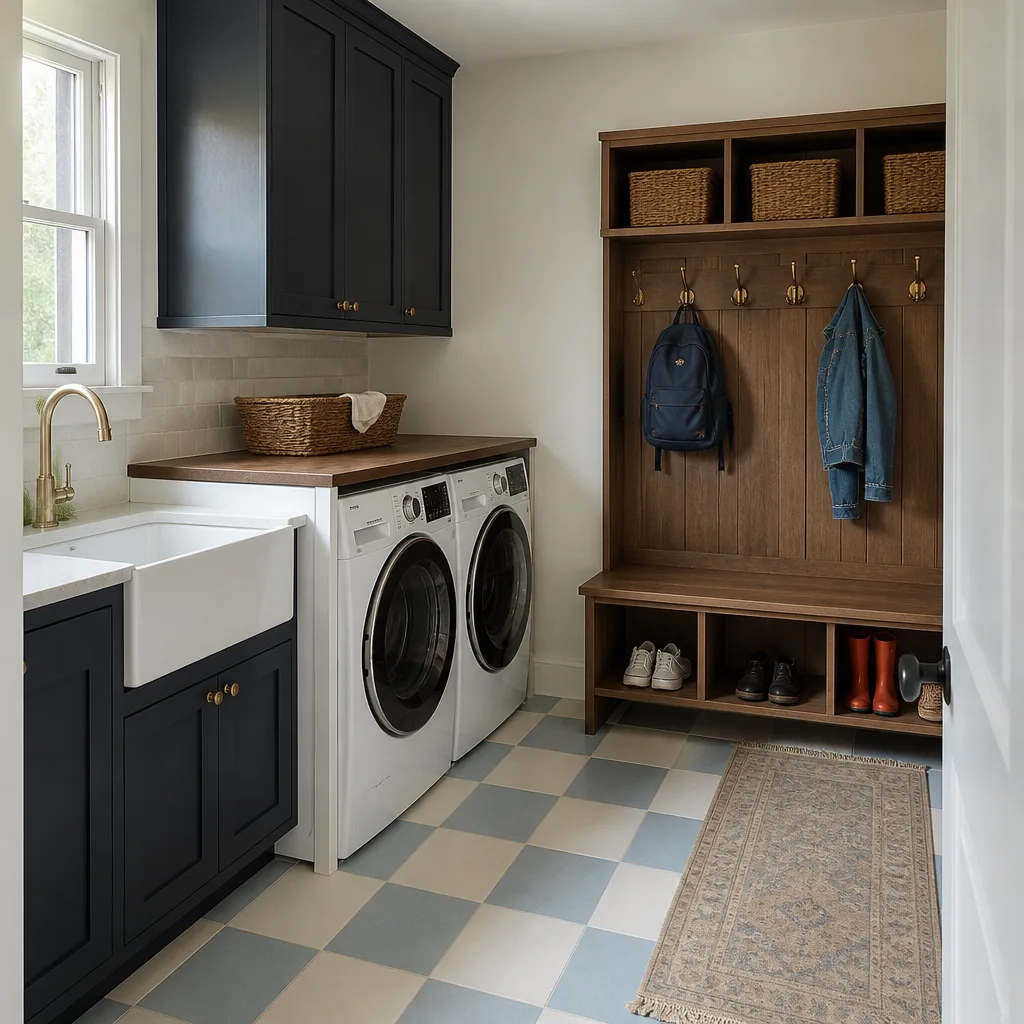
This is why we partner with specific manufacturers and name them on our projects. When you choose home renovation work through Sawyer Remodeling, you’re choosing from a known roster, not a mystery supplier. You’ll see Caesarstone or Silestone on your countertops, Kohler or Moen in your bathrooms, and Blanco in your kitchen sinks. These are manufacturer-backed products with warranties that extend beyond our own 365-Day Done Right Promise.
Here’s what that actually means for a Los Angeles homeowner:
- Warranty chains. If a Kohler fixture fails, Kohler’s warranty covers it. We handle the removal, replacement, and coordination. You don’t deal with the manufacturer directly.
- Availability. Named brands have distribution in LA. If a part is damaged during install, the replacement comes fast because the brand has local supply. Unnamed brands come from wherever, whenever.
- Resale value. Los Angeles buyers recognize name-brand materials. It’s a small thing, but it matters when you eventually sell.
Ask any contractor this: “What brands do you install, and can I verify them before we start?” A company that hesitates is buying whatever’s on sale that week. A company that answers immediately is running a real operation.
Common Mistakes to Avoid
- Choosing the lowest estimate. In LA, labor and materials are expensive for everyone. The low bid isn’t a bargain; it’s a contractor who hasn’t priced the job honestly and will recover the difference in change orders.
- Trusting aggregate review scores. A 4.8 average across 200 reviews sounds good, but check the dates. A company that was great three years ago and has been coasting since is not the company you’re hiring today.
- Skipping the written process question. If you don’t ask for the process up front, you won’t find out it doesn’t exist until week four when the project stalls and nobody calls you back.
- Ignoring permit responsibility. In Los Angeles, unpermitted work can come back to haunt you when you sell. Make sure your contractor pulls permits and passes inspections. If they suggest skipping permits to save money, that’s a red flag you shouldn’t ignore.
- Not asking about material brands. The difference between a named brand and a generic is the difference between a five-year lifespan and a fifteen-year one. Ask before you sign.
- Signing a contract without a written warranty. If the warranty isn’t in writing, it doesn’t exist. This sounds obvious, but an alarming number of LA homeowners sign contracts with no warranty clause at all.
- Hiring a company with no LA-specific experience. Contractors from other markets don’t know LA permits, LA inspectors, or LA soil. Your project becomes their learning experience.
When to Call a Professional
Some scope decisions you can make yourself. You know your budget, your timeline, and your taste. But the moment you’re looking at structural changes, extensive plumbing or electrical work, or a project that touches multiple rooms, the stakes go up significantly. That’s when the difference between a real operation and a marketing front starts costing you real money.
If you’re planning a remodel in Los Angeles and you want to see what a written process actually looks like in practice, Sawyer Remodeling offers free estimates. Call (254) 272-5876 and ask for the written process document. If you like what you see, we’ll walk you through the rest. If you don’t, you’ll have a useful benchmark for every other contractor you talk to.
Frequently Asked Questions
A full bathroom remodel in Los Angeles typically runs between $18,000 and $45,000 depending on scope, materials, and whether you’re moving plumbing or doing a finish-level update. See The Complete Bathroom Remodeling Guide for Los Angeles Homeowners for a deeper breakdown. Kitchen remodels usually start around $35,000 and go up from there. The honest answer is that no contractor can price your project accurately without seeing it, which is why a written estimate after a site visit is the only number that matters. Call (254) 272-5876 for a free estimate and we’ll put the real number in writing.
It will if you change the scope, which is normal and should always be documented in writing before work continues. What shouldn’t change is the price on agreed-upon work. Our written price guarantee means the number you approve before we start is the number on your invoice, unless you sign off on a change order. If a contractor can’t promise that in writing, that’s your answer.
Yes. We pull permits and pass inspections on every project that requires them in Los Angeles. Unpermitted work is not a shortcut worth taking, especially in a market like LA where buyers and insurers increasingly check for permit history before closing.
A typical bathroom remodel runs 3 to 6 weeks from demo to final inspection, depending on whether you’re moving plumbing, the availability of your chosen materials, and city inspection scheduling. Kitchen remodels run longer, often 6 to 12 weeks. We give you a written schedule before we start, and we update it in real time if anything shifts.
Call us. Our 365-Day Done Right Promise covers every project for a full year after completion. If something isn’t done right, we make it right. That’s written into the contract. Call (254) 272-5876 and we’ll send someone out.
Ask for the license number and verify it on the California Contractors State License Board website. Ask for proof of insurance and bond. Any legitimate contractor in Los Angeles will provide both without hesitation. If they deflect, end the conversation.
The Bottom Line

Choosing a remodeling company in Los Angeles comes down to one question: does this company have a written process, or do they have a nice website? The logo, the reviews, the Instagram feed, none of it predicts how your project will actually go. What predicts it is whether they put prices in writing, answer the phone, send photo updates, and stand behind their work with a guarantee that has real terms. Ask the questions in this guide. Compare the answers. The companies that perform well will have specific, documented responses. The rest will sound nice and mean nothing. You’re spending too much money in Los Angeles to settle for vague.
Written by Luca Romano, Owner at Sawyer Remodeling, serving Los Angeles since 2005.
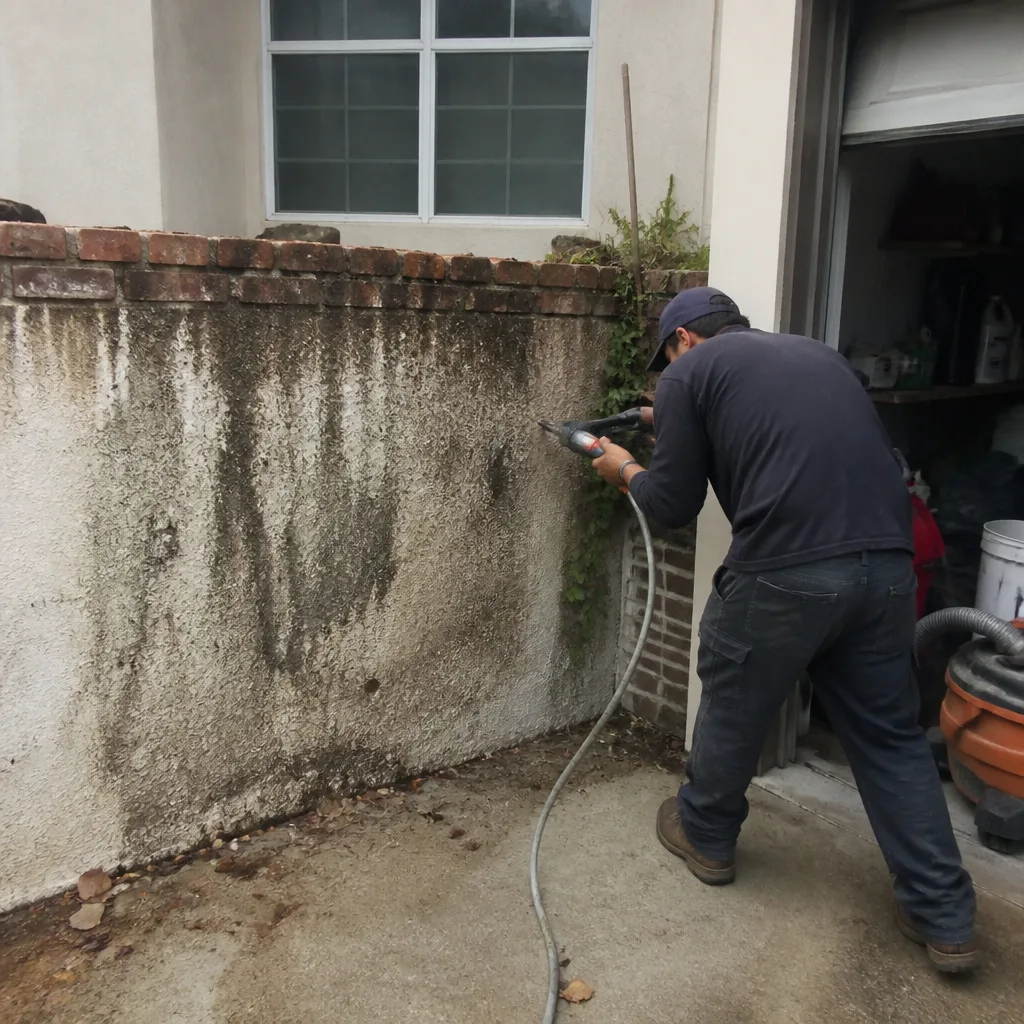
See the difference
 Before
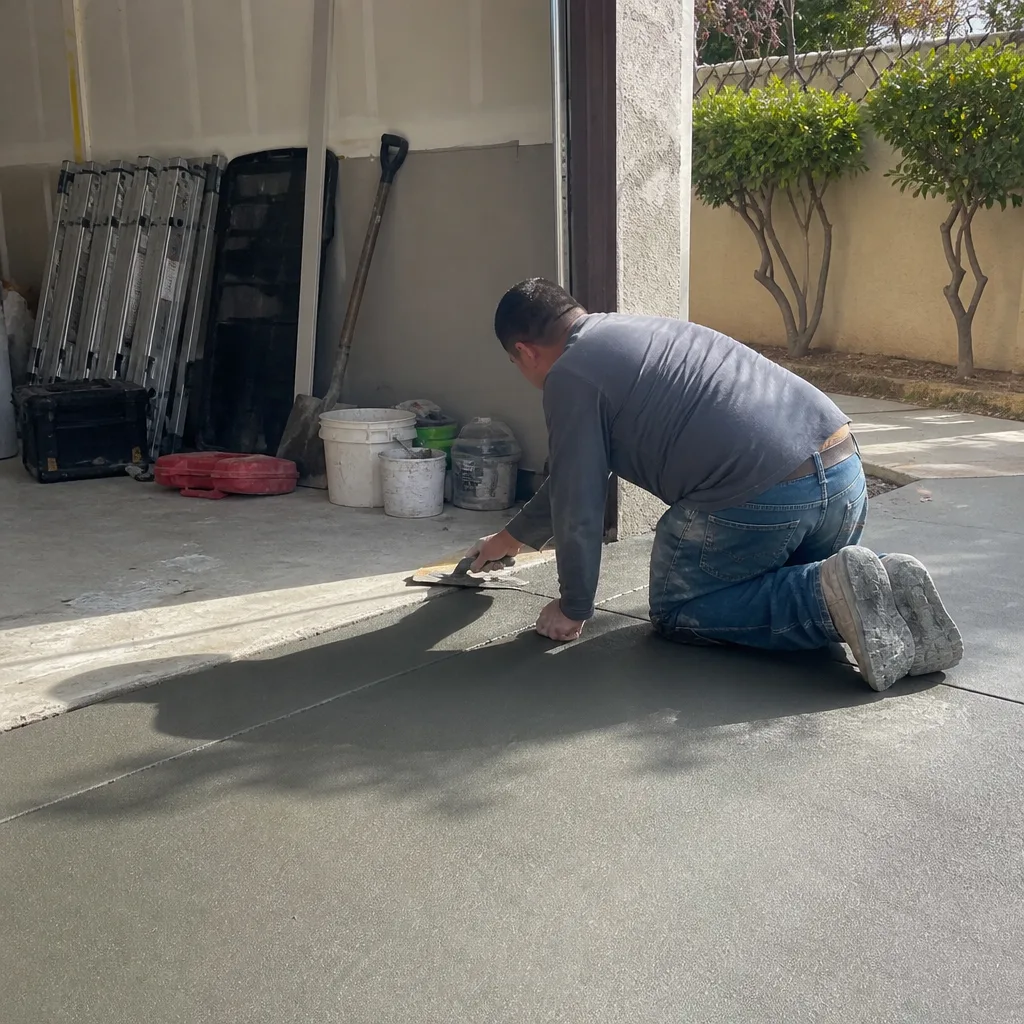 After
After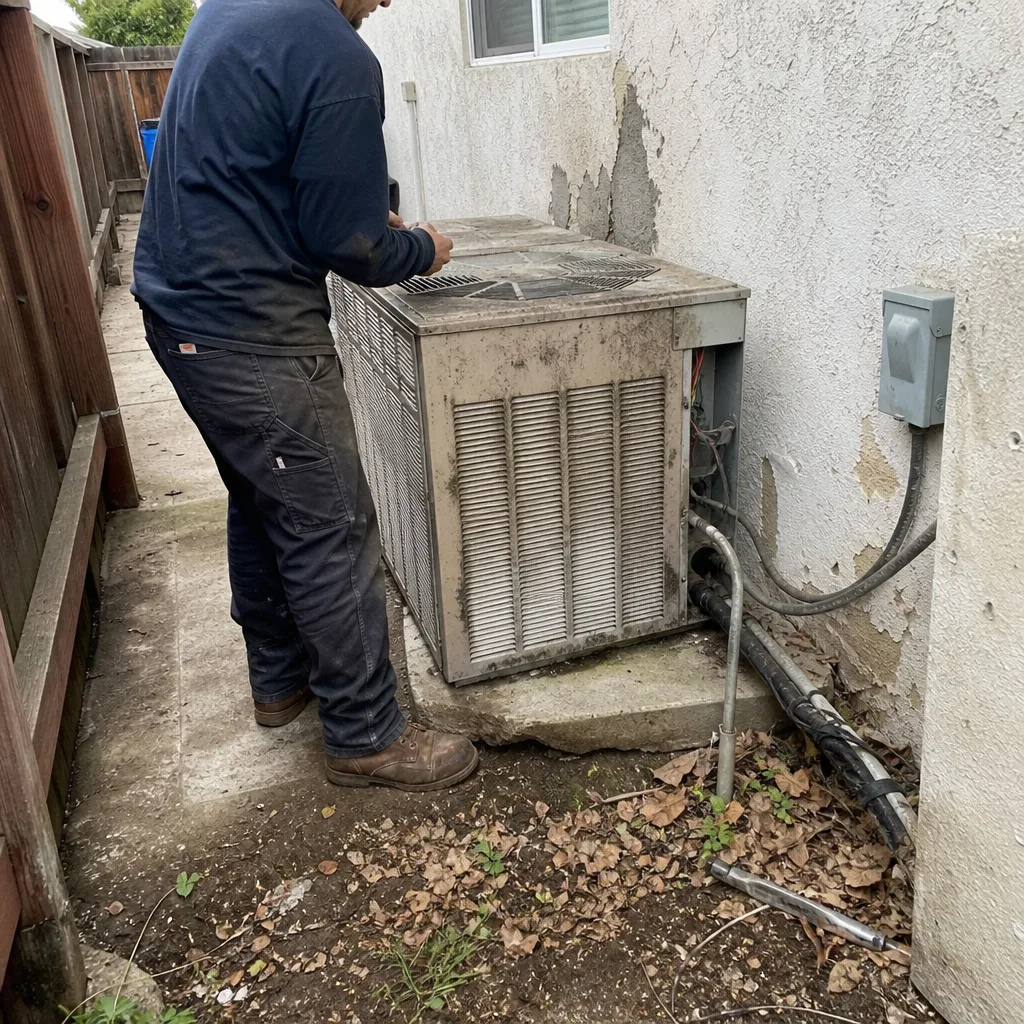 Before
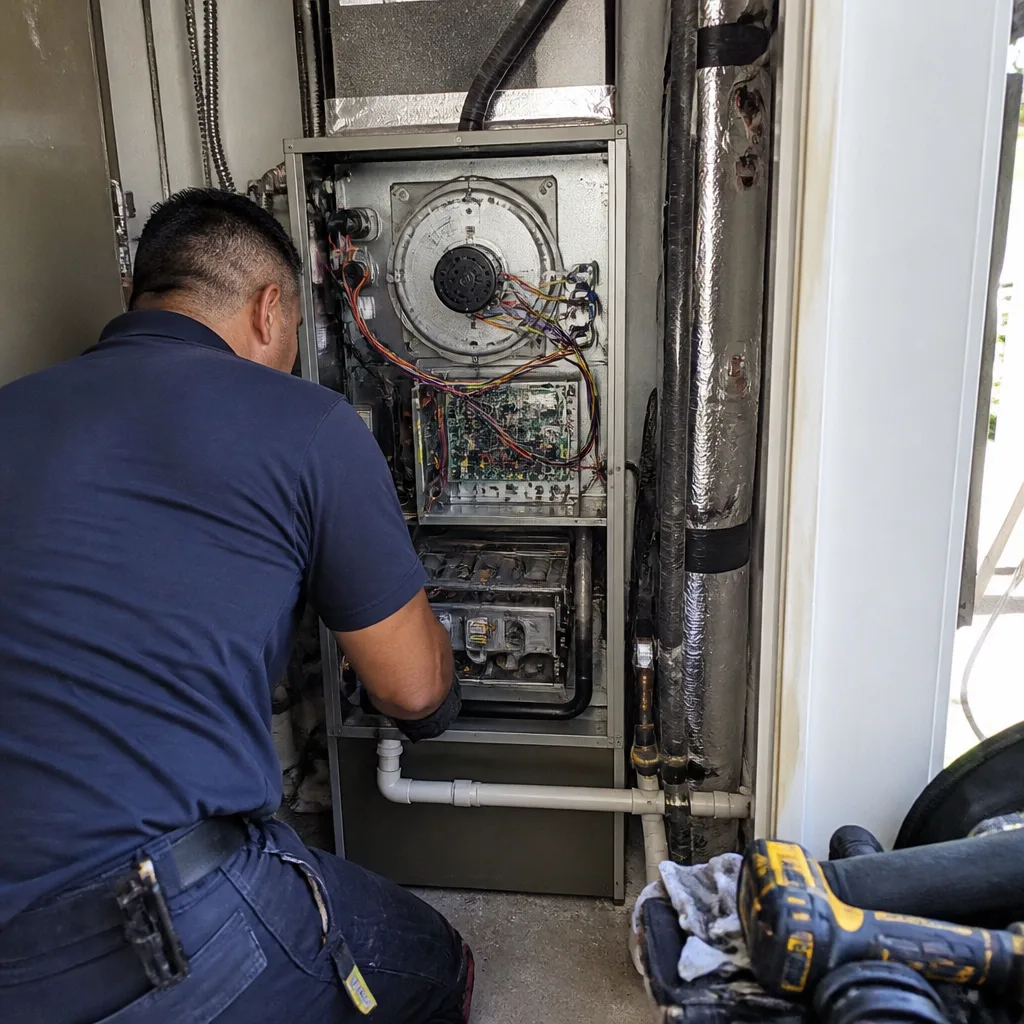 After
After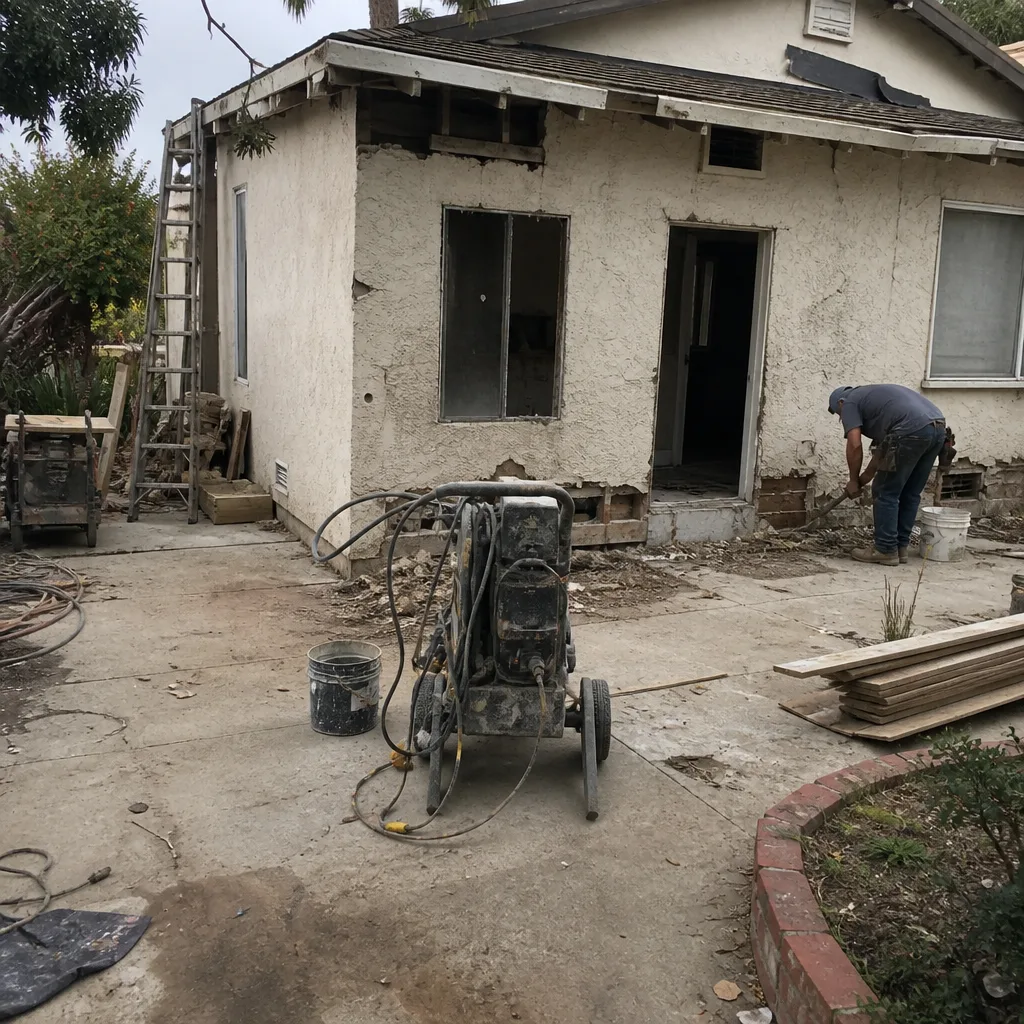 Before
 After
After