Last updated October 9, 2026
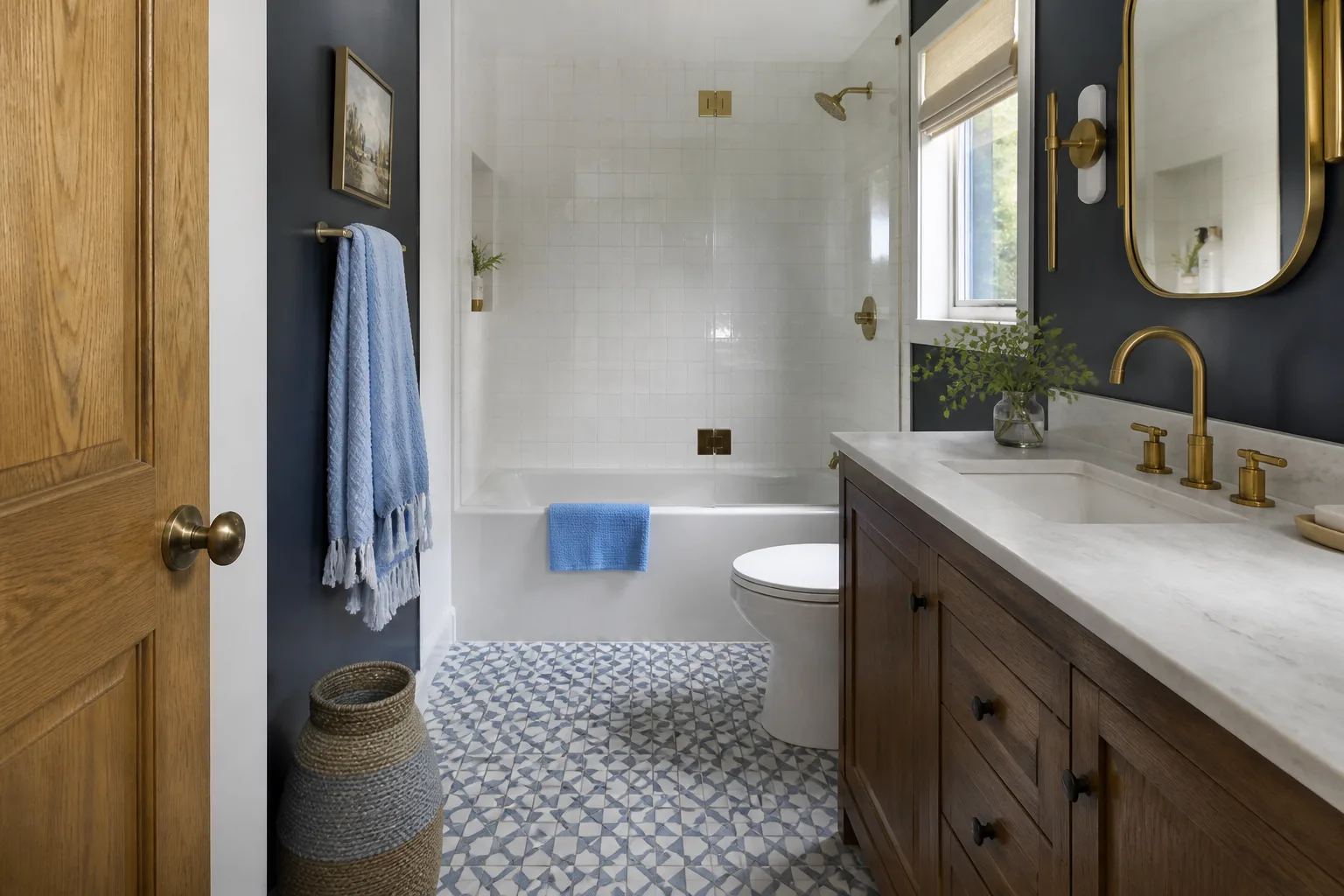
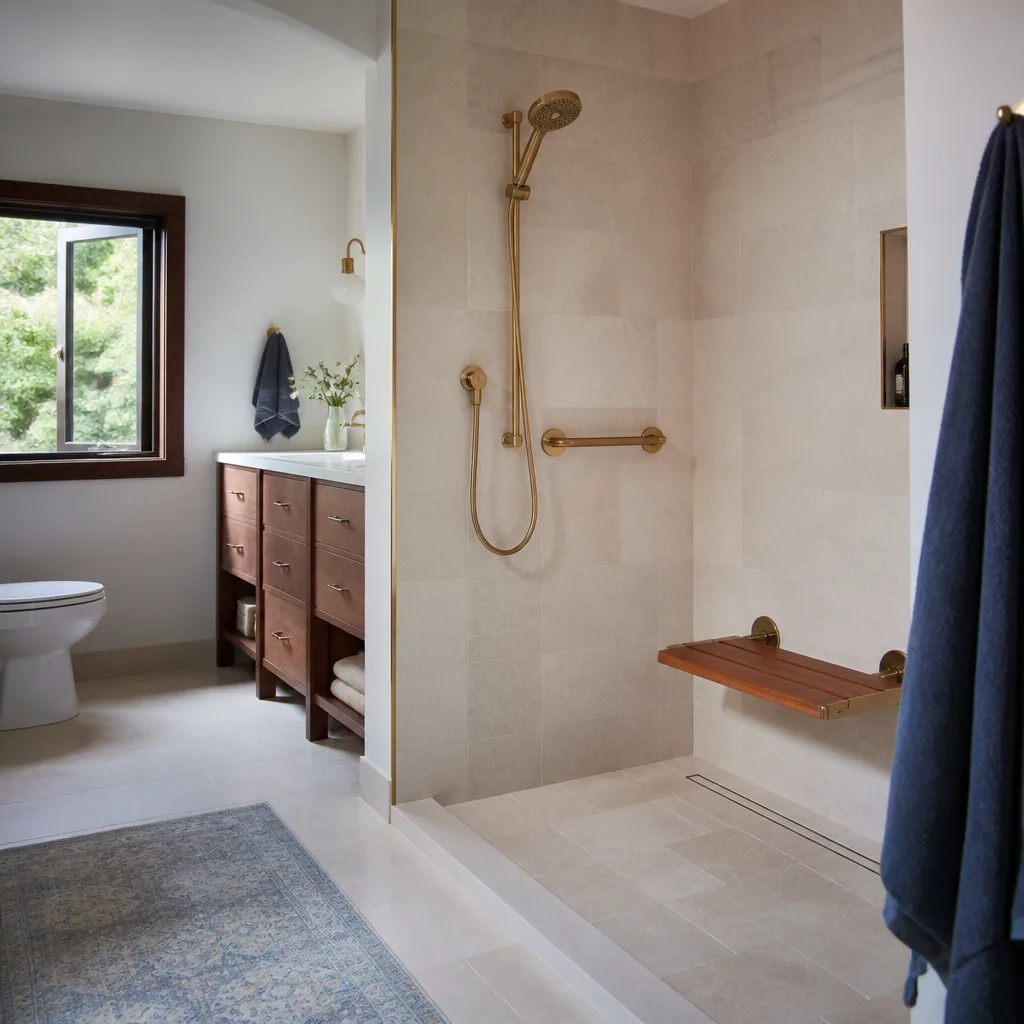
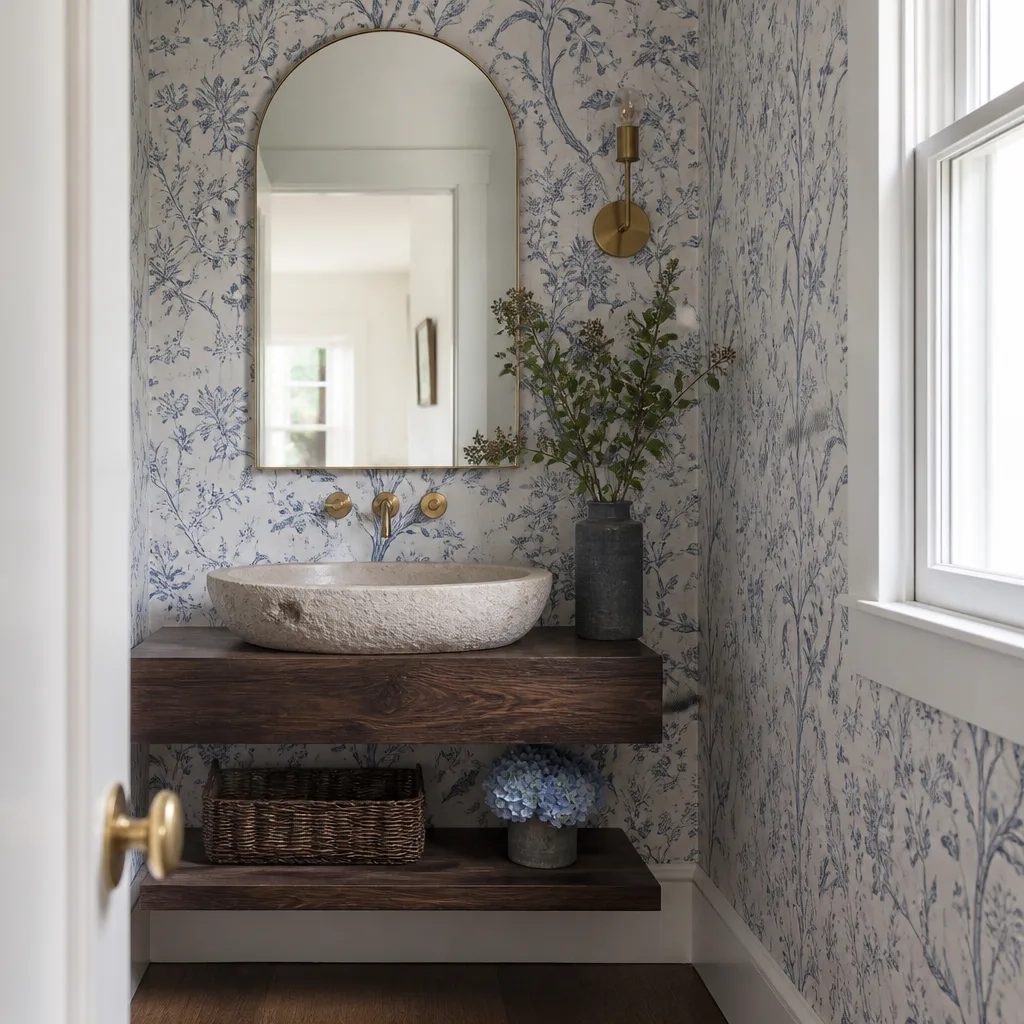
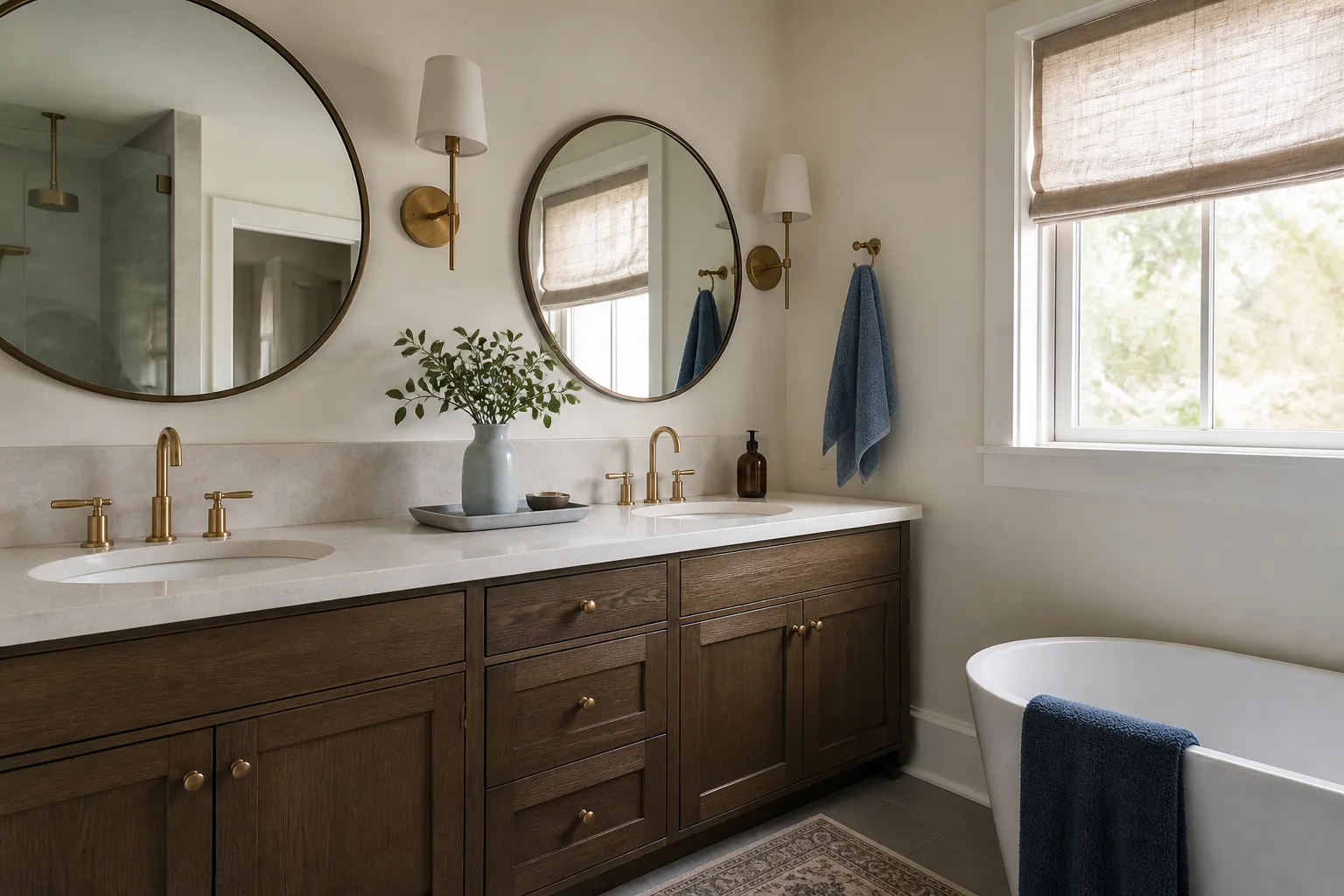

Free written scope consultation - allowances, timeline, and change-order rules on paper before a single trade is scheduled
The Complete Bathroom Remodeling Guide for Los Angeles Homeowners
In Los Angeles, a bathroom remodel that moves a single drain line without a permit isn’t a shortcut. It’s a future tear-out. When you sell the house, the buyer’s inspector finds the unpermitted work, the lender flags it, and you’re either ripping out tile to expose the plumbing or cutting the sale price by five figures. This Bathroom Remodeling guide walks you through the three layers most national guides ignore entirely: California Title 24 energy code, LADBS permit triggers, and LADWP water-efficiency mandates. You’ll learn what actually triggers a permit, what a realistic budget looks like in the current LA subcontractor market, and how to sequence the work so you’re not paying a tile setter twice.
Styles & brands we work with

Quick Answer
A bathroom remodel in Los Angeles typically costs between $18,000 and $65,000 depending on size and finish level, and any work that moves a drain line, adds a fixture, or alters the wet wall requires an LADBS permit before the work begins. The permit itself often starts around $400 for straightforward remodels, but skipping it creates a compliance headache that costs far more when you sell. The legal path is clear: know your permit trigger, follow Title 24 and LADWP fixture rules, and vet your contractor for waterproofing experience specifically. For a deeper dive, see The Complete Guide to Construction in Los Angeles.
Table of Contents
- LADBS Permit Triggers: What Actually Requires a Permit
- Over-the-Counter vs. Plan-Check: How Long Each Takes
- California Title 24 and LADWP Water Rules: What You Can Legally Install
- Realistic Cost Ranges by Bathroom Size and Finish Level
- Line-Item Pricing: Where Your Money Actually Goes
- How to Vet a Bathroom Remodel Contractor in Los Angeles
- The Sequencing of Trades: Why Order of Operations Matters
- Common Mistakes to Avoid
- When to Call a Professional
- Frequently Asked Questions
- The Bottom Line
LADBS Permit Triggers: What Actually Requires a Permit
The Los Angeles Department of Building and Safety uses a simple threshold: if you’re swapping finishes like tile, paint, a vanity, or a toilet in the same footprint, no permit is required. The moment you move a drain line, add a shower where there wasn’t one, relocate a toilet, or open up the wet wall to change plumbing routing, you’ve crossed into permit territory. Los Angeles treats unpermitted plumbing work seriously because a bad drain slope or an improperly vented line fails quietly for years before it surfaces as mold or sewer gas.
Here’s the practical trigger list we use on every LA bathroom estimate:
- No permit needed: replacing tile, swapping a vanity, installing a new toilet in the same location, changing fixtures, painting, new lighting on existing wiring.
- Permit required: moving a toilet, moving a sink drain, adding a second sink, converting a tub to a shower, adding a new bathroom, moving or adding walls, any change to the drain-waste-vent system.
- Gray area that often surprises people: replacing a tub with a walk-in shower in the same footprint usually means changing the drain location from the tub’s end-drain to a center-drain shower pan. That drain move triggers the permit, even though the shower occupies the same floor space.
In our experience across bathroom remodeling in Los Angeles, roughly two-thirds of the projects we quote require a permit once the homeowner tells us what they actually want. The other third are finish-level updates that don’t touch plumbing or structure.
The reason everyone says “don’t move the toilet” isn’t just cost. It’s that a toilet drain is 3 inches in diameter and needs a specific slope to carry waste properly. Move it six feet and your plumber may need to open the floor joists, reroute the line, and re-vent the fixture. That’s a different project than swapping a vanity.
Over-the-Counter vs. Plan-Check: How Long Each Takes
LADBS offers two permit paths for bathroom work. Knowing which one you’re on determines your timeline before a single trade shows up.
- Over-the-counter (OTC) permits. Issued same-day at an LADBS office for straightforward work: minor plumbing modifications, fixture swaps that don’t change the wet wall layout, simple electrical additions like a new circuit for a heated floor. You show up with a simple drawing and spec sheet, pay the fee, and walk out with an approved permit that day. Expect $200 to $600 for most OTC bathroom permits, depending on the valuation of the work.
- Plan-check permits. Required when you’re moving drains, changing the floor plan, adding square footage, or doing anything structural. You submit drawings, a plumbing riser diagram, and product data sheets. The plan-check review at LADBS currently runs about 2 to 4 weeks for a typical bathroom remodel, and then you’re issued a permit. Fees run higher, often $800 to $2,500, because the city calculates fees off the project valuation.
Los Angeles also has specific rules for condos and apartments that single-family homes don’t face. If you’re in a condo, the HOA typically requires an architectural review before you touch anything, and some buildings have specific sound-control and waterproofing requirements above the city code. A bathroom remodel in a high-rise on Wilshire is a fundamentally different project than the same remodel in a single-story home in the Valley, and the permit path reflects that.
One thing that catches LA homeowners off guard: LADBS inspectors work by appointment in specific time windows, and a failed inspection means rescheduling, which costs you a week or more in an already tight construction schedule. A contractor who sequences the work correctly avoids most inspection failures before they happen, which is exactly what The Relay Standard is designed to do: live arrival times for inspectors, photo updates of the work before it gets covered, and a written record of every step.
California Title 24 and LADWP Water Rules: What You Can Legally Install
California adopted Title 24 energy efficiency standards in 1978, and the 2022 code cycle added stricter bathroom requirements that LA enforces aggressively. The short version: any new or replaced lighting in your bathroom must be high-efficacy LED, and any exhaust fan you install must meet specific airflow and noise standards. If you’re adding a new bathroom or doing a gut remodel, you may also need to meet the state’s ventilation requirements, which means a fan rated for continuous operation and on a timer or humidity sensor.
The Los Angeles Department of Water and Power adds a second layer with its water conservation ordinance. Here’s what you can and cannot install in an permitted LA bathroom remodel:
- Toilets: Maximum 1.28 gallons per flush. Most modern Toto and American Standard models meet this, but check the spec sheet before you buy. Older 1.6 GPF models are no longer legal for new installs in Los Angeles.
- Showerheads: Maximum 1.8 gallons per minute in LA, tighter than the state’s 2.0 GPM baseline. Multi-head shower systems with higher combined flow rates run into compliance questions fast.
- Bathroom faucets: Maximum 1.2 GPM at 60 PSI. Most current faucets meet this, but import fixtures that look great online may not carry the California compliance marking.
- Recirculating pumps: If you’re adding a hot water recirculation system to avoid wasting water while you wait for hot water at a far bathroom, the pump must meet LADWP efficiency standards. This matters in large LA homes where the water heater is 40 feet from the master bath.
Waterproofing is the third leg of the compliance stool. Los Angeles is a seismic zone, and homes move. A waterproofing system that works great in Phoenix fails in LA because the wall-to-floor junction in a tiled shower endures micro-movement during earthquakes, even small ones. We specify Schluter edge trim (the metal strip that waterproofs where your tile meets the floor) and Schluter membrane systems on nearly every shower we build in Los Angeles for exactly this reason. The materials cost a few hundred dollars more, and they’re the difference between a shower that lasts 30 years and one that fails at the curb in five.
Realistic Cost Ranges by Bathroom Size and Finish Level
Los Angeles bathroom remodeling costs are driven by three things: labor rates for licensed trades, the age of the building you’re working in, and your finish level. Here’s what we’re seeing in the current LA subcontractor market, from 2024 into 2025:
| Bathroom Type | Budget Finish | Mid-Range Finish | High-End Finish |
|---|---|---|---|
| Powder room (20 – 30 sq ft) | $12,000 – $18,000 | $18,000 – $28,000 | $28,000 – $40,000 |
| Hall bath (35 – 50 sq ft) | $18,000 – $28,000 | $28,000 – $45,000 | $45,000 – $70,000 |
| Primary bath (60 – 100 sq ft) | $35,000 – $50,000 | $50,000 – $80,000 | $80,000 – $140,000+ |
These ranges assume a licensed general contractor running the project. You can pay less with a handyman and no permit, and you’ll find out why that’s a bad idea the first time an inspector or a homebuyer asks for your paperwork. You can also pay far more if you’re in a building with no elevator access, or your home has cast-iron drain lines from the 1940s that need extensive replacement.
The most expensive neighborhoods in Los Angeles also command higher labor rates, because the subcontractors who work in Brentwood, Hancock Park, and Pacific Palisades charge a premium that reflects parking, access, and client expectations. The same mid-range primary bathroom that costs $60,000 in Sherman Oaks can run $75,000 in Santa Monica. That’s the Los Angeles market, and it’s not going away.
Line-Item Pricing: Where Your Money Actually Goes
Here’s the line-item breakdown on a typical mid-range hall bath remodel in Los Angeles, 40 square feet, with a tub-to-shower conversion and no structural changes:
- Demolition and disposal: $1,500 – $2,500. In LA, disposal costs include dump fees and time, and if your building requires scheduling the elevator or parking a bin on a permitted street, that cost rises.
- Plumbing rough-in (drain move, new supply lines, new valve): $3,000 – $5,500. This is the work that requires a licensed plumber, and it’s the most common place unlicensed crews cut corners in Los Angeles.
- Electrical rough-in (new circuit, GFCI, lighting boxes, fan): $1,200 – $2,500. The Title 24 fan and lighting requirements live here.
- Waterproofing and tile prep: $2,500 – $4,500. This includes the Schluter membrane or equivalent, the pan, and the labor to get the substrate dead-flat before a single tile goes up.
- Tile installation (floor and shower walls, standard 12×24 porcelain): $3,500 – $6,000. Labor is the biggest driver. Large-format tile, mosaics, and natural stone all push this up.
- Fixtures (toilet, vanity, sink, faucet, shower trim): $2,000 – $6,000. Kohler and Toto mid-range fixtures land here; Sterling tubs and pans are a reliable mid-range alternative when you’re keeping the tub.
- Vanity and countertop: $1,500 – $4,000. Stock cabinets with a quartz top from Cambria or Caesarstone land at the low end; custom cabinetry moves up fast.
- Painting and finish work: $800 – $1,500. Bathrooms need mildew-resistant paint in LA’s coastal humidity zones.
- Permit fees and inspection coordination: $400 – $1,800 depending on valuation and whether plan-check is required.
- General contractor overhead and project management: 15 – 20% of the total. This is the line where a written price and a live schedule is worth what it costs, and where a cheap contractor is actually the most expensive option.
Total for this project: roughly $22,000 to $38,000, which tracks with the hall bath range above. When you call a contractor and they quote $50,000 for the same scope, ask to see the line-item breakdown. A professional will show you exactly where the money is going, and that’s what a written price under The Relay Visibility Guarantee is for: the number you approve before the first tool is picked up is the number on your final invoice.
How to Vet a Bathroom Remodel Contractor in Los Angeles
Most contractor horror stories in Los Angeles come down to one of three failures: the plumber wasn’t licensed for the work being done, the waterproofing was installed by a tile setter with no moisture-management training, or the timeline was fiction from day one. Here’s the vetting process we recommend, and it’s the same standard we hold ourselves to on every general contractor project in Los Angeles:
- Verify the plumbing license class. In California, bathroom plumbing work requires a C-36 plumbing contractor or a general contractor who pulls a permit and uses a licensed plumber for the actual drain work. Ask who does the rough-in, and ask for the license number. If they hesitate, walk away.
- Ask about waterproofing by name. “What waterproofing system do you use, and who installs it?” is the most revealing question you can ask in a bathroom remodel interview. A real answer names a system like Schluter, Wedi, or Hydro Ban, and tells you that a trained installer applies the membrane and the tile setter builds on top of it. A bad answer says “the tile guy handles all of that.”
- Check the project management method. The biggest difference between a $40,000 bathroom that finishes in six weeks and the same bathroom that drags for four months is whether someone is actively scheduling trades in sequence. Ask how they handle scheduling conflicts, how they communicate delays, and what you’ll see during the project. The answer should include photo updates, live arrival times, and a written schedule, not “we’ll keep you posted.”
- Get the price in writing before you sign. Not an estimate. A written, line-item price with the scope spelled out, the fixtures named, and the permit path identified. If a Los Angeles contractor won’t put the number in writing before work starts, the invoice will not match the handshake.
We’ve built home renovation projects in Los Angeles for nearly two decades under the Relay Home Co. umbrella, and the vetting questions above are exactly the ones we answer without being asked. A good contractor expects the questions. A great one answers them in the first meeting.
The Sequencing of Trades: Why Order of Operations Matters
The number one cause of rework in an LA bathroom remodel is out-of-sequence work, and it usually looks like this: the tile setter shows up before the plumbing inspection passes, or the drywall goes up before the electrician has run the circuit for the heated floor. Now you’re cutting holes in fresh drywall, resetting tile, and paying for labor twice.
Here’s the correct sequence for a permitted bathroom remodel in Los Angeles, step by step:
- Demolition to the studs. Everything comes out, including the old drywall and tile. The framing is exposed and ready for rough-in work.
- Framing changes. If you’re moving a wall, building a shower bench, or relocating a toilet, the framing happens here, before any pipes or wires.
- Plumbing rough-in. The licensed plumber moves the drains, sets the new shower pan, installs the mixing valve, and runs supply lines. This work is visible and inspectable.
- Electrical rough-in. The electrician runs the new circuit, boxes for the vanity lights, the exhaust fan, and any heated floor mat. This has to happen before the walls are closed.
- Rough-in inspection. The LADBS inspector checks the plumbing and electrical against the submitted plans. This is the pass-fail moment that makes or breaks your timeline.
- Insulation and wallboard. Once the rough-in passes, the walls get closed up. In Los Angeles, bathrooms need moisture-resistant board behind tile, and some coastal zones require additional vapor considerations.
- Waterproofing and tile. The waterproofing membrane goes on the shower walls and floor, then the tile setter builds the finished surfaces. Floor tile goes in after the shower so the floor can be pitched correctly to the drain.
- Fixture trim-out. The plumber returns to set the toilet, the sink, the faucet, and the shower trim. The electrician returns to install the fixtures, the fan, and the switches.
- Final inspection. The LADBS inspector verifies everything is installed to code. This is the piece of paper you want in the file when it’s time to sell.
Each step depends on the one before it. A contractor who skips ahead to make the schedule look fast is creating a rework bill, and the homeowner pays for it. The Relay Standard exists for this exact reason: a live arrival time for every trade, photo updates before and after each phase, and a written record of what got done and what’s next.
Common Mistakes to Avoid
- Moving a drain without a permit. It happens constantly in Los Angeles, and it surfaces every time a home changes hands. A title search that turns up unpermitted bathroom work is legally a disclosure item, and it kills deals or forces a tear-out.
- Buying fixtures before the permit is issued. LADWP compliance rules are strict, and that beautiful rainfall showerhead you ordered from an Italian manufacturer may not meet the 1.8 GPM cap. We see returns every month from homeowners who bought first and checked code later.
- Choosing tile over waterproofing. A bathroom that looks perfect on day one can be leaking into the subfloor by year three. The tile is cosmetic. The membrane underneath it is structural. Prioritize accordingly.
- Hiring the low bid and ignoring the line items. Los Angeles has a huge range of contractor pricing, and the bottom of the market is usually unlicensed, uninsured, or using day labor for plumbing. The low bid is rarely the low cost.
- Not factoring in the old-house tax. Homes built before 1978 in Los Angeles often have cast-iron drain lines that need replacement when you open the floor. Budget 10 – 15% extra for contingencies on any bathroom in a home older than 40 years.
- Running the project yourself to save the contractor fee. Coordinating a plumber, electrician, tile setter, and inspector in Los Angeles without experience is a full-time job. If you have a full-time job already, the project stalls and the trades move on to other sites.
- Skipping the final inspection. Some contractors will offer to “finish up” without calling the inspector back. That saves a day, and it leaves you with a bathroom that has no legal record of its own construction. Don’t do it.
When to Call a Professional
You should call a licensed general contractor for any bathroom remodel that touches plumbing, electrical, or waterproofing, which is nearly every project beyond a paint-and-fixture refresh. The specific red lines are: moving a drain, adding a shower, converting a tub to a shower, any work on the wet wall, any new circuit, or any project in a condo where the building requires a licensed contractor and a COI on file. If you’re not sure whether your project crosses the permit line, a professional consultation costs you nothing and gives you a written answer. Sawyer Remodeling offers free estimates in Los Angeles. Call (254) 272-5876 and we’ll walk you through the permit questions, the fixture compliance issues, and the budget range for your specific bathroom, with a written price before any work starts.
Frequently Asked Questions
A bathroom remodel in Los Angeles typically costs between $18,000 and $65,000 depending on the size of the bathroom, the finish level, and whether you’re moving plumbing or staying in the existing footprint. Powder rooms run $12,000 to $40,000, hall baths run $18,000 to $70,000, and primary baths run $35,000 to $140,000 and up. Call (254) 272-5876 for an exact quote, with a written line-item price so you know where every dollar goes before work starts.
You need an LADBS permit if you’re moving any drain line, adding a fixture, relocating a toilet, converting a tub to a shower, or opening the wet wall to change plumbing routing. Finish-level updates like tile, paint, a new vanity, or a same-location toilet swap don’t require a permit. If you’re not sure, call (254) 272-5876 and we’ll tell you exactly which path your project falls on.
Los Angeles requires toilets at 1.28 gallons per flush or less, showerheads at 1.8 gallons per minute or less, and bathroom faucets at 1.2 GPM or less. Most current Toto and American Standard models meet these standards, but check the spec sheet before you buy anything. Call (254) 272-5876 for a fixture compliance review as part of your free estimate.
A permitted, mid-range bathroom remodel in Los Angeles typically takes 4 to 8 weeks from demolition to final inspection. The LADBS plan-check process can add 2 to 4 weeks before work starts if you’re moving drains or changing the floor plan. A contractor running a tight schedule with live arrival times will land closer to the 4-week mark. Call (254) 272-5876 for a timeline specific to your scope.
It shouldn’t, and at Sawyer Remodeling it doesn’t. Every project runs on The Relay Visibility Guarantee: a written price before any work starts, so the number on the final invoice is the number you approved. The only reason a price changes mid-project is if the homeowner adds scope, like upgrading tile after the quote was issued. Call (254) 272-5876 and you’ll get a written price with the full scope spelled out before you sign anything.
The contractor should pull the permit under their license. It puts the legal responsibility on the person doing the work, and it’s the standard for any professional general contractor in Los Angeles. If a contractor asks you to pull the permit as the homeowner, that’s a red flag that they may not be properly licensed. Call (254) 272-5876 and we’ll handle the permit path as part of the project, including scheduling inspections and coordinating with LADBS.
The Bottom Line
A bathroom remodel in Los Angeles is a compliance project as much as a design project. For more guides & resources, explore our blog. Know your permit trigger, follow Title 24 and LADWP fixture rules, and the construction itself is the easy part. The real decision is choosing a contractor who puts the price in writing, sequences the trades correctly, and documents the work from demolition to final inspection. That’s what the 365-Day Done Right Promise and The Relay Visibility Guarantee exist for: a live arrival time, photo updates before and after, and a written price before the first tool is picked up. Do it right the first time, and the bathroom you build in 2025 is the one that sells the house in 2035.
Written by Luca Romano, Owner at Sawyer Remodeling, serving Los Angeles since 2005.
See the difference
 Before
 After
After Before
 After
After Before
 After
After