Last updated October 9, 2026





Free written scope consultation - allowances, timeline, and change-order rules on paper before a single trade is scheduled
The Complete General Contractor Guide for Los Angeles Homeowners
Los Angeles issues more building permits than any other US city, and it also posts one of the highest rates of unlicensed contractor complaints filed with the Contractors State License Board. Those two facts are connected. Most national hiring guides skip LA’s permitting maze, seismic retrofit rules, and hillside grading codes because they were written for Phoenix or Dallas. This guide isn’t. It’s built for Los Angeles homeowners who want to hire a general contractor, know exactly what they’re signing, and avoid becoming a CSLB case number.
Quick Answer
To hire a general contractor in Los Angeles, you verify their CSLB license at cslb.ca.gov, confirm they pull LADBS permits themselves, check for LA County complaints, and put every payment term in a contract that respects California’s 10% or $1,000 deposit cap. Local seismic and hillside rules add cost that out-of-state guides ignore, so we break those down below. A written scope of work and a payment schedule tied to inspections, not calendar days, is what keeps your project on track.
Styles & brands we work with




Table of Contents
- How to Verify a Contractor’s CSLB License in Los Angeles
- Which Permits LADBS Requires Your GC to Pull
- Seismic Retrofit and Hillside Grading: The LA Cost Multipliers
- How to Structure a Payment Schedule That Follows California Law
- Red Flags Specific to the Los Angeles Contractor Market
- Contract Clauses That Actually Hold LA Contractors Accountable
- What Name-Brand Materials Should Be in Your LA Remodel
How to Verify a Contractor’s CSLB License in Los Angeles
The single most important step in Los Angeles is checking a contractor’s license number before you sign anything. The CSLB website takes two minutes, and it tells you the license classification, the date it was issued, whether it’s active or suspended, and whether the contractor carries workers’ compensation insurance. A General Building Contractor here should hold a Class B license. If someone shows you a Class C specialty license for a whole-home renovation, that’s a red flag: they’re licensed for one trade, not to run the whole job.
Here’s the verification sequence we recommend to homeowners in Los Angeles:
- Go to cslb.ca.gov and click License Check. Enter the license number or business name.
- Confirm the license class matches the work. Class B for general contracting. Class C for a single trade.
- Check the license status. Active is the only acceptable answer. Suspended, expired, or revoked means walk away.
- Look at the workers’ comp insurance field. If the contractor has employees and no workers’ comp, you could be liable if someone gets hurt on your property.
- Note the license issue date. A brand-new license isn’t automatically disqualifying, but in LA’s market we’ve seen a lot of phoenix operations: someone loses a license, reincorporates under a new name, and starts over. A license issued within the last 12 months deserves extra scrutiny.
The CSLB also maintains a complaint disclosure database. Los Angeles County specifically generates a significant share of California’s contractor complaints, so check for any active or resolved complaints tied to the license number. One resolved complaint from 2014 may not matter. Three active complaints filed in the last two years for abandoned work in the San Fernando Valley or South Bay absolutely do.
We’ve met Los Angeles homeowners who hired a contractor they found on a social media app, never checked the license, and discovered mid-remodel that the person on their property was not the person named on the contract. That’s not a vetting failure. That’s a check that took two minutes and never happened. At Sawyer Remodeling, our team is background-checked and licensed, and you’ll know exactly who walks into your home before they arrive. But regardless of who you hire, run the CSLB check first.
Which Permits LADBS Requires Your GC to Pull
The Los Angeles Department of Building and Safety, LADBS, requires permits for most work beyond cosmetic finishes. Here’s the honest breakdown: a full bathroom remodel that moves plumbing, a kitchen remodel that changes electrical or gas lines, any wall removal, any window or door enlargement, roof replacements, foundation work, and every ADU conversion all require permits in Los Angeles. Painting, flooring, cabinet replacement, and countertop installation typically don’t, unless the countertop work involves moving a gas line behind the range.
What surprises a lot of Los Angeles homeowners is who is responsible for pulling the permit. The contractor should pull permits in their own name. If a contractor asks you to pull the permit as the homeowner, that’s a problem on two fronts. First, the permit holder is legally responsible for code compliance and inspections. Second, contractors who request homeowner-pulled permits are often trying to avoid the LADBS knowing they’re doing the work, which usually means they lack proper licensing, insurance, or both. The only exception is a true owner-builder project where you act as your own GC, which we don’t recommend unless you have construction management experience.
Permit costs in Los Angeles vary by project scope. A straightforward bathroom remodel permit might run a few hundred dollars. A whole-home renovation with structural changes, new square footage, or ADU conversion can run into the thousands before the project starts. Your written bid should list permit fees as a line item, and your contractor should pull the permits before demolition begins. If you’re comparing bids and one contractor says permits will be handled later, cross them off the list.
Seismic Retrofit and Hillside Grading: The LA Cost Multipliers
Los Angeles sits on a network of fault lines, and LADBS has some of the strictest seismic safety requirements in the country. If your home was built before 1980 and you’re doing structural work – adding square footage, removing walls, or converting a garage – the city may require a seismic retrofit as part of the permit. That means foundation bolting, cripple wall bracing, or soft-story reinforcement depending on the structure. None of that is cheap, and none of it shows up in a national contractor guide.
In hillside neighborhoods like Echo Park, Mount Washington, Silver Lake, and Baldwin Hills, grading rules add another layer. LADBS requires soils reports and engineering for any work on a slope steeper than a certain grade. Retaining walls, drainage plans, and erosion control become part of the scope. We’ve seen projects in the Hollywood Hills where grading and foundation engineering added 15 to 25 percent to the total budget before a single finish surface was picked. That’s not contractor markup; that’s what building on a hillside in an earthquake zone costs.
Here’s what you should budget for in Los Angeles specifically:
- Seismic retrofit work, if triggered by your project’s scope: typically $5,000 to $15,000 depending on home size and foundation type.
- Soils report and engineering for hillside work: $3,000 to $8,000 before construction begins.
- LADBS plan check fees for structural work: a few hundred to several thousand dollars, scaled to your project.
- Grading permits for any hillside excavation: $1,500 to $5,000 depending on slope and volume of earth moved.
These aren’t optional add-ons. They’re requirements enforced by the city, and a general contractor who doesn’t mention them in the initial conversation either doesn’t know LA building codes or doesn’t plan to follow them. Ask about seismic and grading early. If the answer is vague, keep looking.
How to Structure a Payment Schedule That Follows California Law
California Business and Professions Code caps the down payment for any home improvement project at 10 percent of the total contract price or $1,000, whichever is less. That’s not a suggestion. A contractor who asks for 30 or 50 percent upfront to “buy materials” is asking you to break state law. Walk away. The only exception applies to certain custom-order items like specialty cabinetry, and even then the deposit must stay within the cap for the overall contract.
Beyond the deposit cap, your payment schedule should be tied to completed milestones, never to calendar dates. Here’s a schedule structure that protects Los Angeles homeowners:
- Deposit at signing: no more than 10% or $1,000, per California law.
- Payment after demolition and rough-in inspection passes: the point where framing, plumbing rough-in, and electrical rough-in are complete and LADBS has signed off.
- Payment after drywall and finish work begins: tile, cabinetry installation, and trim.
- Payment after final walkthrough and LADBS final inspection: this is the completion payment, not before.
- Hold back 5 to 10 percent until every punch list item is resolved in writing.
Every one of these payment points should be tied to an LADBS inspection result where applicable. That keeps the contractor’s incentive aligned with passing inspections, not just finishing work. In our experience, Los Angeles homeowners who tie payments to inspections almost never end up chasing a contractor with a half-finished bathroom. The ones who pay on a calendar schedule do.
Red Flags Specific to the Los Angeles Contractor Market
Los Angeles has a deep, sophisticated contractor market, and for every legitimate remodeler there are operators who know exactly how to exploit the gaps in what homeowners don’t check. These are the red flags we see most often in LA County, in no particular order:
- Unlicensed day-labor subs. The GC looks legitimate, but the crew doing the work is paid in cash by the day, and no one on site is a W-2 employee. If someone gets hurt, your homeowners insurance is on the line. Ask who is doing the work and verify workers’ comp on the CSLB record.
- “Permitted work” that was never permitted. Some sellers and flippers market a house with an unpermitted addition or converted garage as “permitted work” because it looks finished. Before you remodel, pull the LADBS permit history for the property. If an addition exists but no permit appears, your renovation might require bringing the whole illegal addition up to code – at your expense.
- The disappearing contractor. This one is so common in LA that it’s almost a local tradition. The contractor starts the job, tears out the bathroom, then stops answering the phone when the next job starts. A payment schedule tied to inspections, not calendar days, is your main protection.
- Lowball bids from unlicensed operators. A licensed contractor in Los Angeles carries insurance, workers’ comp, and bond costs, and those numbers are real. If one bid comes in 40 percent below everyone else, the difference is often exactly those three lines.
- Pressure to sign the same day. Legitimate contractors in Los Angeles are busy, and they don’t need to pressure you into signing before you’ve had a day to think about the contract.
The one habit that protects you from most of this list: get everything in writing. Every scope item, every material, every payment milestone, every permit responsibility. If it’s not in the contract, it doesn’t exist.
Contract Clauses That Actually Hold LA Contractors Accountable
A generic contract template from the internet isn’t enough in Los Angeles. The clauses below address the specific failure points we’ve seen in LA County projects. Add them to your contract before you sign, or better yet, work with a contractor whose contract already includes them:
- Permit responsibility clause. State that the contractor pulls all required LADBS permits in their own name and bears responsibility for scheduling and passing all inspections. If the contractor won’t sign that clause, that’s your answer.
- Change order clause. Require any change to scope or price to be in writing and signed by both parties before work begins on the change. Verbal change orders are how a $40,000 remodel becomes a $65,000 remodel in Los Angeles.
- Subcontractor disclosure clause. The contract lists every subcontractor who will work on the project, with their license numbers where applicable. If the GC subs out the tile work to an unlicensed crew, you know before they show up.
- Lien waiver clause. Require the contractor to provide signed lien waivers from every subcontractor and supplier at each payment milestone. This prevents a supplier from placing a mechanic’s lien on your home because the GC didn’t pay the lumber yard.
- Completion and punch list clause. Define what “complete” means, including the punch list process. Work isn’t complete until LADBS final inspection passes and every punch list item on the written list is fixed.
- Warranty clause. Specify what the contractor covers after completion and for how long. At Sawyer Remodeling, every project includes our 365-Day Done Right Promise in writing: if it’s not done right, we make it right for a full year after closeout. No argument, no renegotiation.
These clauses aren’t unusual in Los Angeles. Any experienced GC here has seen all of them before and won’t blink. If a contractor resists putting any of these in writing, that tells you how the project will go.
What Name-Brand Materials Should Be in Your LA Remodel
The materials your contractor specifies tell you more about the project than the sales pitch does. In Los Angeles, a remodel that will hold value should lean on manufacturer-backed brands with real warranties, not whatever the contractor grabs from a discount supplier. For outdoor hardscape work, brands like Techo-Bloc and Cambridge Pavers have established reputations for pavers and retaining walls that hold up through LA’s heat and occasional heavy rain. For interior surfaces, Caesarstone and Cambria are quartz countertop names with transferable warranties, and Kohler and Grohe dominate the fixture conversation.
The point isn’t to memorize a catalog. The point is to ask your contractor, in writing, what brands are being specified for the big-ticket items, and whether those brands carry manufacturer warranties that survive the install. A contractor who writes “Kohler fixtures” in the bid is specifying something you can verify. A contractor who writes “mid-range fixtures” is giving themselves permission to install whatever is cheapest that week. In our remodeling work across Los Angeles, the material line items are where we see the most pricing games from lowball bidders, so getting brands in writing closes the gap before it opens.
Common Mistakes to Avoid
- Skipping the CSLB check before signing. Two minutes on cslb.ca.gov is the difference between hiring a licensed contractor and hiring someone operating illegally in Los Angeles. Do it before you hand over a deposit, not after.
- Paying more than 10 percent upfront. California law caps your deposit at 10 percent or $1,000, whichever is less. Any request above that cap is a state law violation and a massive red flag.
- Letting the contractor pull permits in your name. The permit holder is legally responsible for code compliance. A contractor who wants you to pull the permit is transferring legal exposure to you.
- Ignoring seismic and hillside requirements until the project starts. In Los Angeles, structural work on older homes can trigger mandatory seismic retrofits, and hillside work requires soils reports and grading permits. These are five-figure line items, not footnotes.
- Paying for work on a calendar schedule instead of inspection milestones. Tie every payment to an LADBS inspection result. That keeps the contractor’s incentive aligned with passing inspections, not just filling days.
- Trusting a verbal change order. In Los Angeles, verbal changes are where budgets quietly die. If the change isn’t in writing and signed by both parties, it doesn’t happen.
- Hiring a contractor with no workers’ comp insurance. If a worker is injured on your property and the contractor has no workers’ comp, your homeowners insurance covers the claim, and your premiums never recover.
See the difference
 Before
 After
After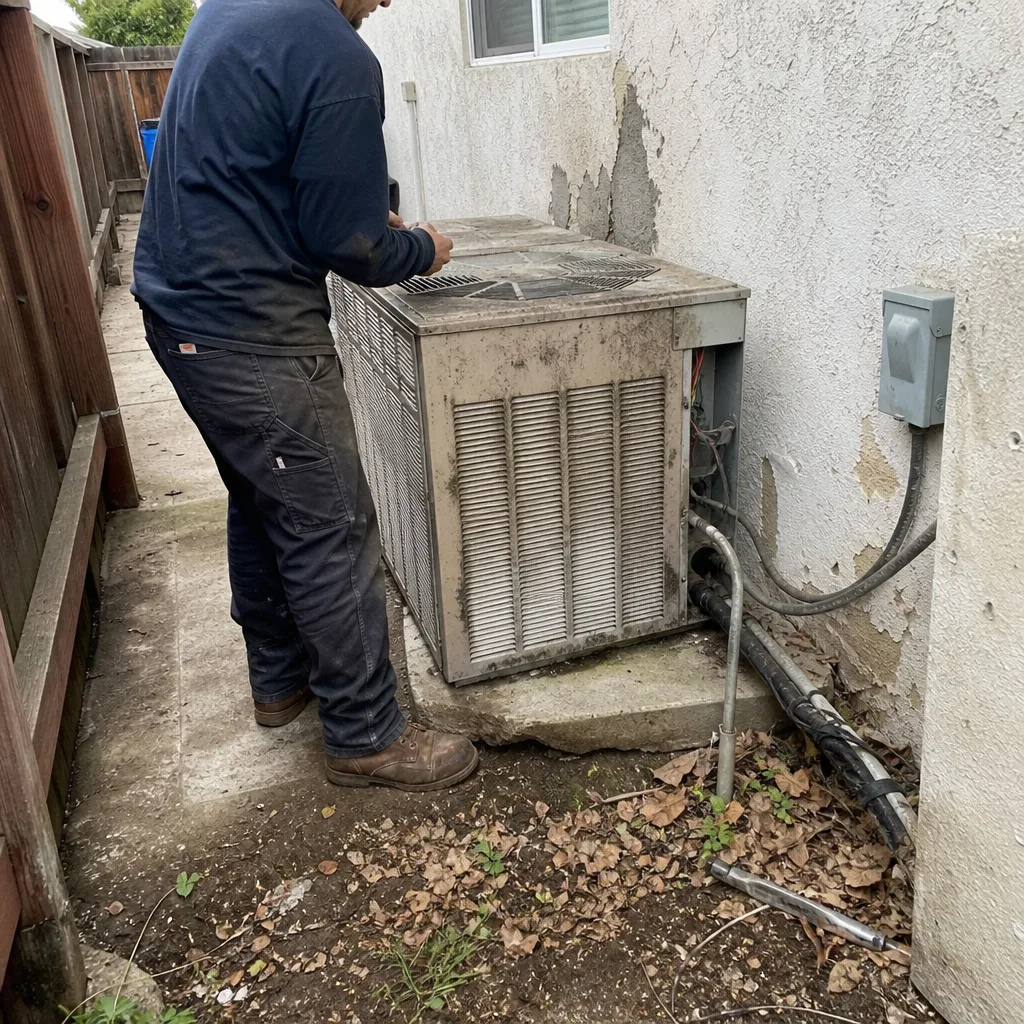 Before
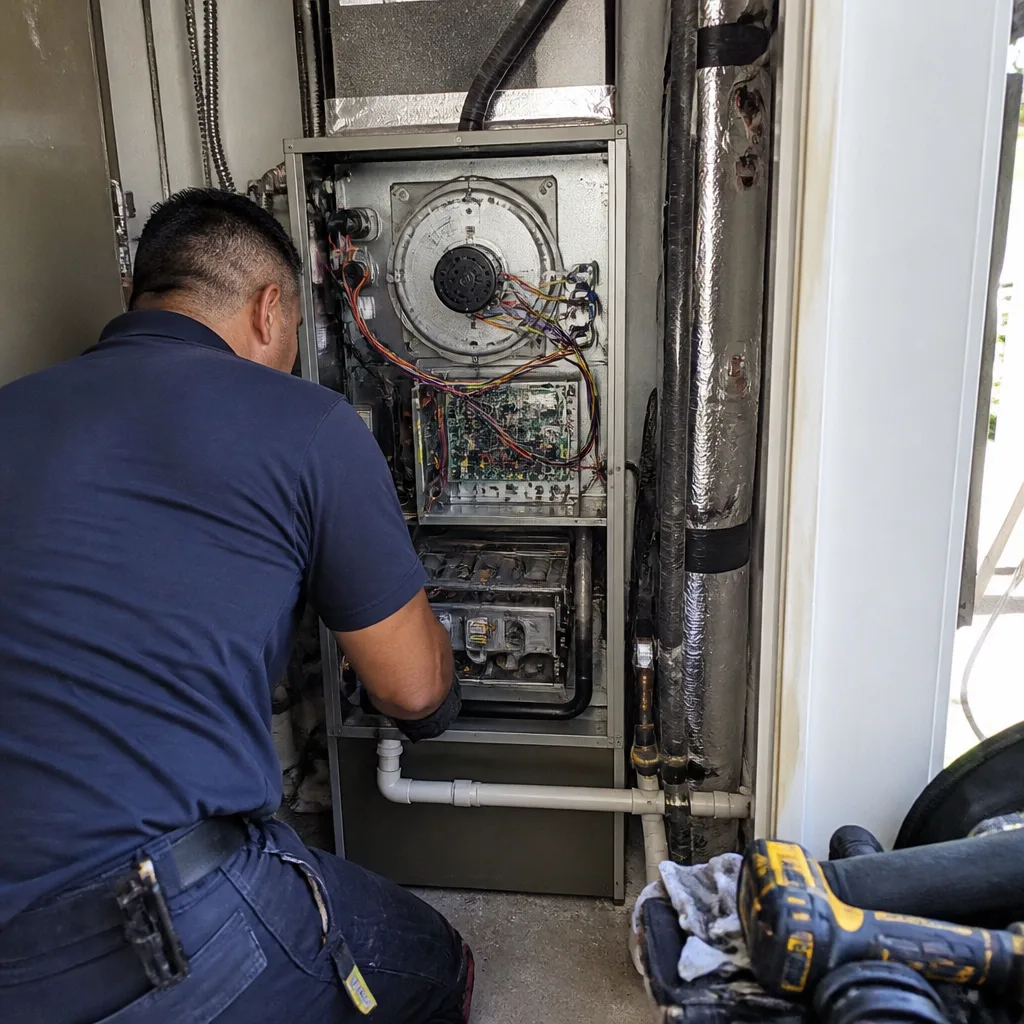 After
After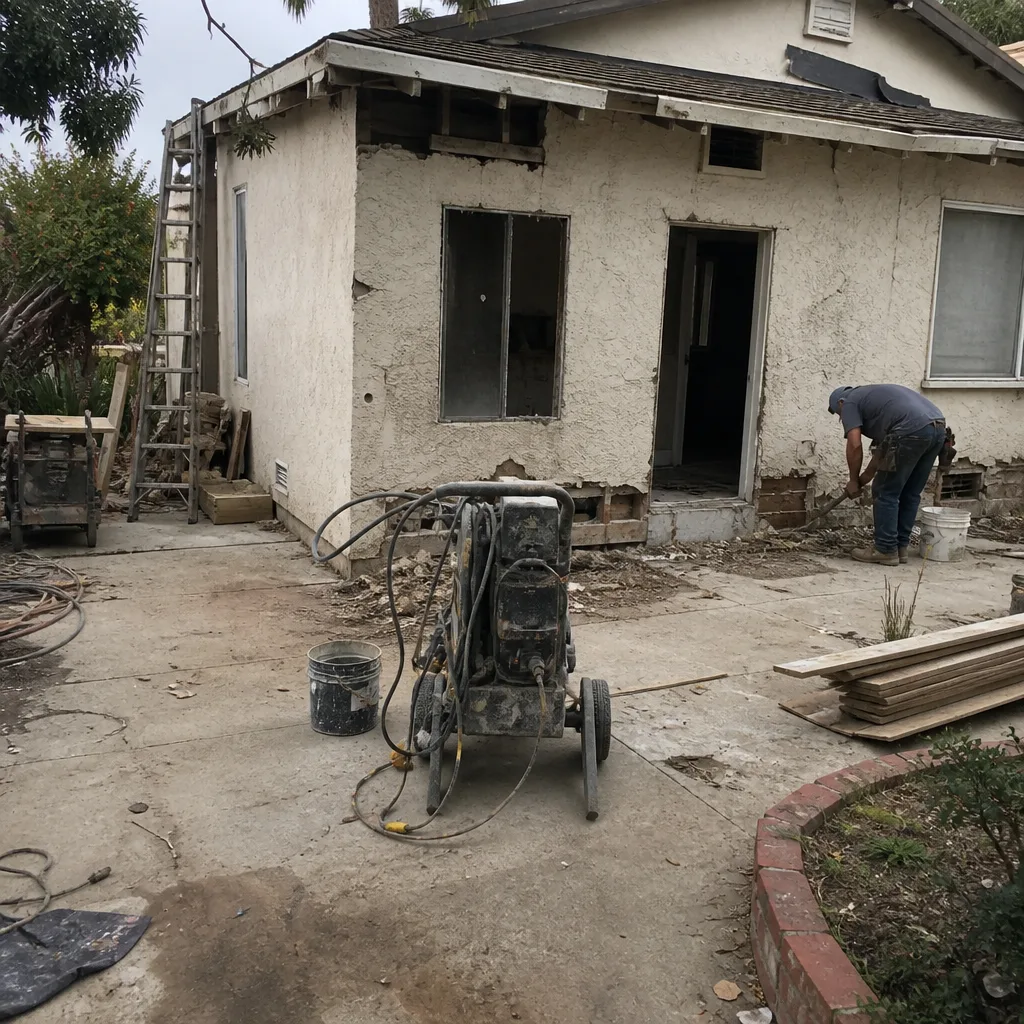 Before
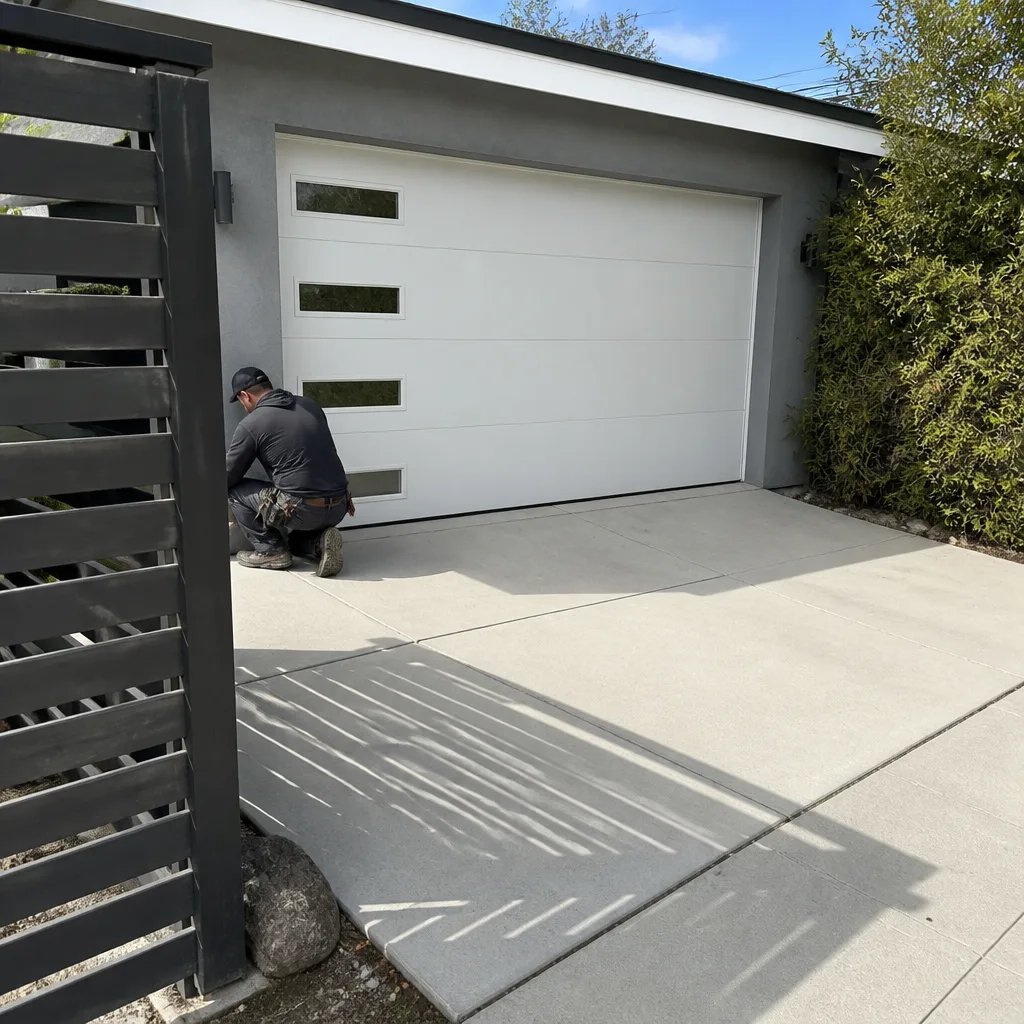 After
AfterWhen to Call a Professional
Some work around the house is genuinely DIY-friendly: painting a bedroom, swapping a faucet, installing a shelf. But in Los Angeles, any project that touches structure, electrical, plumbing, gas lines, or load-bearing walls needs a licensed general contractor. That’s not about convenience; it’s about LADBS code compliance and the fact that unpermitted structural work becomes your legal problem when you sell the house. If your project involves a permit, a seismic retrofit, or structural changes, call a professional. Sawyer Remodeling offers free estimates across Los Angeles – call (254) 272-5876 and we’ll give you a written price before any work starts.
Frequently Asked Questions

A full bathroom remodel in Los Angeles typically runs $25,000 to $60,000, while a whole-home renovation can range from $150,000 to $500,000 or more depending on square footage, seismic requirements, and finishes. The biggest cost variables are permit fees, seismic retrofit work if triggered, and hillside grading if your property sits on a slope. Call (254) 272-5876 for a written, line-item estimate tied to your specific Los Angeles address.
Go to cslb.ca.gov and enter the contractor’s license number or business name in the License Check field. Confirm the license is active, matches a Class B general building classification for GC work, and carries workers’ compensation insurance. The same page will show any CSLB complaints filed against the license.
Most bathroom remodels in Los Angeles require an LADBS permit if you’re moving plumbing, changing electrical, altering the layout, or replacing fixtures in a different location. Cosmetic updates like painting, new cabinet doors, and swapping a faucet usually don’t. If you’re not sure, your contractor should tell you in writing and pull the permit themselves.
California law caps the down payment on any home improvement contract at 10 percent of the total project price or $1,000, whichever is less. A contractor who asks for more upfront is asking you to violate state law, and you should not sign.
A typical bathroom remodel in Los Angeles takes 4 to 8 weeks from demolition to final LADBS inspection, depending on the scope and whether plumbing or electrical relocation is involved. Structural changes, seismic work, or hillside complications can extend that timeline by several weeks.
File a complaint with the CSLB immediately, document every payment and every uncompleted work item in writing, and take photos of the current state of the project. If you have a payment schedule tied to inspection milestones with a holdback, you’ll have significant leverage to finish the project with another contractor without paying twice.
The Bottom Line
Hiring a general contractor in Los Angeles is a different game than anywhere else in the country. The CSLB license check, LADBS permit process, seismic retrofit requirements, and hillside grading rules all shape the real cost and timeline of your project, and none of them appear in a generic contractor guide. You protect yourself by verifying the license, tying payments to inspections, getting brands in writing, and refusing to sign anything that breaks California’s deposit cap. Do those four things and you’ll end up with a finished project instead of a CSLB complaint number. For more guides & resources, explore our blog.
Written by Luca Romano, Owner at Sawyer Remodeling, serving Los Angeles since 2005.