Last updated October 9, 2026






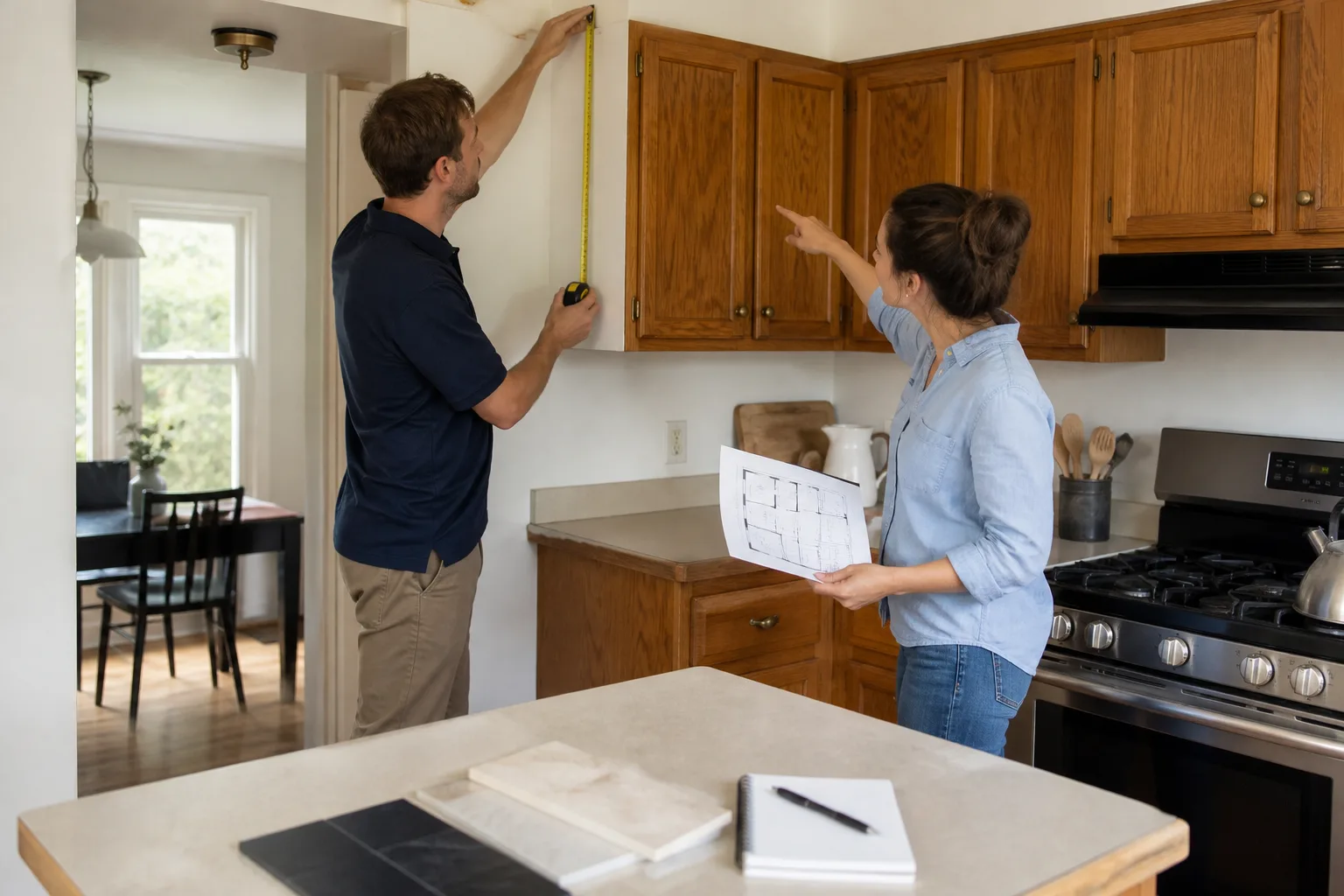
Free written scope consultation - allowances, timeline, and change-order rules on paper before a single trade is scheduled
DIY vs Professional General Contractor: What’s Safe to Do Yourself
California has a legal line most homeowners never see until it’s too late. A homeowner can pull an owner-builder permit, do the work themselves, and pass inspection, then sell the house three years later and get sued for non-disclosure because the work was never done by a licensed contractor. In Los Angeles, where buyers routinely run permit histories before writing an offer, unpermitted or owner-builder work done wrong doesn’t just knock money off the sale price. It creates liability that follows the title. This guide draws that line task by task: what’s genuinely safe to handle yourself, what requires a California licensed contractor, and where the middle path of hiring a pro for oversight only actually saves you money without torching your resale. For DIY vs Professional Home Renovation: What’s Safe to Do Yourself, see our deeper comparison.
Quick Answer
In California, painting, trim, flooring, cabinet hardware, and most finish work are safe DIY projects that don’t require permits. Structural changes, electrical panel work, gas line modifications, and any plumbing beyond fixture replacement legally require a licensed contractor, and doing them yourself can void your homeowner’s insurance and trigger disclosure lawsuits when you sell. The safest approach for anything load-bearing, electrical, or gas-related is to hire a licensed general contractor in Los Angeles, either for full execution or for permit-and-inspection oversight while you do the finish work.
Styles & brands we work with




Table of Contents
- California Permit Law: What You Can Legally Do Yourself
- The Tasks That Void Your Homeowner’s Insurance in California
- The Four Skill Tiers: Cosmetic, Finish, Systems, and Structural
- What’s Actually Safe to DIY (And What’s Not)
- The Owner-Builder Exemption: How It Works and When It Backfires
- Hiring a GC for Oversight Only: The Legitimate Middle Path
- Real Cost Comparison: DIY Savings vs. Long-Term Liability
- Where DIY Work Shows: The Quality Gap Buyers Notice
California Permit Law: What You Can Legally Do Yourself
California Business and Professions Code Section 7044 creates the owner-builder exemption. It allows a homeowner to act as their own general contractor on their own primary residence, pulling permits in their own name and doing the work themselves or hiring unlicensed subcontractors they supervise. But the statute carries a hard restriction: the property must be your primary residence, and you must live there. You cannot use the owner-builder exemption on an investment property, a flip, or a rental. You also cannot use it more than once every two years on the same property.
Here’s what that means in practical terms for a Los Angeles homeowner:
- Painting, drywall patch, flooring, trim, cabinet replacement, fixture swaps: No permit required. These are cosmetic and finish tasks that fall outside the permit system entirely. You can do them yourself without any legal exposure.
- Minor electrical like outlet replacement or light fixture swap: Technically requires a permit in Los Angeles, but enforcement is practically nonexistent for like-for-like swaps. The risk is low if you know what you’re doing.
- Panel upgrades, new circuits, subpanel installation: Requires an electrical permit and must be done by a California-licensed electrician. No owner-builder exception applies to work that requires a specialty license, which electrical panel work does.
- Structural changes: load-bearing wall removal, foundation work, roof framing, room additions: Requires building permits, structural engineering, and in most cases a licensed contractor. You can technically owner-build these, but the liability exposure is enormous.
- Gas line work of any kind: Requires a licensed plumber with specific gas certification. This is non-negotiable in California.
What we’ve seen consistently in LA neighborhoods like Silver Lake, Eagle Rock, and the Valley: homeowners who pulled owner-builder permits for a bathroom remodel and did the work themselves passed inspection, then three years later sat in escrow while a buyer’s inspector flagged workmanship that “met code at the time of inspection but shows signs of poor execution.” The inspection record didn’t protect them. The work was their liability, not a contractor’s.
The Tasks That Void Your Homeowner’s Insurance in California
Here’s the part most DIY guides skip entirely: your homeowner’s insurance policy in California has specific exclusions for work done without a licensed contractor. If you do electrical work yourself and your house catches fire, the insurance company investigates. When they find the unlicensed electrical work, they deny the claim. It’s not hypothetical. It’s standard claims practice.
These are the tasks where DIY work creates insurance exposure in Los Angeles:
- Electrical panel work, new circuits, or wiring changes: Insurance adjusters specifically look for heat damage and improper connections. A licensed electrician’s install carries their liability coverage. Yours carries none.
- Structural changes to load-bearing walls, foundations, or roof framing: If you remove a wall that was load-bearing and the house settles or cracks, the structural damage exclusion applies. You personally own that repair bill.
- Gas line modifications or appliance connections: A gas leak from DIY work that causes a fire or explosion is an automatic denial in nearly every California homeowner’s policy. Gas work legally requires a licensed plumber with a C-36 contractor classification.
- Water heater replacement with gas or electrical work involved: This sits in a gray zone. Many Los Angeles homeowners do it themselves. If the installation fails and floods the house, the insurance company can deny the claim based on unpermitted, unlicensed work.
The rule of thumb we tell homeowners: if the task touches a system that can kill you or burn the house down, the insurance company will look for any reason to deny the claim. That reason is usually you. General contractor oversight with a licensed team removes that exposure, because the work is performed by insured trades with their own liability coverage.
The Four Skill Tiers: Cosmetic, Finish, Systems, and Structural
Every home improvement task falls into one of four tiers. Understanding which tier you’re working in tells you whether DIY is genuinely safe or whether you’re gambling with a five-figure liability.
Tier 1: Cosmetic Work (Safe DIY)
- Painting walls, ceilings, and trim
- Removing wallpaper
- Patching small drywall holes
- Replacing cabinet hardware
- Installing shelving
- Caulking and sealing
Honest assessment: These tasks require no permit, no specialized tools beyond basic equipment, and mistakes are cheap to fix. If you paint a wall badly, you repaint it. If you patch badly, you re-patch. The downside risk is measured in hours, not dollars.
Tier 2: Finish Carpentry and Interior Finishes (Moderate DIY)
- Installing baseboards and crown molding
- Laying click-lock vinyl plank or laminate flooring
- Replacing interior doors
- Installing a tile backsplash
- Building a non-structural closet system
Honest assessment: These tasks require more skill than YouTube suggests. Crown molding angles are genuinely hard, and cut mistakes waste material. A sloppy tile backsplash is permanent unless you remove it. Click-lock flooring installed too tightly against walls will buckle in Los Angeles’s dry heat cycle. You can do these, but expect the learning curve to cost you time and some wasted material.
Tier 3: Systems Work (Requires Licensed Contractor in California)
- Electrical panel upgrades and new circuits
- Gas line installation or modification
- Plumbing beyond replacing a faucet or toilet
- HVAC ductwork modifications
- Water heater replacement
Honest assessment: This is where DIY stops being a skill question and becomes a legal one. California law requires licensed trades for this work. Your insurance policy excludes it. Resale disclosure requires you to list unpermitted work you did yourself. The risk calculus changes completely.
Tier 4: Structural Work (Requires Licensed Contractor and Engineering)
- Load-bearing wall removal
- Foundation repair
- Roof framing changes
- Room additions
- Seismic retrofitting
Honest assessment: In Los Angeles, this is not a DIY conversation. Seismic code, soil conditions, and structural engineering requirements are specific enough that even experienced contractors hire structural engineers. A homeowner doing this work without engineering is creating a genuine safety hazard for everyone who lives in or visits the home.
What’s Actually Safe to DIY (And What’s Not)
The emotional pull of DIY is real. You want the pride of having done the work. You want to save the labor cost. Both are legitimate, but they need to be honest about the downside. For more guides & resources on navigating renovation decisions, explore our blog.
Safe DIY Projects for Most Homeowners in Los Angeles
- Interior painting: The prep work is tedious but the application is forgiving. Expect a 1,200-square-foot Los Angeles home to take 2-3 full weekends for a homeowner who’s never done it before. Materials cost $400-$800.
- Cabinet hardware replacement: A drill, a template, and two hours. Cost is $50-$150 for hardware. There’s no meaningful way to fail.
- Faucet and toilet replacement: If the shutoff valves work and the connections line up, this is a one-hour job. The risk is small leaks that reveal themselves over time, so check connections daily for the first week.
- Click-lock flooring in low-traffic areas: A bedroom or home office is forgiving. A living room with furniture is still a one-weekend project. Buy 10% extra for mistakes.
- Weatherstripping and caulking: Los Angeles’s dry heat makes this an every-few-years task anyway. Do it yourself, save $500, and the improvement is real.
Not Safe to DIY: The Hard Stops
- Anything touching electrical panels, wiring, or circuits: Shock, fire, and insurance denial are the three outcomes that justify hiring a licensed electrician every time.
- Anything touching gas lines: In LA’s older housing stock, gas lines can date back 70+ years and have corrosion issues you can’t see. A licensed plumber with gas certification knows what to look for.
- Removing any wall you haven’t verified is non-structural: If the wall runs perpendicular to the ceiling joists, there’s a good chance it’s carrying load. If the wall runs parallel, it might not be. This requires a professional assessment, not guesswork.
- Bathroom shower waterproofing: This is the one finish-level task that does catastrophic damage when done wrong. A shower pan built incorrectly leaks for years before visible mold appears. By the time you see the ceiling stain below, you’re looking at subfloor replacement and possible structural repair. In our experience across Los Angeles remodels, this is where DIY projects fail most destructively.
The Owner-Builder Exemption: How It Works and When It Backfires
California’s owner-builder rule sounds like a money-saving loophole: pull a permit in your own name, act as your own general contractor, and save the GC markup, which typically runs 15-20% on a remodel. The loophole is real. The downside is worse than most people realize.
Here’s how owner-builder works in Los Angeles:
- You file the permit application yourself with the Los Angeles Department of Building and Safety (LADBS). You sign an affidavit certifying that the property is your primary residence and you intend to live there.
- You hire subcontractors directly or do the work yourself. If you hire subs, you must verify their workers’ compensation coverage yourself. If they get hurt on your property and don’t have coverage, you are personally liable for their injuries.
- You schedule inspections and are responsible for correcting any failed inspections.
- The work is permitted and inspected, so it’s not “unpermitted” in the traditional sense. It passes. But the work is registered in your name, not a licensed contractor’s.
Here’s where it goes wrong. California law, specifically Business and Professions Code Section 7044, states that the owner-builder exemption exists only for homeowners building or improving their own primary residence. If you sell the property within one year of completing owner-builder work, California law presumes you were acting as a contractor without a license. That presumption triggers contractor fraud statutes. You can be sued for the cost of the work, three times damages, and attorney’s fees. The sale goes through, but the liability follows you.
Even if you wait more than a year, California’s real estate disclosure requirements mandate that you list all work done without a licensed contractor. Buyers in Los Angeles have gotten sophisticated about this. They price the risk into their offer or walk entirely. What you saved on the GC markup, you’ll often lose in negotiation, plus you’ll carry the stress for the full disclosure window.
Hiring a GC for Oversight Only: The Legitimate Middle Path
There’s a third option most homeowners in Los Angeles don’t know exists. You can hire a licensed general contractor for a specific scope: permit management, code compliance review, sub supervision on the dangerous tasks, and inspection management. You handle the finish work yourself.
This model works like this:
- A licensed general contractor pulls the permit and lists their license number on the application. The work is registered to a licensed contractor, not an owner-builder. That resolves the resale disclosure issue immediately.
- The contractor handles the dangerous or regulated tasks: electrical, plumbing, gas, structural framing, waterproofing. These are done by licensed subs with their own insurance and workers’ comp.
- You handle the finish work: painting, trim, flooring, cabinet installation if you’re up for it, hardware, final touches. This is where you save money and get the DIY satisfaction.
- A GC handles inspections and makes sure the whole project passes. The permit closes cleanly in the contractor’s name, and you have a documented project history to hand a future buyer.
The savings are real, though smaller than full DIY. You save the finish labor cost, which on a typical Los Angeles bathroom remodel runs $8,000-$15,000. You still pay for the licensed trades on the systems work and the GC’s oversight fee, which is usually charged hourly or as a flat project management fee. In our experience, the oversight model works best for homeowners who genuinely know how to paint, tile, and install flooring, and who want clean permits and zero resale liability without paying for a full-service remodel.
Our full bathroom remodeling services in Los Angeles include a clear written scope that specifies exactly which tasks we handle and which, if any, you take on. The price is written before work starts, so you know what you’re paying for oversight versus what you’re saving by doing finish work yourself.
Real Cost Comparison: DIY Savings vs. Long-Term Liability
Let’s put numbers on it. A typical small bathroom remodel in Los Angeles, say 50 square feet with a standard tub-to-shower conversion, mid-range finishes, runs $25,000-$40,000 with a licensed general contractor handling the full scope. The general contractor’s markup and project management portion of that is typically $5,000-$10,000 of the total.
Here’s what the same project looks like under different approaches:
- Full DIY (owner-builder): You save the GC markup plus labor on every task. Hard savings: maybe $15,000-$20,000. Exposure: personal liability for every defect, insurance denial on every system, disclosure burden on resale, and the contractor fraud presumption if you sell within a year. Expected resale haircut in Los Angeles for disclosed owner-builder work: $10,000-$30,000 depending on scope and buyer sophistication.
- Oversight-only (licensed GC handles permits and systems, you handle finish): You save the finish labor, roughly $8,000-$15,000. Exposure: zero on systems work because licensed trades did it, zero on permits because a license is on file, and no resale disclosure issue because the work was done under a licensed contractor. You gain the DIY satisfaction on the finish work.
- Full professional remodel: Highest upfront cost, zero liability exposure, a single point of accountability, and a workmanship warranty from a licensed contractor. In the case of our 365-Day Done Right Promise, that accountability extends a full year after the project closes.
What this table ignores is the cost of your time and the cost of mistakes. A homeowner who has never waterproofed a shower has maybe a 30% chance of getting it right the first time based on what we’ve seen at inspection stage. The fix for a failed waterproofing job, once the tile is set and the leak shows up, starts at $8,000 and goes up from there. That one mistake erases the entire DIY savings.
Where DIY Work Shows: The Quality Gap Buyers Notice
You’ve lived with your DIY work for three years, and it looks normal to you. A buyer tours the house for 20 minutes and their agent, who has looked at 40 houses in the last three months, can spot the telltale signs from across the room. Los Angeles buyers in 2024 and 2025 increasingly bring contractors to second showings. The gap between DIY quality and professional quality shows in predictable places:
- Tile spacing and lippage: Hand-set tile that isn’t perfectly level reads as DIY immediately. A buyer’s contractor sees it, notes it, and the negotiation begins.
- Caulk lines and paint edges: Amateur caulk work, drips in the paint, and uneven cut lines at trim are small individually, but together they tell a story about how the whole house was maintained.
- Plumbing rough-ins and drain alignment: If the sink drain doesn’t line up perfectly with the trap, or the toilet sits slightly off-level, it signals deeper issues. A buyer’s inspector will call it out in the report.
- Electrical panel labels and wire routing: A professional electrician’s panel is labeled and orderly. A homeowner’s panel is usually neither, and the inspector knows exactly what it means.
None of this is about shaming DIY work. It’s about honest economics. If you’re doing work on a house you plan to sell in Los Angeles within the next five to ten years, the quality level of that work directly affects the sale price. The buyer’s agent, the buyer’s inspector, and the buyer themselves are all looking for signs of professional versus amateur work. It’s one of the most reliable pricing factors in the LA market.
Common Mistakes to Avoid
- Using the owner-builder exemption to flip a house. California law presumes you were acting as an unlicensed contractor if you sell within one year. The liability for this decision can run three times the cost of the work, plus legal fees. It’s the single most expensive DIY mistake you can make in Los Angeles.
- Assuming an inspection pass means no future liability. An inspection confirms code compliance at one moment in time. It does not transfer workmanship liability to anyone. If the plumbing leaks three years later, the lawsuit comes to you because there’s no contractor to sue.
- Tackling shower waterproofing without experience. This is the most common DIY failure we see in LA bathrooms. A failed waterproofing job leaks for months or years before visible damage appears, and the repair often requires a full shower rebuild.
- Replacing electrical fixtures without turning off the right breaker. For a homeowner who doesn’t verify voltage before touching wires, this is how hospital visits happen. Use a non-contact voltage tester or hire an electrician.
- Doing structural work without a structural engineer’s sign-off. In Los Angeles, with seismic code requirements and varied soil conditions across neighborhoods, structural changes need engineering. Guessing at beam sizing is not the place to save money.
- Skipping permits to save time and fees. Unpermitted work in Los Angeles is discoverable through public records, and sellers are legally required to disclose it. Buyers price the risk into their offer, and many just pass on the house entirely.
- Hiring unlicensed subcontractors while acting as owner-builder. If an unlicensed sub gets hurt on your property, you are personally liable. If their work fails, you cannot recover from them. The owner-builder exemption does not protect you from either scenario.
See the difference
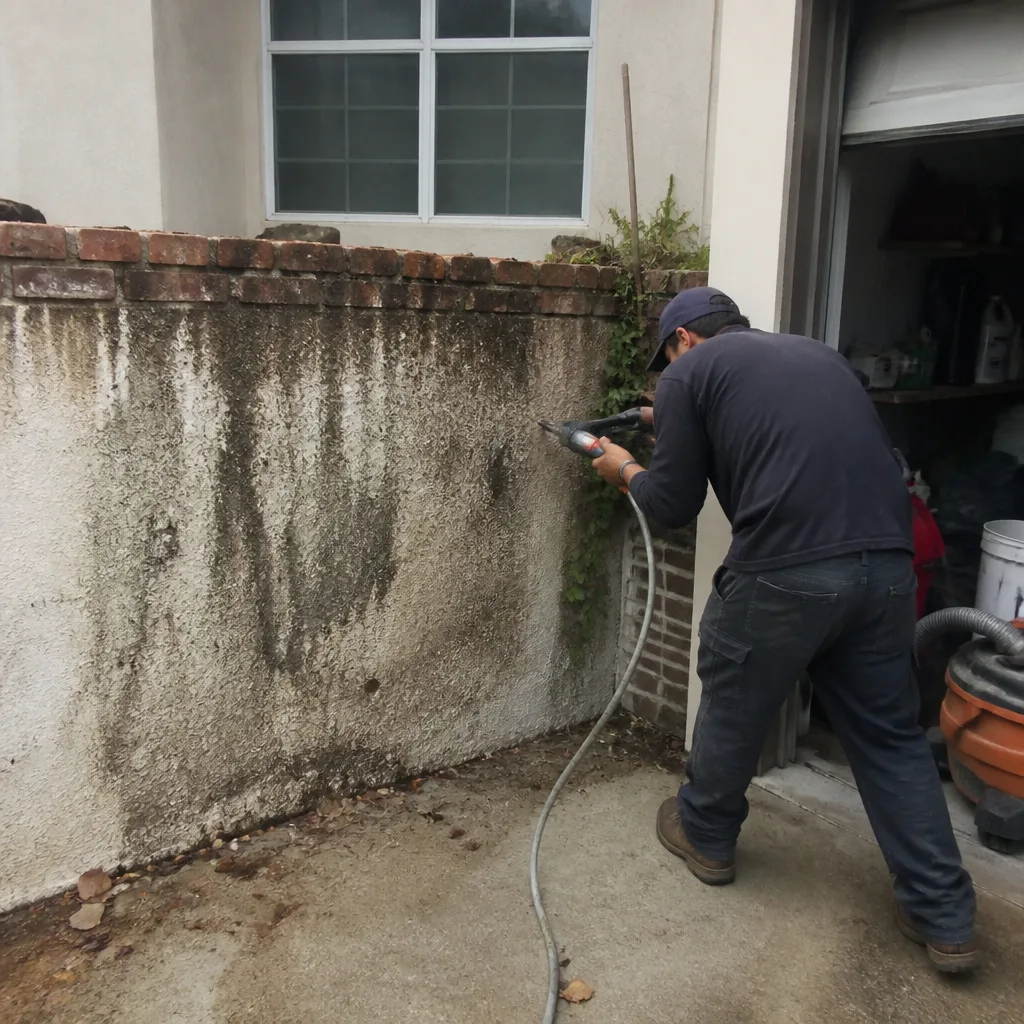 Before
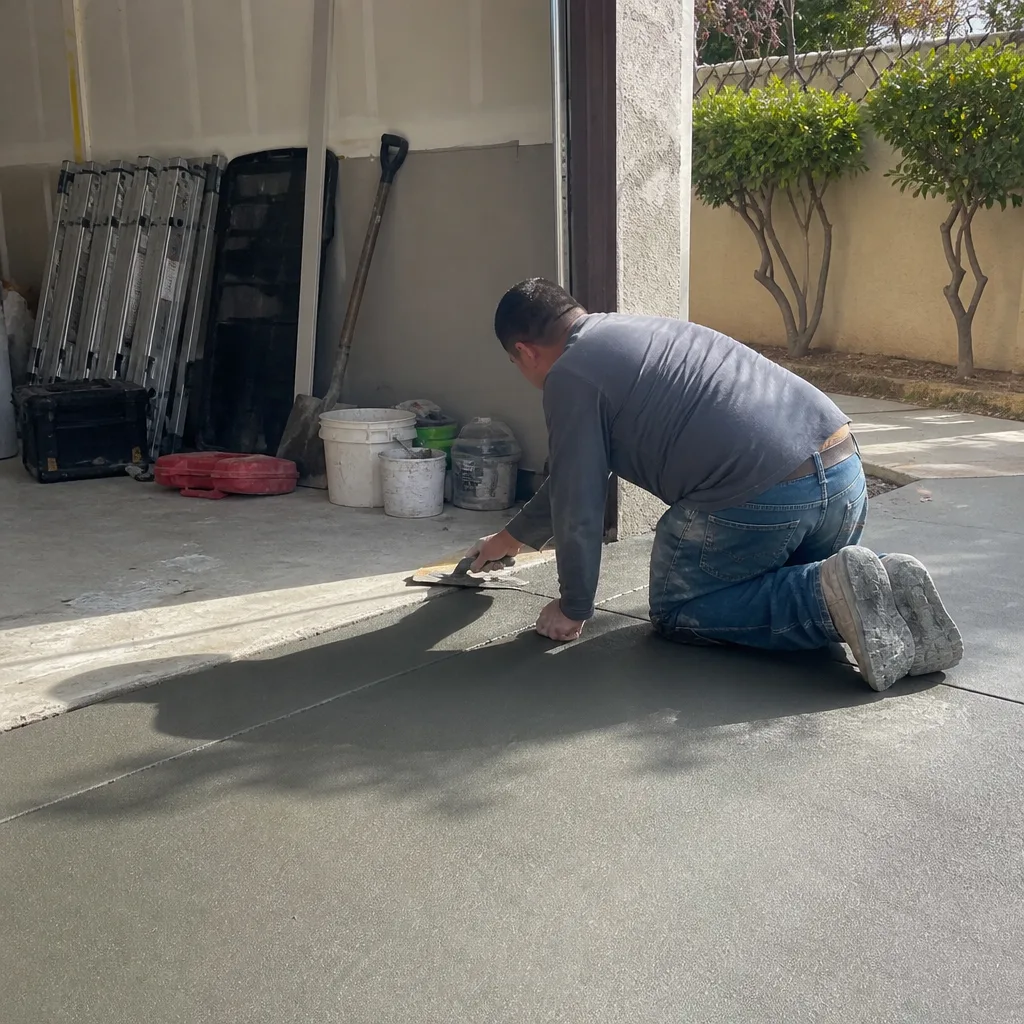 After
After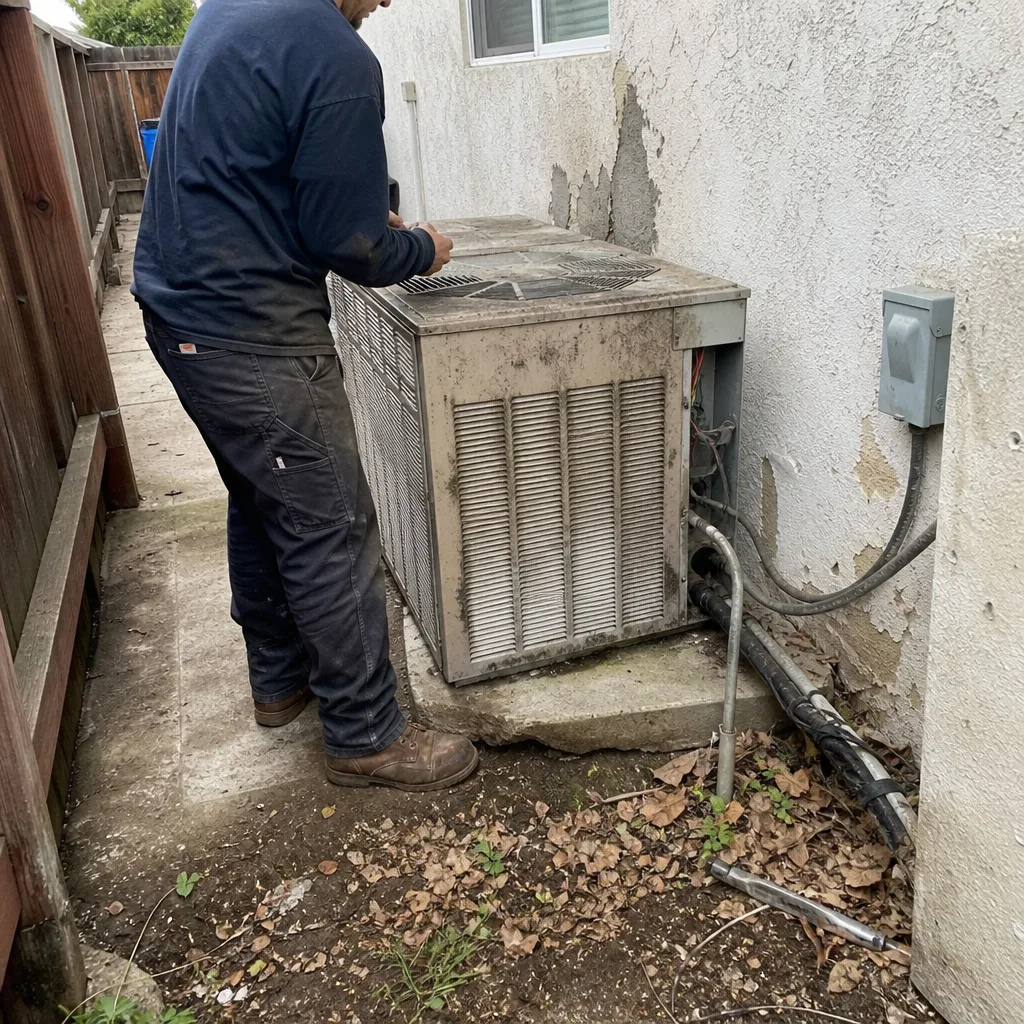 Before
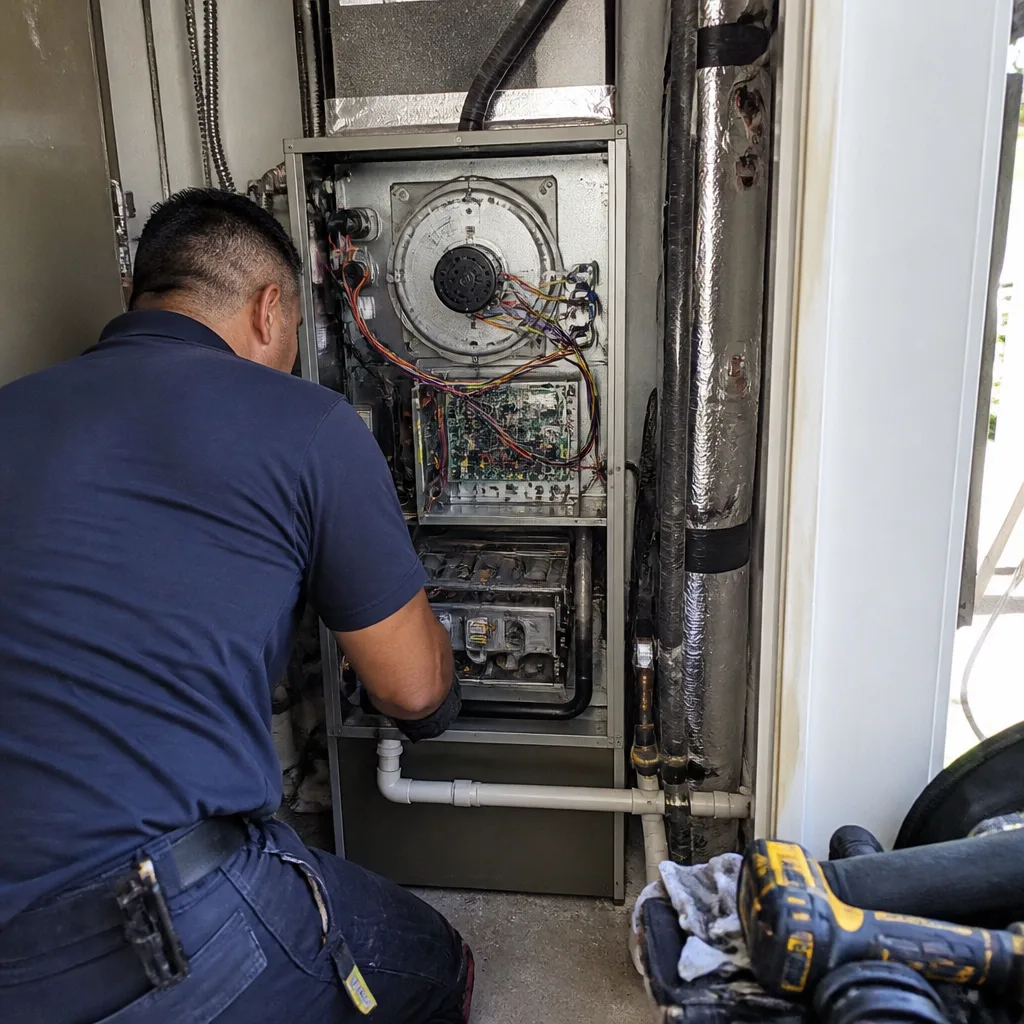 After
After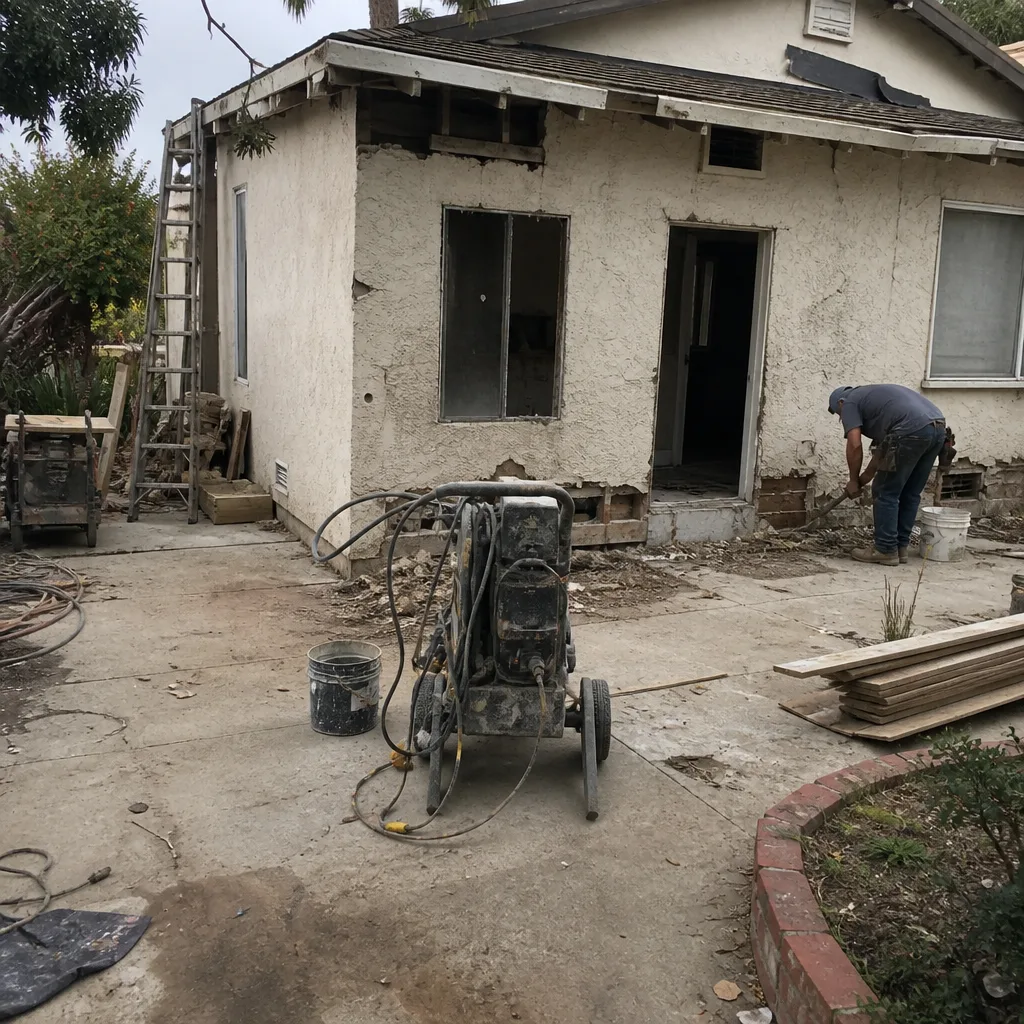 Before
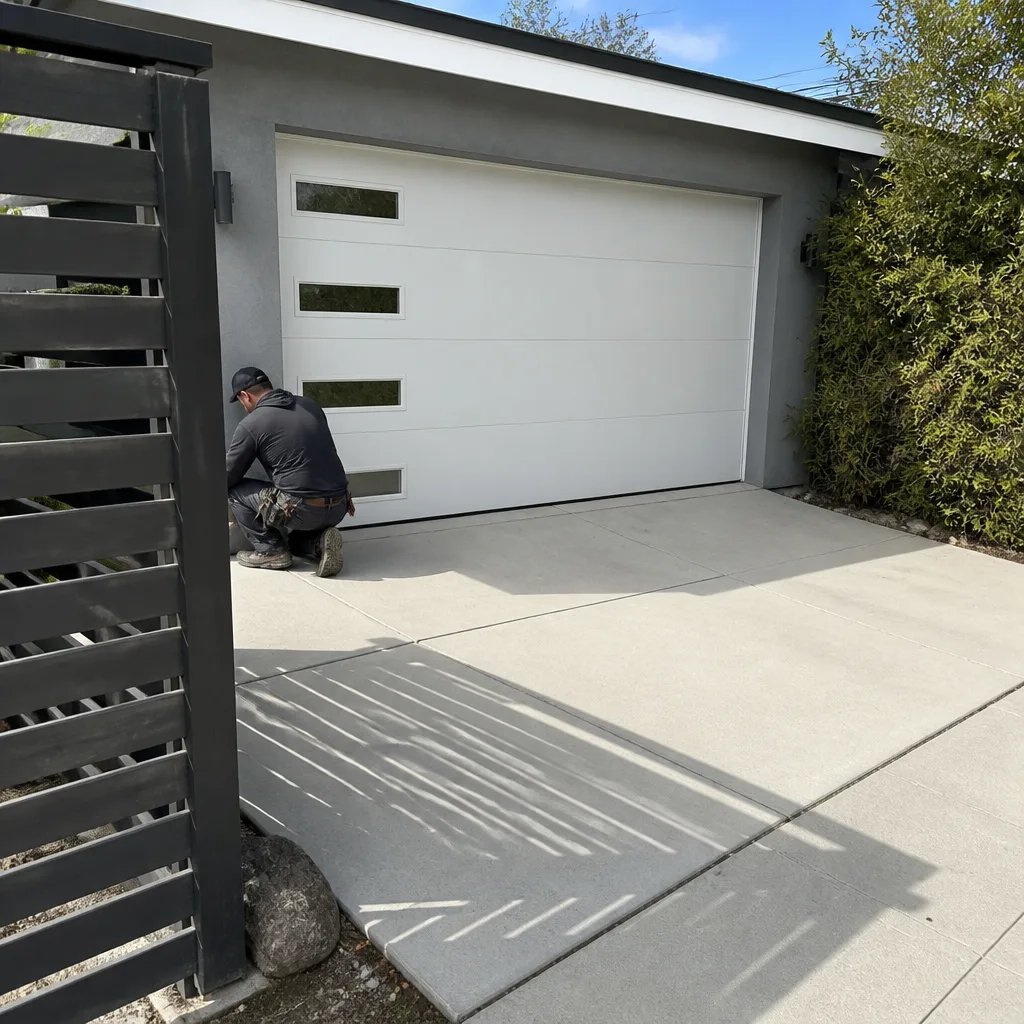 After
AfterWhen to Call a Professional
The honest signal that it’s time to call a licensed contractor is when the risk on the table is measured in five figures, not in a wasted weekend. Electrical panel work, gas lines, structural changes, shower waterproofing, and any project requiring permits you don’t fully understand all qualify. A licensed general contractor in Los Angeles carries the liability, manages the subs, coordinates the inspections, and hands you a clean permit history when the project closes. Sawyer Remodeling offers free estimates in Los Angeles, with a written price before any work starts and a 365-day guarantee on completed projects. Call (254) 272-5876 to schedule yours.
Frequently Asked Questions

You can paint, install flooring, replace cabinet hardware, swap light fixtures like-for-like, replace faucets and toilets, build non-structural shelving, and do most finish carpentry without pulling a permit in Los Angeles. The rule is simple: if the work is cosmetic, doesn’t touch the building envelope, doesn’t alter plumbing or electrical rough-ins, and doesn’t change the structure, no permit is required. Anything beyond that crosses into permit territory.
Yes, under California’s owner-builder exemption you can act as your own general contractor on your primary residence, pulling permits in your own name and supervising subs or doing the work yourself. But the exemption only applies to owner-occupied primary residences, cannot be used more than once every two years, and selling within one year triggers a legal presumption that you were acting as an unlicensed contractor. The liability exposure is significant, especially in the Los Angeles resale market where buyers are sophisticated about permit history.
DIY electrical, gas, and structural work typically voids your homeowner’s insurance coverage for related damage, because California policies exclude work performed without a licensed contractor. If a fire starts in a circuit you installed yourself, the insurance company will investigate, find the unlicensed work, and deny the claim. Licensed contractors carry their own liability insurance, which is one of the strongest reasons to hire one for systems and structural work.
For the right homeowner, yes. Hiring a licensed contractor to pull permits, manage the systems work through licensed subs, and coordinate inspections, while you handle the finish work like painting and flooring, typically saves $8,000-$15,000 on a Los Angeles bathroom remodel compared to full-service execution. The oversight model keeps the permit clean and the liability on the contractor while preserving your DIY savings on the lower-risk finish tasks.
California law requires you to disclose all work done without a licensed contractor, including owner-builder work that passed inspection. Failure to disclose creates exposure to a buyer lawsuit for years after closing. If you used the owner-builder exemption and sell within one year, you face a presumption of unlicensed contracting, which carries statutory damages. Disclosed owner-builder work typically reduces the sale price by $10,000-$30,000 in the LA market depending on scope.
Shower waterproofing failure is the most common and most expensive DIY mistake we see in Los Angeles bathrooms. A DIY shower pan or waterproofing membrane that isn’t applied correctly leaks for months before visible damage appears, and by the time stains show up on the ceiling below, the repair usually requires a full shower rebuild starting at $8,000. Waterproofing is one finish-level task where doing it yourself is rarely worth the risk. Call (254) 272-5876 for a free assessment if you’re not sure whether your existing shower waterproofing is sound.
The Bottom Line
Paint, trim, hardware, and flooring are safe DIY territory in Los Angeles. Electrical panels, gas lines, structural changes, and waterproofing are not, both legally and practically. The owner-builder exemption exists, but using it carries resale liability that most Los Angeles buyers now price into their offers. The oversight model, where a licensed general contractor handles permits and systems work while you handle the finish work, splits the difference honestly and keeps your resale position clean. If you’re weighing options, a free estimate from Sawyer Remodeling gives you a written baseline against which you can measure every DIY scenario. We’re a general contractor in Los Angeles offering home renovation and bathroom remodeling with written pricing before any work begins. Call (254) 272-5876 to talk it through with a human.
Written by Luca Romano, Owner at Sawyer Remodeling, serving Los Angeles since 2005.